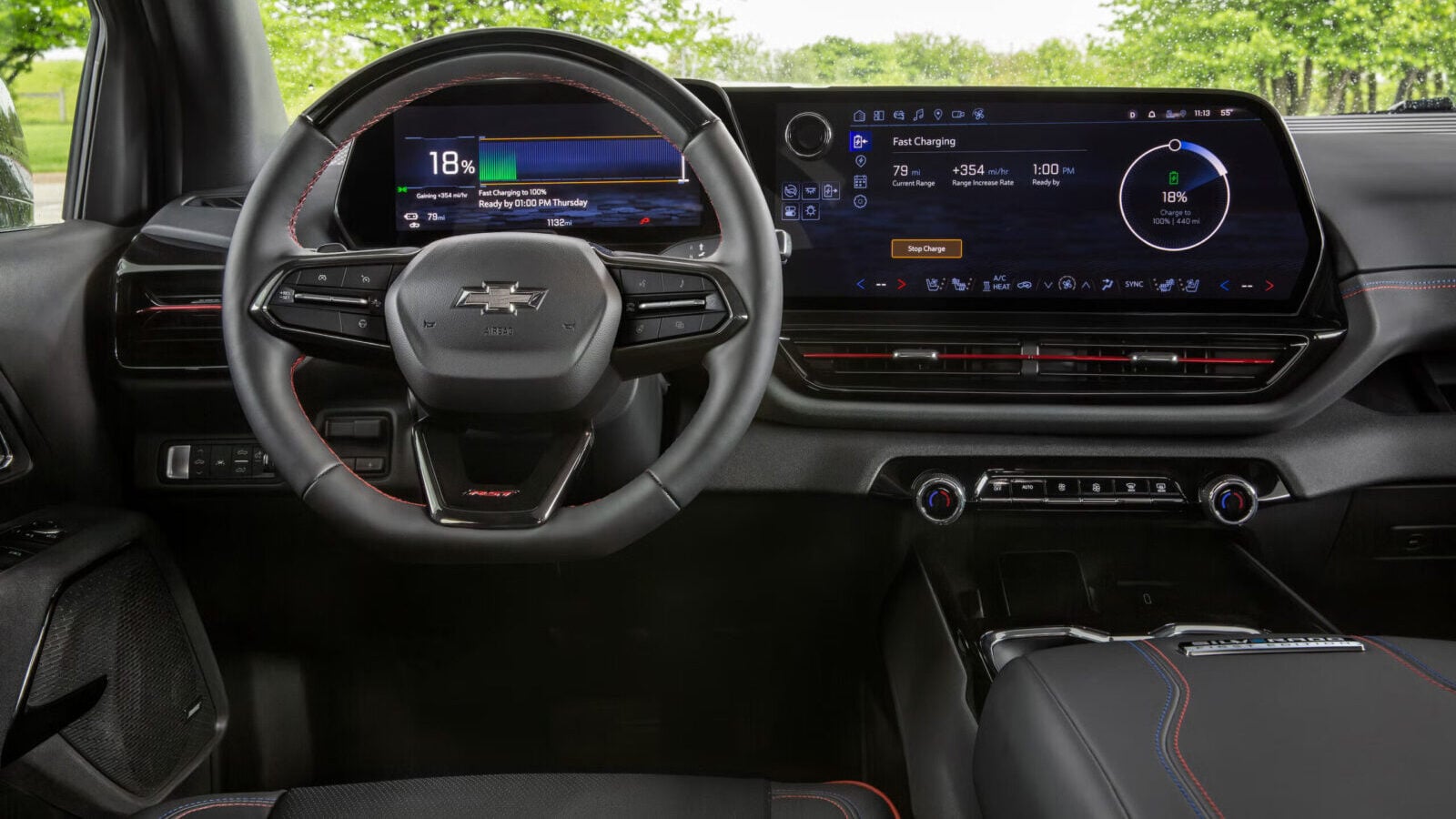
A mechanic’s warning on TikTok has gone viral after highlighting a surprisingly common mistake that could end up costing drivers a significant amount of money. In a video posted by Jace Sorensen, he explains that leaving the factory protective plastic on an infotainment screen for years can eventually damage the display and lead to expensive repairs.
According to Sorensen, the temporary film applied during manufacturing and transport isn’t meant to stay on the vehicle permanently. As a car sits in the sun through years of hot and cold weather, the plastic can bake onto the screen, making it much harder to remove without damaging the display underneath.
Many owners intentionally leave the film in place because they believe it’s protecting the screen from scratches and fingerprints. However, Sorensen says that decision can eventually have the opposite effect, especially once the adhesive begins to deteriorate after years of heat exposure.
The video has already been viewed millions of times, with countless commenters saying they had no idea the factory film was supposed to be removed. Many admitted they immediately headed outside to peel the plastic off their own vehicles after watching the clip.
Factory Shipping Film Isn’t a Permanent Screen Protector
@jace_s.dg One of those head units or dash’s can cost thousands of dollars. #automotive #autotech #newcar ♬ original sound – Jace Sorensen
One of the biggest sources of confusion is that many owners mistake the factory plastic for a reusable screen protector similar to those used on smartphones or tablets. In reality, it’s simply a temporary shipping film designed to protect the display before the vehicle reaches its first owner.
Purpose-built aftermarket screen protectors are manufactured using different materials and adhesives that are intended for long-term use. Sorensen’s warning specifically applies to the thin plastic film installed at the factory, not necessarily third-party products.
Years of Heat Can Create Problems
Vehicle interiors regularly reach extremely high temperatures when parked in direct sunlight, particularly during the summer months. After years of repeated heating and cooling cycles, the factory plastic can become brittle, cloudy, or adhere much more firmly to the display surface.
The danger isn’t that the screen suddenly stops working while the film is still attached. Instead, problems can arise when owners eventually try to remove the hardened plastic, potentially damaging the display or leaving behind stubborn adhesive residue.
Modern Infotainment Systems Aren’t Cheap
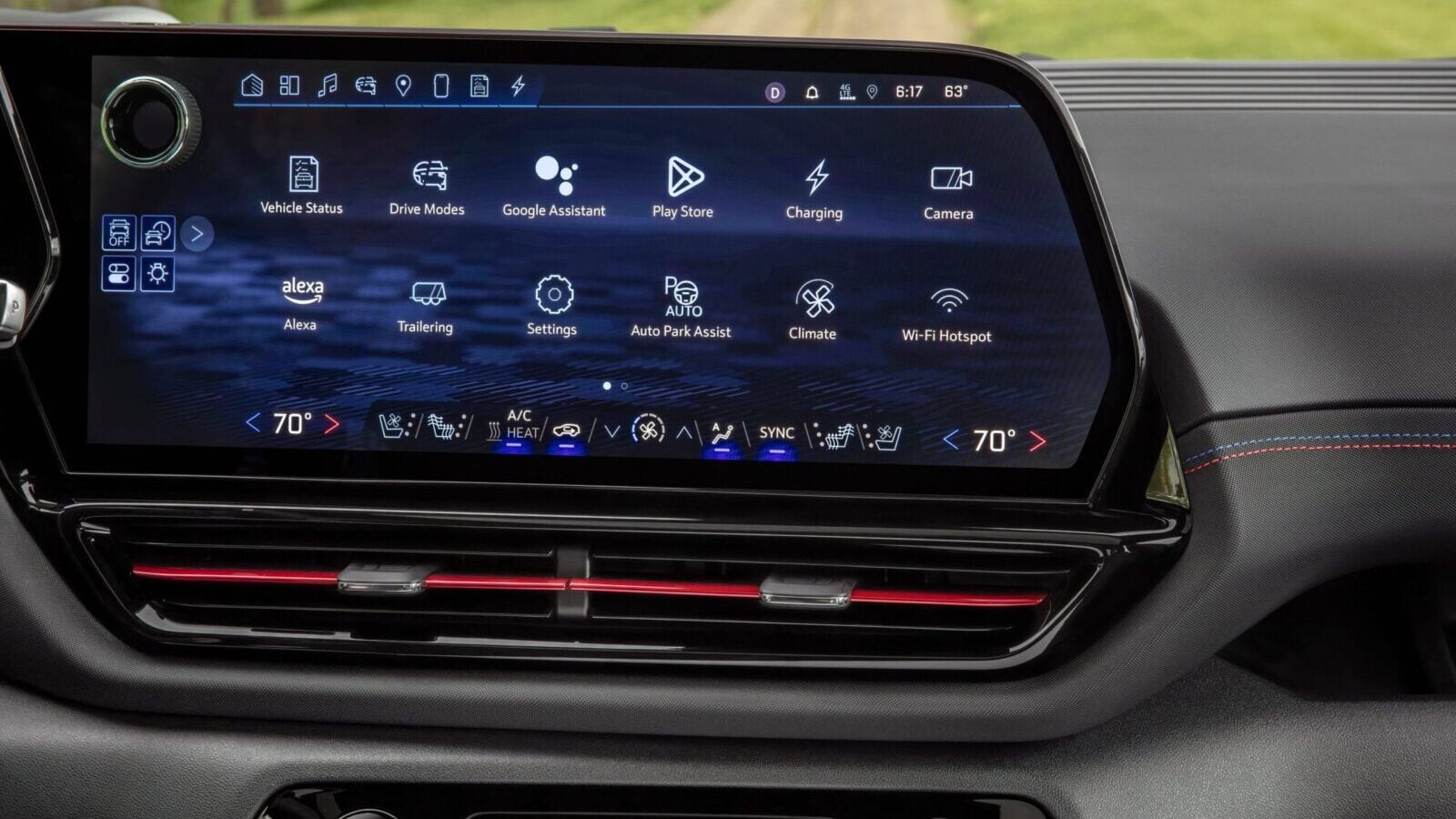
Replacing today’s infotainment displays can be far more expensive than swapping out an old-fashioned radio. Many systems are integrated with multiple vehicle functions, meaning a damaged screen may require replacement modules, programming, and additional labor.
While Sorensen doesn’t identify the exact Chevrolet model in the video or reveal the repair invoice, replacement costs for modern infotainment systems can quickly climb into the hundreds or even thousands of dollars depending on the vehicle.
A Simple Fix That Takes Seconds
Fortunately, avoiding the issue is easy if the factory protective film is still attached. Removing it early eliminates the chance of it baking onto the display after years of exposure to heat and sunlight.
For owners who aren’t sure whether the plastic is still on their screens, it’s worth taking a closer look. Spending a few seconds removing the shipping film today could help prevent a much more expensive repair bill later on.
Have you already removed the factory plastic from your infotainment screen, or is it still on your car? Let us know in the comments.