Battery technology company Factorial Energy has signed a new partnership with South Korean battery manufacturer SK On to explore how solid-state batteries can be produced at scale. According to Factorial’s announcement, the companies have signed a non-binding Memorandum of Understanding (MoU) focused on evaluating whether SK On’s existing manufacturing network can support future production of Factorial’s solid-state battery technology.
The collaboration pairs one of the industry’s leading solid-state battery developers with one of the world’s largest EV battery manufacturers. Rather than building entirely new factories, the companies plan to investigate whether current lithium-ion production facilities can be adapted for next-generation battery cells.
Scaling production has long been considered one of the biggest hurdles facing solid-state batteries. While the technology promises longer driving ranges, faster charging, and improved safety, manufacturing those batteries efficiently and economically remains a significant challenge.
Although the agreement does not commit either company to full-scale production, it represents another important step toward commercializing a technology many believe could reshape the future of electric vehicles.
Manufacturing Is the Biggest Challenge
Under the MoU, Factorial and SK On will jointly evaluate the technical feasibility of manufacturing Factorial’s FEST solid-state batteries using SK On’s existing expertise and global production footprint.
Factorial has consistently pursued what it describes as a capital-light strategy, designing batteries that can be manufactured using existing production infrastructure instead of requiring entirely new factories. If successful, that approach could significantly reduce the time and cost needed to bring solid-state batteries to market.
SK On currently operates more than 200 GWh of annual battery production capacity worldwide, including approximately 100 GWh in the United States.
Why Solid-State Batteries Are Important
Solid-state batteries have become one of the automotive industry’s most closely watched technologies because they offer several potential advantages over conventional lithium-ion batteries.
Replacing liquid electrolytes with solid materials can increase energy density, potentially allowing electric vehicles to travel farther while using smaller and lighter battery packs. The technology also promises faster charging and improved thermal stability, although achieving reliable, large-scale production has proven difficult.
Many automakers view solid-state batteries as a key step toward making EVs more practical and competitive with gasoline-powered vehicles.
Factorial Already Has Major Automotive Partners
Factorial is no stranger to collaborations with major automakers. The company is already working with Mercedes-Benz, Stellantis, Hyundai, Kia, and Karma Automotive on solid-state battery development.
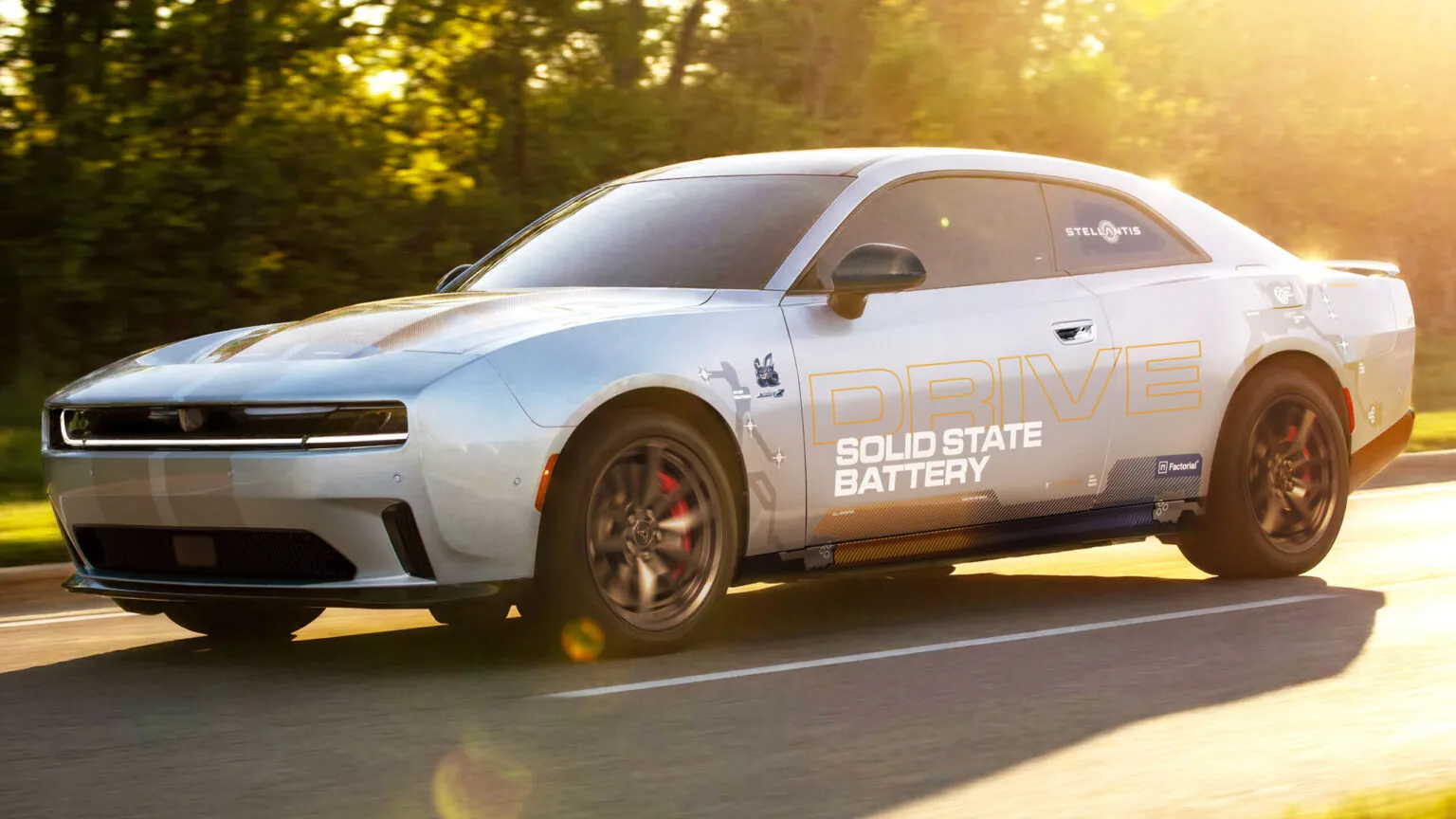
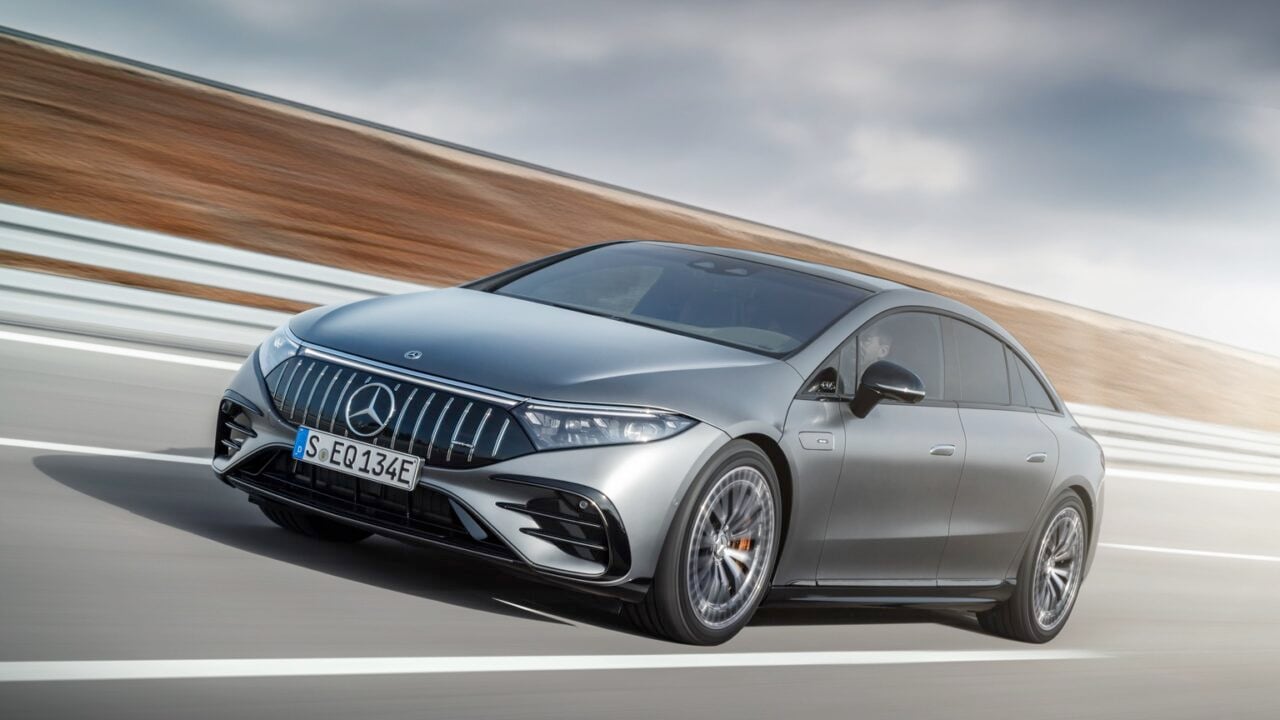
Mercedes-Benz has previously tested Factorial’s technology in a modified EQS prototype, while Stellantis has integrated the company’s FEST battery cells into a Dodge Charger Daytona demonstration vehicle.
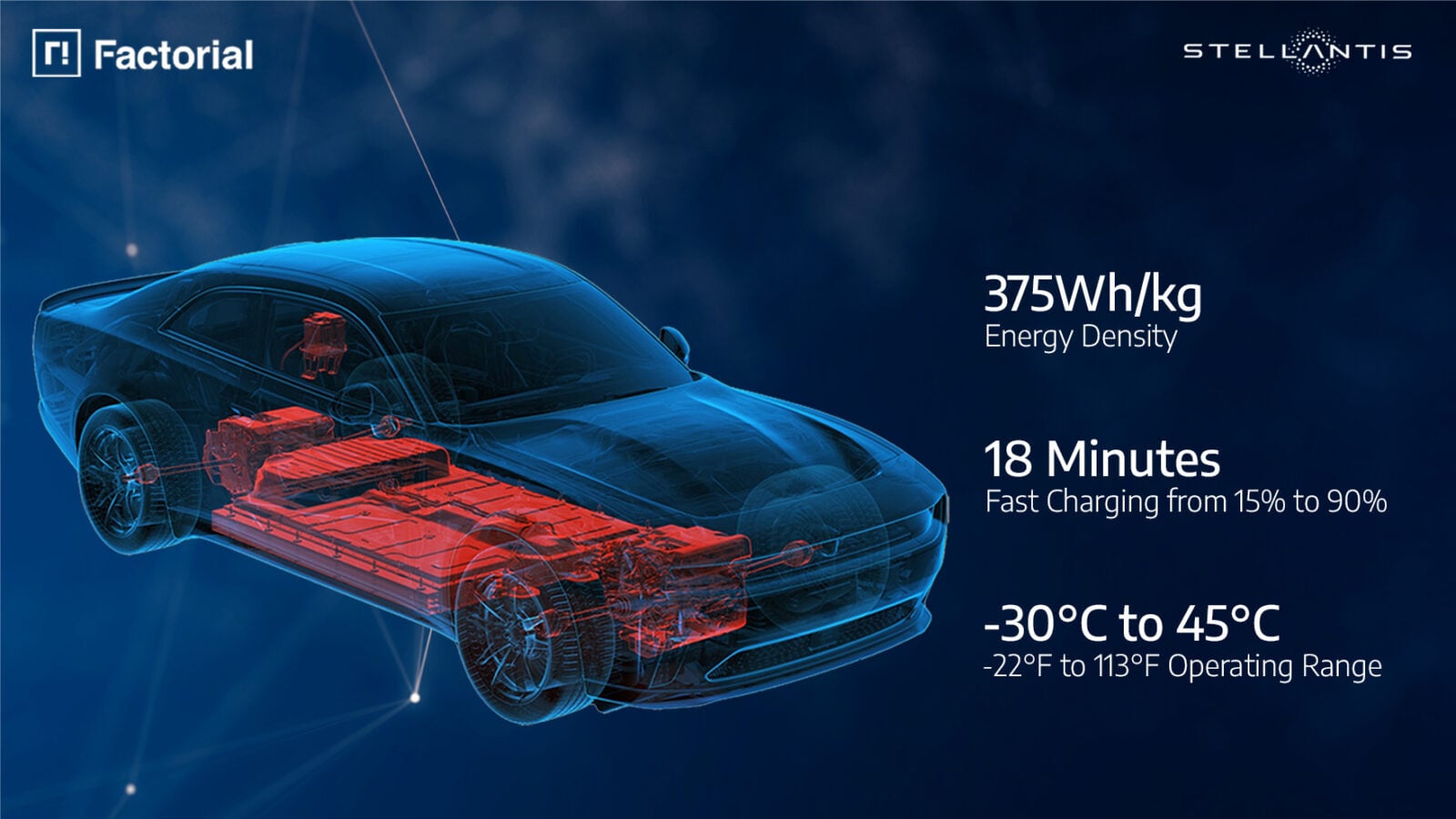
According to previous announcements from the companies, Factorial’s 77Ah battery cells have demonstrated high energy density, rapid charging capability, and operation across a wide range of temperatures during testing.
The Road to Commercial Production
Despite years of promising laboratory results, no automaker has yet brought solid-state batteries into widespread mass production.
That is why partnerships like this one could prove significant. Rather than focusing solely on developing better battery chemistry, the agreement aims to determine whether those batteries can be manufactured efficiently using existing production lines.
The MoU remains non-binding, with the companies stating that any future collaboration would be subject to definitive agreements. Even so, combining Factorial’s battery technology with SK On’s global manufacturing experience could help accelerate the path toward commercial solid-state batteries.
If successful, the partnership may help move one of the EV industry’s most anticipated technologies from prototype testing into large-scale production.
Do you think solid-state batteries will become mainstream before the end of the decade, or will traditional lithium-ion technology remain dominant for years to come? Let us know your thoughts.