
An Oregon emergency medical technician has filed an $800,000 lawsuit after being fired for disabling cameras inside ambulances that she claims were secretly recording patients. The case raises significant legal and ethical questions about privacy, consent, and the growing use of surveillance technology in emergency medical services.
As reported by EMS1, the lawsuit states that former Metro West Ambulance EMT Brittany Martin believed the cameras were recording both video and audio of patients without their knowledge or consent. She alleges she disabled the systems because she believed they violated Oregon law, only to be placed on administrative leave and later terminated.
Metro West Ambulance has declined to comment publicly on the allegations, citing the pending litigation. As a result, only Martin’s allegations have been presented in court filings, and the claims have not been proven.
The lawsuit could become an important test case as ambulance providers across the country increasingly consider cameras for liability protection, employee safety, and documentation of emergency responses.
Lawsuit Centers on Patient Privacy
The complaint claims that Metro West began installing cameras in ambulances during late 2025 as part of what employees were told was a trial program. Martin alleges workers were initially informed that patients would be recorded on video but not audio.
After being assigned to ambulances equipped with the new system in early 2026, Martin discovered cameras pointed directly toward patients and believed they were recording both video and audio.
Martin alleges she covered the camera lenses, disabled the microphones, and reported her concerns to supervisors. According to the lawsuit, she was placed on administrative leave within days before ultimately being fired for interfering with the equipment.
Cameras in Ambulances Are Becoming More Common
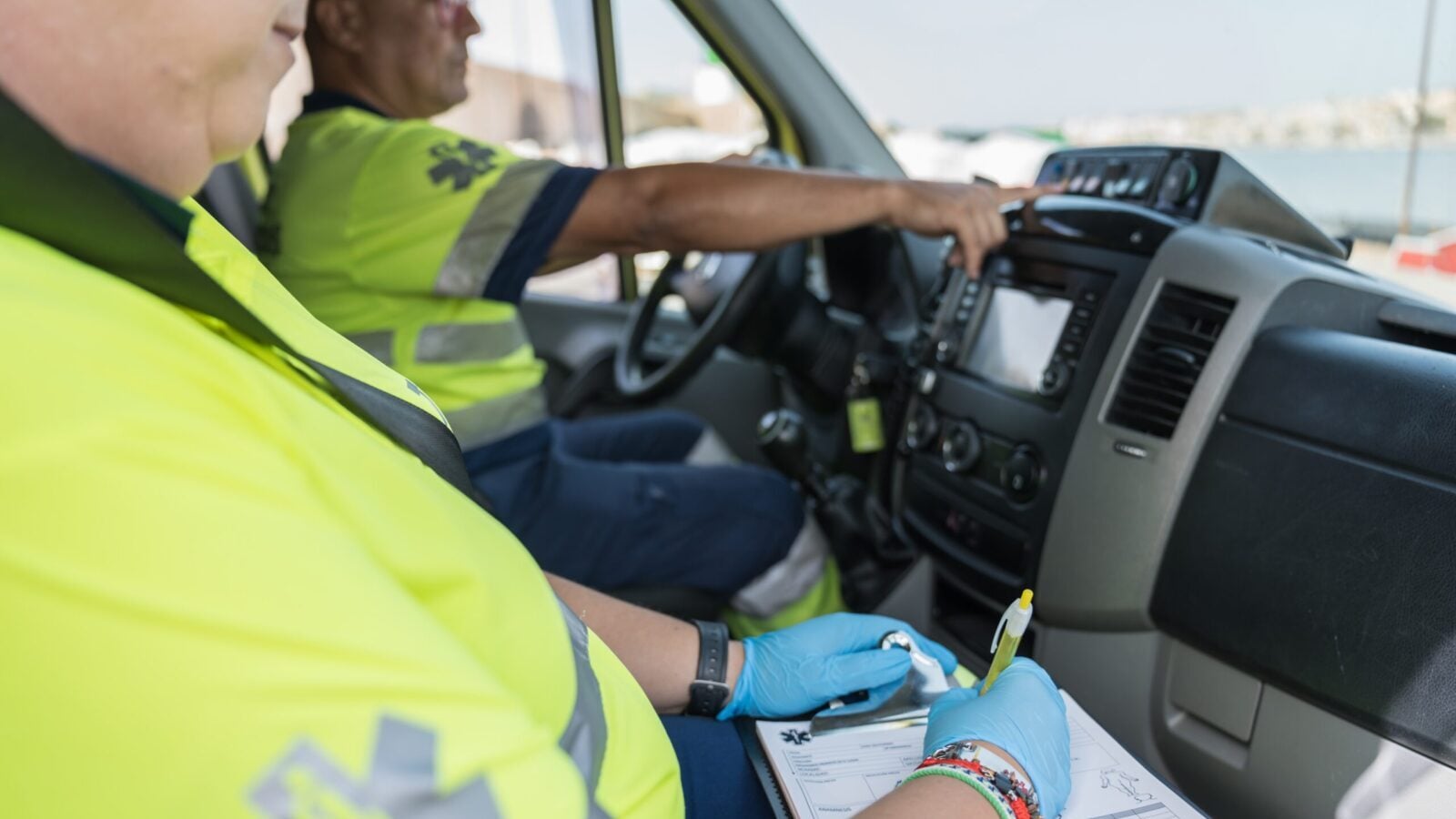
While dashboard cameras and cameras monitoring ambulance crews have been used for years, cameras inside patient compartments remain relatively uncommon.
Supporters argue that the recordings can protect both patients and emergency responders by documenting what happens during medical transports. Video evidence may also help investigate complaints, defend against lawsuits, and document assaults on EMTs or paramedics.
Some ambulance services have also begun experimenting with body-worn cameras, following similar technology already adopted by many police departments and healthcare facilities.
Oregon’s Recording Laws Could Be Key
Legal experts interviewed by The Oregonian say Oregon has some of the country’s stricter laws regarding recordings, particularly when audio is involved.
Martin believed recording patients receiving medical care without their knowledge violated those protections. Attorney Benjamin Barr, who is not involved in the case, told The Oregonian that if the allegations are accurate, recording audio and video inside patient compartments without informing patients could violate Oregon law.
Even if patients are notified, experts say difficult questions remain about whether someone experiencing a medical emergency is in a position to meaningfully consent to being recorded.
Safety Versus Privacy

The lawsuit highlights a debate that extends well beyond one ambulance company. Emergency medical providers face increasing workplace violence, and many believe cameras can provide valuable evidence when incidents occur.
Others argue that patients deserve the highest possible expectation of privacy during some of the most vulnerable moments of their lives. Ambulance patients may be unconscious, seriously injured, partially undressed, or otherwise unable to understand that they are being recorded.
As surveillance technology becomes increasingly common in emergency vehicles, courts and lawmakers may ultimately have to determine where the balance should be struck between protecting healthcare workers and safeguarding patient privacy.
The allegations have yet to be tested in court, and whatever the outcome, the case is likely to be closely watched by ambulance providers, privacy advocates, healthcare professionals, and legal experts across the country.
Do you think cameras should be allowed inside ambulance patient compartments if they help protect EMTs and paramedics, or should patient privacy take priority? Let us know where you stand on the issue.