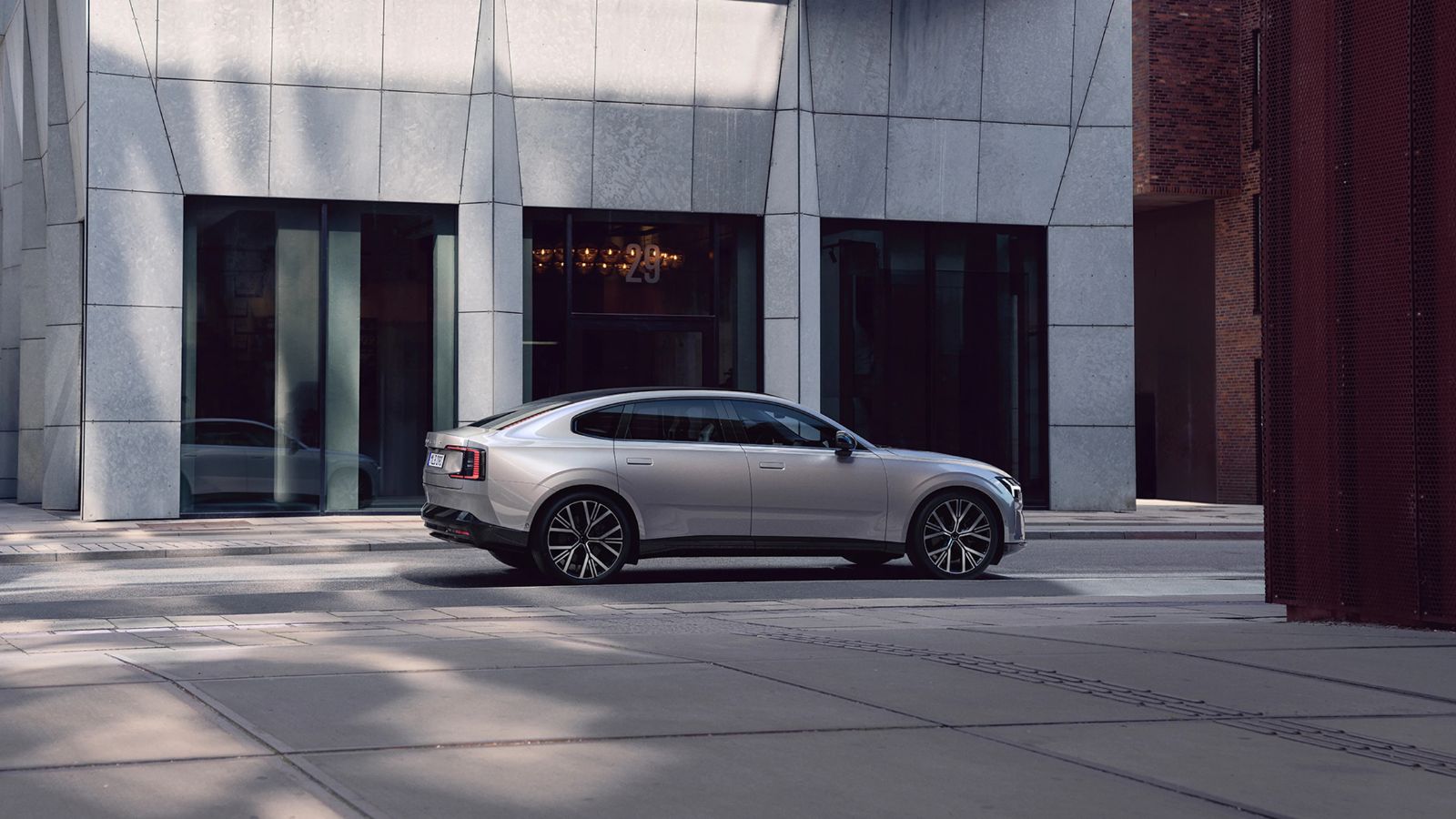
A new report from the Insurance Institute for Highway Safety shows that small cars, muscle cars, and sports cars continue to record some of the highest driver death rates on American roads. The latest analysis examines 2023 models and equivalent earlier vehicles involved in fatal crashes between 2021 and 2024.
The Kia Rio topped the list with 170 driver deaths per million registered vehicle years, followed closely by the Nissan Versa at 164. Several powerful rear-wheel-drive cars, including the Chrysler 300, Dodge Charger HEMI, and Dodge Challenger, also ranked near the top.
At the other end of the table, SUVs dominated the vehicles with the lowest driver death rates. Six models recorded a rate of zero, including the Audi Q7, BMW X7, Chevrolet Tahoe, Mercedes-Benz GLB-Class, Mercedes-Benz GLE-Class, and Toyota Tundra CrewMax.
The findings do not mean every vehicle with a high rate is inherently unsafe or that a zero-rated model guarantees survival in a crash. IIHS emphasizes that vehicle size, driver behavior, mileage, age, road conditions, and crash-avoidance technology can all influence the results.
Small Cars Face a Major Size Disadvantage
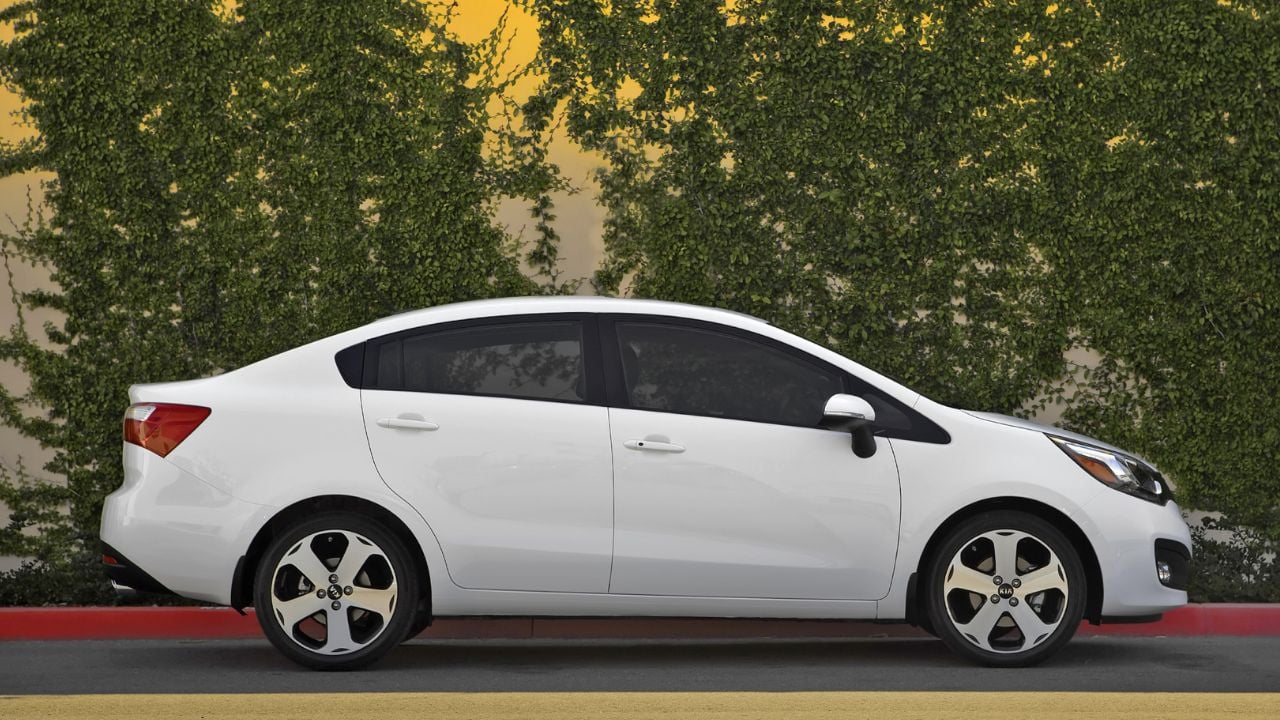
More than half of the 20 models with the highest driver death rates were small cars, sports cars, or muscle cars. IIHS President David Harkey said even well-designed small vehicles remain vulnerable when they collide with large pickups and heavy SUVs.
Minicars recorded an average driver death rate of 158 per million registered vehicle years, the highest of any category in the study. Small cars averaged 79, while the overall rate across all vehicle types was 37.
The Kia Rio and Nissan Versa occupied the top two positions, while the Kia Forte, Subaru Impreza, Nissan Sentra, and Nissan Kicks also appeared among the 20 highest-rated models. Their relatively low mass leaves occupants at a disadvantage in crashes involving much heavier vehicles.
Muscle Cars and Sports Cars Also Rank Poorly
Performance-oriented cars made up another significant portion of the highest-risk group. The Chrysler 300 two-wheel-drive recorded 132 driver deaths per million registered vehicle years, while the Dodge Charger HEMI and Dodge Challenger posted rates of 127 and 125.
The standard two-wheel-drive Charger recorded a rate of 90, followed by the Chevrolet Camaro at 88 and Chevrolet Corvette at 82. IIHS argues that powerful engines and marketing aimed at performance-minded buyers can encourage riskier driving behavior.
That distinction matters because real-world death rates measure the combined effects of vehicle design and how owners actually use their cars. A model can perform well in controlled crash testing and still post a high fatality rate if it is frequently driven at excessive speeds or in aggressive conditions.
Large SUVs Offer Strong Occupant Protection

Eighteen of the 20 models with the lowest driver death rates were SUVs, with luxury models particularly well represented. Vehicles such as the Porsche Macan, BMW X5, Porsche Cayenne, Volvo XC60, and Volvo XC90 all recorded rates in the single digits.
Larger vehicles generally provide more crash structure and create a greater physical buffer around occupants. Many luxury SUVs also include advanced driver-assistance systems and newer safety technology that may help prevent collisions or reduce their severity.
IIHS cautions that demographics and driving habits likely contribute as well. Buyers of expensive luxury vehicles may drive differently, cover fewer high-risk miles, or have more experience than drivers choosing cheaper entry-level models.
The Safest Vehicle for You May Be Dangerous to Others
The report also measured other-driver death rates, which track fatalities in vehicles struck by each model. Heavy pickups performed poorly in this category, with the Ram 3500 crew cab long bed four-wheel-drive leading the list at 204 deaths per million registered vehicle years.
Ten of the 20 vehicles with the highest other-driver death rates were large or very large pickups. The Chevrolet Silverado 3500, Ram 2500, GMC Sierra 2500, and several Ram 1500 configurations all appeared near the top.
Large cars were also prominent, particularly the Dodge Charger HEMI at 161 and the standard Charger at 136. The Chevrolet Camaro and Malibu appeared on both the high driver-death and high other-driver-death lists, showing that performance, mass, and driver behavior can create risk on both sides of a collision.
Why These Numbers Need Context
The rates are calculated using deaths per million registered vehicle years, with fatality data taken from the federal Fatality Analysis Reporting System. IIHS adjusts the figures for driver age and gender, but not for mileage, speed, experience, income, road type, or daily driving habits.
Only vehicles with at least 100,000 registered vehicle years of exposure or at least 20 deaths were included. Earlier model years were grouped with 2023 vehicles when their designs and safety features had not changed substantially.
That makes the report useful for identifying broad patterns, but individual model estimates can be influenced by relatively small sample sizes. IIHS recommends treating vehicle-class averages as more reliable than assuming one specific model is automatically safe or dangerous.
Driving Behavior Still Matters Most
Image Credit: Ford.
Vehicle weight, crashworthiness, and effective collision-avoidance systems clearly influence survival rates. The report also reinforces that the person behind the wheel remains a major part of the equation.
A large SUV may provide better protection in a serious crash, while a smaller or more powerful car can demand greater restraint and awareness from its driver. No amount of engineering can completely overcome excessive speed, distraction, impairment, or aggressive driving.
Do any of the vehicles on the highest or lowest death-rate lists surprise you? Let us know whether these findings would influence what you choose for your next daily driver.