
Tesla’s Cybertruck was once hailed as a game-changing electric pickup that would redefine the automotive market. Years after its highly anticipated unveiling, however, the vehicle is now attracting less attention for its bold design and more for its disappointing sales performance.
A recent Bloomberg report suggests the Cybertruck risks becoming the electric vehicle era’s equivalent of the Ford Edsel – the infamous car widely remembered as one of the biggest commercial failures in automotive history.
Bloomberg’s comparison centres on the gap between Tesla’s ambitious production goals and the Cybertruck’s actual market performance, raising questions about whether the vehicle can still deliver on its early promise.
Sales Have Fallen Well Below Tesla’s Ambitions

When Tesla first revealed the Cybertruck in 2019, CEO Elon Musk predicted annual production could eventually exceed 250,000 units, with even higher volumes possible depending on demand. Initial interest was enormous, but the reality has proved very different.
According to figures highlighted by Supercar Blondie, the Cybertruck sold just under 40,000 units in its first full year, far below Tesla’s annual target. Sales have continued to weaken, with around 7,100 vehicles registered so far this year, reinforcing concerns that demand has cooled significantly after launch.
Supercar Blondie also noted claims that some registrations were supported by purchases from Musk’s own companies, including SpaceX.
A Bold Design That Divides Opinion
The Cybertruck’s stainless-steel exterior and sharp-edged styling have made it one of the most recognizable vehicles on the road. Supporters see it as a bold departure from conventional pickup design, while critics argue its unconventional appearance has limited its mainstream appeal.
The vehicle has also faced recalls and production challenges since deliveries began, adding to the hurdles Tesla has encountered while trying to scale production and maintain consumer confidence. Combined with its premium pricing, those issues have contributed to slower-than-expected sales.
Can Tesla Avoid Becoming Another Edsel?
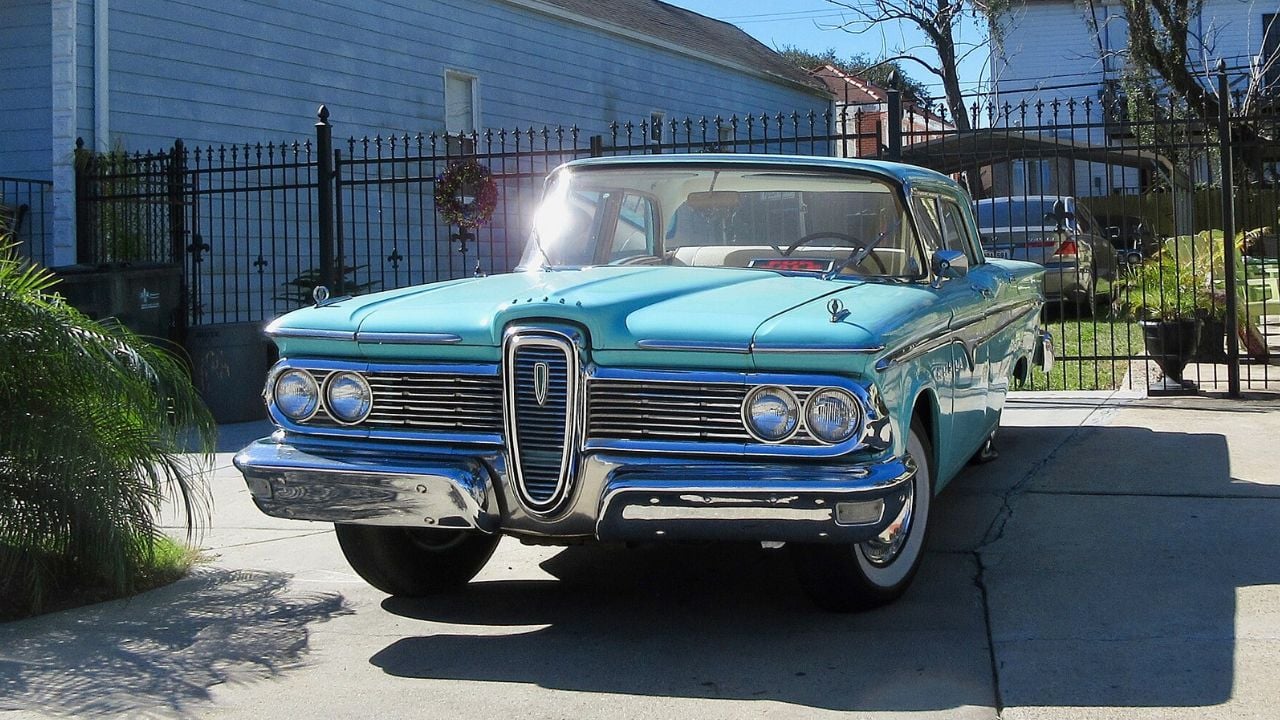
The Ford Edsel was launched in 1957 with expectations of selling 200,000 vehicles in its first year, but it achieved less than one-third of that figure before becoming one of the automotive industry’s best-known commercial failures.
Bloomberg argues the Cybertruck’s shortfall against Tesla’s own sales ambitions is even greater, prompting comparisons with the Edsel’s troubled legacy.
Despite the criticism, it remains too early to write off the Cybertruck completely. Tesla has repeatedly refined its vehicles through software updates, engineering improvements and pricing adjustments, and future revisions could help revive demand.
Whether the Cybertruck ultimately becomes a collector’s curiosity or overcomes its disappointing start remains uncertain, but Bloomberg’s comparison with the Ford Edsel has undoubtedly reignited debate over one of the EV industry’s most ambitious launches.