If you have spent any time scrolling social media lately, you have probably seen a version of this story: a tearful kid claims he is being bullied for a hobby, and asks the internet to prove the haters wrong by buying what he makes. It is a formula that works because it taps into something real, most of us want to root for the underdog.
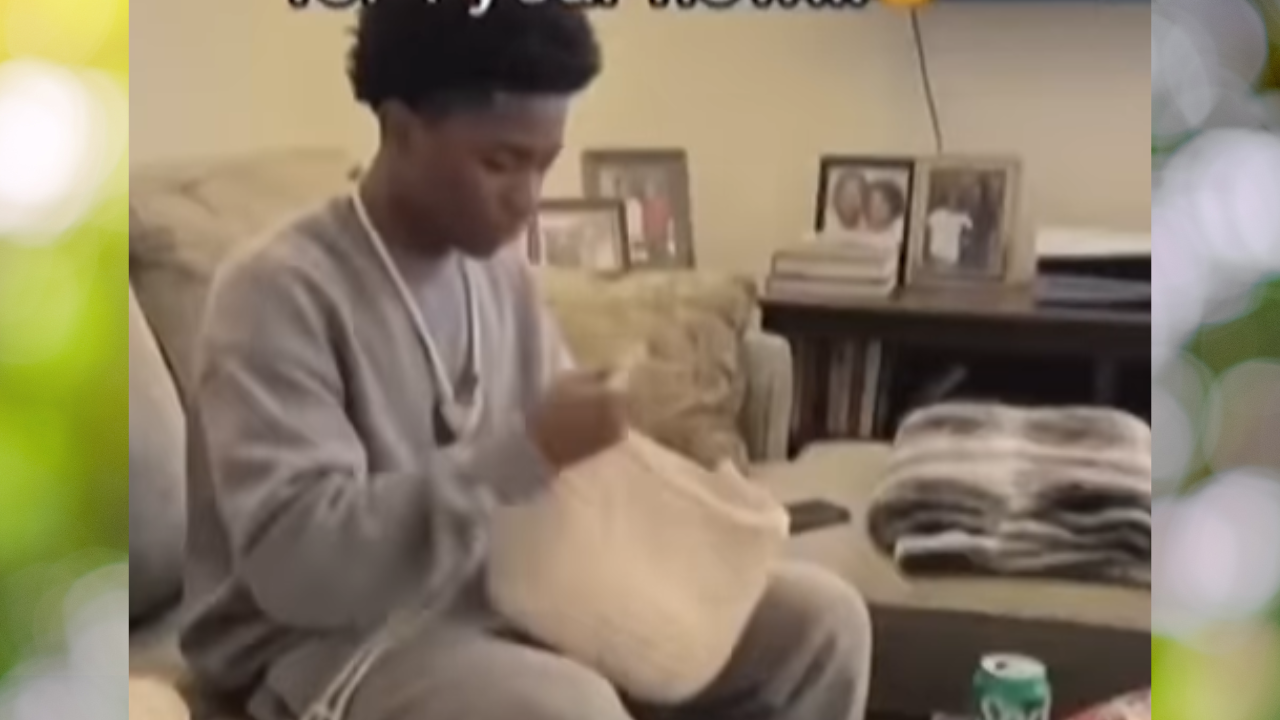
But a viral account claiming to be a young man named Jaden Knott (which appears to be deleted on TikTok) selling crocheted handbags while fighting back tears on camera, turned out to be something else entirely: an AI-generated persona built to separate well-meaning shoppers from their money.
The videos, which racked up nearly 9 million views on Facebook, showed “Jaden” pleading through tears that people were mocking him for crocheting bags he sells online. Commenters flooded in with support, and plenty of them backed it up with cash. One woman told NBC News she spent $50 believing she was helping a bullied kid find his footing. Another said she was out nearly $100. It is the kind of story that hits you right in the chest, which is exactly the problem.
Cybersecurity expert Yoav Keren flagged the videos as likely AI-generated after noticing blurry, garbled text in parts of the clips, a common tell when synthetic video tools are stretched past their limits. The account claimed to be based in Washington, D.C., but the page manager was traced to Lithuania. Nobody responded when reporters reached out for comment, which tends to happen when the person you are trying to reach does not actually exist.
Making matters worse, a real 19-year-old crocheter who went viral for making her own prom dress said her genuine videos were lifted and repackaged under a copycat account using a similar name. She managed to get Instagram to pull the impersonating content down after reporting it as fraud, but says TikTok initially cleared the account with no action taken. TikTok later told NBC News both accounts have since been removed.
How These Scams Actually Work
These setups lean on AI video and voice tools to generate a sympathetic face, a shaky voice, and a sob story, then pair it with a legitimate-looking storefront. The FBI says scams using AI to solicit money have cost consumers nearly $893 million, and stories like this one explain why the number keeps climbing.
The tears feel real. The product photos look real. The only thing missing is an actual person behind the account.
Why It’s Getting Harder to Spot
Keren pointed out that catching AI-generated content with the naked eye is getting tougher, especially on a phone screen where compression already blurs fine detail. A few years ago, giveaway signs like extra fingers or waxy skin were easy tells.
Now the tells are smaller: a flicker in the text on a product tag, a voice that trails off slightly wrong, a location that does not match the account’s “about” page.
Said one concerned viewer: “This AI stuff is so worrisome.”
Another added: “Influencers have been scamming people this way since the invention of TikTok. The only difference with this is that AI is stealing their gig now.”
Our Take
We will admit it, a crying kid with a craft table is a tough thing to scroll past without wanting to help. That is exactly why this scam worked as well as it did.
Our advice is the boring but reliable kind: before you send money to a stranger’s sob story online, take thirty seconds to check where the account is actually based, whether the “creator” shows up anywhere else, and whether the comments feel like real people or a script.
It will not ruin your day. It might save your wallet.