Most people don’t think about armored vehicles when they picture a wildland fire response. Brush trucks, engines, maybe a helicopter dropping water. That changed in a hurry on June 29, 2025, when a small brush fire call near Coeur d’Alene, Idaho, turned into an ambush that left two battalion chiefs dead and a third firefighter critically wounded. The vehicle that ended up saving the most lives that day wasn’t a fire engine at all. It was a Bearcat armored rescue vehicle, and the story behind why it was needed is worth understanding.
Battalion Chiefs John Morrison and Frank Harwood, along with Engineer David Tisdale, responded to what looked like a routine brush fire in the upper parking lot of Canfield Mountain. They found 20-year-old Wes Roelly standing next to his pickup truck and asked him to move it so crews could reach the fire. He agreed, then instead put on tactical gear and opened fire on all three men from concealed brush. Tisdale, despite being shot through the back with a rifle round that collapsed a lung and broke his collarbone, radioed a warning that kept a second wave of arriving crews from walking straight into the kill zone.
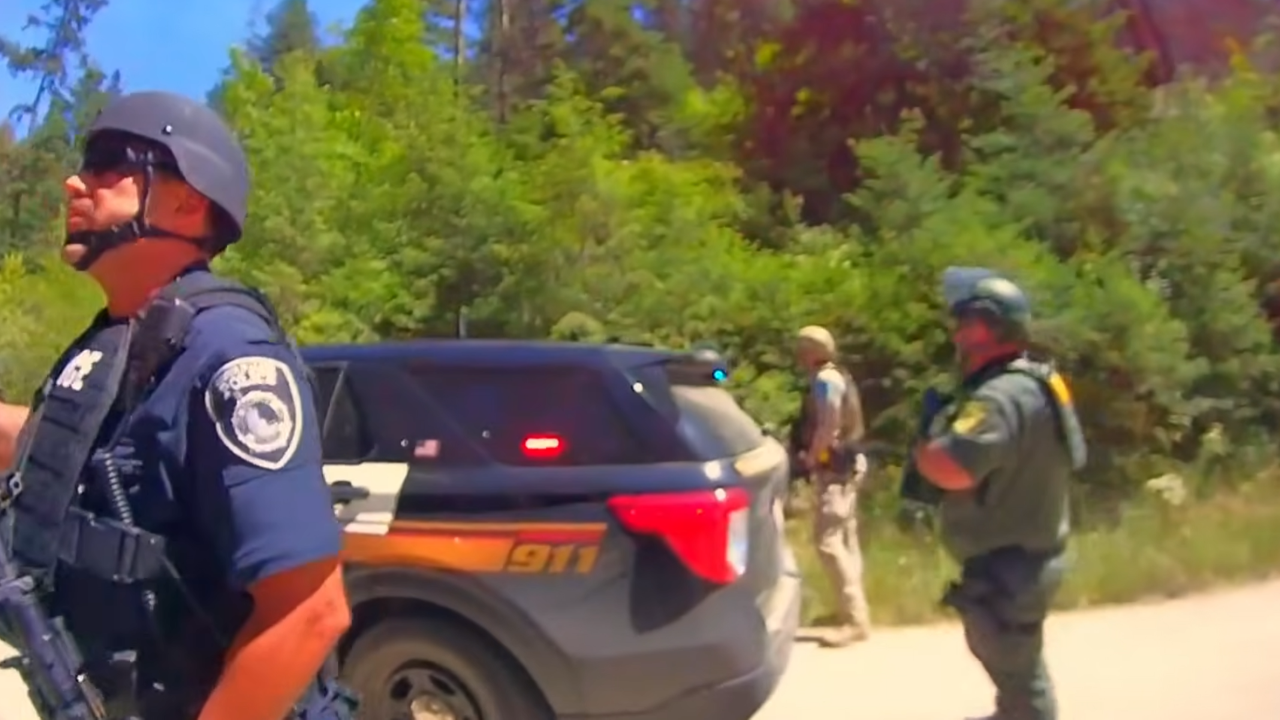
What followed was hours of chaos, with law enforcement unsure how many shooters were in the area, unable to safely reach the wounded, and pinned down by rifle fire from higher ground. Dispatch audio captured officers repeatedly calling for the department’s armored Bearcat, since regular patrol cars offered no real protection against a high-powered rifle.
Why the Bearcat Mattered
An armored rescue vehicle like the Bearcat is built to shrug off small arms fire, which made it the only realistic way to get close enough to pull wounded firefighters out without adding more casualties. The first push into the upper lot drew immediate gunfire, and the vehicle still managed to bring out surviving crew members, including Tisdale, down to waiting medics.
A second run was needed to reach the battalion chiefs and confirm no one else was trapped.
A Standoff Measured in Hours, Not Minutes
Officers eventually identified Roelly as the shooter and were able to legally track his phone, but the signal stopped moving. Nearly five hours after the ambush began, a drone finally located him dead from a self-inflicted gunshot in the brush, the same shotgun used in the attack found beside him.
Investigators later determined he had intentionally set the brush fire using jars of accelerant, and the resulting blaze grew to 26 acres before crews got it under control.
Recognition for an Unprecedented Response
Tisdale retired after 24 years of service and is still working through rehabilitation. He and firefighter Fritz Weedenhof both received the Medal of Honor for their radio warnings during the ambush, and three Kenai County Sheriff’s deputies received the Attorney General’s Medal of Honor for improvising a rescue plan under fire.
Morrison, with more than 28 years at Coeur d’Alene Fire, and Harwood, with 17 years at Kootenai County Fire and Rescue, were killed in the line of duty.
Said one angry comment on a recent video recapping the tragedy: “It takes one hell of a coward to ambush an unarmed first responder.”