Baltimore has agreed to pay $400,000 to a man who was run over by a police cruiser as a teenager, closing out a years-long legal fight that raised hard questions about how officers handle vehicle pursuits involving suspects on foot. The city’s Board of Estimates unanimously approved the settlement this week, putting an end to a case that had been working through the courts since last December.
The incident dates back to June 14, 2021, when officers responded to a reported armed carjacking of a Pizza Boli’s delivery vehicle in West Baltimore. Devonte Jett, then 16, was allegedly seen driving the stolen car before abandoning it a few blocks away. When an officer confronted him on foot and drew a firearm, Jett ran. What happened next left him with a collapsed lung and pelvis injuries, and according to his lawsuit, no memory of the moment of impact.
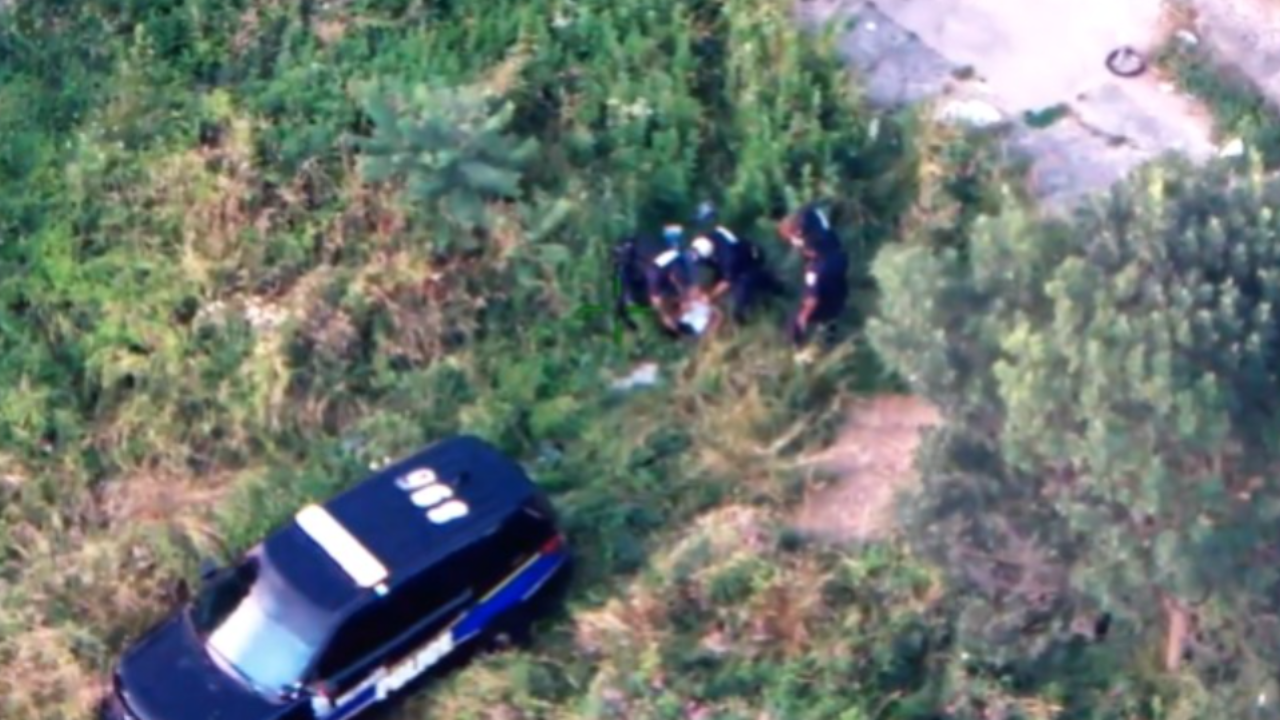
Aerial footage captured by a police helicopter, along with body camera video, documented much of what followed as Jett fled into an alley near Arlington Avenue. A second officer, identified in the lawsuit as Sgt. Steven Reed, drove a marked Ford Explorer into the alley and struck Jett with both passenger-side tires, knocking him unconscious.
This case touches on a lot of familiar territory for anyone who follows vehicle pursuit policy: when a cruiser can be used as a form of force, what training officers are required to complete before engaging in pursuits, and how departments handle disciplinary cases once the dust settles. Here’s a closer look at how it played out.
What the Lawsuit Alleged
The lawsuit charged Reed with “maliciously, intentionally, grossly negligently or negligently” running his SUV directly over the teenager from behind.
Jett’s attorneys, Cary Hansel and Kristen Mack, argued that officers handcuffed the unconscious teen without waiting for medical help, and that an initial search turned up no weapon. About fifteen minutes later, a separate officer reported finding a BB gun in Jett’s pants, near his ankle. The lawsuit disputes this, noting that available footage shows Jett wearing tight jeans and socks pulled up to his calf, with nothing visible in the video.
The lawsuit also pointed out that Sgt. Reed had never completed the department’s required Emergency Vehicle Operation Course. Baltimore’s own pursuit policy states that officers should operate vehicles with the utmost care and that no one should be disciplined for choosing not to pursue a suspect when the risk outweighs the benefit.
The City’s Response
City lawyers didn’t dispute the facts as laid out, but argued the case didn’t establish a broader pattern of excessive force by the department. City Solicitor Ebony Thompson ultimately settled to avoid the cost and uncertainty of continued litigation. None of the officers involved, Reed, Butt, or Jones, have been terminated.
Reed has been suspended with pay since January 2025, though for an unrelated matter, while the other two remain on active duty.
A Pattern Worth Watching
Jett’s legal team pointed to other cases involving BPD vehicles, including the death of Freddie Gray in 2015 and a separate 2025 incident where a cruiser nearly struck a fleeing man before crashing into a yard. That case led to attempted murder charges against the officer involved, with a trial set for August. It’s worth noting Jett himself later pleaded guilty to a misdemeanor drug charge tied to the arrest and received a suspended sentence.
For a department already sitting on hundreds of open disciplinary cases, this settlement adds another data point to a conversation that isn’t going away anytime soon, particularly around how vehicle pursuits are trained for and reviewed after the fact.