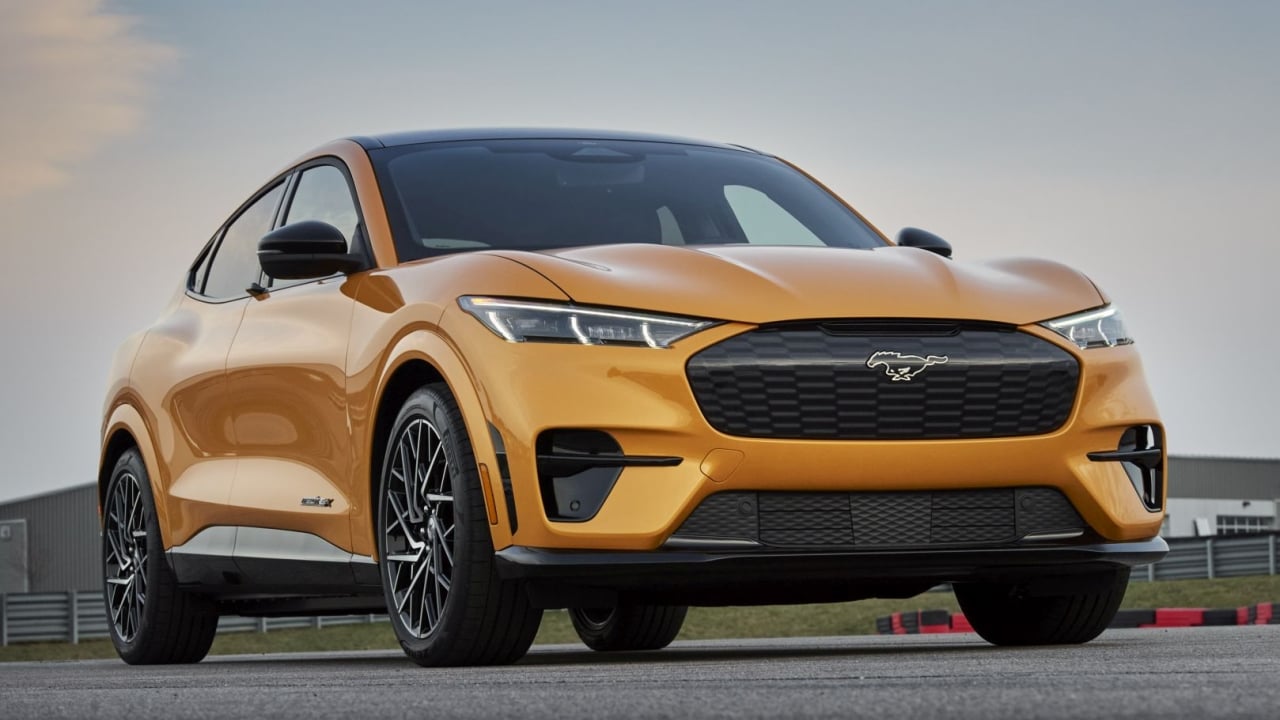
The Ford Mustang Mach-E earned a reputation as one of the best electric vehicle bargains in America over the past year. Aggressive financing offers, heavily subsidized lease deals, and home charging incentives made Ford’s electric crossover an easy recommendation for buyers looking to switch to an EV.
That value proposition has changed dramatically with the arrival of the 2026 model year. According to an analysis by CarsDirect, the generous incentives that helped drive Mach-E sales have largely disappeared now that 2025 inventory has been exhausted.
While the vehicle itself remains largely unchanged, financing and lease costs have climbed enough to make the latest model significantly more expensive to own.
For shoppers considering a new Mach-E today, waiting for stronger incentives could prove to be the smarter financial move.
Financing Costs Have Increased Sharply
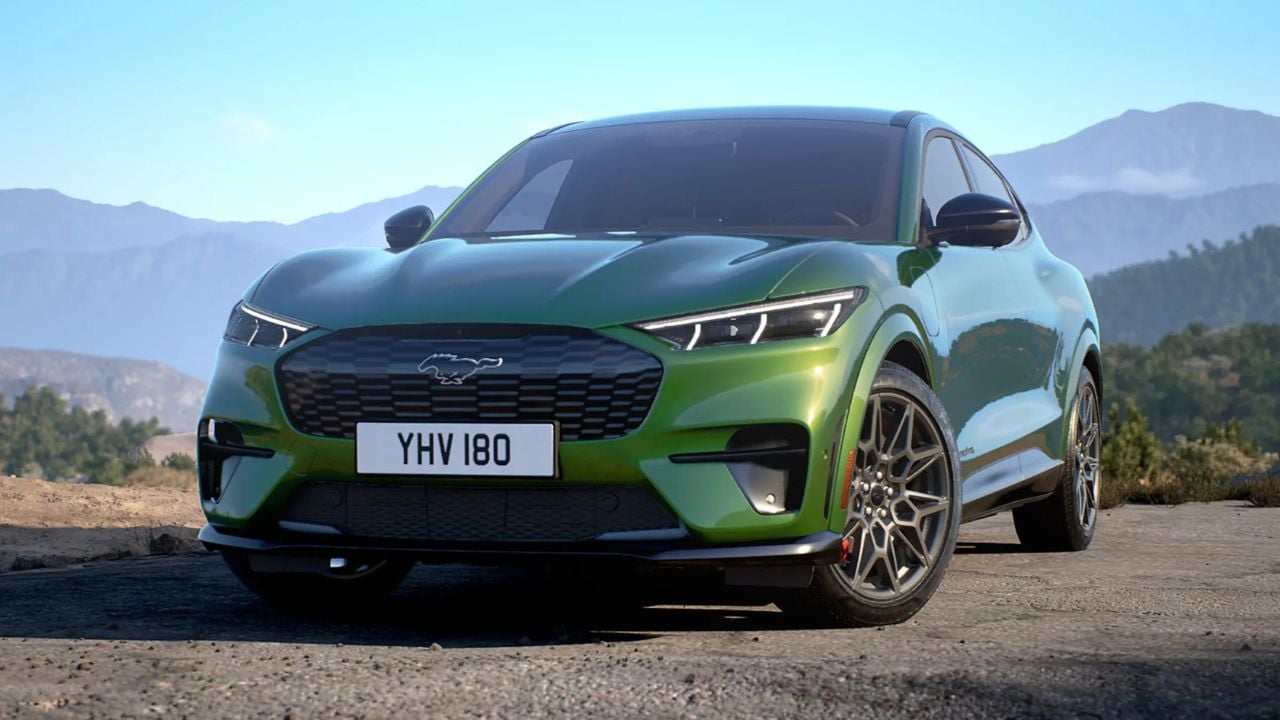
The biggest change comes from Ford’s financing offers. The 2026 Mustang Mach-E now carries promotional financing starting at 2.9% APR for 36 months. Buyers choosing longer loan terms face rates ranging from 3.9% for 48 months to as much as 6.9% over 84 months.
Ford still offers up to $3,000 in customer incentives, although buyers must forgo the complimentary home charging station to receive the full discount.
Those offers look far less attractive than the incentives attached to the outgoing 2025 model. Before inventory disappeared, buyers could finance a Mach-E for 60 months at 0% interest, with rates remaining below 2% even on longer loan terms. Combined with Ford’s Employee Pricing for All promotion, the savings made the electric crossover one of the strongest EV deals on the market.
CarsDirect estimates that financing a $45,000 Mustang Mach-E could cost buyers nearly $5,500 more with the 2026 model simply because of today’s higher interest rates.
Leasing Isn’t The Bargain It Used To Be
Lease customers are also seeing substantially higher monthly costs. The outgoing 2025 Mustang Mach-E Select was advertised at $257 per month with upfront costs that translated to an effective payment of roughly $354 per month.
The equivalent 2026 model now carries a published lease payment of $390 per month with higher money due at signing. After factoring in those upfront costs, CarsDirect calculates an effective monthly cost of approximately $508.
That represents an increase of almost 44% compared to the previous model year. While lease incentives continue to vary by region and dealer inventory, the gap illustrates how quickly the Mach-E’s value proposition has shifted.
Competition Is Becoming Tougher
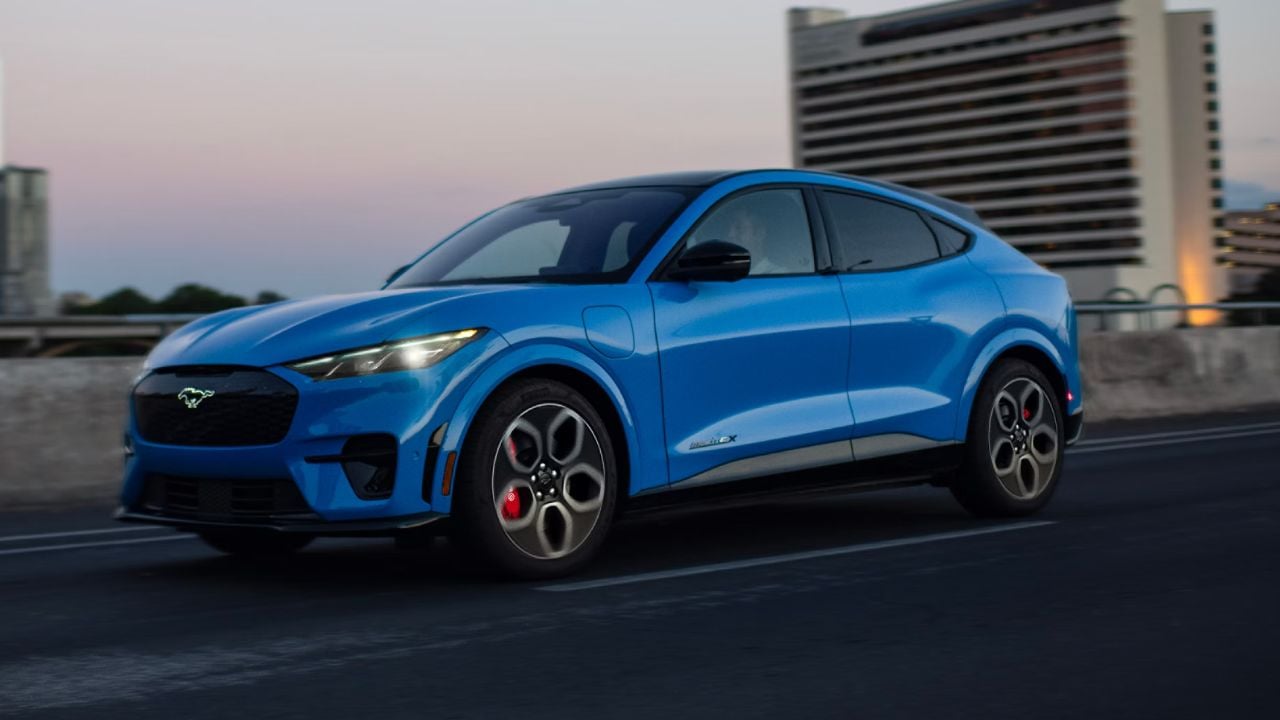
The timing is particularly challenging because the electric crossover segment has become increasingly competitive. Although the Mach-E remains less expensive to lease than some versions of the Tesla Model Y, several rivals now offer more attractive monthly payments.
Vehicles such as the Kia EV6 and Hyundai Ioniq 5 currently present stronger lease values in many markets, giving shoppers more options than ever before.
Ford also introduced price reductions on certain 2026 trims, but those cuts have been accompanied by feature changes. One notable example is that the front trunk, or “frunk,” is no longer included as standard equipment on some versions.
Questions About What’s Next
The incentive changes also arrive as Ford prepares its next generation of electric vehicles. The company has confirmed that its new Universal EV Platform, designed to underpin a new family of affordable electric models, will not be used for the current Mustang Mach-E. Instead, that architecture is expected to debut beneath a midsize electric pickup targeting a starting price of around $30,000.
That leaves the Mach-E continuing on its existing GE1 platform, which first entered production in 2021. A complete redesign is not expected until later in the decade.
The Mustang Mach-E remains an important part of Ford’s electric vehicle lineup and continues to offer competitive range, performance, and technology. However, much of its appeal over the past year came from exceptional financing and lease offers rather than hardware alone.
Until stronger incentives return, buyers may find that the once easy-to-recommend electric crossover is no longer the standout bargain it was only a few months ago.