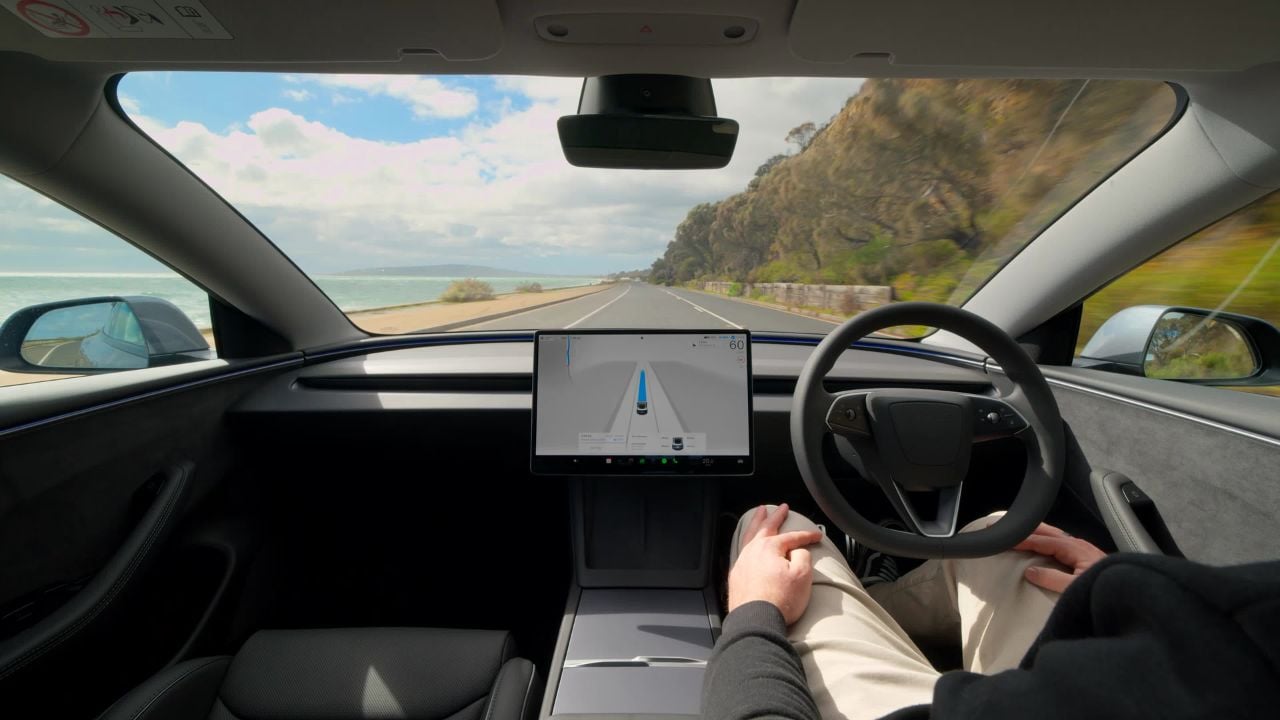
Tesla is facing another legal challenge over its long-running promises surrounding Full Self-Driving technology. A newly filed proposed class action lawsuit alleges that millions of dollars’ worth of Tesla vehicles were marketed as having the hardware necessary for future autonomous driving, despite allegedly lacking the capability to ever reach that goal.
Filed in federal court, the lawsuit targets Tesla, Tesla Finance, and Tesla Lease Trust, arguing that the company misled buyers who paid extra for Full Self-Driving (FSD) packages or subscriptions. The complaint focuses on vehicles equipped with Tesla Hardware 1, 2, 2.5, and 3, claiming those systems cannot deliver the autonomous capabilities Tesla repeatedly promised over the past decade.
It is important to note that these are allegations contained in a proposed class action lawsuit. Tesla has not been found liable, and the claims have not been proven in court.
The case also comes as Tesla continues deploying newer Hardware 4 systems in its latest vehicles while expanding its robotaxi ambitions.
Plaintiffs Challenge Years Of Marketing Claims
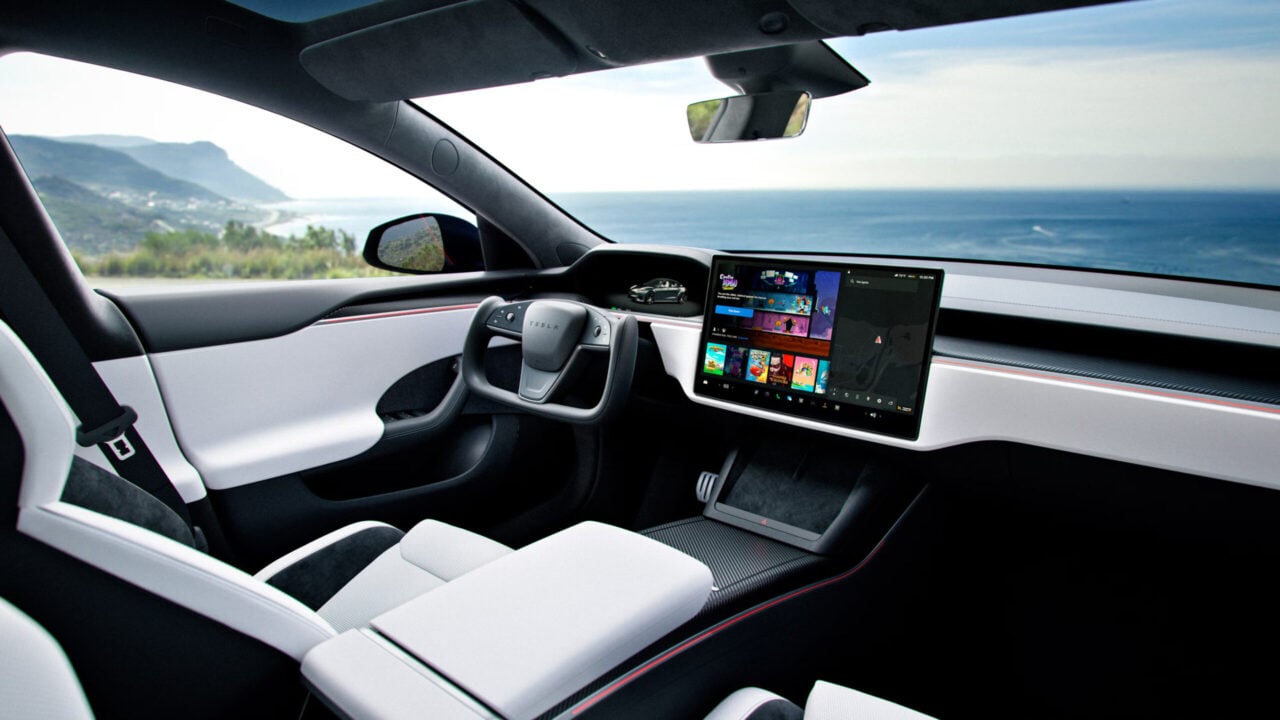
According to the complaint, Tesla has promoted since 2016 that all newly built vehicles contained the hardware necessary to eventually achieve fully autonomous driving through future software updates.
The lawsuit argues that those representations encouraged customers to purchase the optional Full Self-Driving package, which has cost buyers as much as $15,000 in addition to the vehicle purchase price.
Plaintiffs claim the hardware installed in earlier vehicles never possessed the computing capability required to achieve the level of autonomy Tesla described. Instead, the complaint alleges the systems remain limited to advanced driver-assistance functions that still require constant human supervision.
The filing points to numerous public statements made over several years suggesting that software updates alone would unlock fully autonomous capability, including predictions of coast-to-coast autonomous driving and widespread robotaxi operation.
Hardware 3 At The Center Of The Case
A major focus of the lawsuit is Tesla’s transition to newer Hardware 4, introduced in 2023. According to the complaint, Tesla continued suggesting that earlier hardware generations would eventually support unsupervised driving before later acknowledging that Hardware 3 would not be capable of achieving that objective.
The lawsuit cites public comments made in 2025 and 2026 in which CEO Elon Musk stated that Hardware 3 would not be capable of delivering unsupervised Full Self-Driving. Plaintiffs argue those statements directly contradict years of earlier marketing that assured buyers their vehicles already contained everything necessary for future autonomous operation.
The complaint also references the Society of Automotive Engineers’ (SAE) automation classifications. It argues Tesla’s systems have remained at SAE Level 2, where drivers must continuously monitor the vehicle, even though Tesla allegedly suggested its vehicles were on a path toward Level 4 or Level 5 autonomy through software updates alone.
What The Plaintiffs Are Seeking

The proposed class seeks to include U.S. owners and lessees, excluding California residents, who purchased or leased Tesla vehicles equipped with Hardware 1, 2, 2.5, or 3 and separately paid for the Full Self-Driving package or subscription after May 19, 2017. Eligibility would also depend on whether owners opted out of Tesla’s arbitration agreement.
In addition to seeking financial compensation for the cost of the FSD package, the complaint references safety concerns involving crashes in which Tesla’s driver-assistance systems allegedly failed to recognize hazards. The plaintiffs argue consumers paid a premium based on expectations created by Tesla’s marketing that ultimately could not be fulfilled with the hardware installed in their vehicles.
The lawsuit now begins what could be a lengthy legal process. Tesla has not yet responded publicly to the specific allegations contained in the complaint, and the court will ultimately determine whether the case proceeds as a certified class action and whether the plaintiffs’ claims have legal merit.
Regardless of the outcome, the case highlights one of the most closely watched questions in the automotive industry: when companies market vehicles as “future-proof” through software updates, what happens if the hardware itself ultimately proves unable to deliver the promised technology?