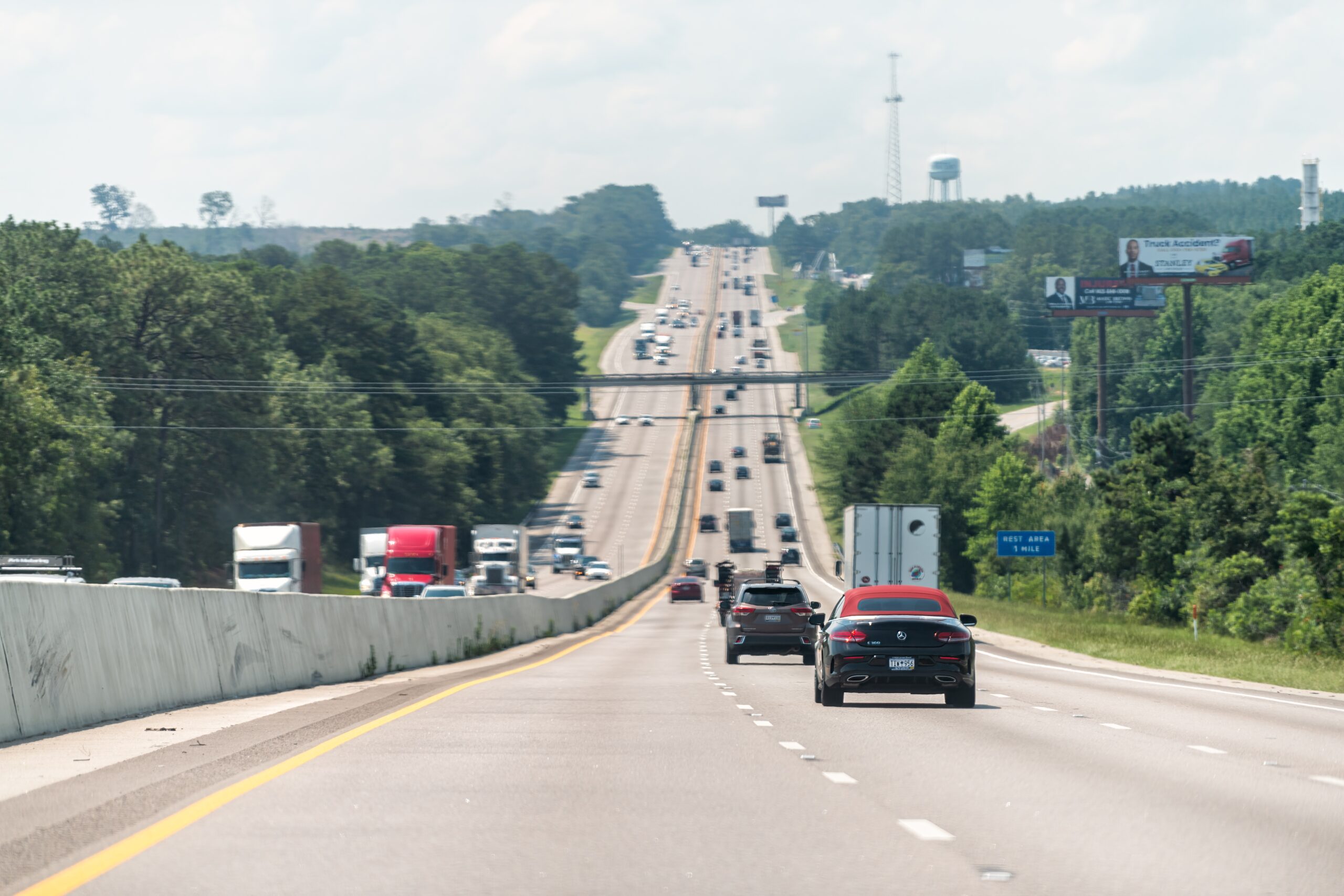
Not humans, not AI. Algorithms will now decide when and how you merge into a lane in California, thanks to a $33 million “smart freeway” pilot project that aims to save commute time.
Traffic has been getting more intense on freeways, and any solution to reduce travel time must be welcome, especially if it claims to save a significant amount of time.
Technology has been solving many problems, so it can definitely solve something as simple as improving the flow of traffic without disruptions.
However, there is a small catch. The technology in question features a maximum wait time of four minutes on the freeway ramp. But won’t that add to the delay rather than save time? Well, supporters claim it still saves travel time, but conditions apply.
Temecula Is Trying Something Different With Algorithms
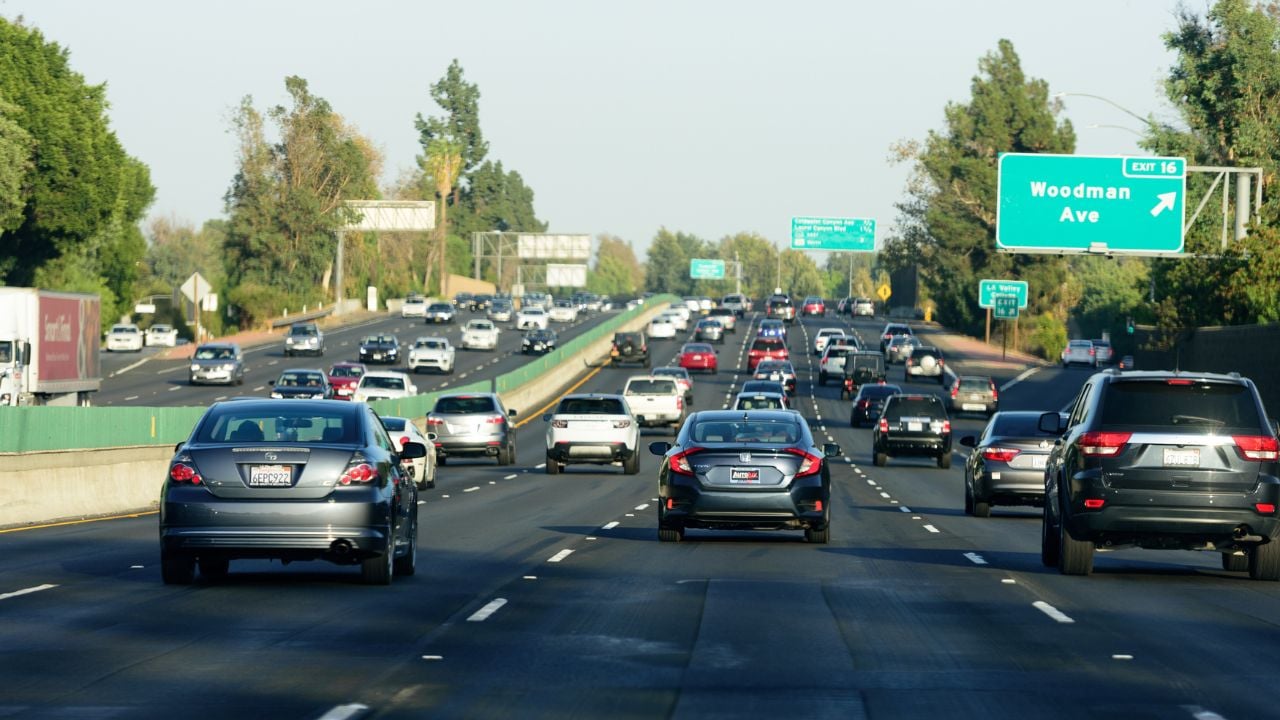
According to a report by Carscoops, the 8-mile stretch of Interstate 15, which runs from Temecula to Murrieta, has been designated as a smart freeway by transportation officials.
Instead of widening the road, which would eventually get clogged by vehicles again when people purchase more cars, the state has been using sensors, coordinated ramp meters, and algorithms to decide how vehicles enter the freeway.
This two-year pilot project, which costs $33 million, will expand to Riverside County and other locations across the state, in collaboration with the California Department of Transportation.
However, the four-minute wait time on the freeway ramp can be a letdown for many, leading some to question whether the system in place actually saves time.
How Does the Smart Freeway Pilot Work?
The system does not release vehicles in batches onto the freeway. Instead, ramp meters on Temecula Parkway, Rancho California Road, and Winchester Road work in perfect harmony as sensors keep tabs on real-time traffic conditions while the algorithms decide when and how many vehicles enter the freeway.
Not only that, but digital signs on the smart freeway also display ideal speeds to ensure a smooth traffic flow and prevent unnecessary blockages that slow down traffic momentum.
Distancing itself from AI, the agency called RCTC has emphasized that the system relies on pre-programmed traffic-management technology and not artificial intelligence.
RCTC spokesman David Knudsen said that the system aims to prevent multiple stops on the freeway by ensuring smooth, consistent traffic flow. He said:
“The intent is to create a consistent flow of traffic on the freeway system, and the coordinated ramp metering among the three on-ramps … will help do that.
“If we can manage that, then we can help prevent that stop-and-go traffic frustration that so many people feel on the freeway.”
Has It Been Tried and Tested?
The report by Carscoops mentions that the technology is already in use in Denver and has become part of a normal routine for motorists, but it is difficult to ascertain whether the technology saves any time and, if so, how much.
However, the report still says the smart freeway tech saves around 20% of travel time, so if a commute takes 40 minutes, travel time would reduce to around 32 minutes. But it has not been mentioned whether that is after accounting for the wait time.
Drivers in Australia experience a time reduction ranging from 35% to 65%. The time savings depend entirely on the route and the frequency of traffic. But the fact that the technology saves time and claims to enhance safety is definitely a good point to start with.