Chinese EV giant BYD has officially landed on a U.S. military blacklist after the Pentagon accused the company of links to China’s defense sector. The move marks another major escalation in the growing technological and automotive rivalry between Washington and Beijing.
The updated list, released by the U.S. Department of Defense, also includes several major Chinese technology companies such as Alibaba, Baidu, NIO, robotics firm Unitree, and battery suppliers tied to China’s industrial expansion. While the designation does not immediately impose sanctions, it sends a powerful signal about how the United States now views China’s automotive and tech industries.
For the auto industry, BYD’s inclusion may be the most significant development. The company has rapidly become one of the world’s largest EV manufacturers and is increasingly viewed as a direct threat to established automakers across Europe, Asia, and eventually North America.
The decision also highlights how modern cars are no longer viewed simply as transportation devices. Governments increasingly see connected vehicles as rolling data collection platforms capable of gathering location information, infrastructure mapping data, camera footage, and user behavior patterns.
Why The Pentagon Added BYD To The List
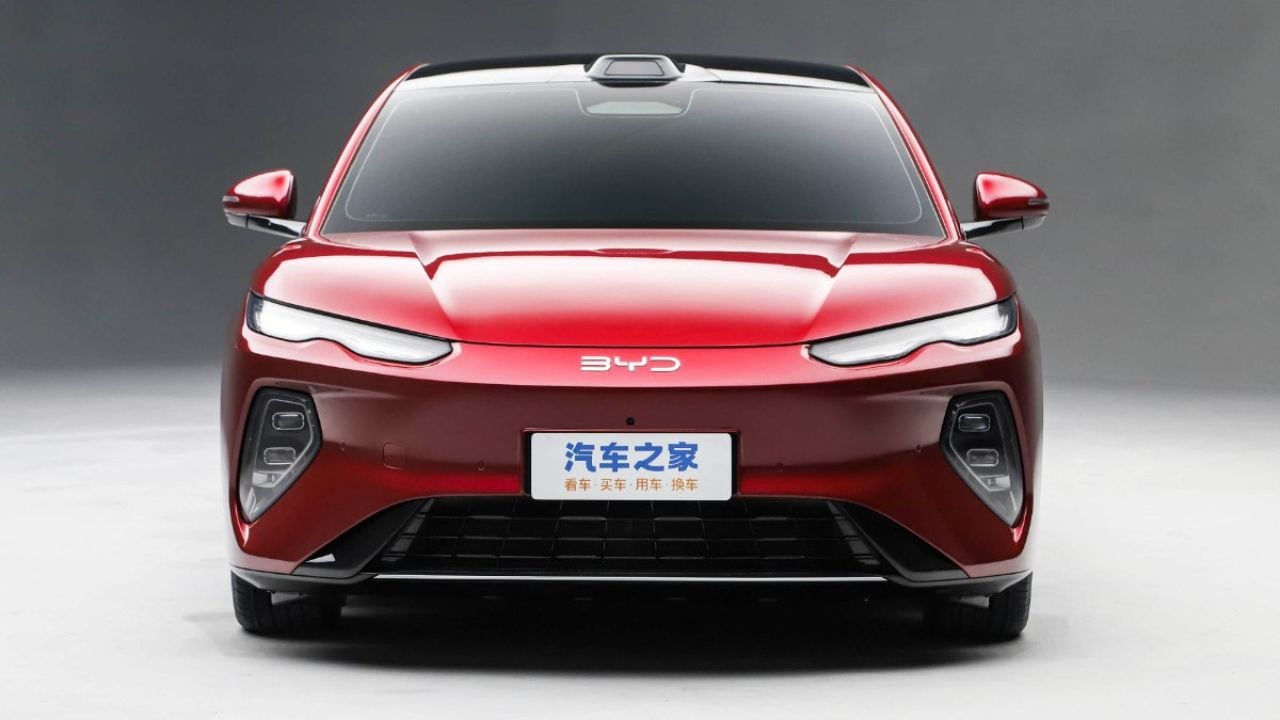
The Pentagon’s so-called “1260H” list identifies companies the U.S. government believes are linked to China’s military or support Beijing’s military-industrial strategy. Companies added to the list are considered potential national security concerns under U.S. law.
According to Reuters, the updated blacklist includes BYD alongside several semiconductor manufacturers, AI firms, robotics companies, and battery suppliers. The list is required to be updated annually and reflects growing concern inside Washington over China’s influence in advanced technologies.
BYD strongly rejected the designation. In a statement to Reuters, the automaker said it “firmly opposes” being labeled a military company and plans to use “all feasible administrative and legal means” to defend itself.
The company also argued that the designation unfairly damages its reputation and business interests in the United States. Other firms added to the list, including Alibaba and Baidu, issued similar responses and signaled potential legal challenges.
The Blacklist Doesn’t Ban BYD — Yet
Importantly, being added to the Pentagon’s list does not immediately prohibit BYD from operating internationally or selling vehicles in foreign markets. However, the designation does carry serious long-term implications.
Under recent U.S. legislation, the Department of Defense will soon be prohibited from contracting directly with companies on the blacklist. Additional restrictions preventing third-party government procurement involving listed companies are expected to take effect beginning in 2027.
Perhaps more importantly, the list acts as a warning to American businesses and government agencies. Inclusion can discourage partnerships, supply agreements, and investment relationships even without formal sanctions.
That matters because BYD has rapidly expanded beyond China and is aggressively targeting markets in Europe, South America, Southeast Asia, and Australia. The automaker has become especially dangerous to competitors because of its ability to produce affordable EVs with advanced battery technology and impressive range figures.
Connected Cars Have Become A National Security Issue
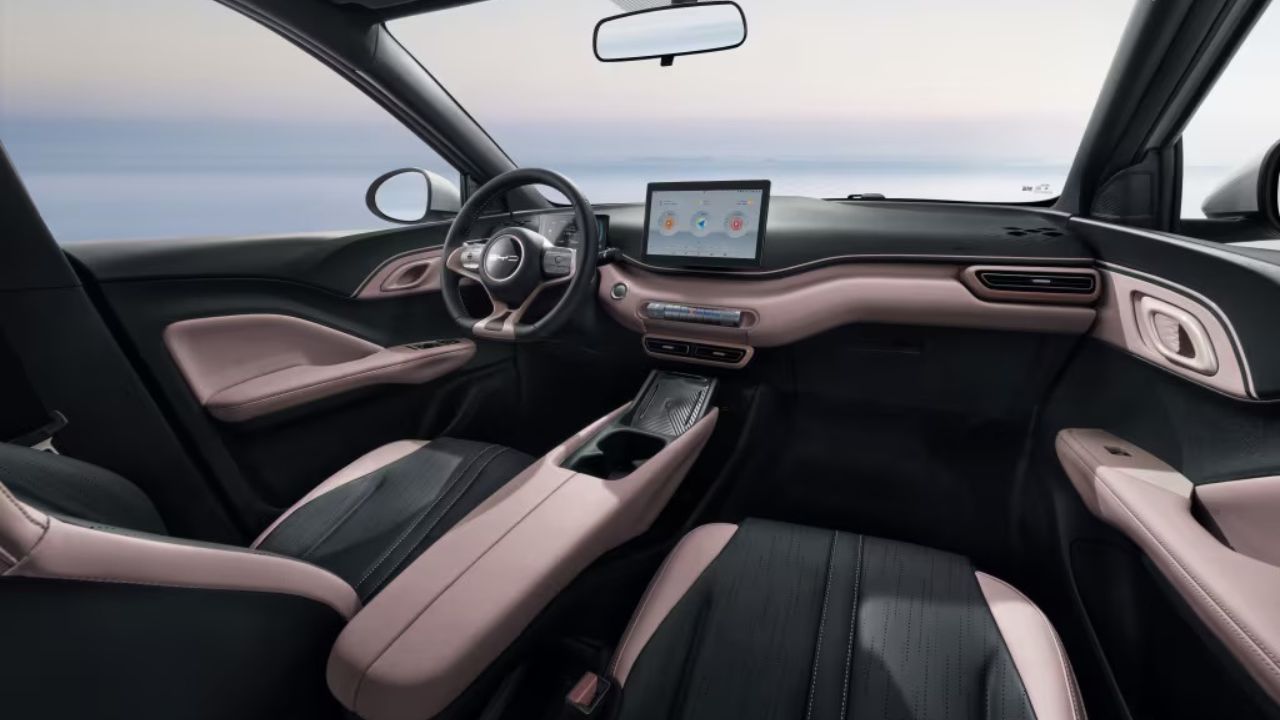
The BYD decision is part of a much larger crackdown on Chinese-connected vehicle technology in the United States. Federal regulators have increasingly focused on how modern vehicles collect, store, and transmit data.
Lawmakers and security officials argue that connected cars equipped with cameras, sensors, GPS systems, and cloud connectivity could potentially be used for surveillance or infrastructure mapping. Those concerns have become especially intense regarding Chinese automakers and software providers.
The automotive industry itself has already started reacting. General Motors recently announced plans to remove Chinese-sourced components from portions of its supply chain, while U.S. regulators continue working on restrictions targeting Chinese automotive software and communications hardware.
Earlier this year, BYD also challenged U.S. tariffs in court, arguing that trade barriers were specifically designed to block Chinese automotive expansion. The Pentagon blacklist now adds another layer of political pressure to an already tense situation.
BYD’s Rise Has Changed The Global Car Industry
Only a few years ago, BYD was viewed by many Western consumers as a relatively obscure Chinese automaker. Today, the company has become one of the biggest names in the global EV market and is frequently mentioned alongside Tesla and Toyota when discussing the future of the industry.
Its rapid rise has been fueled by aggressive pricing, in-house battery development, and an enormous manufacturing footprint. BYD’s vehicles often undercut rivals while still offering competitive technology, range, and interior features.
That success has created growing anxiety among legacy automakers and policymakers alike. Western governments are increasingly balancing two competing realities: consumers want affordable EVs, but governments worry about relying on Chinese technology and supply chains.
The Pentagon’s latest move shows how deeply geopolitics and the automotive world are now intertwined. Cars are no longer just consumer products, but are increasingly viewed as strategic technology platforms tied directly to economic influence, cybersecurity, and national security concerns.