Jay Rosenberg, who moved from Montgomery County, Maryland, to Vienna, had a lot to deal with after someone reportedly copied his license plate.
The plate, which read “PRIVATE,” was copied by someone driving an entirely different vehicle, and those violations were linked to D.C. and Prince George’s County.
Rosenberg disputed 20 traffic citations for no fault of his own. While there should have been a quick redress system in place to identify cloned license plates and dismiss erroneous citations, Rosenberg’s case proves otherwise.
Eventually, he stopped receiving citations only after selling his car and changing his license plate.
Rosenberg Had Stacks of Citations Issued for Someone Else’s Violations
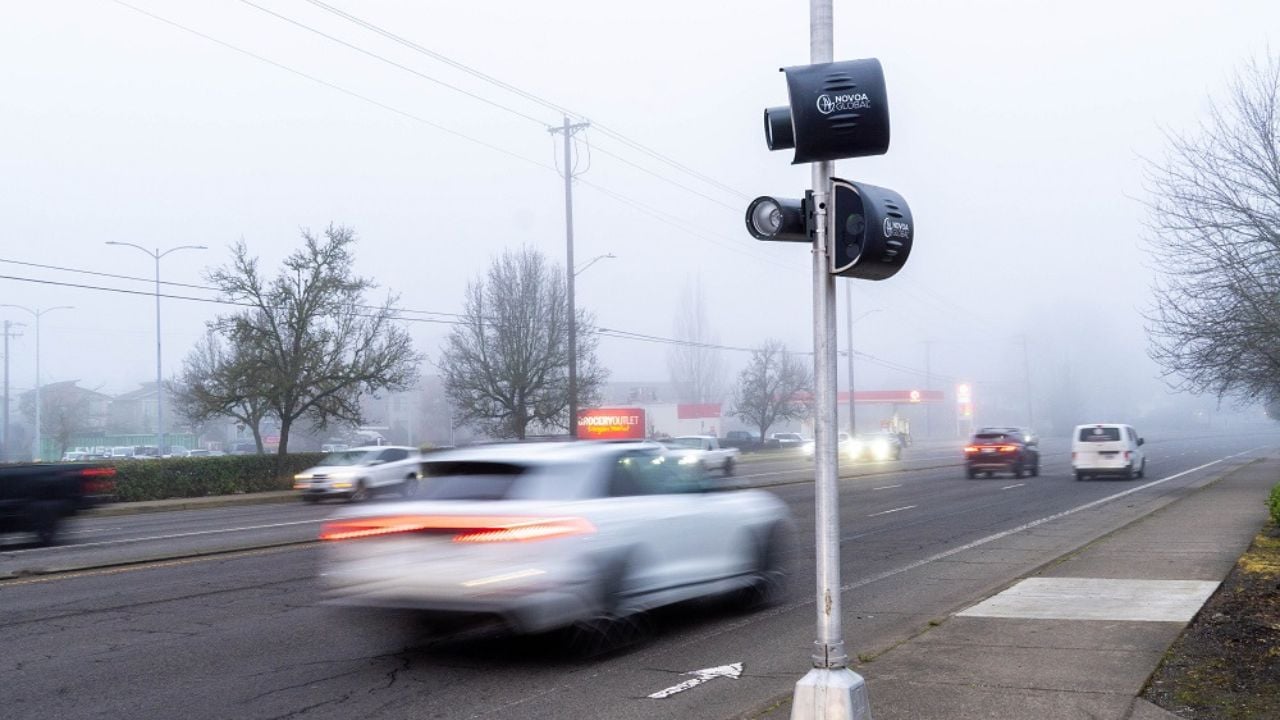
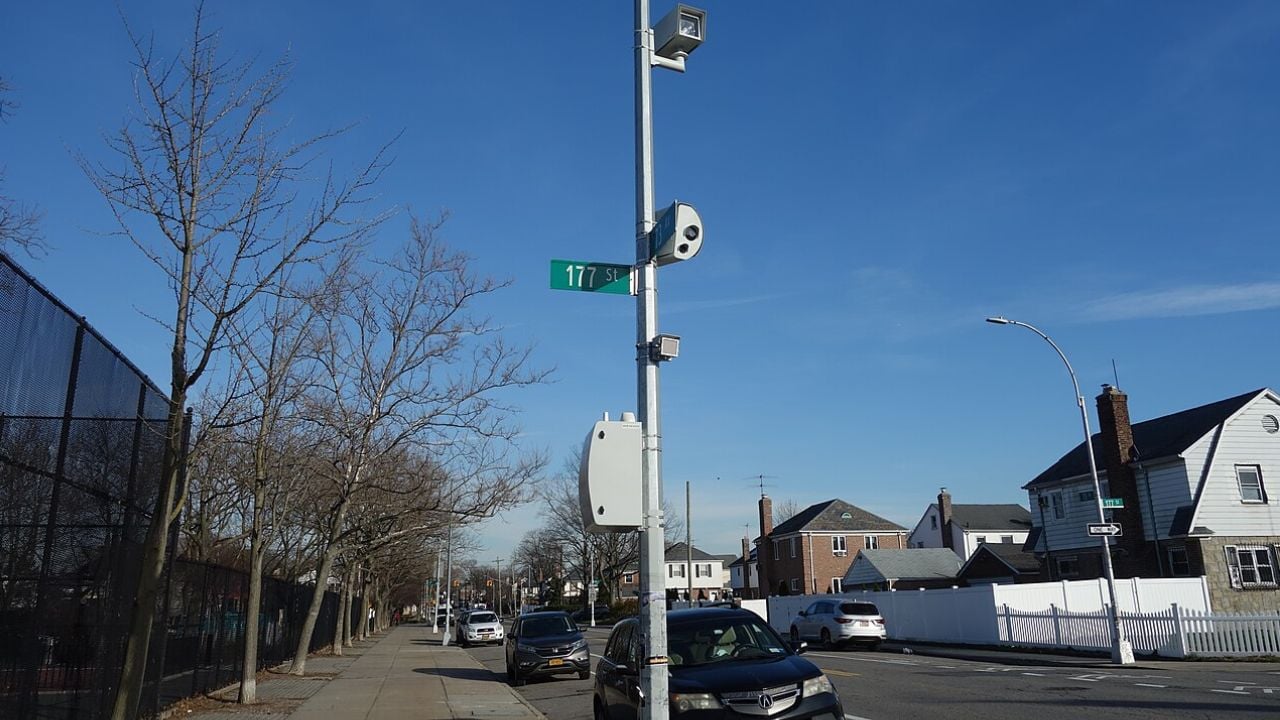
According to a report by FOX 5, Rosenberg had stacks of tickets and citations from DC and Prince George’s County, Maryland, at his residence.
The infractions also contained images captured by the traffic cameras of the car with the “PRIVATE” license plate, but Rosenberg said that was not his car.
Not only that, in one particular case, the vehicle that received the citation did not have registration stickers matching Rosenberg’s plate.
With the advent of AI cameras and systems that could cross-verify details such as whether the car actually belongs to the owner, Rosenberg questioned why the erroneous citations were not checked by AI. He said:
“Why is it not picking up through AI that this is not the right tag for this car?
“There are people that can go to places like Amazon and order a vanity tag… and put in your own numbers.”
The Problem is Not Limited to Rosenberg
Although Rosenberg stopped receiving the citations after his car was sold and his license plate changed, he believes the issue has affected several users.
This could become an expensive affair since drivers who face false citations and charges may have to hire lawyers to defend themselves, while the actual offender who ordered plates online may never be taken to task.
Rosenberg revealed that his friend from New York faced a similar issue regarding a cloned license plate, although further details about the case have not been published.
Recently, New York Governor Kathy Hochul signed legislation under which drivers who accumulate more than 16 speed violations or red light tickets within one year will have an Intelligent Speed Assistance (ISA) device fitted to their car to limit their speed electronically.
That has not gone down well with Rosenberg, who argues that people are potentially getting their licenses suspended due to cloned license plates, and there is no system in place yet that will tackle this menace.
That means people with multiple citations due to cloned license plates may have ISA devices installed on their vehicles, only because somebody else was speeding in another car. Rosenberg said:
“There are people who have to hire lawyers, who don’t know how to fix them, who are getting their licenses suspended and now Kathy Hochul is suggesting whether it’s police or camera, if you have too many tickets she’s going to put a device in your car to slow it down.”
The DC Department of Transportation has issued a statement related to the issue by mentioning a process through which vehicle owners can challenge citations issued to them. It reads:
“All of the District Department of Transportation automated safety camera citations undergo a review process before they are issued. If a vehicle owner believes a citation was issued in error, they have the right to contest it through the District’s adjudication process. In cases where evidence demonstrates the citation was incorrectly attributed, the citation may be dismissed. Vehicle owners can visit dmv.dc.gov for information on how to challenge a citation and access available adjudication options.”