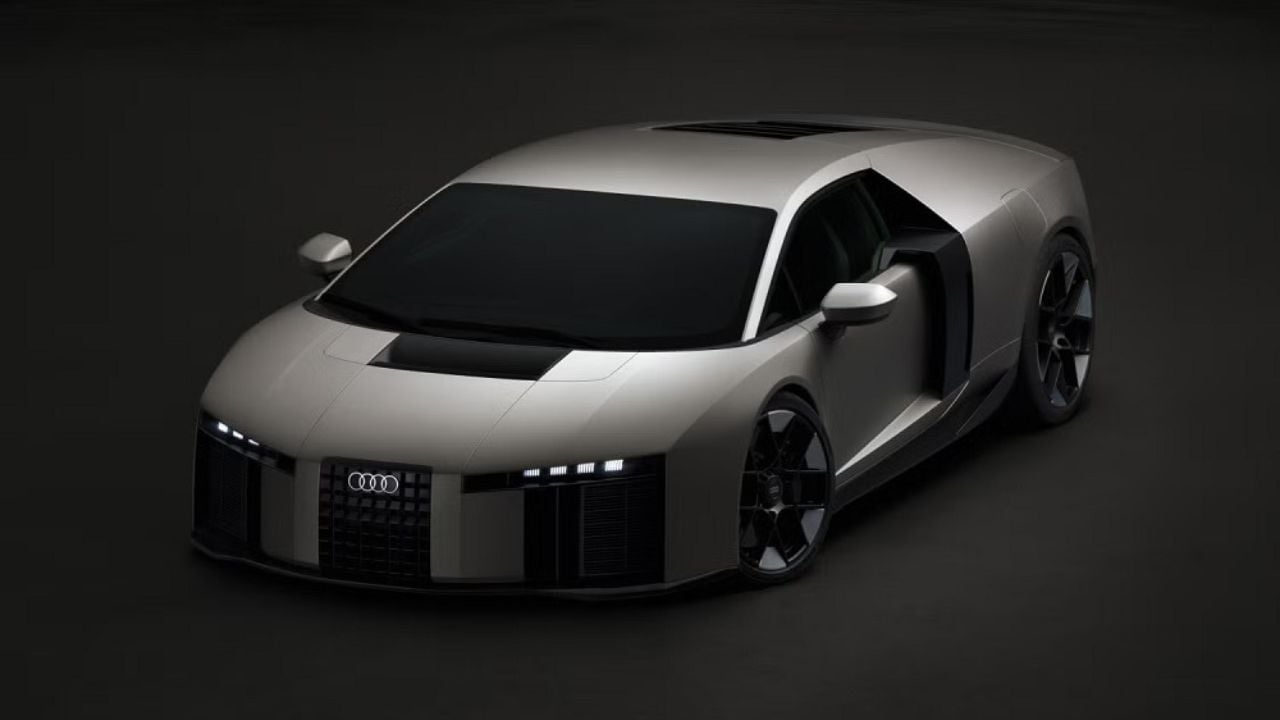
Audi has unveiled the Nuvolari as a near-production prototype, and it is not a normal R8 replacement. The new limited-run supercar moves Audi into a much more extreme space, with a high-performance plug-in hybrid powertrain, carbon-fiber bodywork, active aerodynamics, and production limited to 499 cars.
The name also separates it from Audi’s usual letter-and-number system. Nuvolari honors Tazio Nuvolari, one of the great racing drivers of the early 20th century and a key figure in Auto Union’s motorsport history.
That choice makes the car feel less like another model-line extension and more like a halo project. Audi built the R8 as a usable everyday supercar. The Nuvolari is aimed at something narrower, faster, rarer, and more technically ambitious.
Deliveries are scheduled to begin in the first half of 2027, making the Nuvolari Audi’s most powerful and fastest production car yet.
The Hybrid V8 Delivers Hypercar Numbers
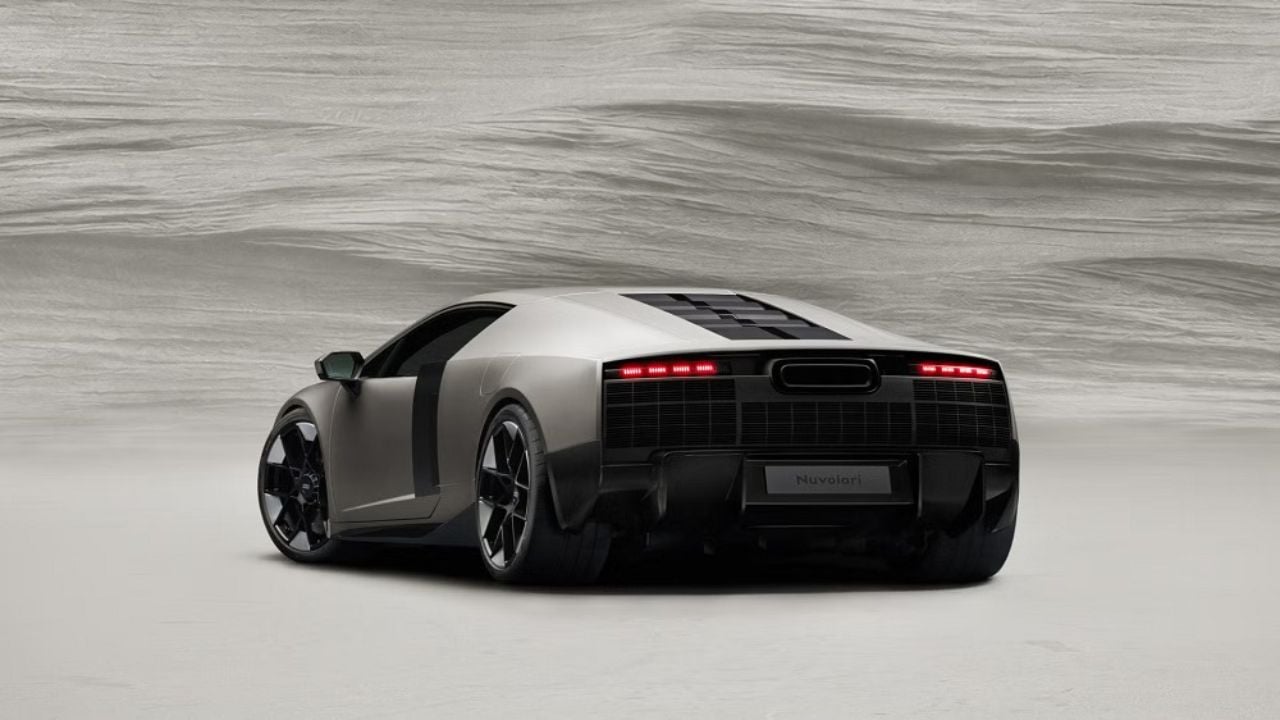
Under the carbon-fiber body sits a high-performance hybrid system built around a 4.0-liter twin-turbo V8. Audi lists the engine at 588 kW, or 800 metric horsepower, while U.S. conversions place it at about 789 hp. The V8 can also rev to 10,000 rpm, giving the car a very different personality from older Audi performance engines.
Audi adds three axial-flux electric motors to the system. Together, the full powertrain produces 736 kW, or 1,001 PS. In U.S. terms, that works out to about 987 hp.
The performance figures are serious even by modern supercar standards. Audi says the Nuvolari reaches 100 km/h, or 62 mph, in 2.6 seconds and 200 km/h, or 124 mph, in 6.8 seconds.
Top speed is listed at more than 350 km/h, or 217 mph. That moves the Nuvolari far beyond the old R8 and places Audi closer to the world of limited-run hybrid supercars.
A Limited Run Built Around Carbon Fiber
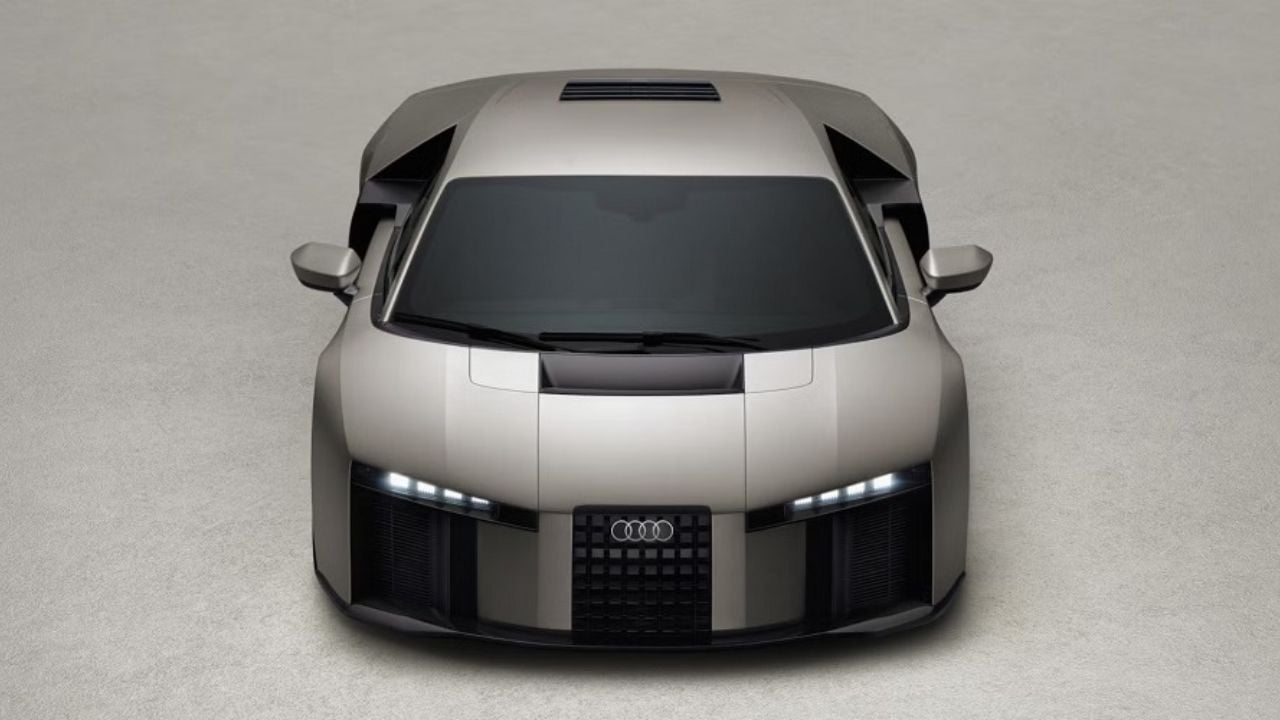
Audi says the Nuvolari will be limited to 499 examples. That production cap immediately separates it from the R8, which was built as a broader supercar program across multiple versions and model years.
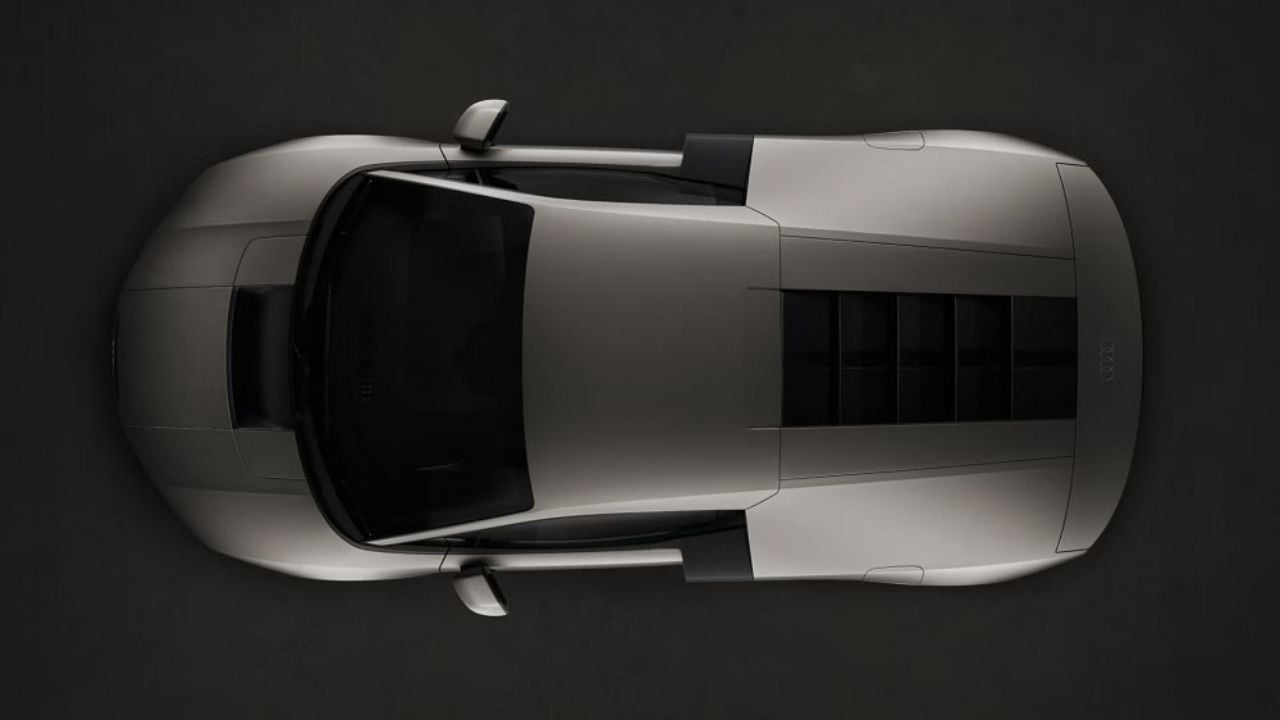
The Nuvolari combines Audi Space Frame technology with a carbon exterior, something Audi describes as a first for one of its production vehicles. Almost all exterior panels are made from carbon-fiber-reinforced plastic.
Forged center-lock wheels add to the racing character and make their debut in Audi’s production portfolio. The active aerodynamic package is just as important, with the front S-duct and adaptive rear wing working together to generate up to about 882 pounds of downforce.
The car was developed quickly by a small team, but Audi is not presenting it as a loose design exercise. The near-production prototype previews a real limited-run road car with deliveries planned for 2027.
Quattro Predictive Ride Controls More Than Power
The Nuvolari introduces a new system called quattro predictive ride. It links the all-wheel-drive system, torque distribution, stability control, braking, suspension behavior, and active aerodynamics into one wider control strategy.
Audi says the system uses detailed sensor data to understand what the car is doing before grip is lost. It can then adjust power delivery, braking, suspension response, and aero settings to help the driver carry more speed with more control.
The front S-duct and adaptive rear wing are central parts of that system. On straights, the rear wing can reduce drag. In corners and under braking, it can move into a higher-downforce position.
A manual drag reduction function is also available from the steering wheel. That detail gives the Nuvolari a closer link to Formula 1-style thinking, especially as Audi prepares to enter Formula 1.
The Nuvolari Can Still Drive On Electric Power
Although performance is the main focus, the Nuvolari is still a plug-in hybrid. Its 7.3 kWh gross battery allows short electric driving in city use and supports the electric motors during high-performance driving.
Drivers can choose several modes, including E-Hybrid, Balanced, Dynamic, and Dynamic+. Each one changes how the car uses its engine, electric motors, chassis systems, and energy recovery.
For circuit use, Audi also includes a dedicated Track mode. It allows more detailed adjustment for wet conditions, dry grip, racing use, and traction control off.
That gives the Nuvolari a wider operating range than its power figure suggests. It can move quietly at low speed, then switch into a much more aggressive setup when the road or track allows.
The Brakes And Tires Match The Power
Audi fitted the Nuvolari with a braking system called Audi Ceramic Pro. It uses a brake-by-wire setup and combines hydraulic braking with electric deceleration from the hybrid system.
At the front, the car uses 10-piston calipers with 16.5-inch discs. The rear axle uses four-piston calipers with 16.1-inch discs.
Audi claims the system can deliver deceleration on par with a current Formula 1 car. That is a bold claim, but it fits the technical ambition of a car built around extreme power, serious aero, and track-focused hardware.
The tire setup is also aggressive. The front axle uses 255/35 R20 tires, while the rear axle uses massive 325/30 R21 tires to help manage the power and keep the car planted under acceleration.
The Details Show How Far Audi Went
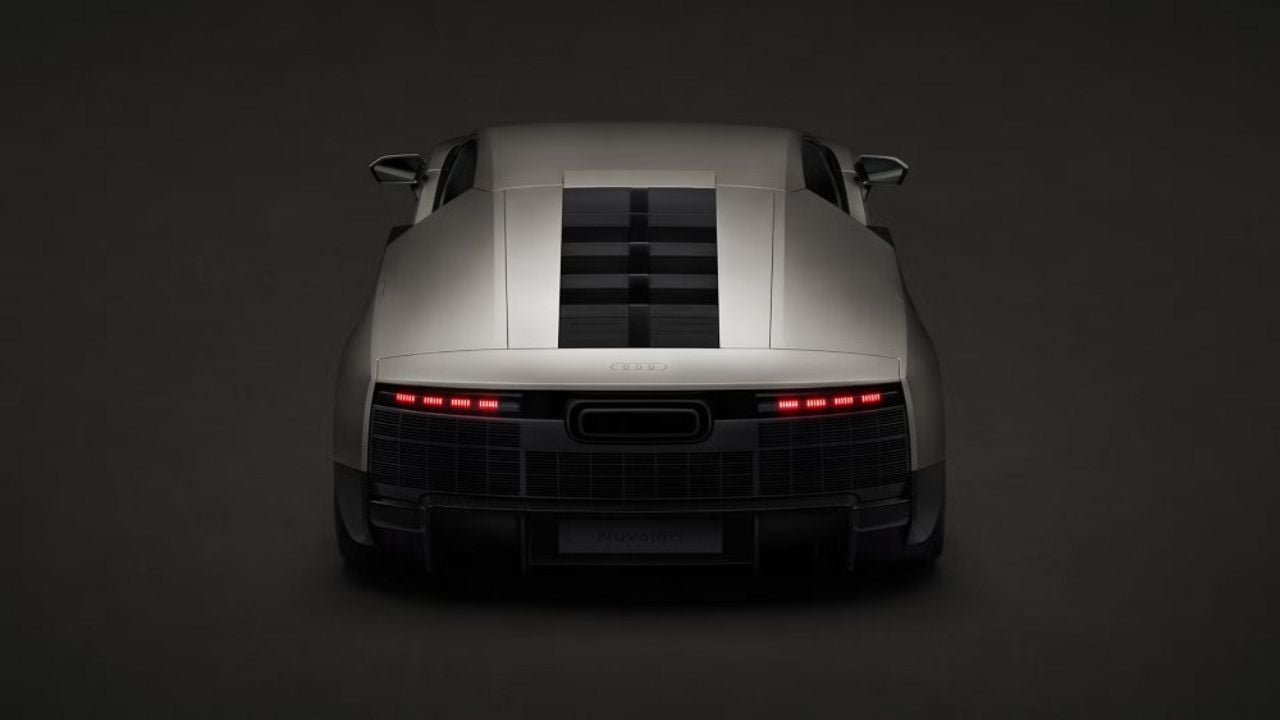
Audi paid close attention to the smaller design details. The doors include air channels for cooling and airflow management, while the handles are integrated cleanly into the body.
At the rear, the Audi rings are not simply painted or attached in a conventional way. They are made from solid metal and integrated flush into the deployable rear wing.
The cabin follows the same focused approach. Aluminum, carbon fiber, physical controls, and lightweight seats define the interior.
Audi also kept the cabin unusually driver-focused, with reporting noting that some normal convenience features are absent. The result feels closer to a production-ready concept built for serious driving than a traditional luxury sports car.
Nuvolari Takes Audi Beyond The R8
The Audi Nuvolari does not feel like a routine successor to the R8. It is more powerful, more limited, more complex, and more radical in its purpose.
It also arrives at an important moment for Audi. As the brand prepares for Formula 1 and tries to sharpen its performance image, the Nuvolari gives it a new halo car with real technical weight.
The result is the most extreme modern Audi yet. With about 987 hp, active aerodynamics, carbon-fiber construction, Formula 1-inspired systems, and a production run of only 499 cars, the Nuvolari shows what Audi can build when performance and engineering take priority over convention.
This article was originally published by Autorepublika.com and is republished with permission. It has been reviewed and edited by Guessing Headlights.