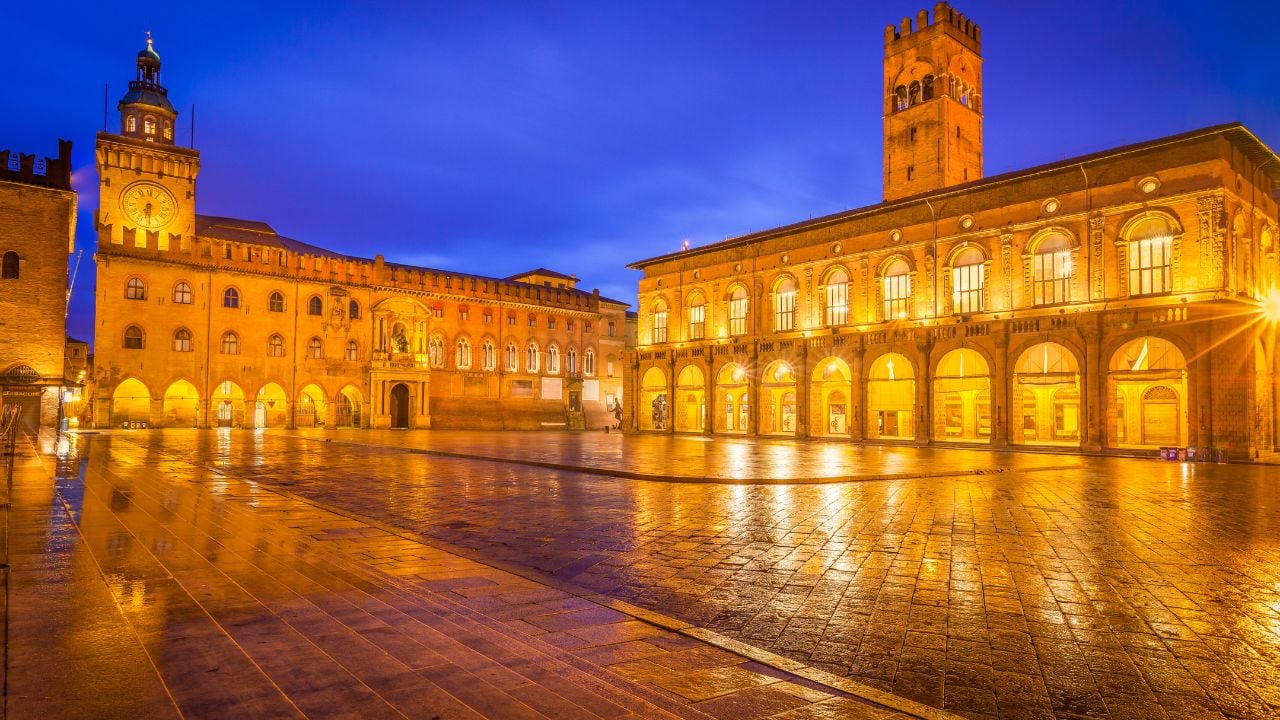
A food-focused city trip needs more than a dinner list. Restaurant reservations, market hours, lunch timing, neighborhood choice, transit, heat, and walking distance can decide where travelers stay and how the day is built.
These five cities are easier to enjoy when meals are planned alongside neighborhoods and attractions. Lyon calls for markets and bouchons, Bologna needs time for pasta and the Quadrilatero, Lima puts seafood lunch and destination restaurants near the center of the trip, New Orleans pairs classic meals with music nights, and Bangkok works better when street-food areas are planned around heat and traffic.
1. Lyon, France

Lyon should not be planned around dinner alone. Lyon Tourism describes Les Halles de Lyon Paul Bocuse as a major stop for Lyonnaise gastronomy, with local specialties such as quenelles and seafood among the market’s draws. The market works well early in the trip, especially for travelers who want a first look at the city’s cheeses, charcuterie, pastries, wine bars, and prepared foods.
A strong Lyon food plan needs one classic bouchon meal, one market visit, and enough walking time between heavier stops. Vieux Lyon, Presqu’île, Croix-Rousse, and the area around Les Halles do not all sit on the same block, so the food plan should match the day’s route.
Travelers staying near Presqu’île or Vieux Lyon can reach many restaurants and sights on foot. Croix-Rousse adds cafés, bakeries, and neighborhood streets uphill from the center. Les Halles sits in the 3rd arrondissement, so it fits well with a lunch stop, a market browse, or a food-focused morning before returning to the older parts of the city.
2. Bologna, Italy
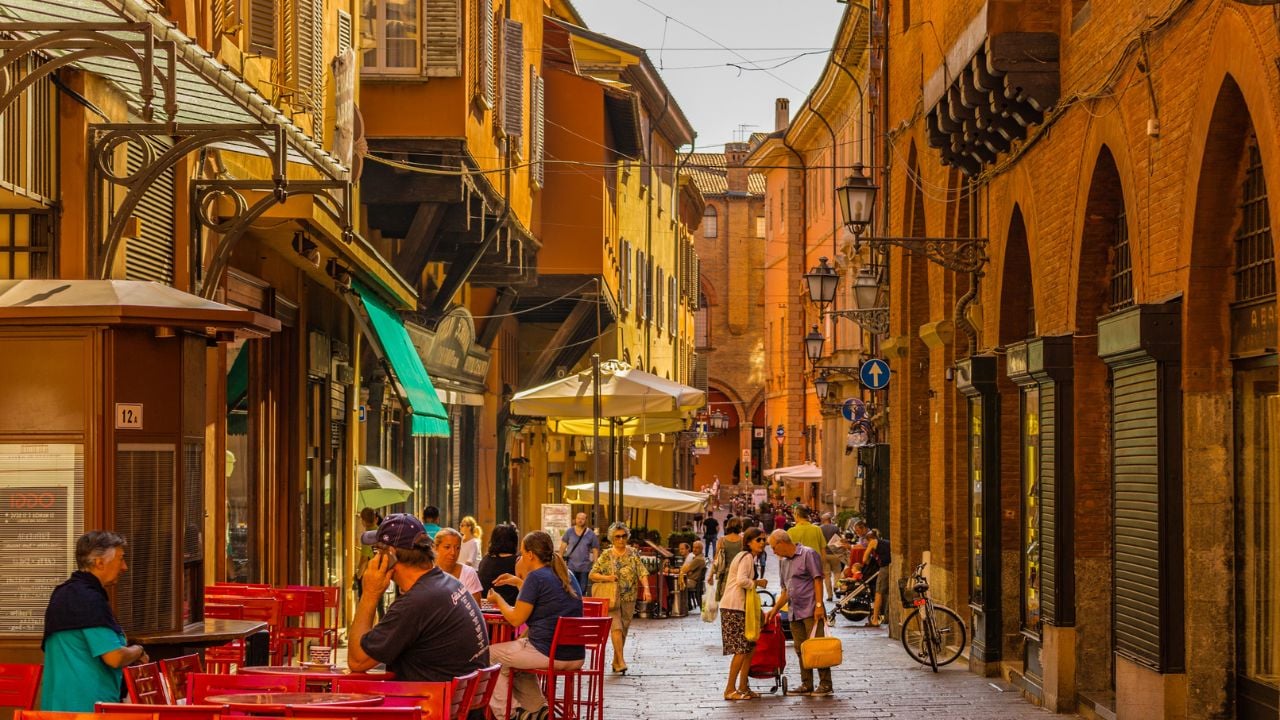
Bologna needs space for lunch, pasta, markets, and aperitivo. Bologna Welcome describes the Quadrilatero as a city-center market area with craft, mercantile, and trading traditions dating back to the Middle Ages. Its narrow streets near Piazza Maggiore are useful for food shopping, snacks, wine bars, and short stops between churches, towers, and porticoes.
The day should not be packed as if food is only a break between sights. A Bologna plan can start around Piazza Maggiore, continue through the Quadrilatero, then use lunch as the anchor. Tagliatelle al ragù, tortellini, mortadella, Parmigiano Reggiano, balsamic vinegar, and regional wine all need more time than a quick sandwich between attractions.
Travelers who want a cooking class, food tour, or specific trattoria should book that first, then build the walking route around it. A hotel near the historic center keeps breakfast, markets, aperitivo, and dinner within a tighter area, which matters on a short Bologna stay.
3. Lima, Peru
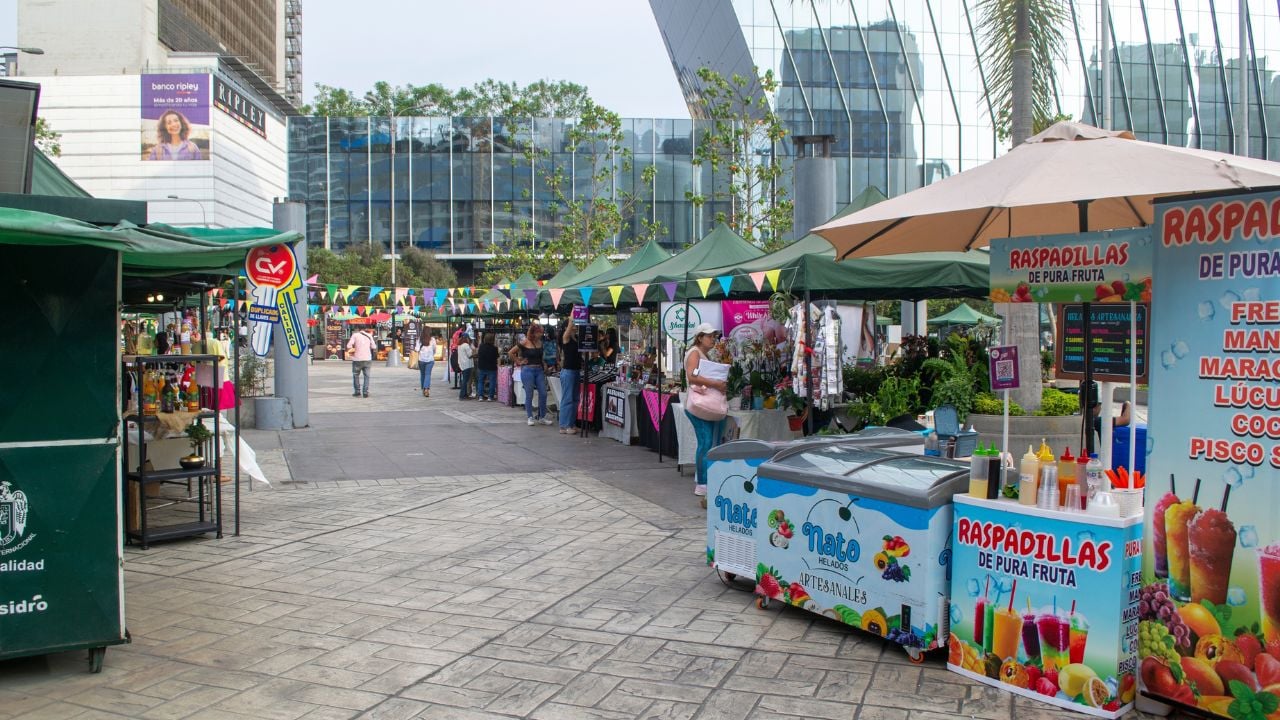
Lima’s restaurant plan should be made before the hotel area is final. Peru Travel says Lima has been named the gastronomic capital of Latin America. The city’s food scene stretches across coastal seafood, criollo cooking, nikkei, chifa, markets, bakeries, tasting menus, and neighborhood restaurants.
Lunch deserves special attention. Cevicherías and seafood-focused meals are often strongest earlier in the day, while destination restaurants may require advance reservations. Travelers planning around Miraflores, Barranco, San Isidro, Surquillo, and the historic center should check where meals fall before choosing a hotel.
A practical Lima itinerary might protect one major restaurant reservation, one ceviche lunch, one market or bakery stop, and one neighborhood walk. Miraflores and Barranco work well for many first-time visitors, while San Isidro and Surquillo can put travelers closer to another set of restaurants and markets.
4. New Orleans, Louisiana
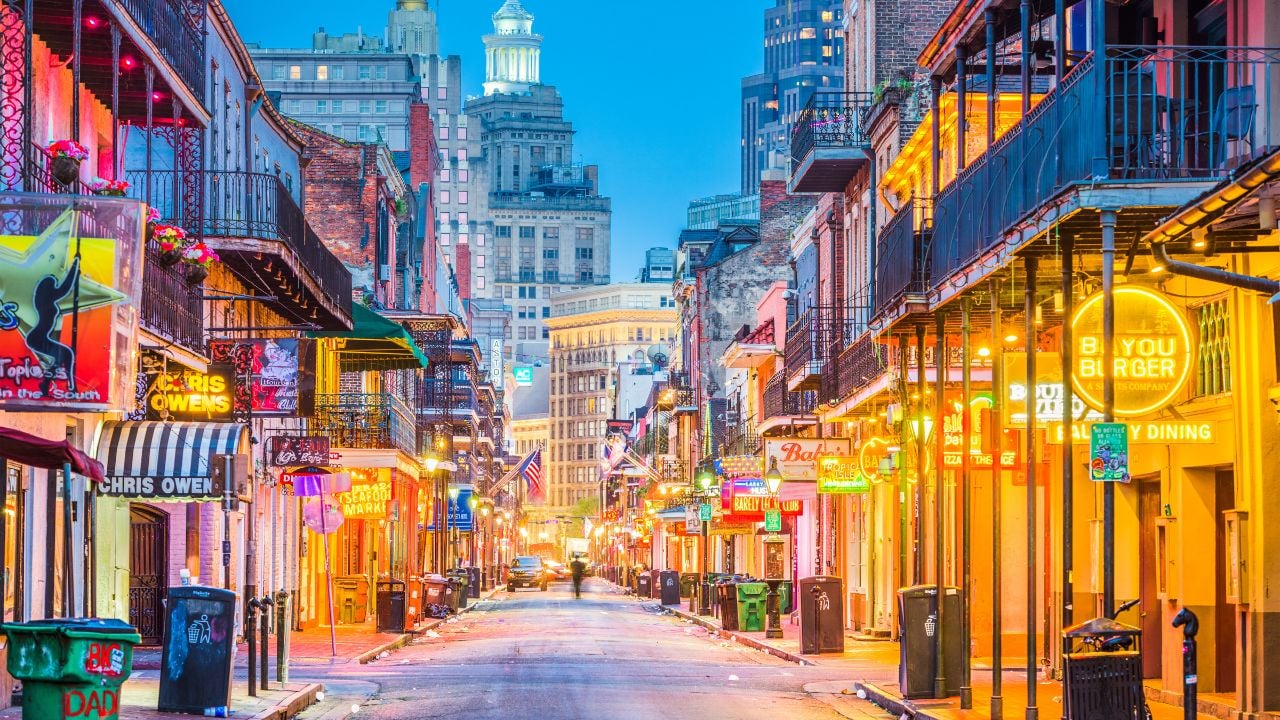
New Orleans food planning should account for breakfast, long lunches, dinner reservations, seafood, and music after the meal. New Orleans lists traditional foods such as gumbo, jambalaya, beignets, king cake, pralines, crawfish, barbecue shrimp, and oysters. A trip built around only one famous dinner misses too much of the city’s food structure.
Morning can be used for beignets, coffee, or a slower breakfast. Lunch can carry gumbo, po’boys, oysters, or a classic restaurant meal without pushing everything into the evening. Dinner reservations become more important during weekends, festivals, holidays, and major event periods.
The hotel area should match the night plan. French Quarter, Marigny, Garden District, Warehouse District, and Uptown stays create different routes for restaurants, bars, music clubs, and late rides back. Travelers who plan dinner and music together can avoid crossing town twice in one night.
5. Bangkok, Thailand
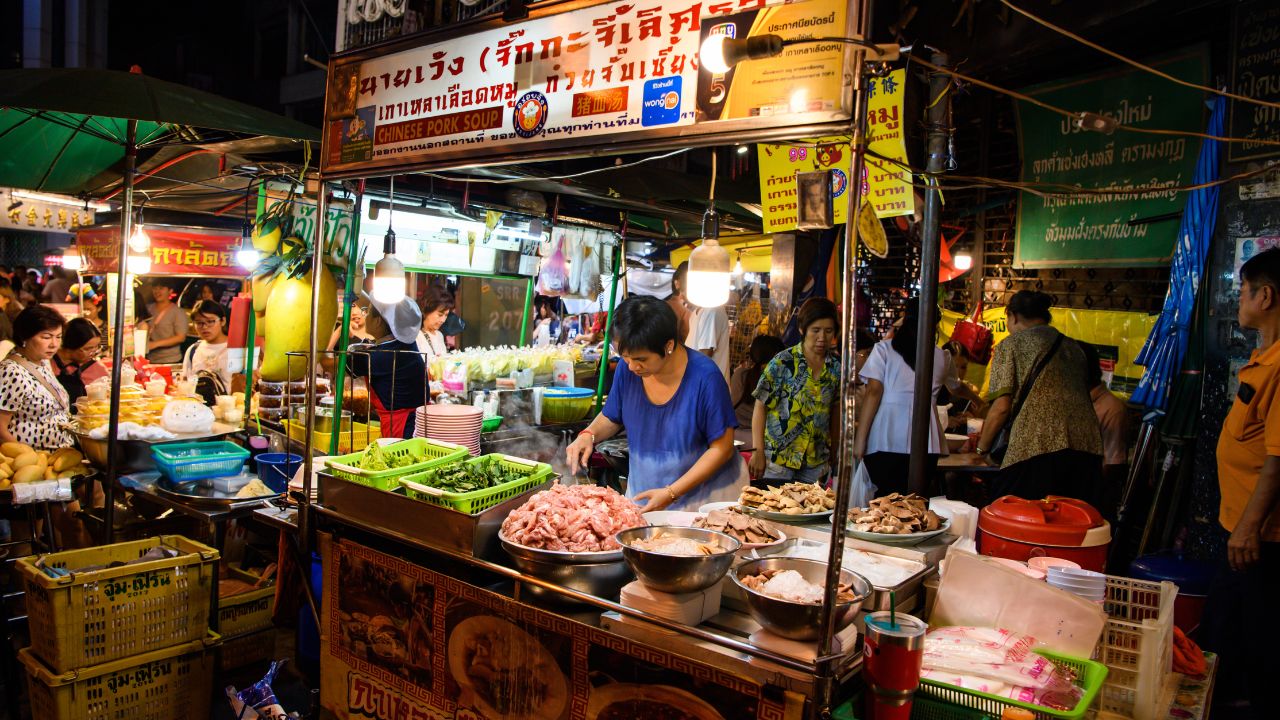
Bangkok food planning should start with neighborhoods, heat, and evening travel time. Tourism Thailand says Yaowarat Road is known worldwide by tourists as a source of popular street food. Chinatown can take a whole evening once travelers include traffic, walking, stalls, shophouse restaurants, sweets, noodles, grilled seafood, and drinks.
Street food should not be left for the end of an already exhausting sightseeing day. Travelers can use hotter hours for malls, hotel breaks, massage appointments, cafés, or indoor food courts, then save evening energy for Yaowarat, markets, riverside areas, or restaurant reservations.
The dining range is wider than street stalls alone. Michelin Guide lists Bangkok street-food restaurants, while the city also has mall food courts, night markets, Thai-Chinese restaurants, riverside dining, and tasting-menu spots. Travelers should book any destination restaurant early, then leave other meals open for areas where walking and eating can happen together.