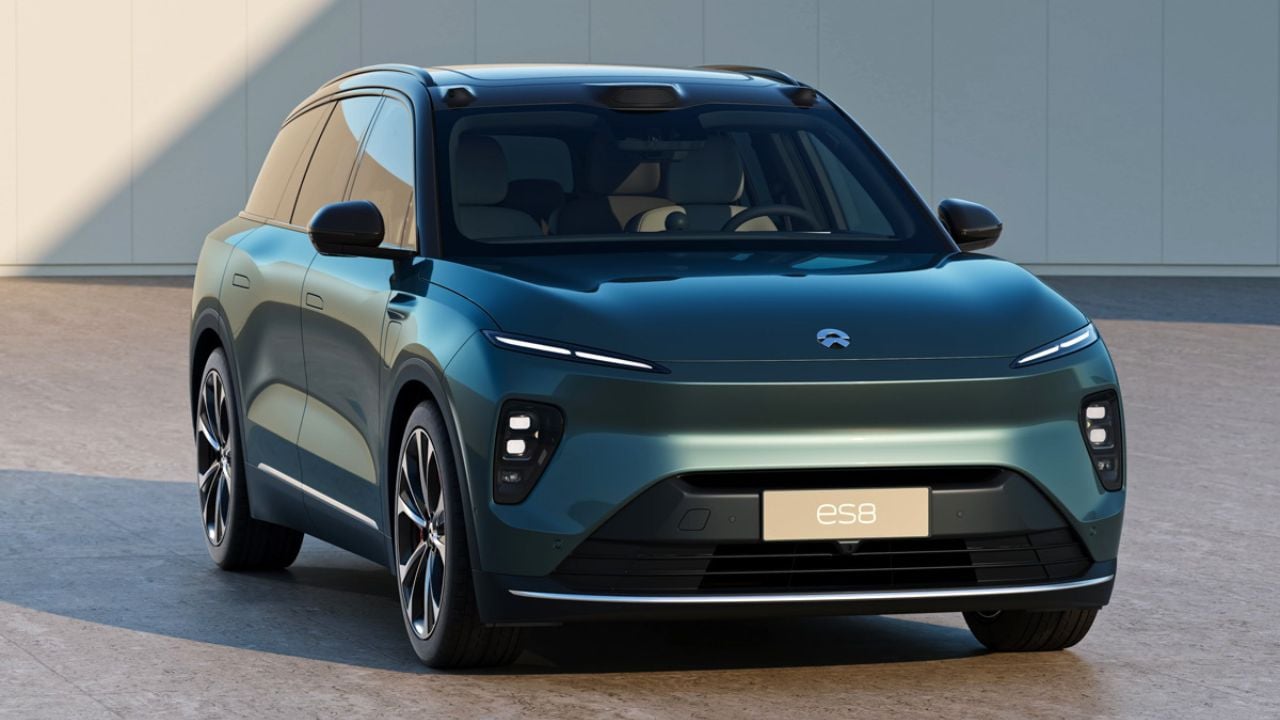
China’s auto industry has likely moved past its old “golden era,” according to NIO CEO William Li. His warning lands at a difficult moment for the world’s largest car market, where domestic demand has weakened even as Chinese automakers continue pushing hard overseas.
That split is now one of the biggest challenges facing the country’s car industry. Exports remain strong, but the home market no longer looks like the easy growth story that helped dozens of brands expand at the same time.
Li said China has become a mature and saturated market, with about 370 million vehicles already in use. That changes the way automakers have to compete. The next stage is less about adding first-time buyers and more about taking customers from rivals, defending prices, and proving that new technology is worth paying for.
For NIO, that creates a difficult balance. China remains the company’s most important market, but it is also becoming more crowded, more expensive to fight in, and less forgiving of weak execution.
Domestic Demand Remains Under Pressure
China’s domestic car sales fell for a seventh straight month in April, according to Reuters. Sales at home dropped 21.6% year over year to about 1.4 million vehicles, based on data from the China Passenger Car Association.
Exports remain the stronger part of the story. Chinese automakers continue expanding overseas, helped by aggressive pricing, improving EV technology, and growing demand in several foreign markets.
That does not fully solve the problem at home. If domestic sales stagnate while companies keep adding capacity, price competition becomes more aggressive and profit margins come under more pressure.
Industry data cited by Reuters suggests China’s domestic auto market could stagnate in 2026, while growth in electric vehicles and plug-in hybrids is expected to slow after several years of rapid expansion.
Li Sees China As A Saturated Market
Li’s view is blunt. China is no longer simply a growth market. With roughly 370 million vehicles already on the road, it has become a saturated market where automakers must fight harder for replacement buyers.
That changes the rules. In the old expansion phase, strong market growth could lift many companies at once. In a mature market, brands need sharper products, stronger software, better pricing discipline, and clearer reasons for buyers to switch.
For NIO, China still remains the priority. Li said the country is still the most efficient place to invest in electric vehicle development.
The logic is clear. China has a dense EV supply chain, fast-moving consumers, large charging and battery-swap networks, and a market where software features can scale quickly. That makes it difficult for NIO to look away, even as competition at home becomes more intense.
Global Expansion Has Been Difficult
NIO began exporting vehicles in 2021 and has entered several European markets, including Germany. International sales, however, remain modest compared with the company’s domestic business.
That has made NIO cautious about shifting too much attention overseas. Li suggested that the same level of investment outside China would take longer to generate returns and would carry greater uncertainty.
NIO is known for battery-swap technology and sells only fully electric vehicles. That gives the brand a clear identity, but it also makes global expansion more complicated in markets where charging infrastructure, pricing, and customer habits differ sharply.
Li also said plug-in hybrids and vehicles with combustion engines are currently better suited to many global markets than pure EVs. That is an important admission from the head of a company built entirely around battery-electric cars.
NIO Is Turning To Software And Flagship Models

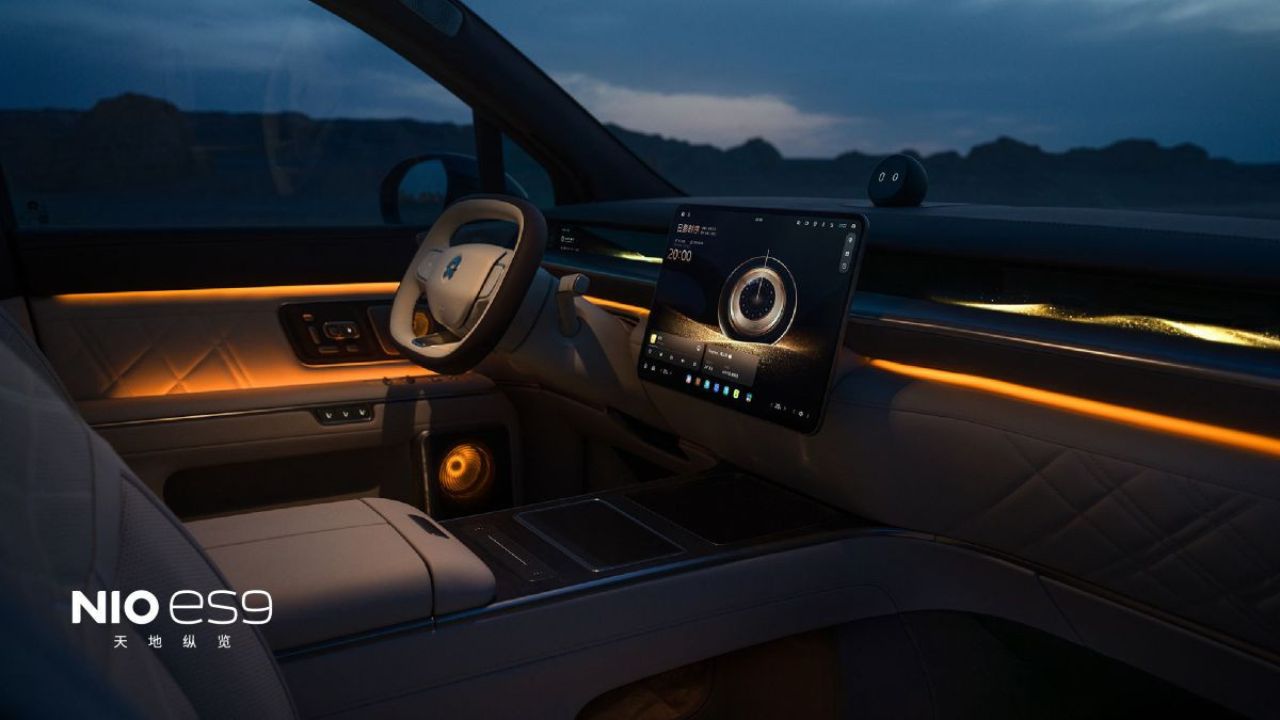
At home, NIO is trying to defend its position through technology, software, and a wider model range. Advanced driver-assistance systems have become one of the biggest competitive battlegrounds in China’s EV market.
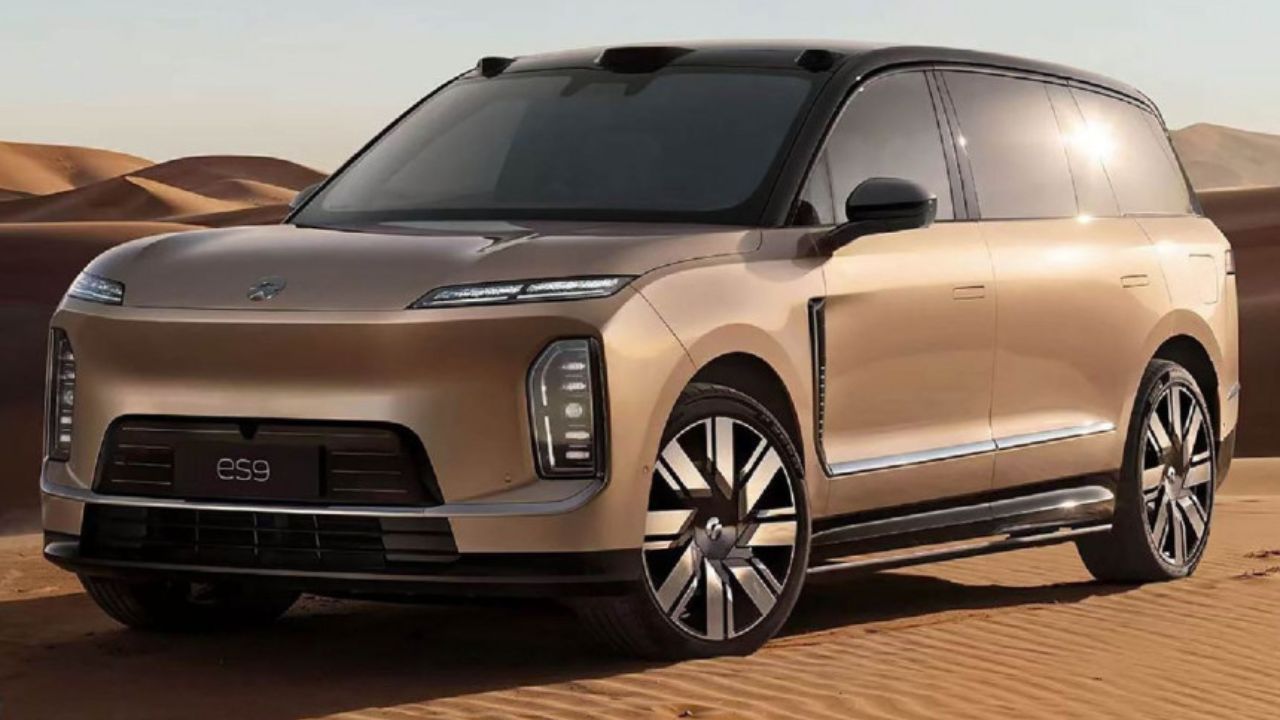
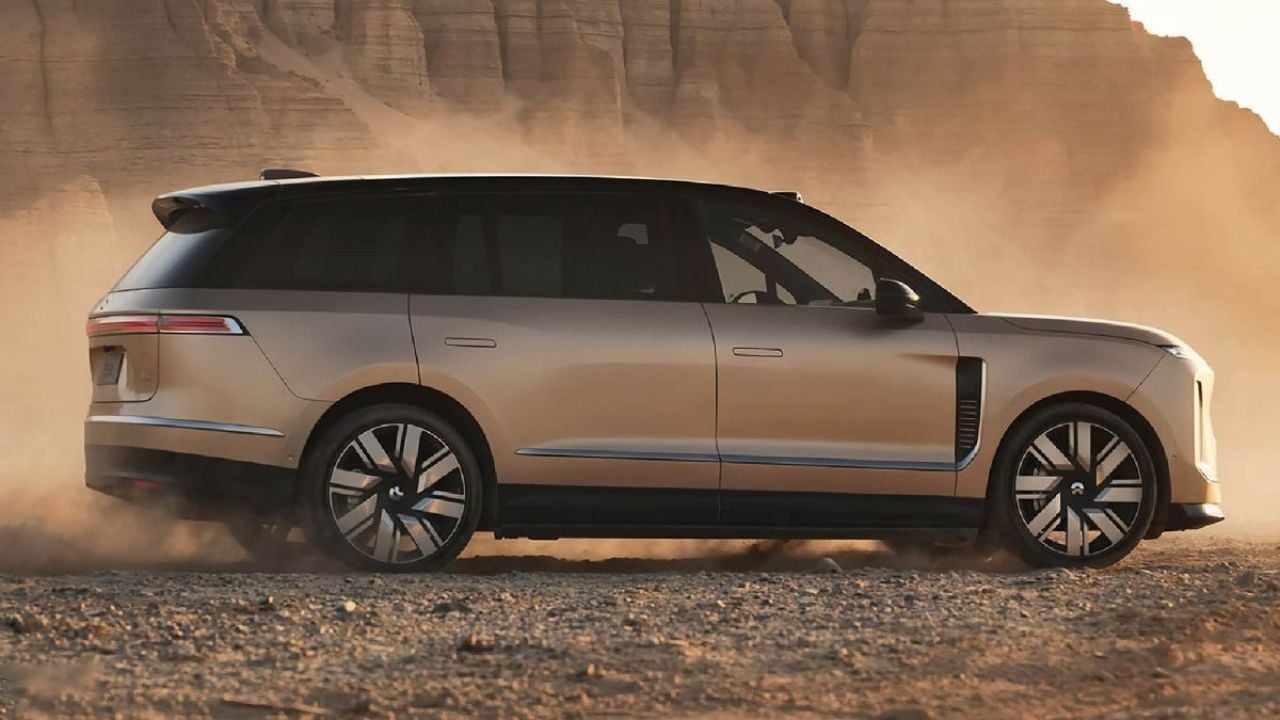
The company recently launched the ES9, a flagship executive electric SUV aimed at the luxury end of the market. In China, the ES9 Executive Premium Edition starts at RMB 498,000, or RMB 390,000 with NIO’s Battery as a Service plan. Deliveries began on May 28.
The model gives NIO a stronger entry in the large premium SUV space. That matters because Chinese automakers are increasingly pushing into higher-priced segments where margins can be better than in the crowded mainstream EV market.
NIO is also increasing its investment in intelligent driving. According to Reuters, the company plans to increase spending on computing resources for smart-driving development fivefold this year compared with 2025.
China’s EV Race Is Entering A Harder Phase
The Chinese EV market is still huge, but it is becoming much less forgiving. Price cuts, rapid product cycles, and heavy investment in software have made the business more expensive and less predictable.
NIO’s challenge is to stay premium while competing in a market where many rivals are willing to sacrifice margins for volume. Battery swapping, software, and flagship models can help, but they also require major long-term investment.
Li’s comments show how much the industry has changed. China remains the center of global EV development, but the market is no longer expanding fast enough to make every strategy look successful.
If Li is right, the golden era is over. The next stage will be defined by efficiency, technology, brand strength, and disciplined expansion. For NIO and its rivals, the fight for leadership in China’s auto industry may become even harder now that easy growth is gone.
This article was originally published by Autorepublika.com and is republished with permission. It has been reviewed and edited by Guessing Headlights.