Armored vehicles earn reputations under pressure. Specifications can look impressive on paper, but combat reveals whether protection, mobility, firepower, crew layout, reliability, and repairability actually work together when everything is dirty, damaged, and moving fast.
Battlefield value is not limited to main battle tanks. A tank may have a powerful gun, but weak logistics can limit its usefulness. An infantry carrier may have modest armor, yet strong adaptability can keep it relevant for decades. A protected truck may look less dramatic than a tank, but it can save crews on roads filled with mines and improvised explosives.
These seven armored vehicles proved their worth in different ways. Some helped shape World War II through production scale and field repair. Others changed mechanized warfare, protected infantry, or answered the roadside-bomb threat that defined much of 21st-century land combat.
M4 Sherman
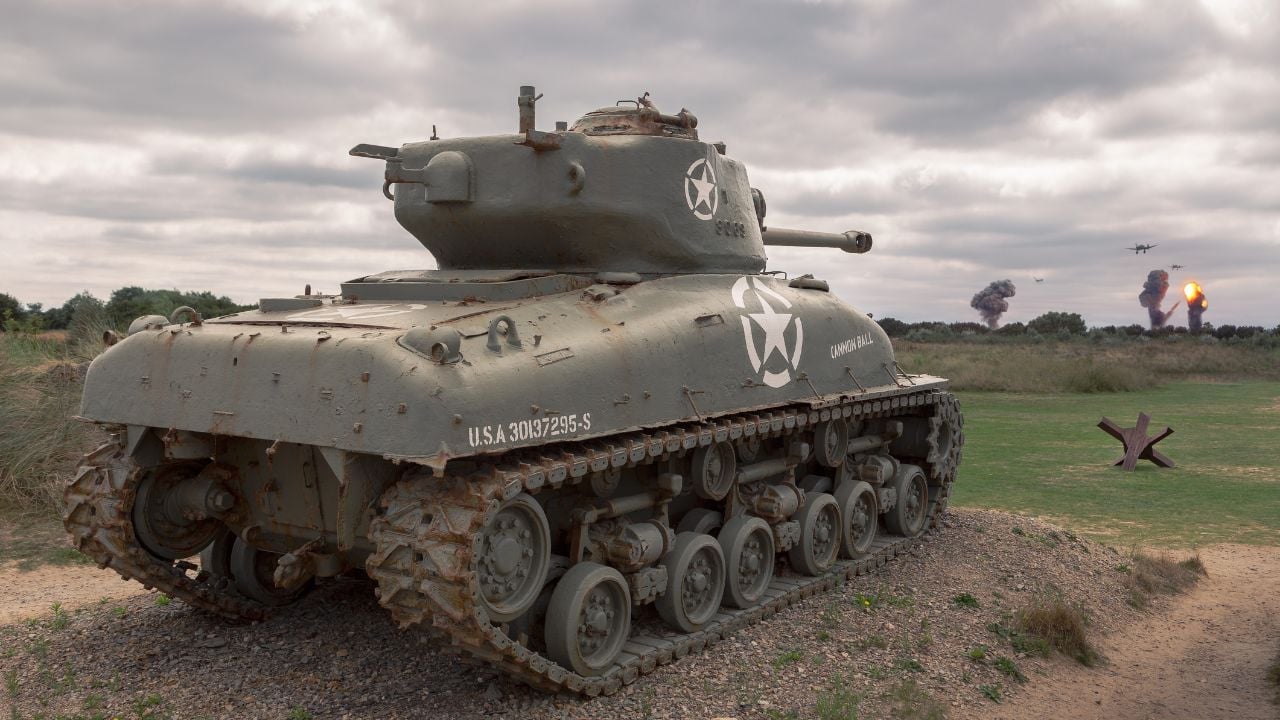
The M4 Sherman proved its value by giving Allied armies a tank they could build, ship, repair, and use in enormous numbers. The National WWII Museum says more than 50,000 Shermans were produced between 1942 and 1945, and the tank served in every combat theater with the United States, Great Britain, the Free French, China, and the Soviet Union.
The Sherman’s strength was practical battlefield usefulness. It was reliable, mechanically familiar to Allied crews, adaptable into many variants, and supported by a massive logistics system. It did not always have the thickest armor or the most powerful gun, but it arrived where armies needed it and kept moving.
That combination mattered. A tank that can be recovered, repaired, supplied, and fielded at scale can shape a campaign far beyond its spec sheet. The Sherman became a symbol of Allied armored mobility because it connected industry, logistics, training, and battlefield use better than most wartime vehicles.
T-34
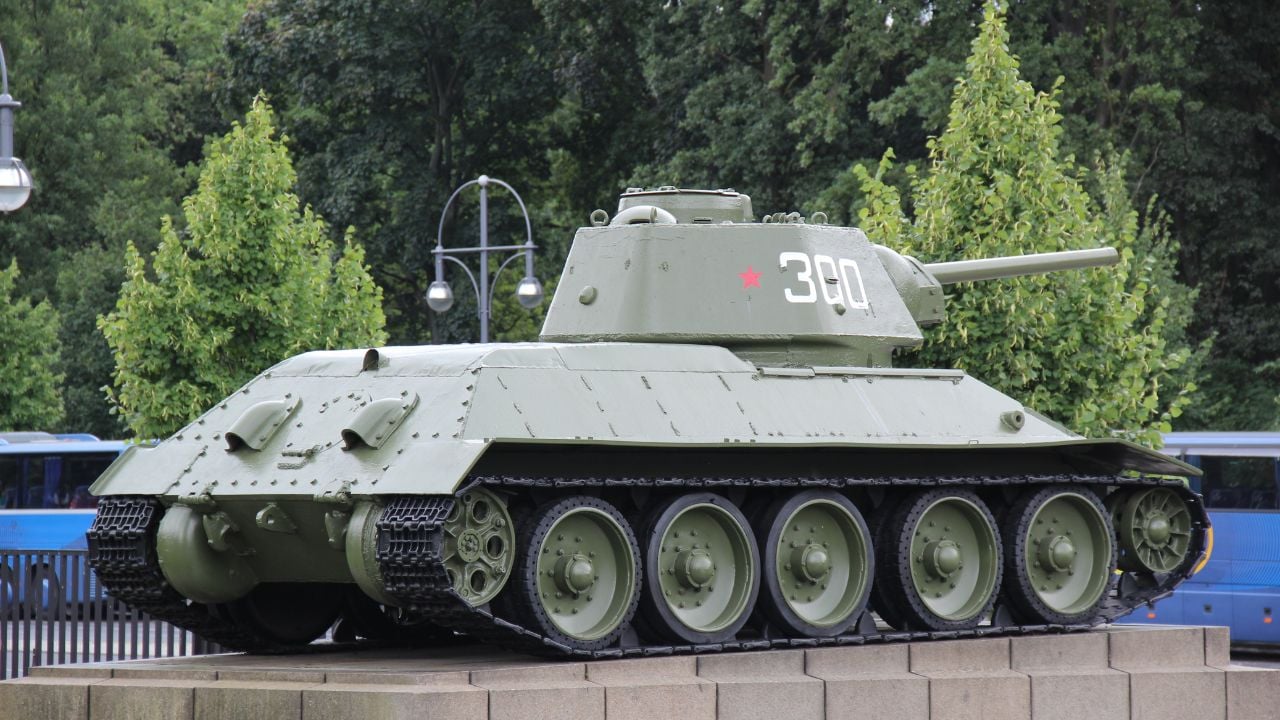
The Soviet T-34 proved its value on the Eastern Front by combining armor, mobility, firepower, and production scale when the Red Army needed all four. It became one of the defining tanks of World War II, and broader T-34 family output is commonly placed above 80,000 vehicles when later T-34-85, postwar, and licensed production are included.
The T-34’s sloped armor, wide tracks, diesel engine, and straightforward manufacturing logic helped it survive the brutal conditions of the German-Soviet war. It could deal with mud, snow, damaged roads, hurried repairs, and rapid replacement cycles better than many more complicated rivals.
Its battlefield value came from persistence. The T-34 did not need perfection to become decisive. It gave Soviet forces a tank that could be produced in huge numbers, repaired under pressure, and used aggressively across vast fronts. Few armored vehicles ever matched that combination of influence, scale, and battlefield presence.
M113 Armored Personnel Carrier
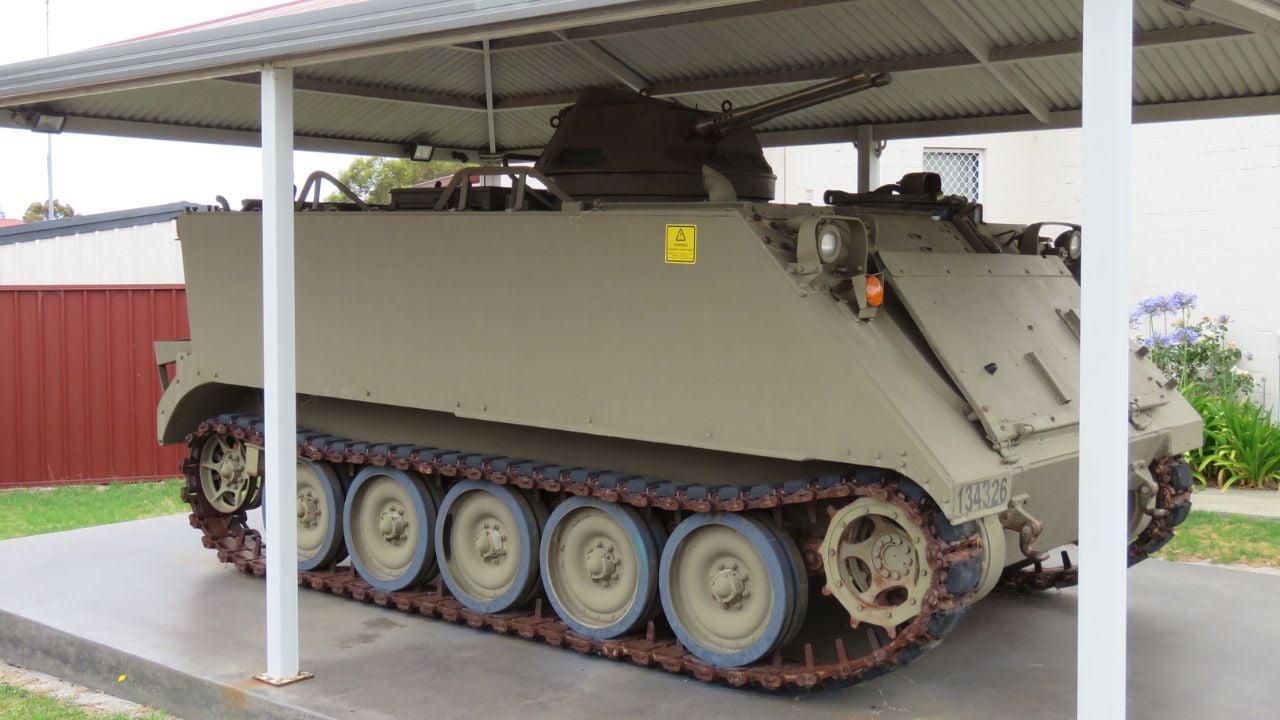
The M113 Armored Personnel Carrier proved that a simple armored box could become valuable far beyond its original job. BAE Systems describes the M113 family as the largest family of armored tracked vehicles in the world, with more than 80,000 vehicles, more than 40 variants, and service with militaries in at least 44 countries.
Adaptability made the M113 last. Armies used it as a troop carrier, command vehicle, ambulance, mortar carrier, recovery platform, and specialized support vehicle. Its basic shape gave commanders room to turn one platform into many battlefield tools.
Combat also showed the limits of its armor as threats became stronger, but the platform’s usefulness remained clear. The M113 moved infantry, carried equipment, and supported mechanized forces in a way that was affordable, repeatable, and easy to modify. That is why it stayed relevant across so many armies and conflicts.
M1 Abrams
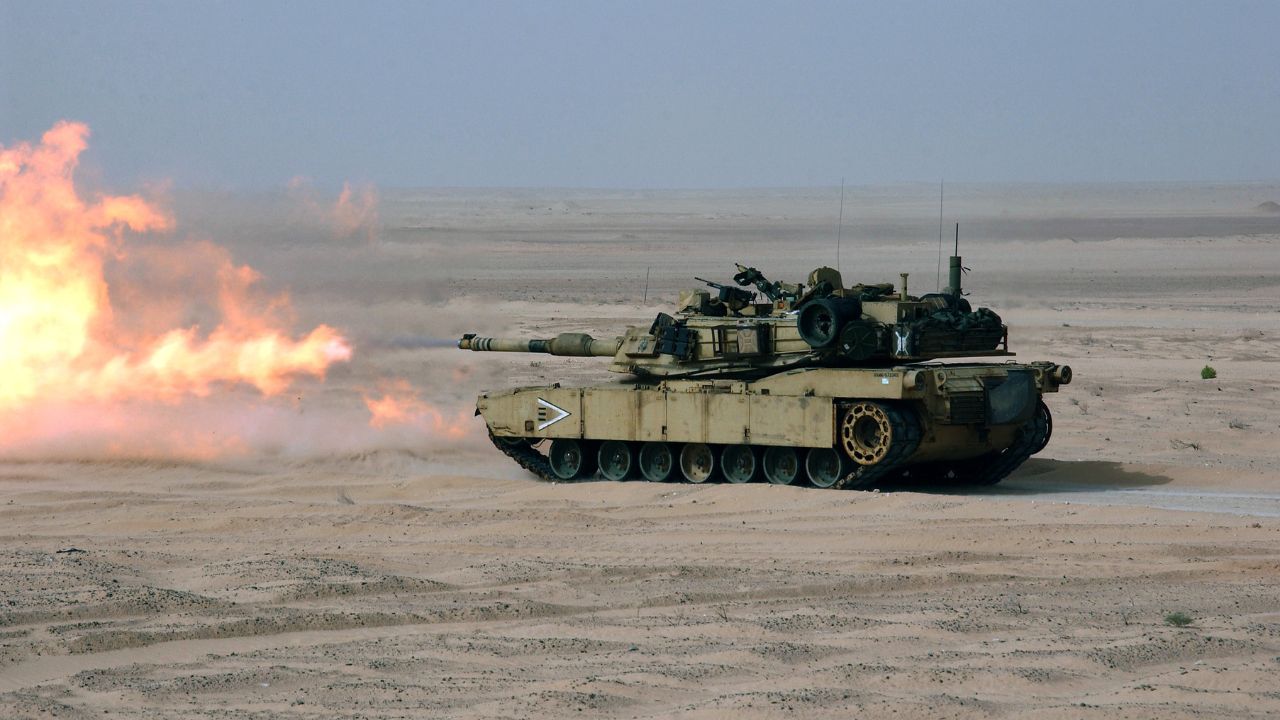
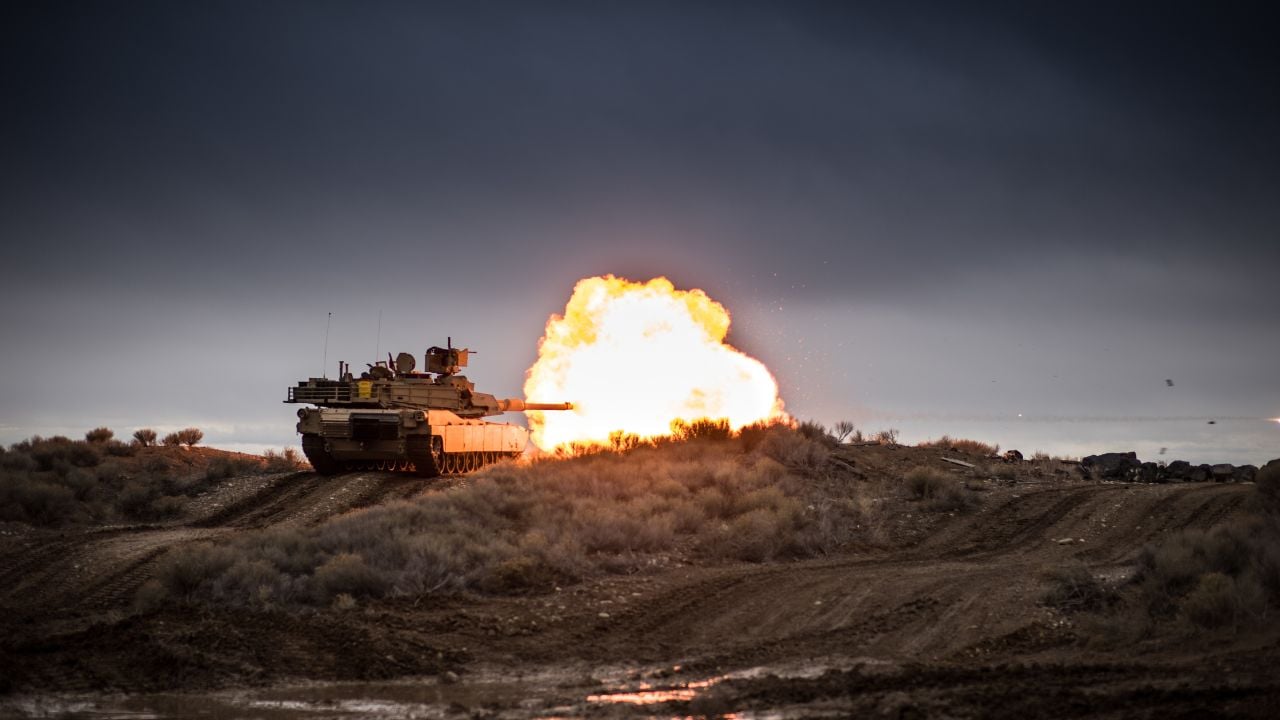
The M1 Abrams proved its modern combat reputation during the 1991 Gulf War. In desert warfare, the Abrams showed the value of thermal sights, long-range target identification, a stabilized main gun, heavy protection, and strong mobility when paired with trained crews and effective logistics.
The M1A1 Abrams could find and engage targets at long range, fire accurately while moving, and survive battlefield punishment that would have destroyed older armored vehicles. Its performance helped show how sensors and crew training could matter as much as armor thickness and gun size.
The Abrams also carried a lesson that remains relevant today. Heavy armor is never just about the vehicle. It requires fuel, maintenance, recovery vehicles, spare parts, trained crews, and a supply chain that can keep the tank in the fight. When supported properly, the Abrams became one of the defining combat tanks of the modern era.
M2 Bradley

The M2 Bradley proved that an infantry fighting vehicle could do far more than move troops behind tanks. The U.S. Army says the Bradley has proved lethal and survivable in multiple theaters since being fielded in 1981. It also says that during the first Gulf War, only three of more than 2,200 Bradleys entering Iraq were lost to enemy fire, and that Bradleys destroyed more armored Iraqi vehicles than the M1 Abrams during that conflict.
The Bradley’s value comes from balance. It carries infantry, protects them better than older troop carriers, and adds meaningful firepower through a 25mm chain gun, machine gun, and TOW anti-tank missiles. That gives it a role between a troop carrier and a tank destroyer.
Recent combat in Ukraine has kept the Bradley in public attention. Crews have valued its transport ability, firepower, thermal optics, and protection compared with older Soviet-designed vehicles. Its continued relevance shows why infantry fighting vehicles matter: they do not replace tanks, but they can give infantry the mobility and weapons needed to survive and fight beside them.
Merkava Mark IV
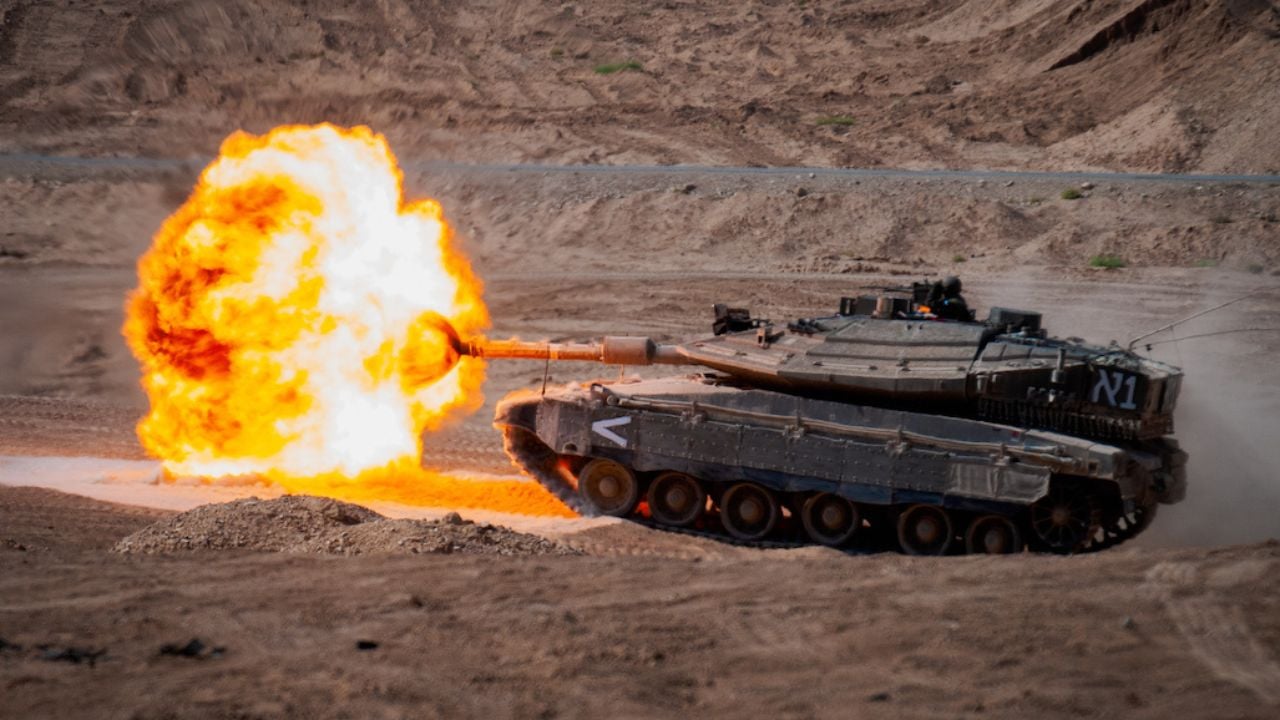
The Merkava Mark IV family proved its value by placing crew protection at the center of Israel’s tank design philosophy. Israel’s Ministry of Defense says each new Merkava generation became more sophisticated, better protected, and adapted to changing battlefields, and it describes the Merkava Mark IV as one of the most advanced tanks in the world.
The Mark IV’s combat relevance grew further with active protection. Trophy-equipped Merkava tanks demonstrated the value of intercepting anti-tank missiles and rocket-propelled grenades before impact, with the system’s first reported operational success coming in 2011 near the Gaza border.
The Merkava Mark IV added survivability lessons beyond armor thickness and gun size. Crew-focused layout, sensors, heavy protection, and active defenses all became part of the same battlefield equation. Modern armored-vehicle design now treats active protection as a serious part of survival, and the Merkava helped push that lesson into combat reality.
Oshkosh M-ATV
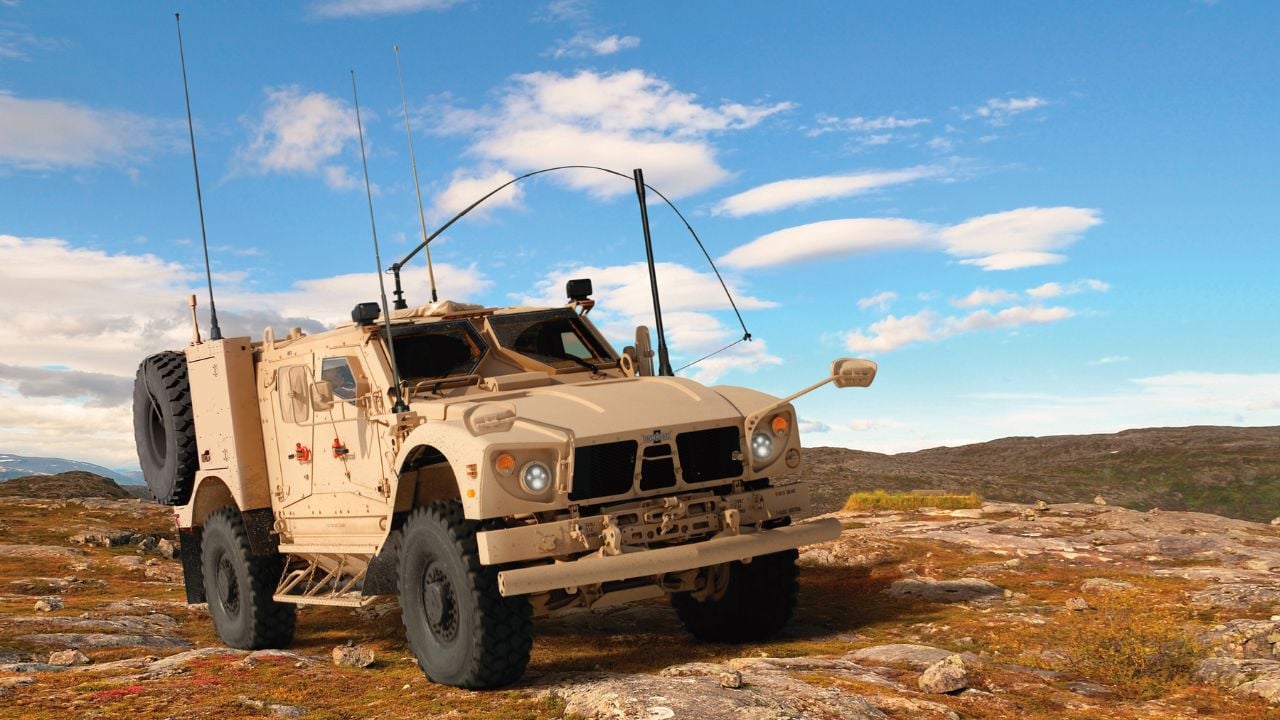
The Oshkosh M-ATV proved its value in Afghanistan by addressing a problem that earlier heavy protected vehicles struggled with: mine-resistant protection combined with off-road mobility. Oshkosh said the M-ATV was developed to meet Afghanistan’s terrain challenges, with survivability, mobility, mission-proven design, and production readiness built around that theater.
Traditional MRAPs gave crews better protection against mines and roadside bombs, but their weight and size could limit movement in mountains, poor roads, and rough terrain. The M-ATV aimed to keep blast protection while improving mobility for patrols, convoys, and missions away from paved routes.
Its combat value came from saving lives while still allowing movement. It was not a tank and did not try to be one. It answered the urgent protected-mobility problem created by improvised explosive devices, ambushes, and difficult terrain.
Why These Vehicles Earned Their Reputations

The strongest armored vehicles prove themselves through the job they perform under combat pressure. The Sherman and T-34 showed how production, reliability, and field repair could shape World War II. The M113 showed how adaptability can keep a simple vehicle useful for decades. The Abrams and Bradley showed how sensors, firepower, mobility, and training could define modern armored combat.
The Merkava added another lesson through crew protection and active defense. The M-ATV showed that protected mobility can be just as important as heavy armor when the main threat comes from mines, ambushes, and roadside explosives.
None of these vehicles was flawless. Every one carried tradeoffs in weight, cost, armor, complexity, mobility, maintenance, or logistics.
Their reputations lasted because they worked where they were needed. In combat, value comes from the machine that crews can trust, commanders can use, mechanics can keep running, and armies can adapt when the battlefield changes.