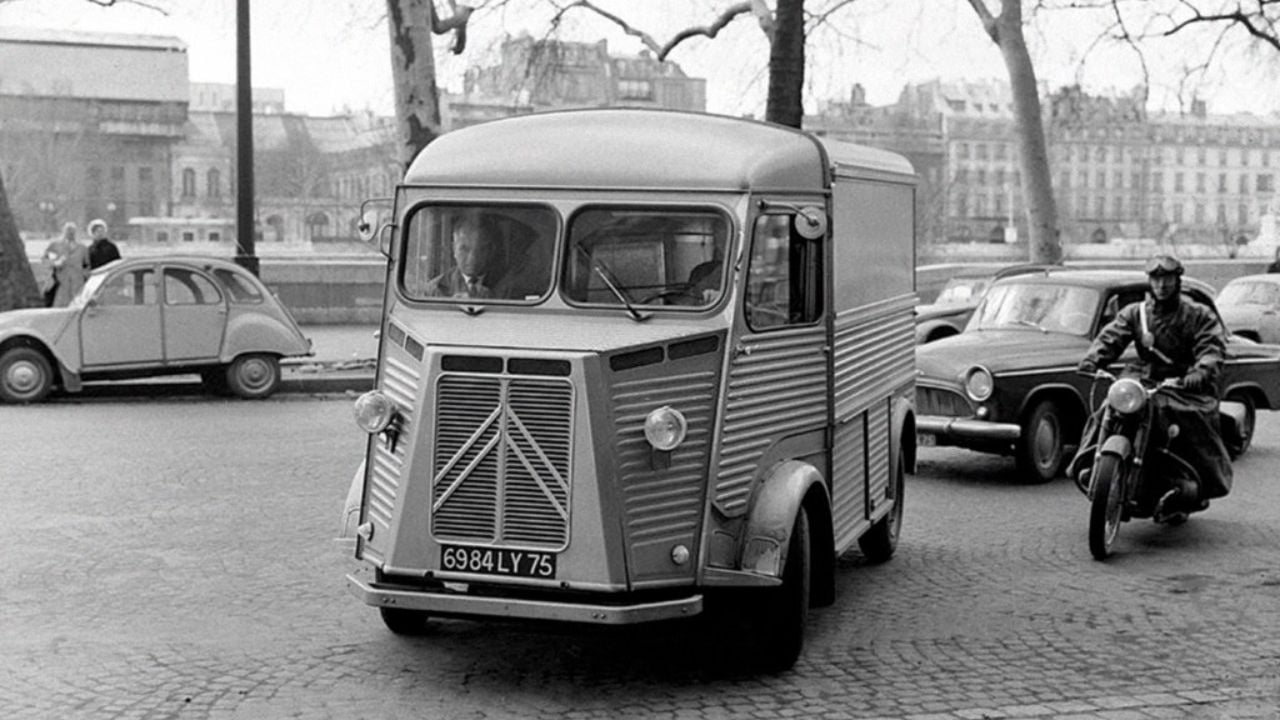
Few commercial vehicles become beloved after their working life ends. The Citroën Type H did exactly that.
Created for a Europe still rebuilding after World War II, the Type H was designed around practical needs rather than glamour. It had to carry goods, serve small businesses, work for public services, and survive hard daily use without expensive complexity.
Its corrugated body, front-wheel-drive layout, low loading floor, tall cargo space, and simple mechanical package made it one of the most recognizable work vehicles in Europe. Bakers, butchers, farmers, tradespeople, postal services, municipal fleets, market sellers, and delivery operators all found a use for it.
Light commercial vehicles rarely get the same attention as sports cars or luxury models, but the Type H earned its place in automotive history. Presented in 1947 and produced into 1981, it became more than a van. It became a symbol of postwar French practicality, clever packaging, and everyday work done without fuss.
A Van Born From Postwar Necessity
After World War II, France needed vehicles that could help ordinary life and commerce restart. Materials were limited, businesses needed affordable transport, and public services needed practical machines that could carry goods through towns, villages, markets, and rural roads.
Citroën approached the problem with the same kind of engineering logic that had already shaped some of its most important cars. Instead of creating a complicated new commercial vehicle from scratch, the company used proven ideas and mechanical knowledge from existing Citroën models, then packaged them inside a body designed almost entirely around usefulness.
The Type H made its public debut at the 1947 Paris Motor Show. From the first look, it was clear this was not a normal van. The ribbed body panels, blunt nose, upright sides, and tall cargo box gave it a shape that looked industrial, practical, and instantly memorable.
That appearance was not decoration. The Type H looked the way it did because Citroën was trying to make a strong, usable, easy-to-load van with the resources and technology available in the postwar years.
Front-Wheel Drive Gave It A Smarter Cargo Area
The Type H’s layout was unusually clever for a commercial vehicle of its era. Its front-wheel-drive arrangement allowed Citroën to keep the loading floor low and the cargo area tall, which made the van easier to use for deliveries, market work, and mobile trades.
The design also used independent front suspension and a compact engine-and-gearbox layout. That gave the Type H a packaging advantage over many traditional rear-wheel-drive vans that had higher floors, more intrusive driveline layouts, or less convenient cargo access.
Early versions used a 1,911 cc gasoline engine derived from the Citroën Traction Avant. In commercial tune, that engine was modest, with output commonly cited at around 35 horsepower. The goal was not speed. The goal was a low floor, strong cargo space, predictable mechanical behavior, and enough power for local work.
Later gasoline versions improved the van’s performance gradually. A 1,628 cc engine arrived in the 1960s, and Citroën later returned to a stronger 1,911 cc unit. By the late 1960s, the higher-output gasoline version gave the Type H more usable power while keeping the same basic work-focused personality.
Even with those updates, the Type H remained a slow vehicle by modern standards. That was acceptable for a van built around town deliveries, market routes, rural service work, and short commercial trips rather than highway speed.
Gasoline And Diesel Engines Kept It Useful
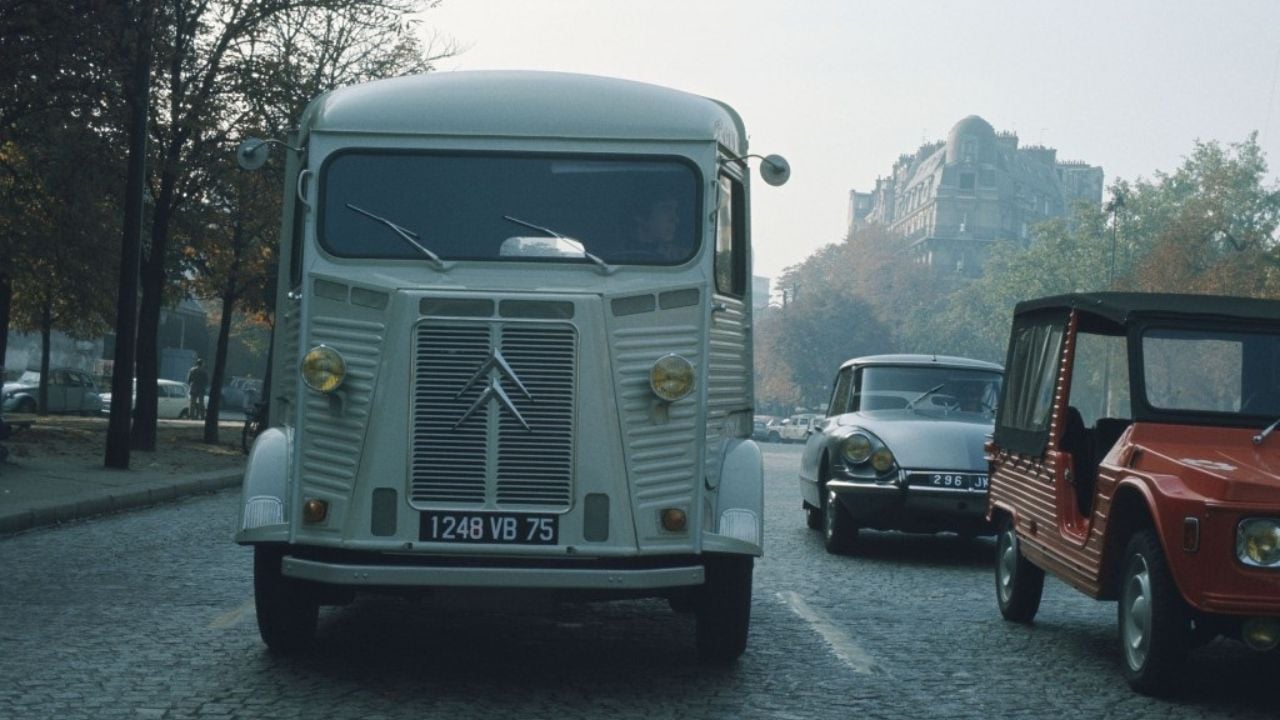
Citroën kept updating the Type H over its long career without changing the basic idea that made it useful. Gasoline engines served early buyers, while diesel power later became important for operators who cared about fuel cost, torque, and daily commercial use.
Diesel power arrived in the early 1960s with a Perkins unit. Citroën later replaced it with an Indenor diesel, and later updates brought more power for heavier work. Those changes mattered because many Type H buyers were not private motorists. They were businesses and public services counting operating costs every day.
The Type H’s transmission remained simple. Citroën Origins lists the van with a three-speed gearbox through the end of production, and that fit the vehicle’s job. This was not a van built for relaxed motorway cruising. It was built to carry loads at modest speeds with as little complication as possible.
The front-wheel-drive layout remained one of its greatest strengths throughout production. By keeping the floor low and the interior tall, Citroën gave operators a van that was easier to load, easier to adapt, and more useful in tight commercial spaces.
A Simple Body With Clever Strength
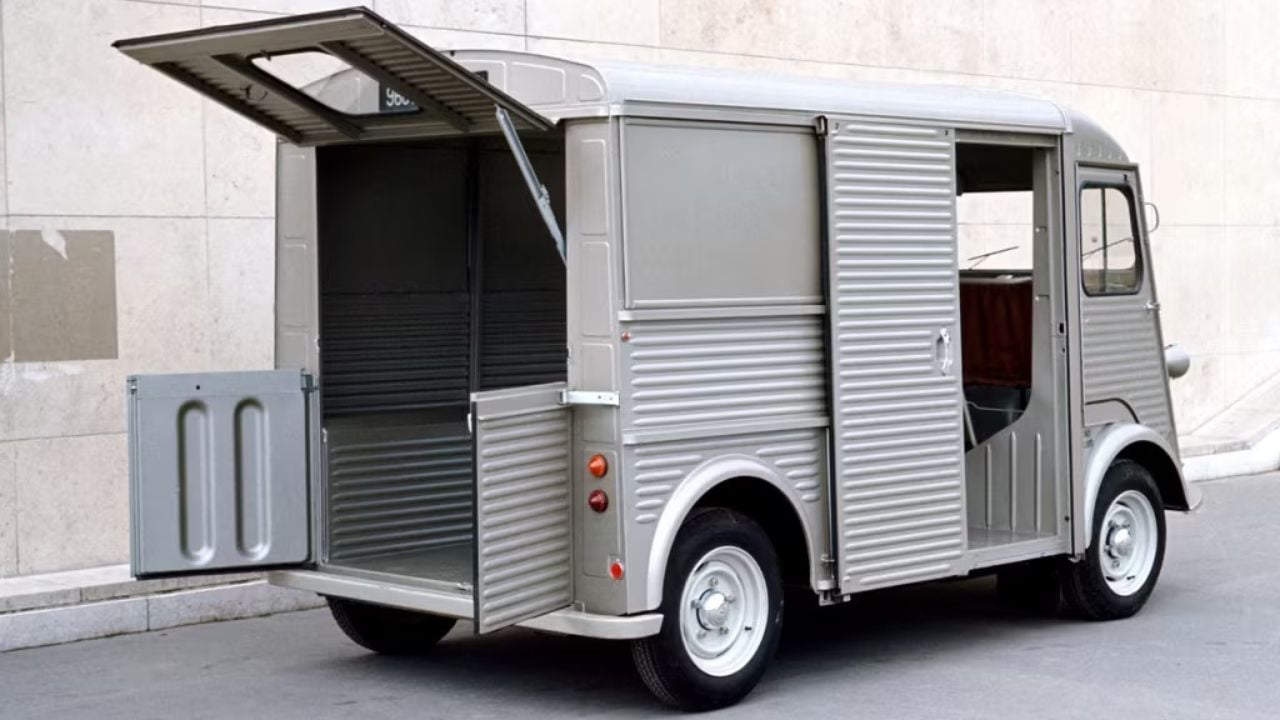
The Type H’s corrugated steel body became its visual signature, but the ribs were not there just to make the van memorable. The corrugations helped strengthen the panels, allowing Citroën to use thinner steel while giving the body the stiffness it needed for hard daily work.
That was the brilliance of the design. The same feature that made the van look distinctive also helped make it practical. It saved weight, supported durability, and created a shape that owners could recognize from the far side of a street or market square.
Citroën Origins lists the Type H at 4.28 meters long, 2.00 meters wide, and 2.34 meters tall, with a kerb weight of about 1,400 kilograms. Those dimensions gave it a compact footprint by commercial standards while still leaving useful standing room and load space inside.
The rear opening also helped. The Type H used three-part rear doors, and many versions had a sliding side door, which made loading and unloading easier in narrow streets or busy work areas.
Citroën adapted the van into multiple versions over time. Early H models carried roughly 1,200 kilograms, while HZ versions traded payload for different gearing and lower capacity. The HY became the better-known higher-payload version, and later naming changes reflected payload updates and engine choices. Chassis-cab versions also allowed coachbuilders to create specialist bodies for trades, livestock transport, market stalls, and other commercial jobs.
A 34-Year Career Across Europe
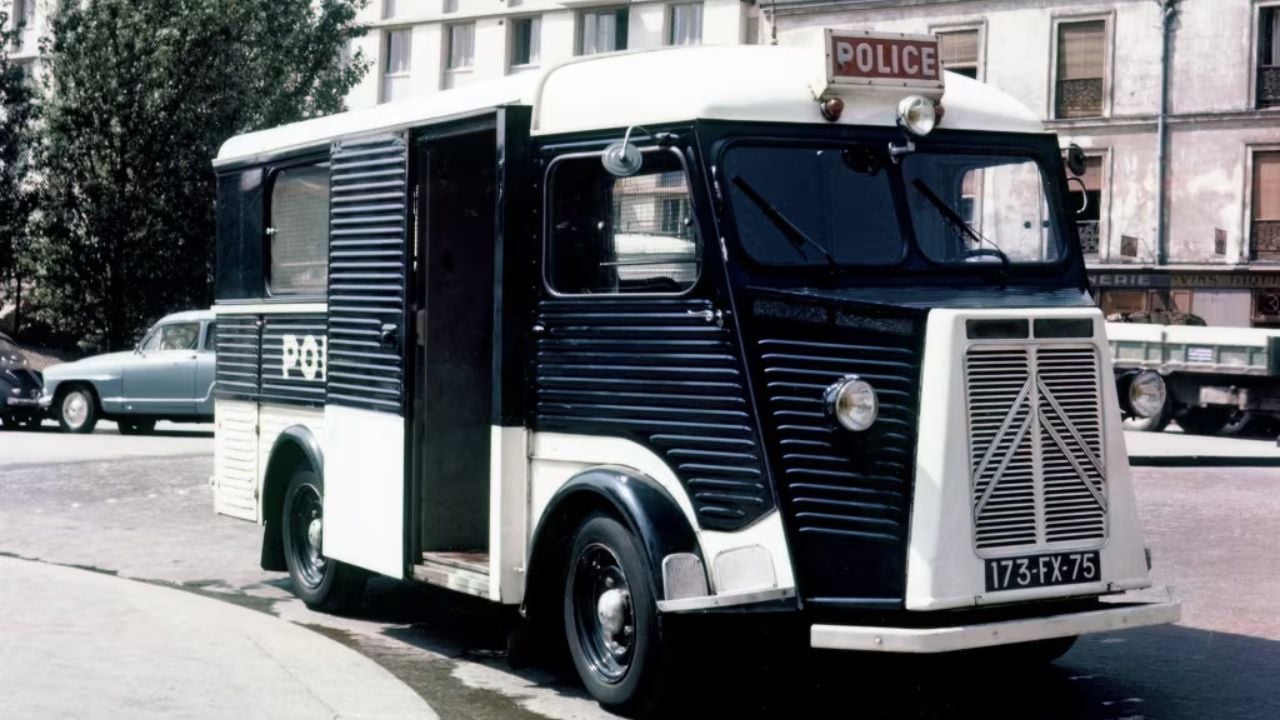
Citroën Origins lists Type H production from 1948 to 1981, and the van is widely associated with a 34-year career after its 1947 debut. About 473,000 examples were built, which shows how well the design matched the needs of commercial users.
The Type H was never about luxury, speed, or status. It was about access, space, loading height, mechanical familiarity, and body adaptability. Those are the details that matter when a vehicle works every day instead of appearing in showrooms as a lifestyle accessory.
By the 1970s, the original concept was aging. Commercial vehicles were becoming more powerful, more comfortable, safer, and easier to drive at higher speeds. Buyers also expected better gearboxes, stronger engines, and more modern cabins than a design born in the 1940s could easily provide.
Citroën finally ended Type H production in 1981, closing one of the longest-running chapters in European light commercial vehicle history. The replacement era brought more modern vans, but few had the same visual personality.
A Working Van That Became A Cultural Symbol
The Type H is no longer a normal working sight on European roads, but its reputation has grown stronger with age. What once looked like a purely practical van now feels like one of the clearest visual symbols of postwar France.
Surviving examples still appear as food trucks, coffee vans, promotional vehicles, market displays, camper conversions, and restored classics. The same tall box, low floor, sliding door, and wide serving-friendly body that helped small businesses decades ago still makes the van useful in its second life.
That modern affection did not come from speed or rarity alone. It came from design honesty. The Type H looked unusual because Citroën was solving practical problems with limited resources and smart packaging.
The van was created as a tool, but time made it warmer and more memorable. Its legacy comes from the way it turned ordinary work into something recognizable, useful, and strangely charming. Few commercial vehicles manage that. The Citroën Type H did it for more than three decades, then kept doing it long after production ended.
This article was originally published by Autorepublika.com and is republished with permission. It has been reviewed and edited by Guessing Headlights.