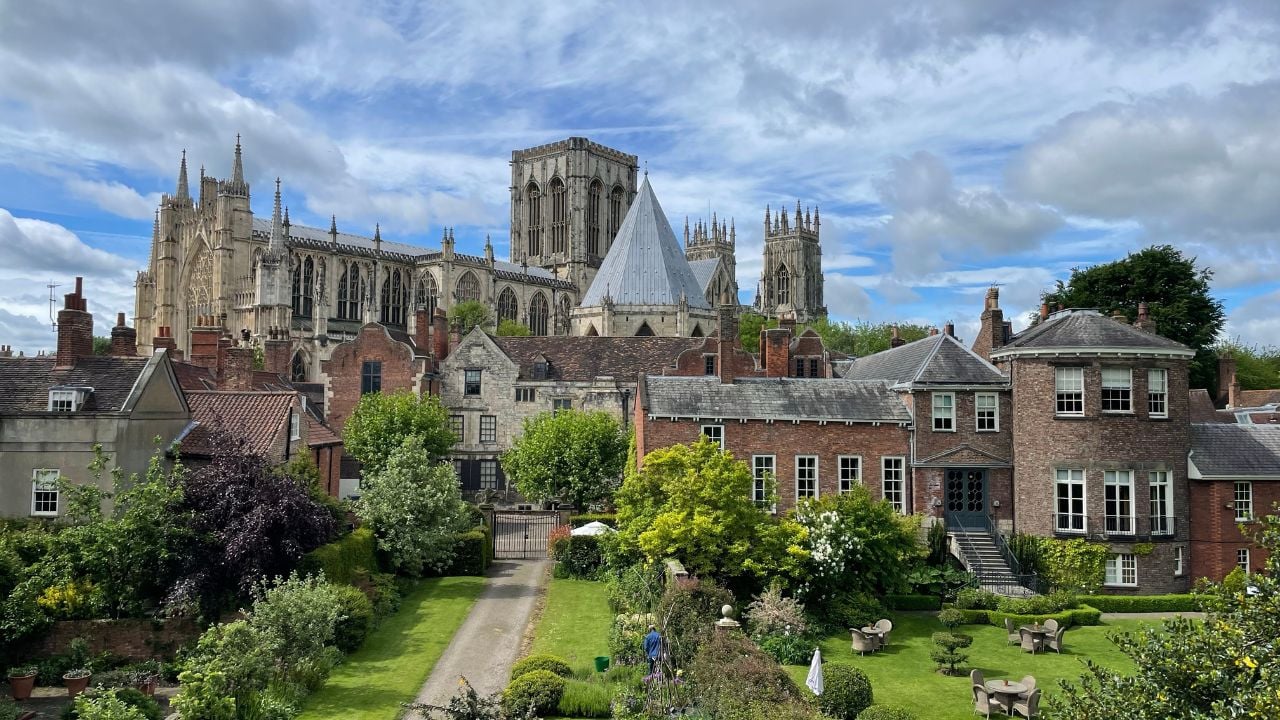
A walkable city break saves more than taxi money. It removes small decisions from the day: which tram to take, where to transfer, how far the next neighborhood really is, or whether a quick coffee stop will throw off the whole plan.
In the right European city, the main sights sit close enough that the walk becomes part of the trip. A cathedral square leads into market streets. A river path turns toward a bridge. Arcades, walls, canals, or old lanes give the day a visible shape without forcing travelers to keep checking a map.
The best places for this kind of trip are not just pretty historic centers. They are cities where food, architecture, viewpoints, museums, and local streets stay close enough for a short stay to feel relaxed. Public transit is still useful, especially for train stations, rain, luggage, or tired feet, but it does not have to run the whole visit.
These seven European cities are especially good for travelers who want a compact base, strong street life, and enough variety to fill a weekend without turning every day into a transport plan.
1. Strasbourg, France

Strasbourg is easy to explore on foot because its historic center gives the day a clear route from the start. The Grande Île sits between branches of the Ill River, with the cathedral, old lanes, bridges, canals, and Petite France close enough to connect without building the day around transit.
The official tourism site describes the Cathedral district on the Grande Île as fully pedestrianized, with narrow streets, shops, food businesses, and traditional winstubs serving Alsatian specialties. That setup matters on a short stay. A visitor can begin at the cathedral, turn into the surrounding lanes, stop for lunch, and continue toward the canals without losing half the afternoon to logistics.
Petite France gives the walk a different texture after the cathedral streets. Half-timbered houses lean toward the water, bridges break up the route, and restaurant terraces sit close to the canals. Strasbourg works well for travelers who like landmarks to guide the day, but still want the best moments to happen between them.
2. Bologna, Italy
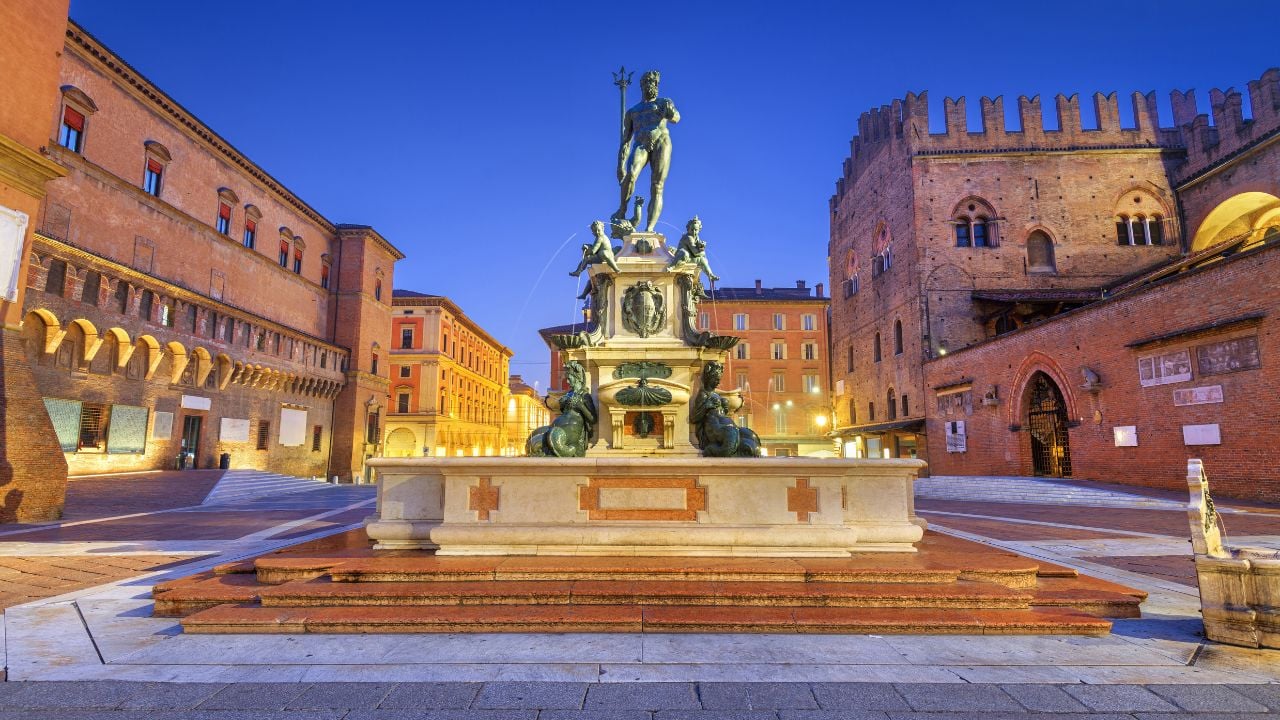
Bologna’s great walking advantage is overhead. Its porticoes link streets, squares, markets, churches, and university corners with cover from sun and rain, so movement through the city feels less exposed than in many other Italian destinations.
Bologna Welcome says the city has more than 62 kilometers of arcades across the urban area, and UNESCO recognizes the porticoes as a World Heritage property. For travelers, that is not only an architectural fact. It means a hot afternoon, a wet morning, or a long lunch does not break the route as easily.
Start around Piazza Maggiore, then walk toward the Quadrilatero food streets, the university area, and the quiet courtyards around Santo Stefano. Bologna is especially good for travelers who want meals folded into the day instead of treated like separate appointments across town. Coffee, pasta, markets, bookshops, and churches can all sit inside the same easy walk.
3. Bern, Switzerland
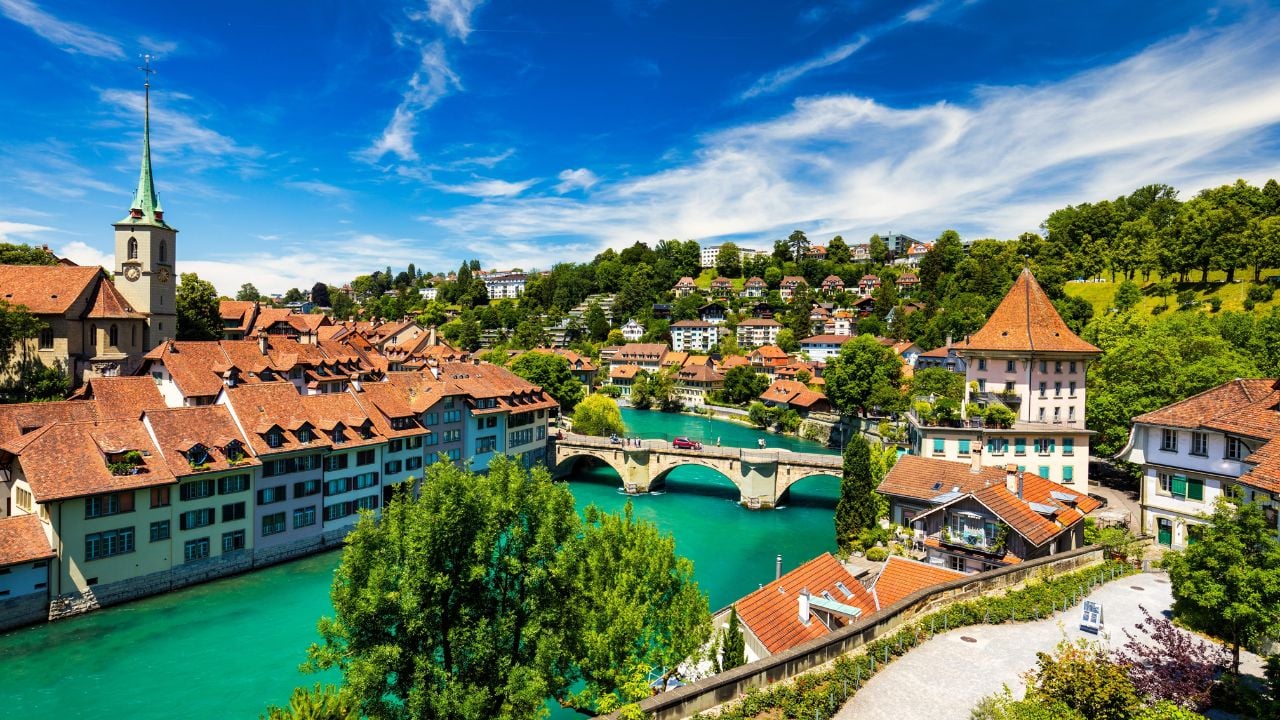
Bern’s old town is simple to understand on foot because the Aare River wraps around it. The river bend gives the center a natural edge, while the long arcaded streets pull visitors through shops, fountains, cafés, and historic façades without making the route feel scattered.
UNESCO describes the Old City of Bern as a 12th-century settlement on a hill site surrounded by the Aare River, with 15th-century arcades and 16th-century fountains. Switzerland’s tourism site also highlights the old town’s medieval arcades and river-framed setting. Together, they make Bern one of the easiest historic capitals in Europe to read at street level.
A first walk can follow the arcades toward the Zytglogge, continue past fountains and sandstone façades, then open toward bridges and river views. The compact layout helps practical things happen naturally too: lunch, a tram stop, a viewpoint, and a quiet street can all appear without dragging the day away from the old center.
4. York, England
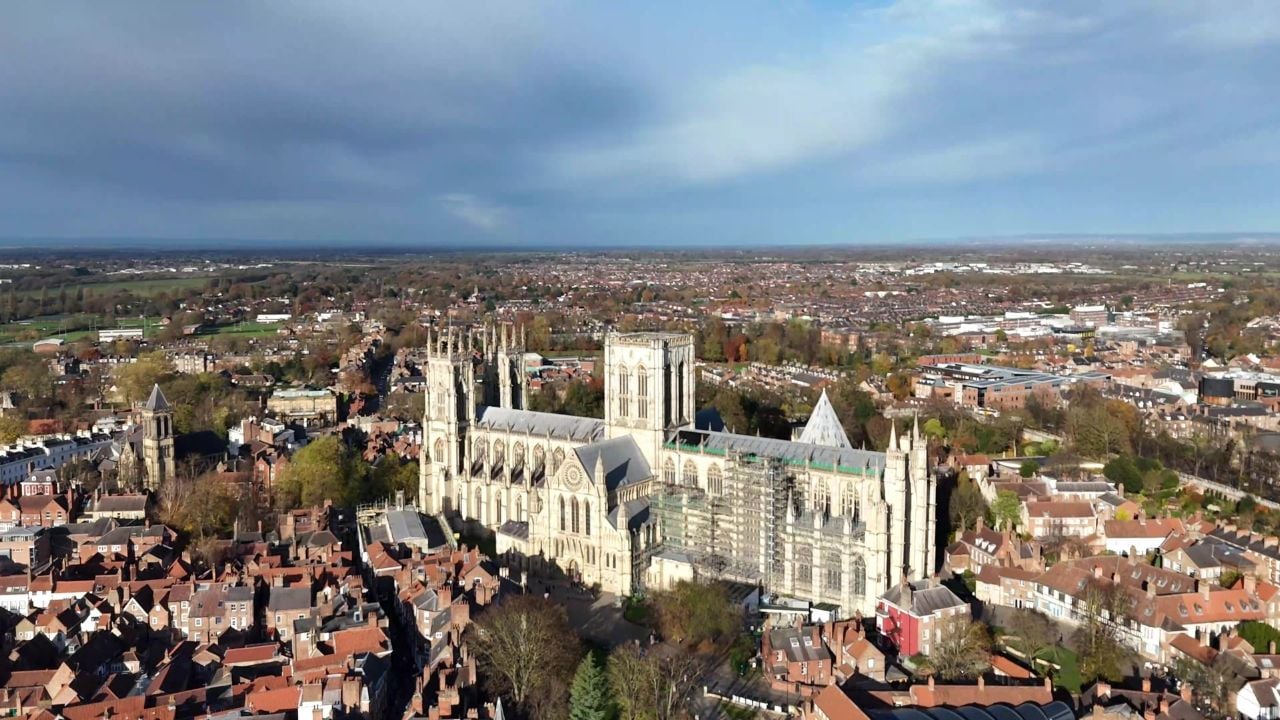
York gives visitors a walking route before they even choose an itinerary. The city walls form a raised outline around the historic center, so a first-time visitor can see the shape of the old city, the Minster, rooftops, gates, and streets from above before dropping back into the lanes.
The York Walls guide says York’s medieval City Walls comprise 3.4 kilometers of surviving masonry and are the longest town walls in England. Visit York also notes that the walls surround the city center and are free to access on foot. That makes them more than a landmark; they are a practical way to orient a weekend.
Inside the walls, the main sights sit close together. York Minster, the Shambles, museum stops, tea rooms, small shops, and riverside paths can fit into a short stay without constant backtracking. The best walks are not only on the walls either. Step down into the old streets and the city keeps changing between stone towers, timbered shopfronts, narrow passages, and sudden views toward the river.
5. Salamanca, Spain
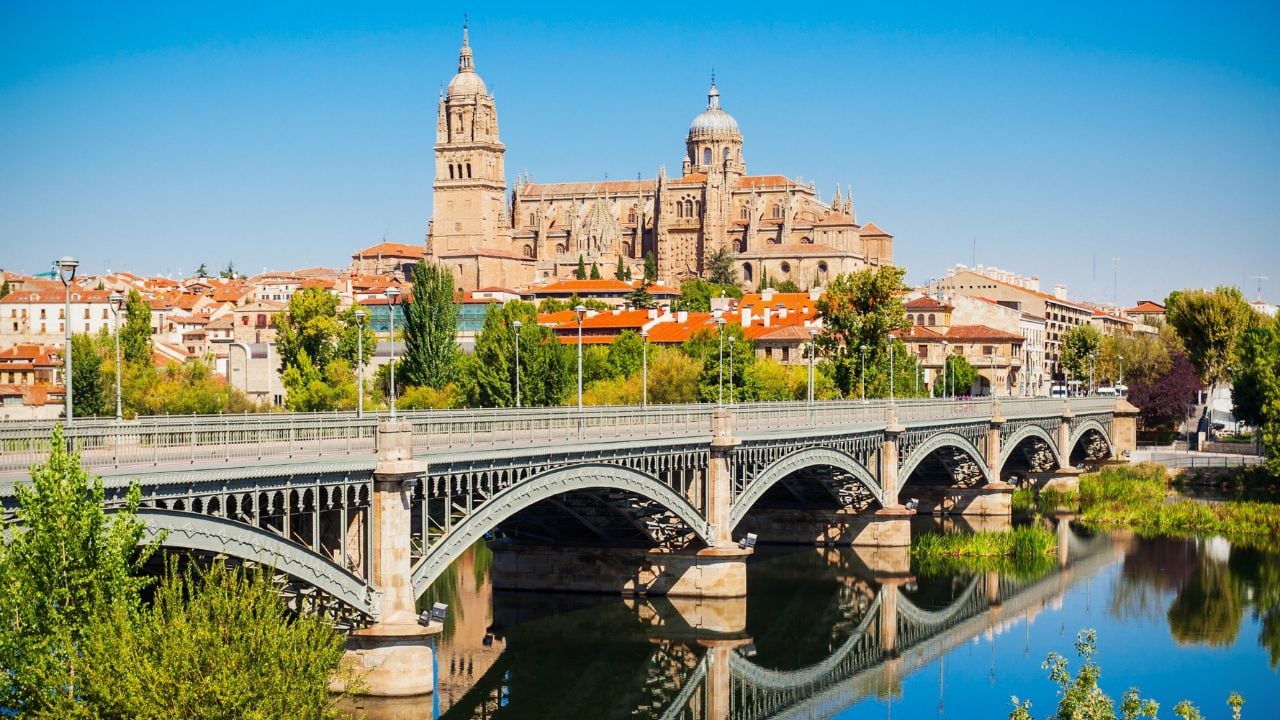
Salamanca earns its place because its biggest historic sights cluster tightly around the old center. Plaza Mayor, the university, the cathedrals, Casa de las Conchas, cloisters, cafés, and tapas streets sit close enough that a visitor can build the day around walking instead of transit.
UNESCO describes Salamanca as an ancient university town with Romanesque, Gothic, Moorish, Renaissance, and Baroque monuments in the historic center. That range could feel exhausting in a larger city, but Salamanca keeps the main architectural drama within a manageable area.
Begin in Plaza Mayor, then move toward the university and the cathedral quarter. The city’s golden sandstone changes with the light, especially late in the day, when façades, towers, and arcades take on a warmer color. Meals are easy to fold into the route because cafés and tapas bars sit close to the main historic streets, so a short break does not require a new plan.
6. Vilnius, Lithuania

Vilnius is larger and looser than some old-town breaks, but that is part of why walking suits it. The historic center has enough space for detours, yet the main routes still connect naturally through squares, university courtyards, churches, old streets, viewpoints, and café pockets.
UNESCO says Vilnius Historic Centre preserves Gothic, Renaissance, Baroque, and Classical buildings, along with its medieval layout and natural setting. On foot, that mix appears gradually: a church tower above a street, a courtyard behind an archway, a painted façade, then a slope or viewpoint that changes the scale of the city.
A first walk can connect Cathedral Square, the university area, Pilies Street, the Gates of Dawn, and Užupis. Another can focus on bakeries, bookshops, side lanes, and viewpoints instead of major monuments. Vilnius works well for travelers who want a walkable old town with more room to drift than a tiny postcard center.
7. Freiburg im Breisgau, Germany
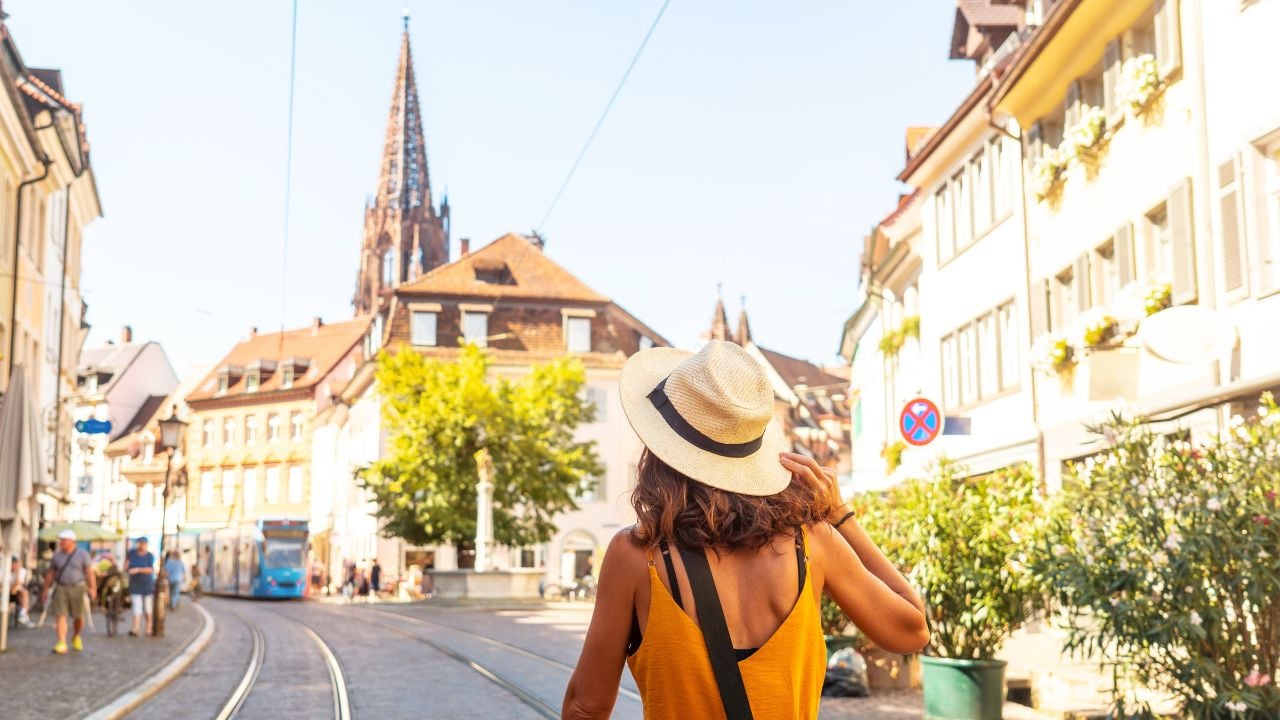
Freiburg makes walking easy because the old town, market streets, small waterways, river paths, and hillside views sit close together. A visitor can spend the morning around the cathedral market, follow lanes past shopfronts and Bächle, then climb toward Schlossberg or walk along the Dreisam without turning the day into a transfer exercise.
The official tourism site encourages visitors to explore Freiburg’s old town, with walking routes over Schlossberg and along the Dreisam River. That edge-of-nature setting is the city’s advantage. The Black Forest is nearby, but the trip does not have to leave the center to feel greener.
Freiburg is especially useful for a relaxed short stay. The cathedral square, market stalls, old lanes, cafés, Bächle, and hillside paths give the day several directions without spreading the sights too far apart. A small change of plan rarely ruins the route, because food, architecture, water, and views stay within walking distance.