
Car dealerships have long faced criticism for confusing pricing tactics and surprise fees, but federal regulators appear increasingly willing to crack down on the practice. The Federal Trade Commission has now issued nearly 100 warning letters to dealerships over what it describes as potentially illegal advertising and pricing behavior.
According to Automotive News, the FTC recently sent letters to 97 dealerships across the United States warning them about deceptive pricing practices that may violate federal consumer protection laws. The agency says it is closely monitoring the retail automotive industry and expects dealers to clean up questionable advertising tactics.
The warning letters do not yet represent formal enforcement action or lawsuits. Instead, they serve as a signal that regulators are actively watching dealerships accused of advertising prices customers can rarely, or never, actually receive.
For buyers already frustrated by modern car shopping, the move highlights growing pressure on dealerships to improve transparency. Hidden fees, misleading discounts, and confusing financing conditions have become major complaints as vehicle prices continue climbing nationwide.
The FTC Says Some Ads Are Misleading Buyers
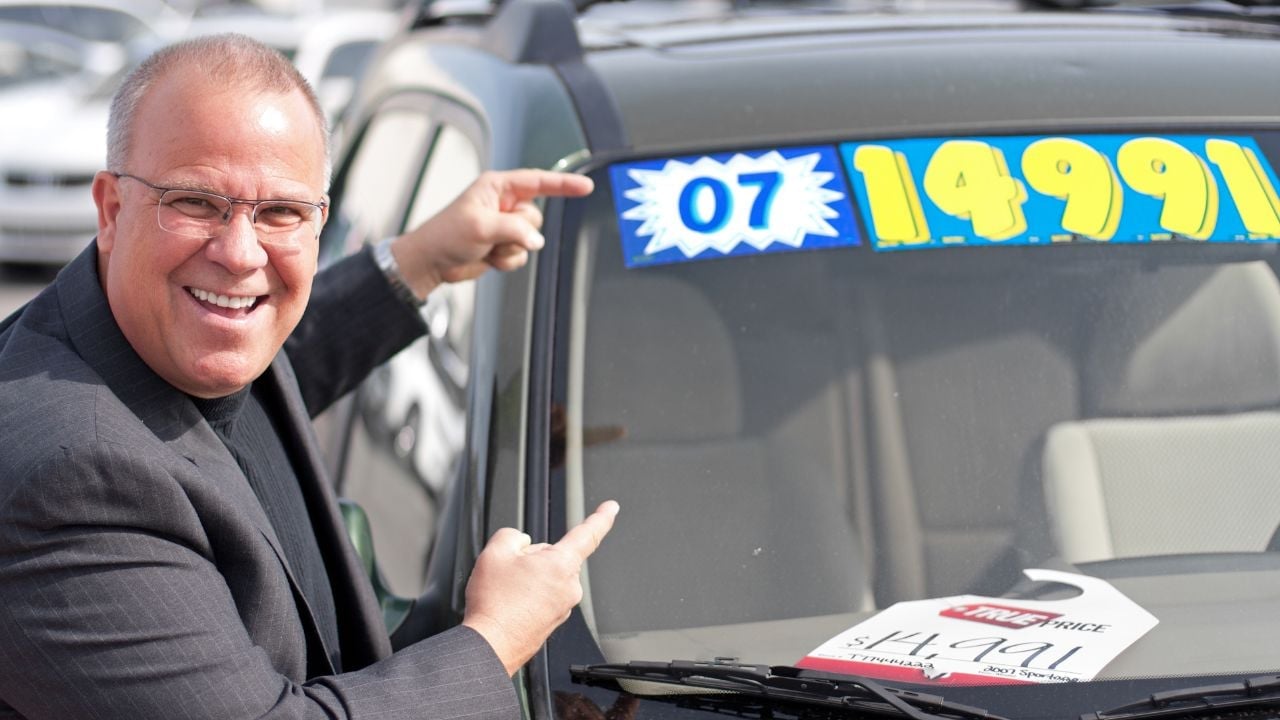
According to the FTC, one of the biggest problems involves dealerships advertising unrealistically low prices that exclude mandatory costs or conditions. Customers often arrive expecting one price, only to discover thousands of dollars in extra fees or financing requirements.
The agency outlined several practices that raised concerns during its review. Those reportedly include advertisements that leave out mandatory add-ons, hide required down payments, or promote discounts unavailable to most buyers.
Another issue involves dealers conditioning advertised pricing on using dealership-arranged financing. In some cases, buyers only qualify for the advertised deal if they agree to higher-interest loans or additional products they never intended to purchase.
The FTC also flagged dealerships advertising vehicles that may not actually be available. Listing nonexistent inventory or difficult-to-obtain models at attractive prices can lure customers into showrooms before sales staff redirect them toward more expensive alternatives.
Honest Dealers Are Also Feeling The Impact
Federal regulators argue deceptive pricing doesn’t just harm consumers. FTC officials say honest dealerships also struggle to compete against rivals using misleading advertisements to attract traffic.
Christopher Mufarrige, director of the FTC’s Consumer Protection Division, said the agency is concerned that law-abiding dealers are effectively punished when competitors advertise unrealistic prices without fully disclosing conditions and fees.
That issue has become increasingly important as vehicle affordability worsens across the market. With average transaction prices hovering near record highs, even small advertised discounts can heavily influence buyer decisions.
The automotive retail environment is already intensely competitive, especially as inventory levels normalize following years of supply shortages. Regulators appear worried that aggressive pricing games may become even more common as dealers fight harder for customers.
The FTC Wants Dealers To Review Everything
Compliance experts say the warning letters should serve as a wake-up call for the broader dealership industry. Even businesses that did not receive letters are reportedly being encouraged to review their advertising practices carefully.
That review extends beyond traditional newspaper ads or dealership websites. Social media promotions, online listings, video advertisements, and even verbal claims made by sales staff could potentially attract regulatory scrutiny if they are misleading.
The FTC’s concerns also reflect how modern car shopping has changed. Many buyers now begin their search online, where aggressive pricing tactics can spread rapidly across search results, marketplaces, and social media feeds.
Because of that, misleading digital advertising can affect far more consumers than traditional local dealership marketing once did. Regulators appear determined to push dealerships toward clearer and more transparent pricing practices.
Car Buyers Are Paying Closer Attention

For consumers, the FTC’s actions validate frustrations many buyers have experienced for years. Hidden fees, surprise add-ons, inflated financing terms, and confusing paperwork remain among the most common complaints during the car-buying process.
Dealerships continue defending some fees and add-ons as necessary business practices, particularly as profit margins fluctuate. However, regulators increasingly seem unwilling to tolerate advertising that obscures the true cost of purchasing a vehicle.
The warning letters also arrive as affordability concerns dominate the automotive industry. Buyers are already dealing with expensive loans, high insurance costs, and rising maintenance expenses, leaving little patience for deceptive pricing tricks.
While the FTC has not yet announced formal penalties tied to the latest warning letters, the message is clear: regulators are watching dealership pricing practices closely, and the era of bait-and-switch advertising may be facing far greater scrutiny than before.