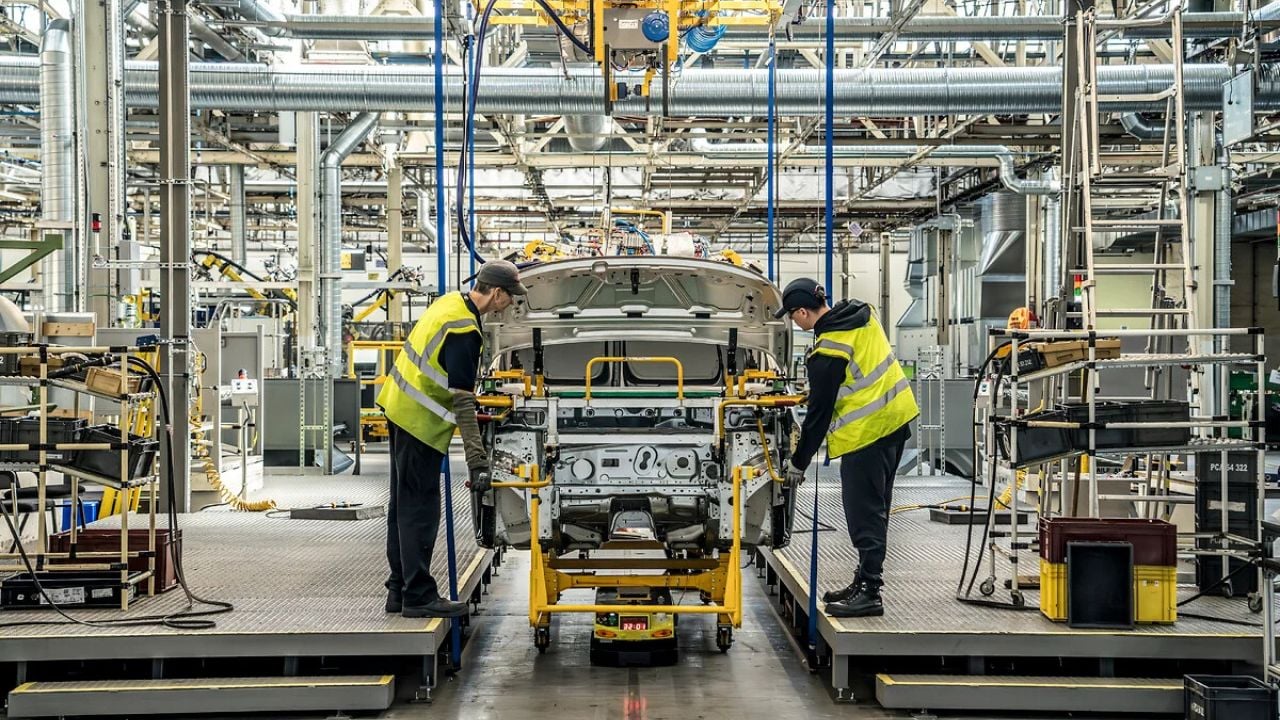
Stellantis has presented a new five-year strategy called FaSTLAne 2030, with plans to invest about $65 billion in restructuring and technological transformation.
About $26 billion of that amount will go toward the development of completely new models. The rest will support factory modernization, software infrastructure, and global partnerships.
Antonio Filosa, the company’s new CEO, is trying to bring Stellantis back to stable growth and profitability after major financial losses last year.
The plan also shows that the 2021 strategy created under former CEO Carlos Tavares did not deliver the results Stellantis expected, especially when it came to the speed of the EV transition.
STLA One Becomes The New Core Platform
The old plan relied heavily on battery electric vehicles and four separate platforms: STLA Small, STLA Medium, STLA Large, and STLA Frame. Under the new strategy, those will be simplified through a universal architecture called STLA One.
The first models on STLA One are expected in 2027. By the end of the decade, Stellantis plans to build more than 30 new vehicles on this technical base, with the strongest focus on Europe and models in the B, C, and D segments.
The platform will still support different powertrain types, although most future models are expected to include some form of electrification. That gives Stellantis more flexibility as demand for EVs changes from one region to another.
STLA One uses an 800-volt electrical architecture for faster charging and stronger performance. Battery cells will be integrated directly into the body structure, while the company will rely heavily on lithium iron phosphate batteries to reduce production costs.
Lower Costs And Shorter Development Times
Stellantis says vehicles based on STLA One should cost about 20% less to produce than today’s models. Existing architectures will not disappear immediately, but the company expects half of all its vehicles to use only three global platforms by 2030.
The company is also introducing a unified software ecosystem. STLA Brain, STLA SmartCockpit, and STLA AutoDrive will bring together vehicle electronics, digital cabins, operating systems, and autonomous driving features across future models.
Instead of developing everything alone, Stellantis will work with technology partners. Wayve will support autonomous driving, Applied Intuition will help with AI systems, and Qualcomm will provide processors and computing infrastructure.
The development cycle should also become much faster. Stellantis wants to reduce the time needed to create a new model from about 40 months to only 24 months through greater modularity and closer cooperation with partners.
Chinese Partnerships Take A Bigger Role
Some of the most important projects involve Chinese automakers. Through Leapmotor International, Stellantis will begin building a new compact Opel crossover in Spain in 2028, based on a Leapmotor platform.
The company is also preparing an ultra-affordable family of electric vehicles called E Car, developed with help from Chinese partners. Dongfeng will also play a major role in renewing Peugeot and Jeep models for the Chinese market.
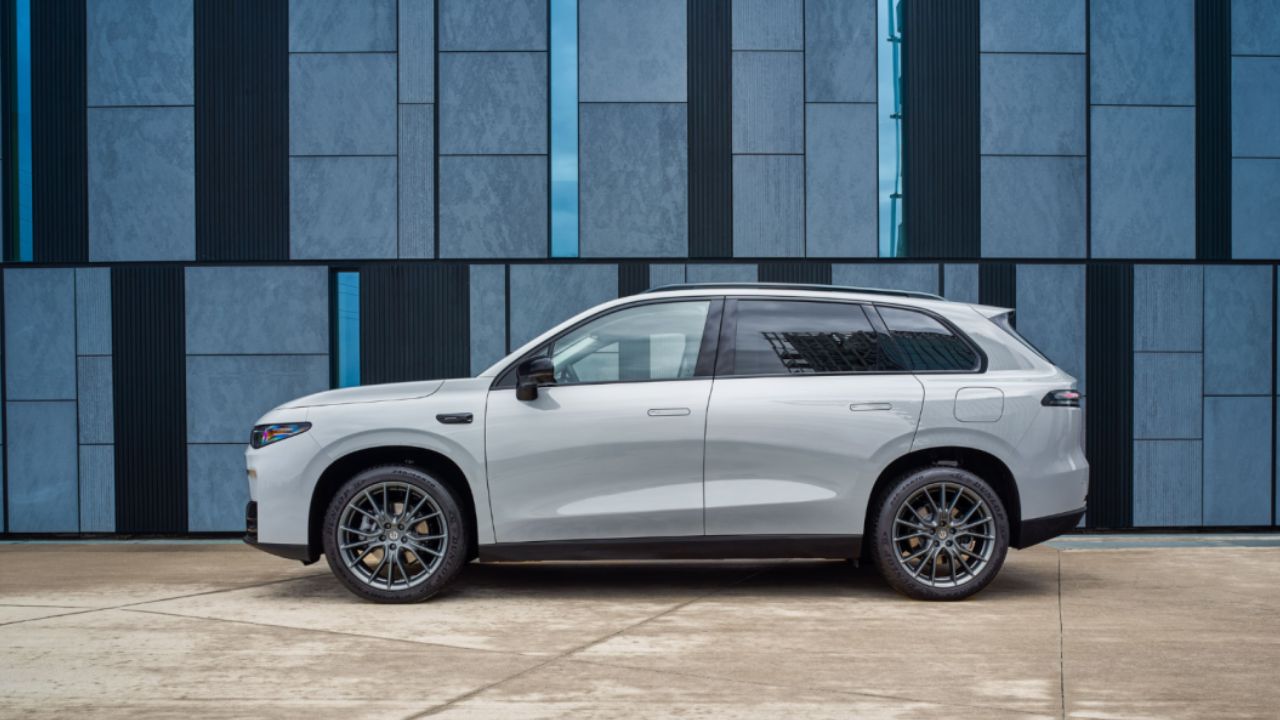
Future Stellantis models in China will use Dongfeng platforms, while in Europe the two companies plan to develop and localize the premium Voyah brand. Production of Voyah vehicles could eventually take place in France.
Stellantis is also planning joint development of new U.S. market models with Jaguar Land Rover. A new cooperation with Tata, which owns Jaguar Land Rover, has also been confirmed, although details remain limited. That partnership will focus on Asia, Africa, the Middle East, and Latin America.
Maserati And The Brand Structure Are Changing
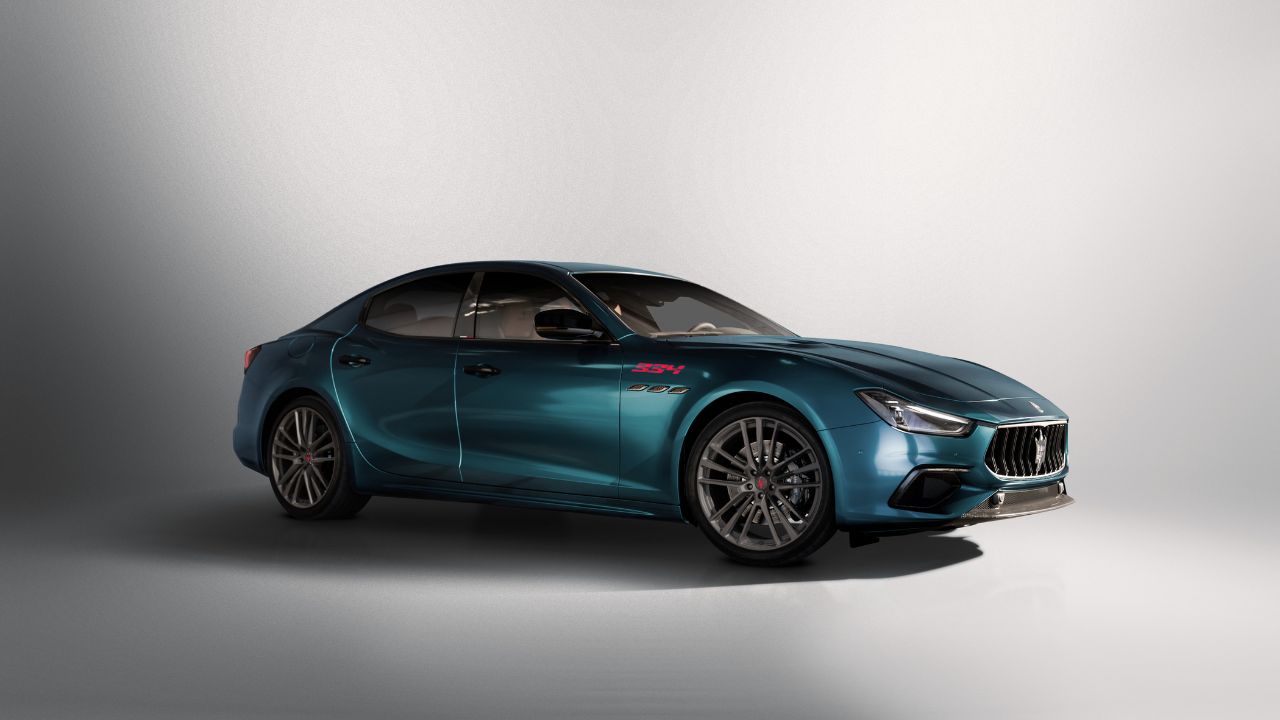
Maserati remains one of the most closely watched names inside the group. There has been growing speculation that the brand could work with Maextro, the Chinese luxury project backed by Huawei and JAC.
There is still no official confirmation, but Stellantis has announced two new Maserati E segment sedans. Those models could become an important part of the brand’s next chapter.
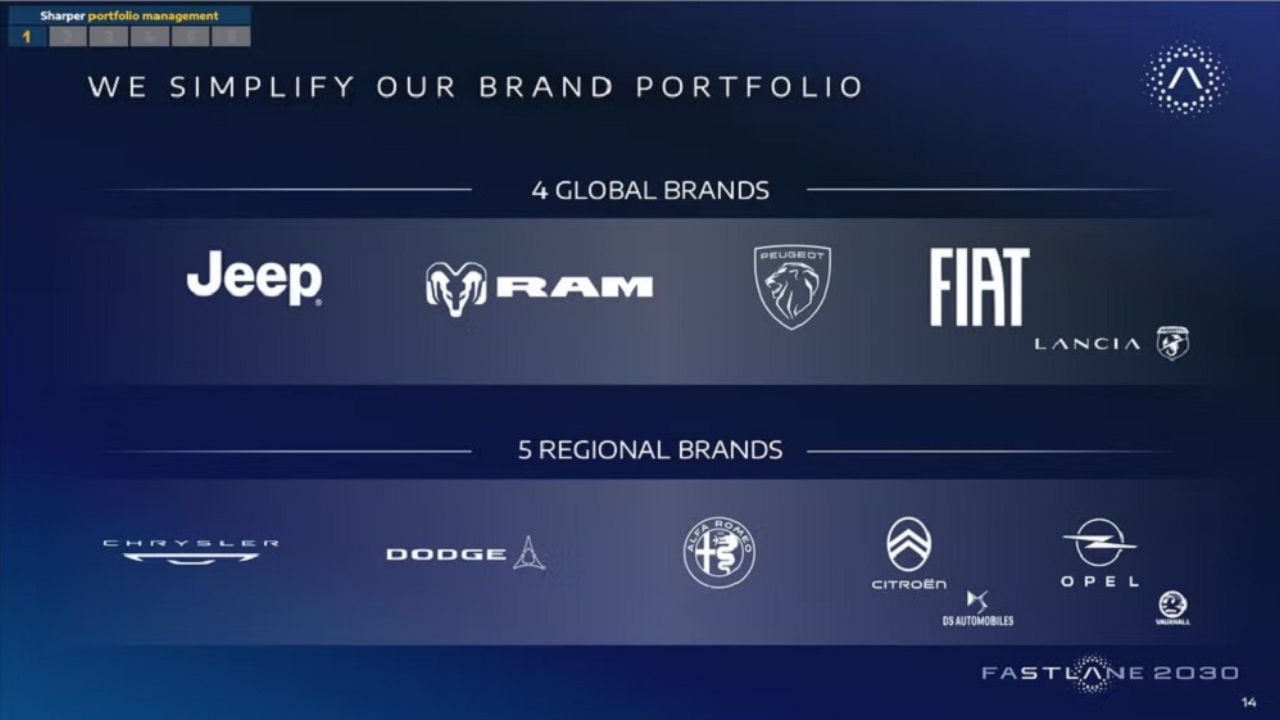
The new strategy also gives clearer roles to the group’s brands. Jeep, Ram, Peugeot, and Fiat are now the key global names and will receive about 70% of total investment.
Chrysler, Dodge, Citroën, Opel/Vauxhall, and Alfa Romeo will be treated as regional brands with more limited development roles. DS will move closer to Citroen, while Lancia will be more closely connected with Fiat.
Europe Remains The Hardest Challenge
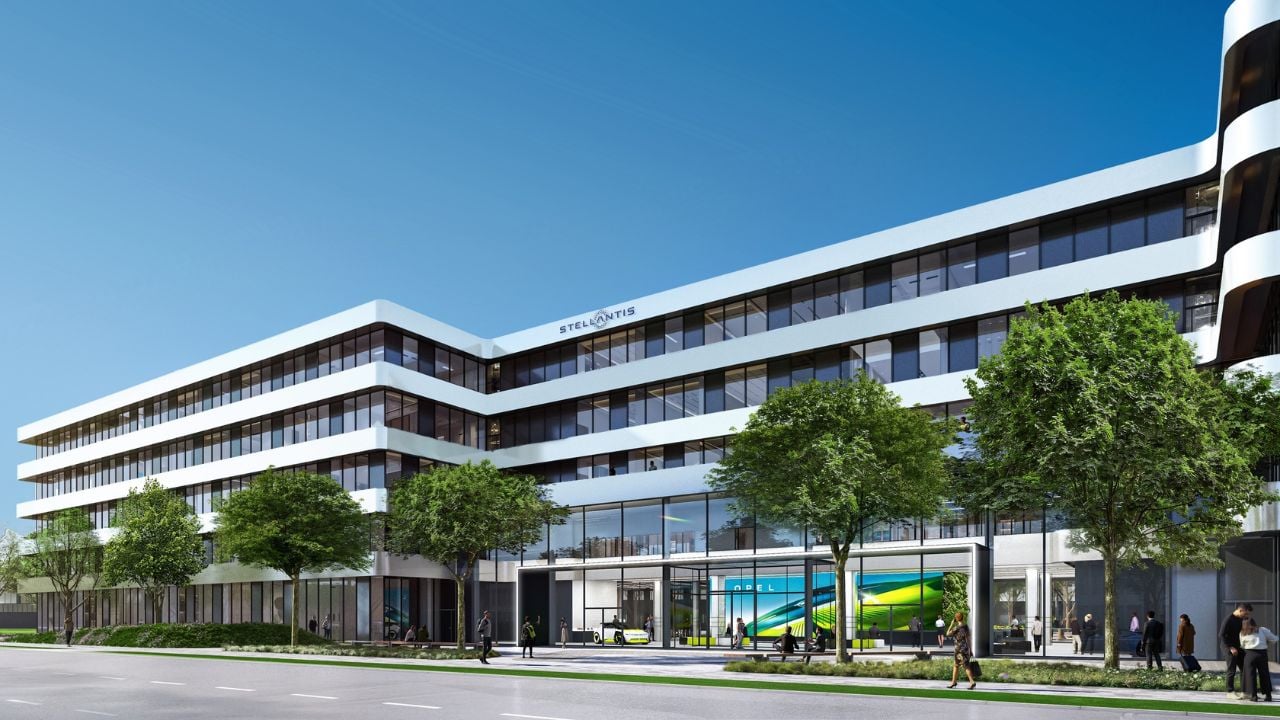
Europe is still the biggest problem area for Stellantis. The company plans to reduce production capacity by more than 800,000 vehicles per year and raise factory utilization from the current 60% to 80%.
The Poissy plant in France, where the Opel Mokka and DS 3 are currently built, will close as a vehicle factory. It will be converted into a center for recycling and used vehicle refurbishment.
Profitability in Europe is expected to remain low, at only 3 to 5%. Stellantis expects stronger margins in North and South America, where it is targeting 8 to 10%.
The company sees its biggest profit potential in Africa and the Middle East, where margins could reach 10 to 12%.
The Real Test Starts With The Cars
Over the next five years, Stellantis plans to launch more than 60 completely new models and seriously update another 50 existing vehicles with different powertrain options.
The plan is ambitious, but investors were not immediately convinced. Stellantis shares fell by about 5% after the strategy was presented.
The real judgment on FaSTLAne 2030 will come later, when the new models reach showrooms. Stellantis has now promised cheaper platforms, faster development, stronger partnerships, and clearer brand roles.
What matters next is whether those promises turn into cars that buyers actually want.
This article originally appeared on Autorepublika.com and has been republished with permission by Guessing Headlights. AI-assisted translation was used, followed by human editing and review.