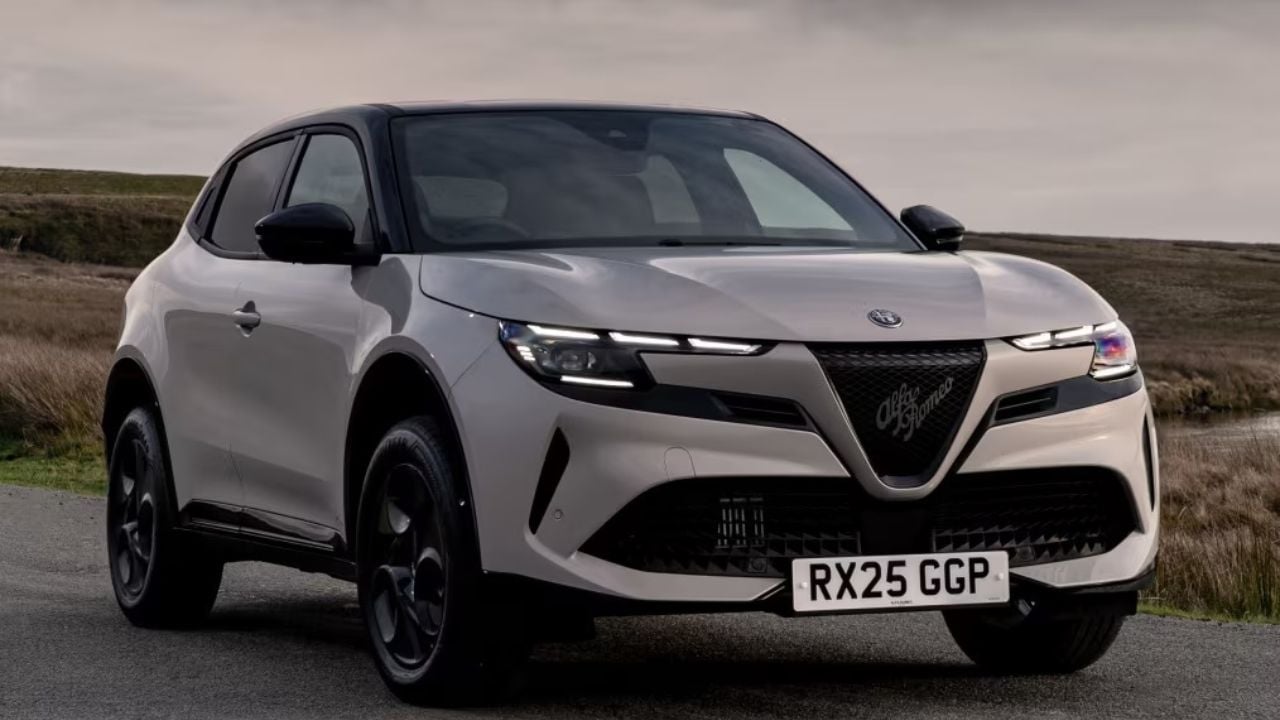
Alfa Romeo’s future inside the huge Stellantis corporation appears to be entering a very different phase. Once one of Italy’s most important sports car brands with global ambitions, Alfa Romeo has now officially been placed among regional brands focused mainly on Europe.
The new Stellantis development strategy, called FaSTLAne 2030, makes it clear that Alfa Romeo may no longer receive the priority many expected only a few months ago.
Stellantis has set aside about $65 billion for the new five-year plan, but most of that investment will go to Jeep, Ram, Peugeot, and Fiat. Those four brands have been named the company’s global growth leaders.
Together, they will receive about 70% of total investment, while Alfa Romeo, Chrysler, Dodge, Citroën, and Opel/Vauxhall have been moved into the regional brand group.
Giulia And Stelvio Face An Uncertain Future

That decision changes the entire outlook for Alfa Romeo. Earlier this spring, there were serious rumors that the next generations of the Giulia and Stelvio could receive powerful gasoline engines to remain competitive in North America.
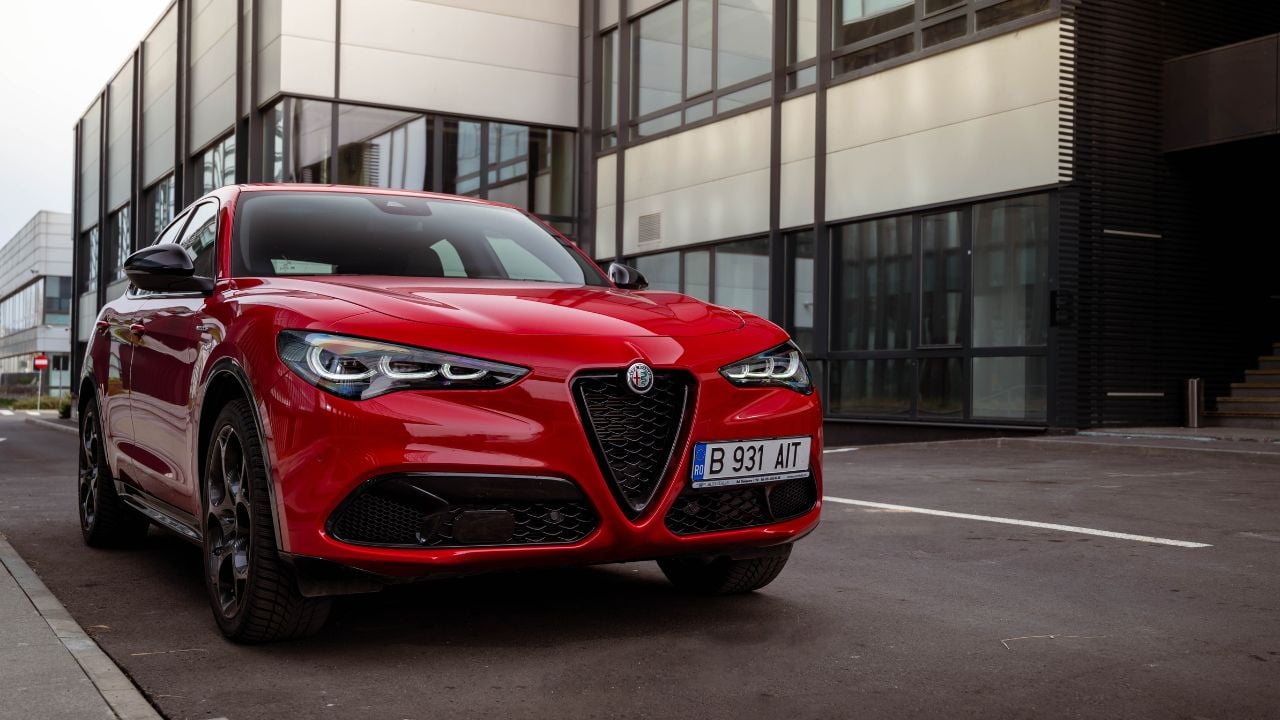
The new Stellantis strategy, however, makes no clear mention of future generations of those two models. The only official slide showed the current Giulia and Stelvio, whose production has been extended until the end of 2027.
That detail has started speculation that development of completely new generations could be canceled or delayed indefinitely. The reason is fairly simple.
Europe is currently a difficult market for expensive sport sedans and SUVs with large engines, while Alfa Romeo does not have enough sales volume to justify the huge cost of new platforms and powertrains.
A Compact Crossover Becomes The Key Model
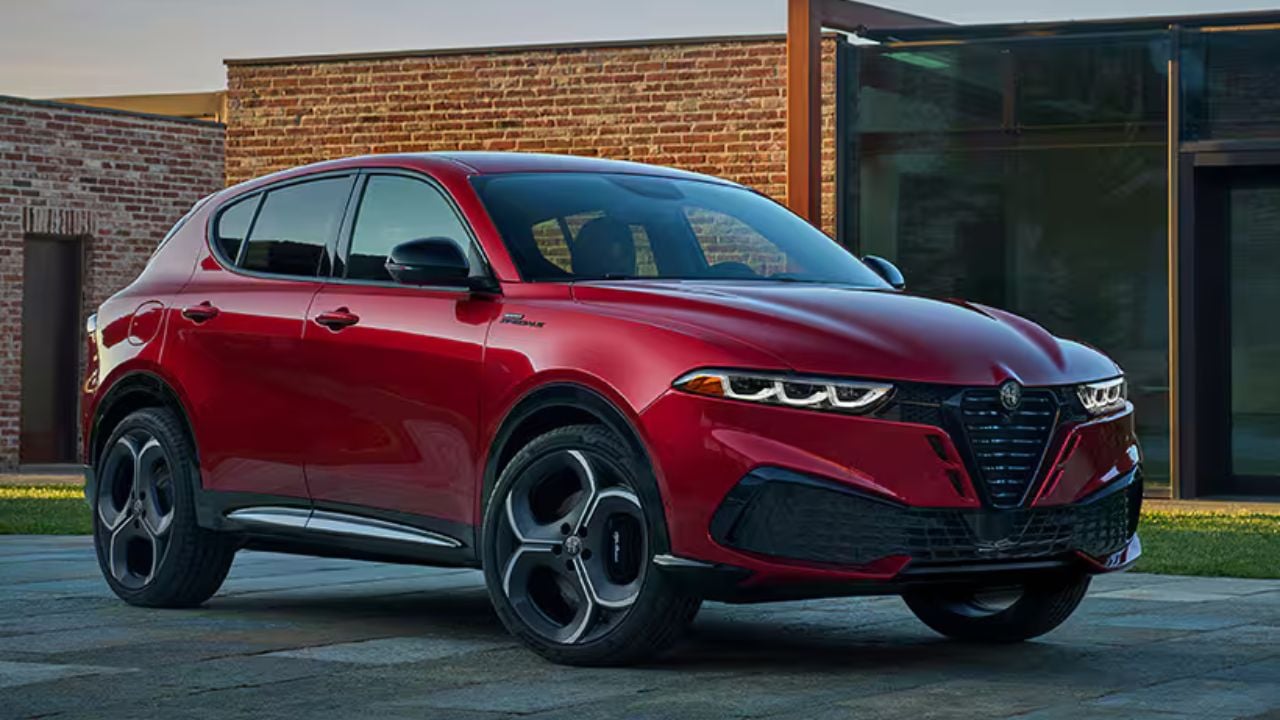
For now, only two new Alfa Romeo models have been officially confirmed. The first and most important will be a new compact crossover expected to use the STLA One platform.
That modular architecture is designed for vehicles with battery electric powertrains and traditional internal combustion engines. It gives Stellantis more flexibility while keeping development costs under control.
The name of the future crossover has not been confirmed, and there is no exact debut date yet. It is also unclear whether the new model will replace the current Tonale or be sold alongside it.
What is clear is that Stellantis sees this segment as Alfa Romeo’s best chance to grow sales volume in Europe.
A New Montreal Could Bring Back Emotion
The second planned model will be far more exclusive and much less important financially. It is expected to be a low-volume sports car developed by Bottega Fuoriserie, the special division created late last year for Alfa Romeo and Maserati.
According to Italian media reports, the new sports car could revive the legendary Montreal name from Alfa Romeo’s past.
The original Montreal from the 1970s has become a cult car among collectors thanks to its striking design and V8 engine.
No official mechanical details have been released yet, but the new model is expected to be built in very limited numbers.
Alfa Romeo Needs A Clearer Path
Even if a new Montreal generates excitement among enthusiasts, its impact on Alfa Romeo’s overall sales will be very small. The brand’s real future now depends almost entirely on the success of the new compact crossover.
The market situation makes that challenge even harder. According to ACEA data, Alfa Romeo’s European sales fell 15.7% in the first quarter of this year, to 14,411 vehicles.
That result helps explain why Stellantis no longer appears to view the Italian brand as a global player.
For Alfa Romeo, this may be one of the most important moments in decades. A brand once defined by Italian passion, sporting character, and driver emotion now has to survive in an industry increasingly shaped by rational planning, electrification, and profitable crossovers.
This article originally appeared on Autorepublika.com and has been republished with permission by Guessing Headlights. AI-assisted translation was used, followed by human editing and review.