A bad day usually follows the same pattern: traffic, noise, screens, errands, and too much time spent sitting still. A good driver’s car breaks that pattern because it gives the driver something physical to do again.
The clutch bite, the weight of the steering, the sound of an engine under load, the view over a low hood, or the air coming into the cabin with the roof down can pull attention away from whatever made the day feel long. The car does not solve the problem, but it changes what your brain is focused on for the next half hour.
The cars here are not chosen only by horsepower. Some are quick, but speed alone is not enough. Steering feel, manual-transmission availability, engine sound, seating position, size, everyday usability, and mechanical character carry just as much weight.
Each choice gives the driver a specific reason to take the long way home. Some do it with lightness, some with noise, some with precision, and one does it by making gravel roads, trails, and open-air driving part of the experience.
Where the Joy Behind the Wheel Still Feels Real
A car does not need one exact formula to lift a bad drive. A roadster can do it with low weight and an open roof. A rear-wheel-drive coupe can do it with balance and throttle response. A hot hatch can do it with sharp steering, grip, and a manual gearbox. A V8 coupe can do it before the driveway ends.
The common thread is driver involvement. These cars give the person behind the wheel useful feedback through the steering wheel, pedals, shifter, seat, engine note, or road surface. They ask for input instead of turning the drive into background noise.
Performance still counts, but the numbers need to support the experience. A car with huge power and little feel would not fit as well as a slower car that makes every shift, corner, and braking point more satisfying.
The choices below cover different kinds of driving pleasure: open-air simplicity, affordable rear-drive balance, American V8 sound, mid-engine drama, hot-hatch precision, Porsche polish, and off-road escape.
Mazda MX-5 Miata
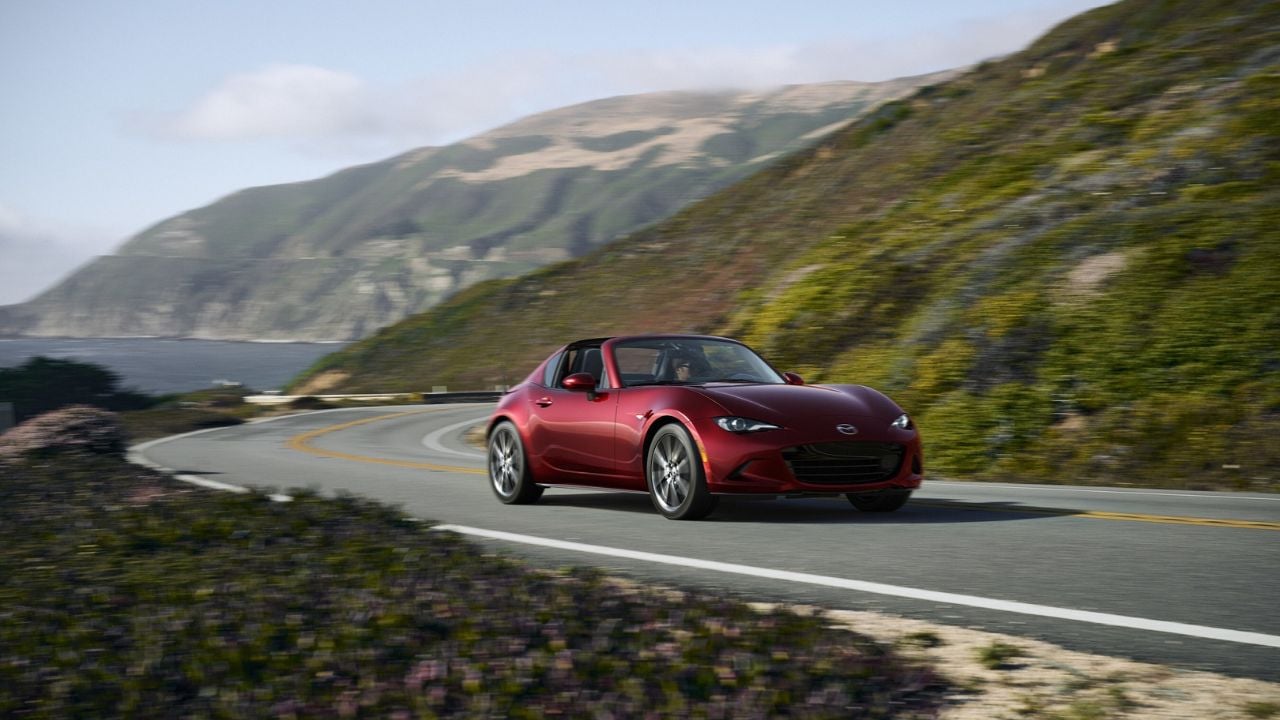
The Mazda MX-5 Miata is the clearest example of a car that does not need huge power to feel rewarding. Its appeal comes from small size, low weight, rear-wheel drive, direct steering, and a cabin that puts the driver close to the road.
Mazda lists the 2026 MX-5 Miata with a Skyactiv-G 2.0-liter four-cylinder engine producing 181 hp and 151 lb-ft of torque. The standard Skyactiv-MT 6-speed manual has a short-throw shifter, which keeps the driver involved even at normal road speeds.
The Miata makes a familiar two-lane road feel more interesting because it does not filter out everything around the driver. The front end responds quickly, the car rotates neatly through corners, and the open roof adds wind, sound, and visibility without needing reckless speed.
Its size is part of the appeal. Wider, heavier performance cars can feel underused on ordinary roads, but the Miata gives the driver something to enjoy at sane speeds. A clean shift into second gear, a light corner, and a short straight are enough to make the drive feel alive.
Toyota GR86
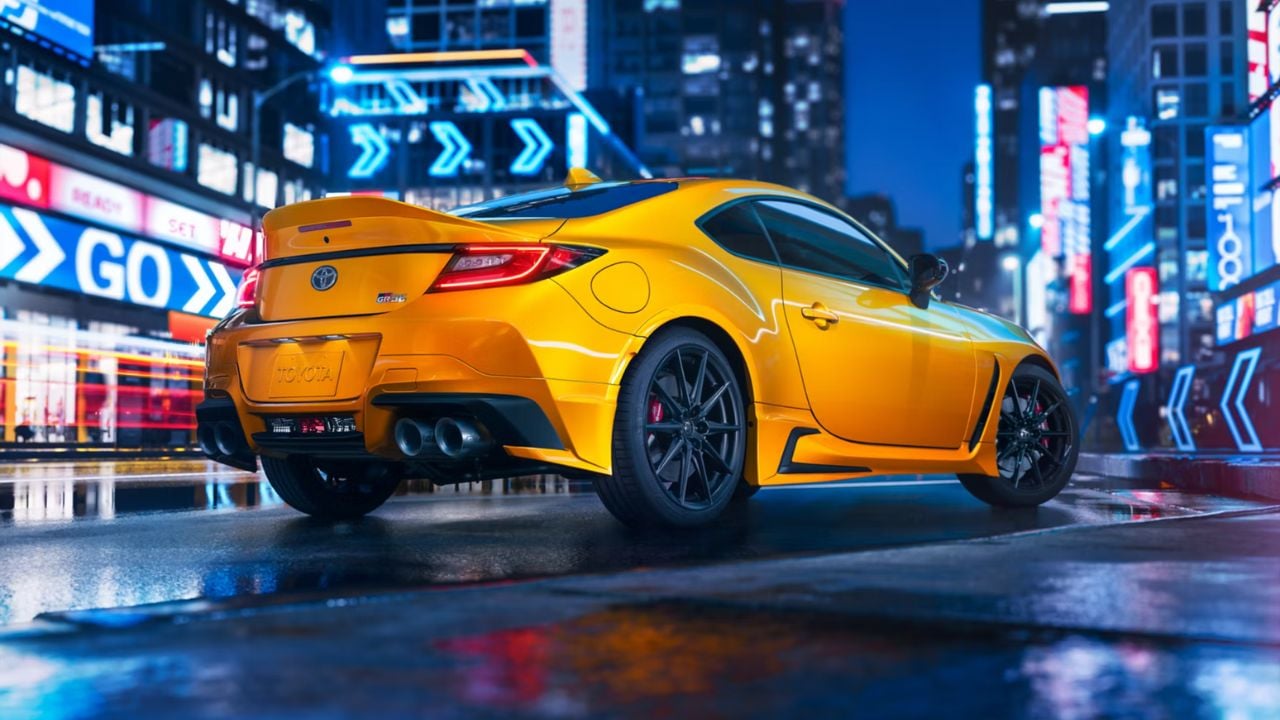
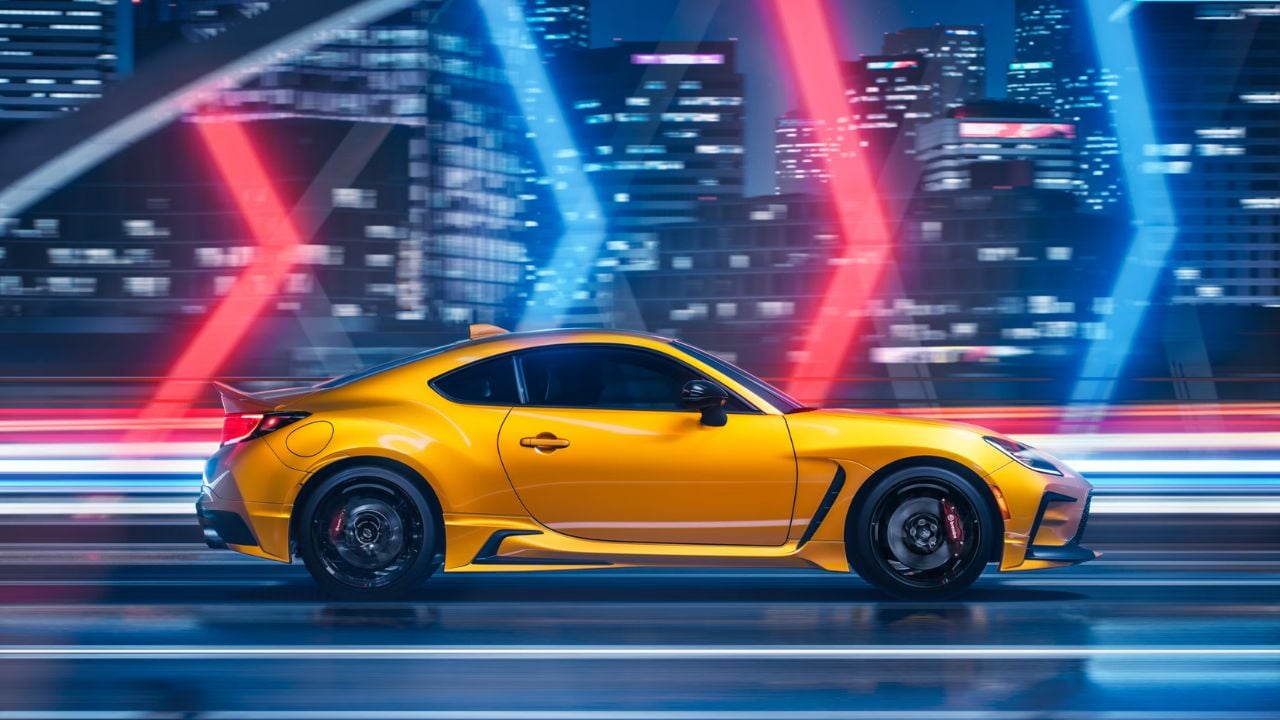
The Toyota GR86 keeps the classic affordable sports-coupe layout alive. It is low, compact, rear-wheel drive, naturally aspirated, and available with a 6-speed manual transmission. That combination is rare enough now to feel deliberate.
Toyota lists the GR86 with a 2.4-liter naturally aspirated boxer four-cylinder engine producing 228 hp and 184 lb-ft of torque. The engine sits low in the chassis, which helps the car feel balanced when the road starts to bend.
The GR86 rewards rhythm more than brute force. The driver has to choose the right gear, carry speed cleanly, and use the chassis instead of leaning on huge horsepower. That makes normal roads more engaging, especially when the corners are tight and the speeds are reasonable.
Its appeal is easy to understand after a few miles. The seating position is low, the steering is quick, and the car feels built around the driver rather than around a touchscreen or luxury feature list. It turns a back road into something you actively drive instead of something you simply use to get home.
Ford Mustang GT

The Ford Mustang GT delivers its appeal immediately. Press the starter, hear the 5.0-liter V8 settle into idle, and the car already feels different from most modern traffic around it.
For 2026, Ford lists the Mustang GT Fastback with a standard 5.0-liter Ti-VCT V8 producing 480 hp and 415 lb-ft of torque. With the available active valve performance exhaust, output rises to 486 hp and 418 lb-ft. Ford also offers the GT as a fastback or convertible, with a standard 6-speed manual or available 10-speed automatic on the fastback.
The Mustang GT earns its place through sound, torque, and old-school presence. The long hood, rear-wheel-drive layout, and naturally aspirated V8 give it a different feel from smaller turbocharged performance cars.
It does not need a perfect mountain road to make the drive memorable. A tunnel, an on-ramp, a coastal road, or a quiet stretch of open pavement is enough for the engine note and throttle response to become the main event.
Chevrolet Corvette Stingray

The Chevrolet Corvette Stingray feels special before it reaches speed. The driver sits low, the windshield view is wide, and the engine is mounted behind the cabin rather than ahead of it. That layout gives the C8 a different character from older front-engine Corvettes.
Chevrolet lists the 2026 Corvette Stingray with a 6.2-liter LT2 V8 producing 490 hp and 465 lb-ft of torque. With the optional performance exhaust system, which is part of the Z51 package, output increases to 495 hp and 470 lb-ft.
The Stingray gives the driver a lot to process in a short drive. The steering is quick, the dual-clutch transmission shifts hard and fast, and the V8 sound comes from behind the seats. Even at moderate speed, the car feels far removed from a normal commute.
Its reset-button effect comes from that concentration of details: low seating, mid-engine balance, strong acceleration, wide stance, and a cabin that points the driver’s attention forward. A short drive can feel like a proper event without pretending the car is delicate or unusable.
Honda Civic Type R
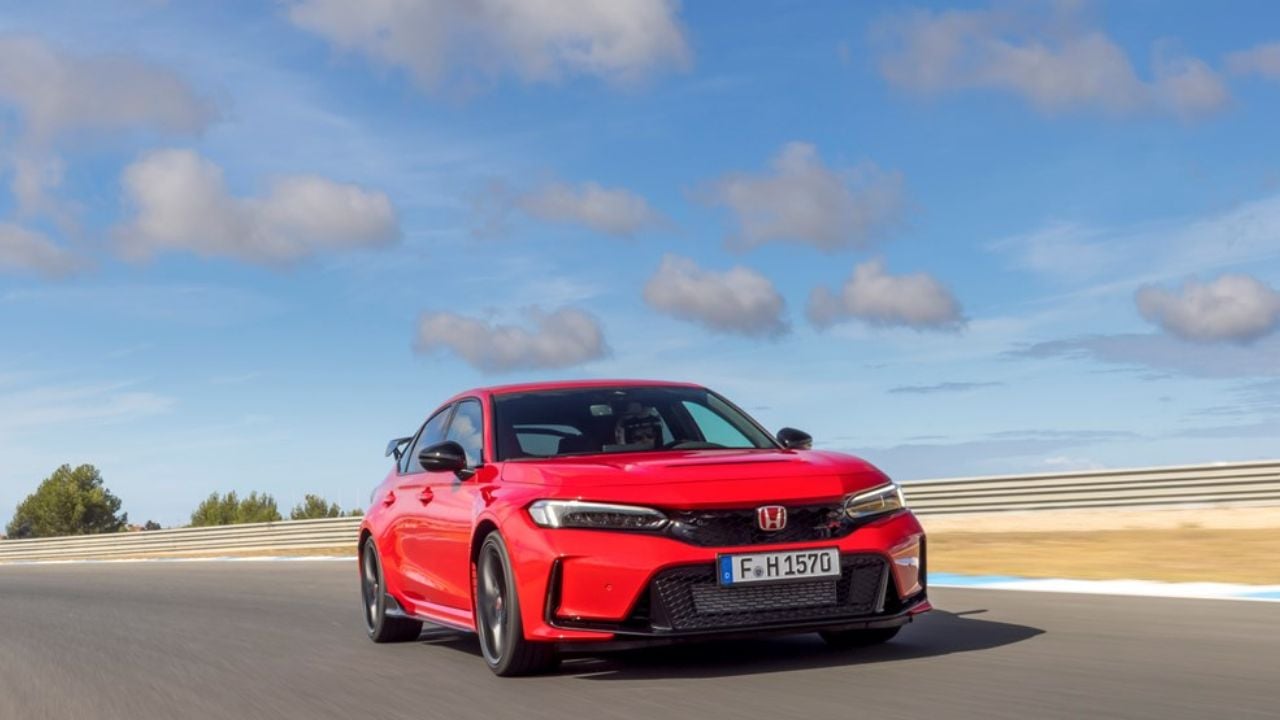
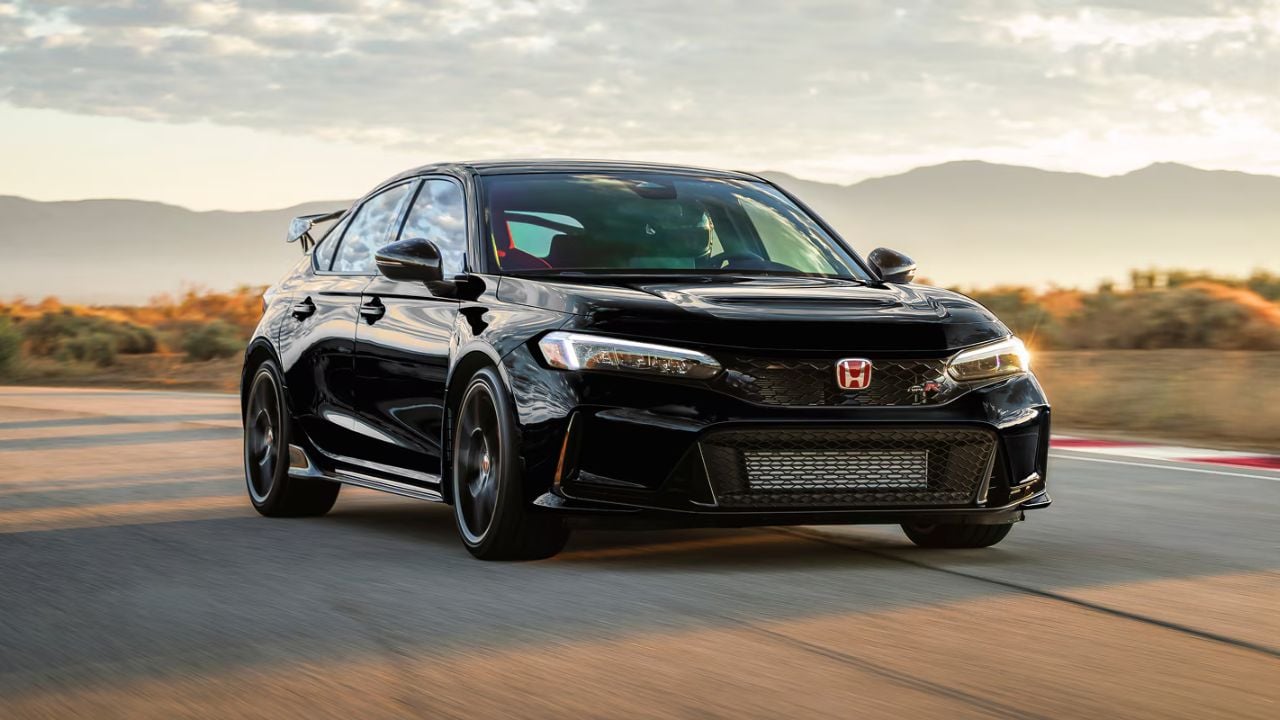
The Honda Civic Type R proves that a practical hatchback can still feel serious from the driver’s seat. It has usable rear doors, cargo space, and daily-driver manners, but the controls feel far sharper than the shape suggests.
Honda lists the Civic Type R with a turbocharged and intercooled 2.0-liter VTEC engine producing 315 hp and 310 lb-ft of torque. A 6-speed manual transmission is standard, with rev-match control and a Type R-specific shift linkage.
The Civic Type R is not relaxing in the soft, quiet sense. It sharpens the drive. The steering reacts quickly, the front end grips hard, and the manual gearbox gives every short trip a mechanical point of contact.
Its usefulness makes the performance easier to enjoy often. You can drive it to work, carry luggage or groceries, sit in traffic, and still have a car that feels ready the moment the road clears. The Type R does not hide its personality until the weekend.
Porsche 911 Carrera
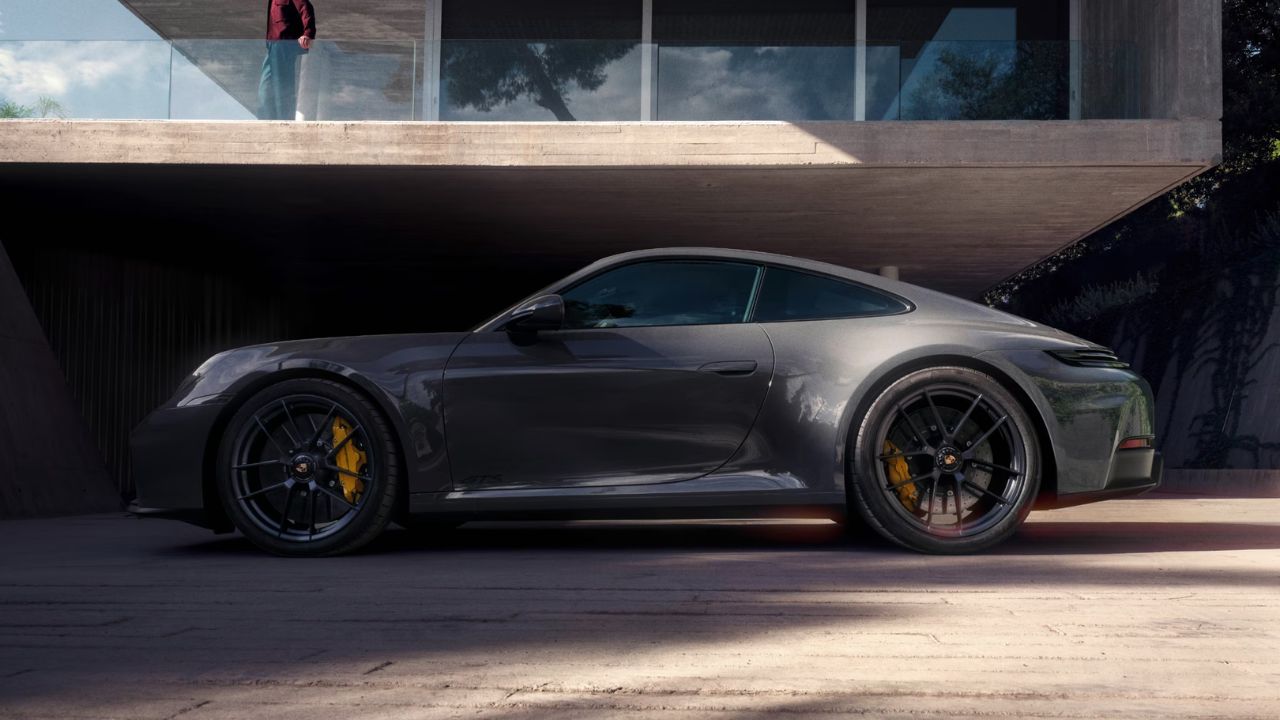
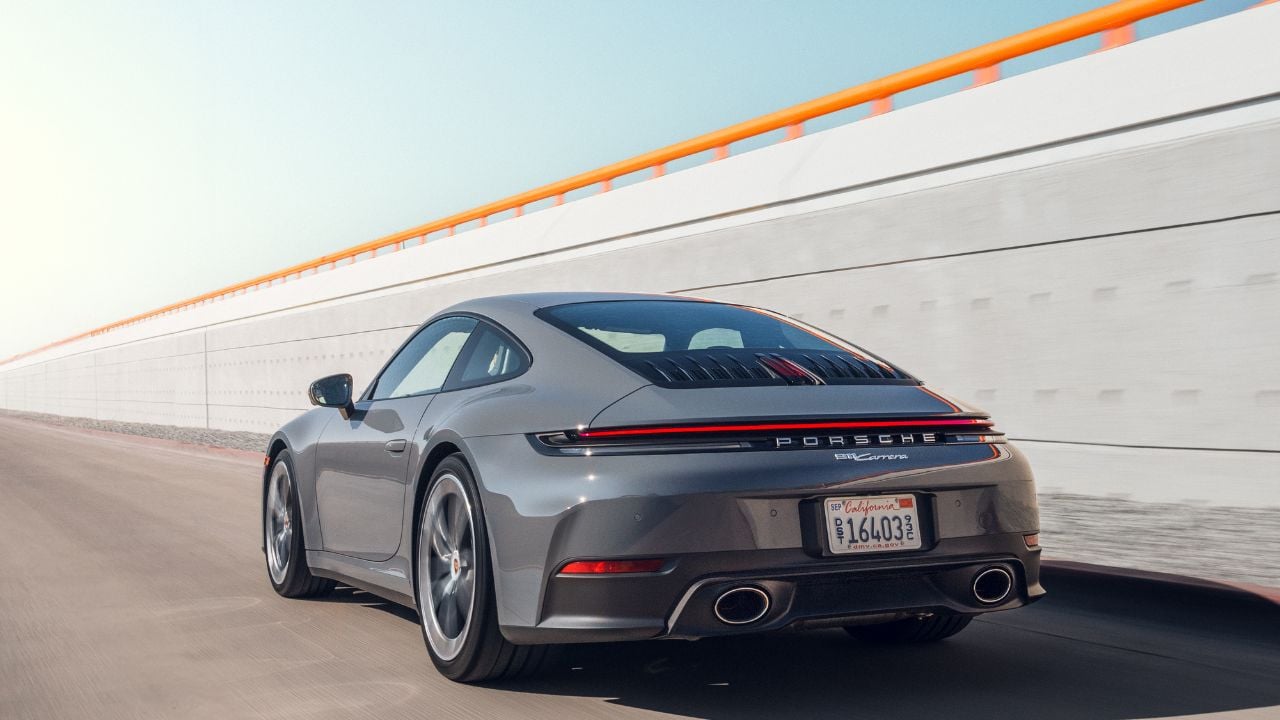
The Porsche 911 Carrera brings a more precise kind of driving pleasure. It does not rely on the loudest exhaust note or the wildest styling. Its strength is the way the steering, brakes, seating position, and body control all feel tightly matched.
Porsche lists the 2026 911 Carrera with 388 hp, 331 lb-ft of torque, a 3.9-second 0-to-60 mph time, and a 183 mph top track speed with summer tires. The numbers are strong, but the car’s appeal comes just as much from how controlled it feels between those numbers.
The rear-engine layout gives the 911 a character no front-engine coupe can copy. The front end feels light and accurate, the rear tires dig in under power, and the car communicates its weight transfer clearly when the road gets technical.
After a scattered day, that precision can be satisfying. The 911 gives the driver clear inputs, predictable responses, and a sense that small movements matter. It turns a drive into a sequence of braking points, steering corrections, throttle openings, and clean exits.
Jeep Wrangler

The Jeep Wrangler is the outlier here, but it earns the spot by offering a different kind of driving pleasure. It is not trying to be a sports car. It gives the driver removable roof panels, four-wheel drive, upright visibility, and the option to leave pavement behind.
Jeep lists the 2026 Wrangler Rubicon with a 3.6-liter V6 producing 285 hp, four-wheel drive, and a 6-speed manual transmission. The Rubicon also brings off-road hardware that suits rough tracks better than polished city streets.
The Wrangler’s appeal is more physical than polished. With the roof panels removed and four-wheel drive available, it turns gravel roads, forest routes, beach tracks, and rough trails into part of the drive instead of something to avoid.
It is noisy compared with the sports cars here, and it does not have their steering precision. That roughness is part of the reason it works. The Wrangler gives the driver wind, tire noise, body movement, dirt, and a direct connection to the route underneath it.
Why the Right Car Can Still Turn Everything Around
The cars on this list improve a drive through specific details, not vague magic. The Miata uses lightness and an open roof. The GR86 uses rear-wheel-drive balance. The Mustang GT uses V8 sound and torque. The Corvette uses mid-engine layout and acceleration. The Civic Type R uses steering, grip, and a manual gearbox. The 911 Carrera uses precision. The Wrangler uses open-air off-road character.
None of them has to be perfect to make a bad day feel smaller. They only need to make the driver pay attention to something more immediate than stress: the next shift, the next corner, the engine note, the road surface, or the view through the windshield.
Modern cars are getting quieter, heavier, more digital, and more similar from behind the wheel. That makes cars with clear personalities feel more valuable. They remind drivers that a short drive can still involve sound, movement, feedback, and choice.
For some people, that is enough. One clean road, one good shift, one open stretch of pavement, or one trail after work can reset the day better than another hour on the couch.