Some trips sound fun when you book them, then somehow turn into luggage, transfers, queues, dinner reservations, and sore feet. A good short break should not feel like another job. It should give you enough to see, eat, and walk through without making every hour feel like a test.
The places below are good for that kind of escape. They have compact centers, strong food, pretty streets, waterfronts, parks, museums, or hilltop views close enough that you can enjoy the day without building a military plan around it.
You can still see proper landmarks here. The difference is that the whole trip does not depend on rushing from one major sight to the next. A café under arcades, a canal walk, a castle view, a beach tram, or a square at night can carry just as much of the weekend.
That is what makes these eight cities useful for travelers who are tired of exhausting vacations. They give you things to do, but they also leave enough room to enjoy doing nothing for a while.
1. Vicenza, Italy
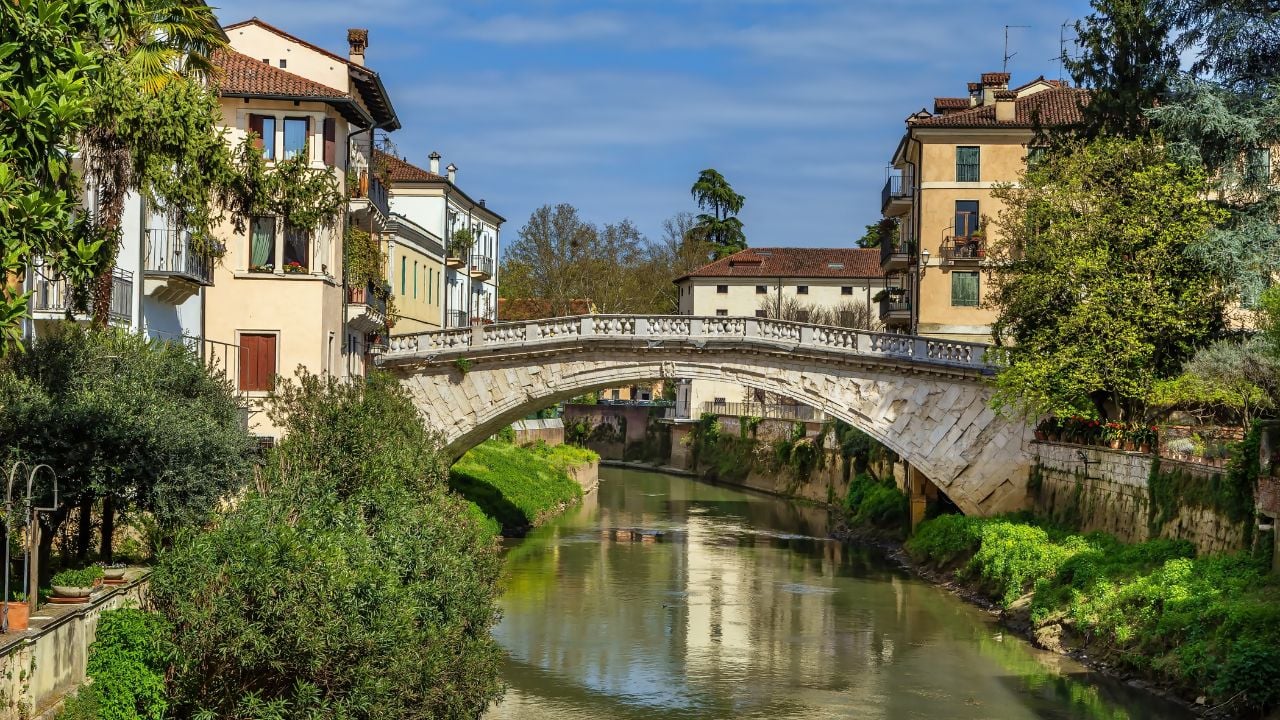
Vicenza is the Italian city you choose when you want beauty without the pressure of a giant art capital. Start near Piazza dei Signori, where the Palladian Basilica rises over the square and the arcades give you somewhere to hide from the sun. It is grand, but not exhausting.
Italy’s national tourism site highlights Vicenza for the Palladian Basilica, the Olympic Theater, and the Palladian villas tied to the area’s UNESCO heritage. That sounds like a serious architecture trip, and it can be, but the city itself is much easier than that. You can walk, stop for coffee, look up at the facades, and let the architecture come to you instead of chasing it across town.
The Olympic Theater is the indoor moment you should not skip. From the outside, it does not prepare you for the stage set inside, where streets and classical perspective seem to stretch far deeper than the building should allow. It is one of those stops that feels more surprising in person than it does on a list.
The official Vicenza tourism site describes a Palladian route through the historic center as an enjoyable, simple walk suitable for everyone, starting near the tourist office by the Olympic Theater. That is exactly the right way to use Vicenza: one good walk, one proper cultural stop, a long lunch, and an evening return to the square when the stone softens in the light.
2. Leiden, Netherlands
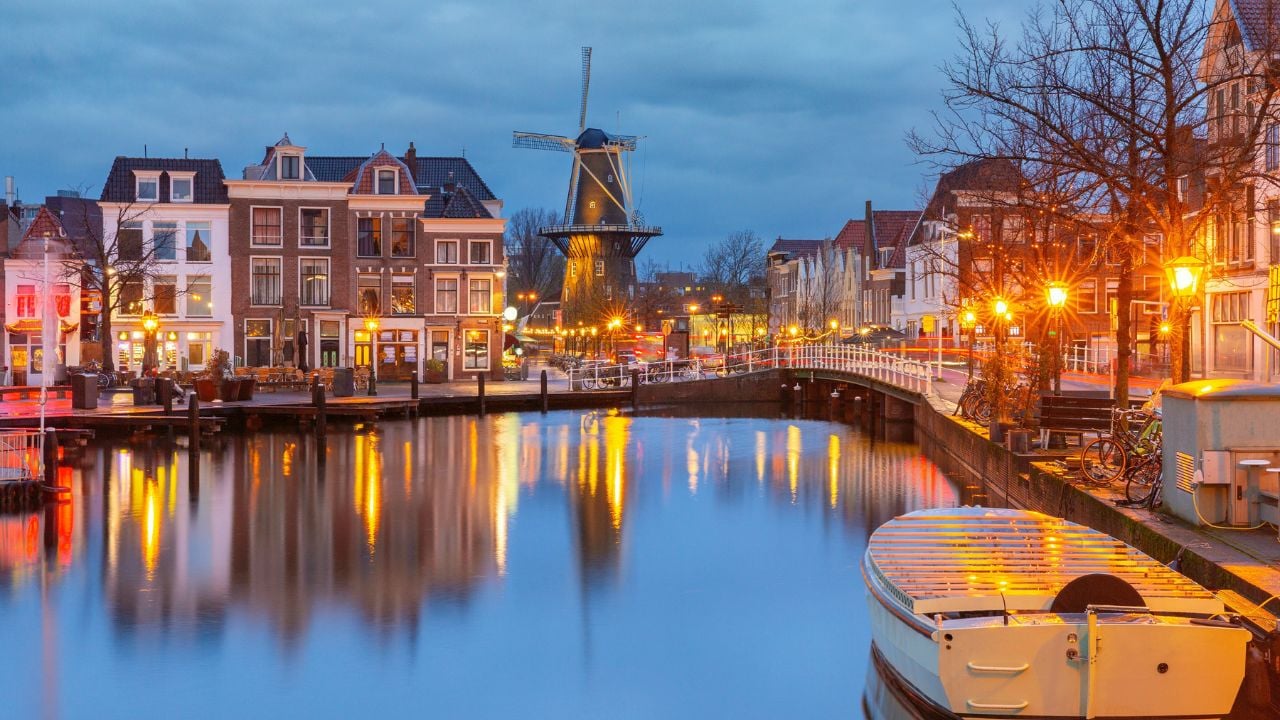
Leiden gives you canals, bridges, old houses, windmills, and water reflections without throwing you into Amsterdam’s crowds. The center is made for wandering. One street brings you to a canal, another to a courtyard, another to a bridge where the houses sit neatly along the water.
Holland’s official tourism site describes Leiden through its canals, courtyard gardens, hundreds of monuments, the oldest university in the Netherlands, 13 museums, and a charming city center. That is a lot for a small place, but Leiden does not feel like a checklist city. The best way to start is simply to follow the water.
A canal-side table can easily turn into the main event. Sit for coffee or lunch, watch bicycles pass over the bridge, then walk again when the light changes on the houses. Leiden has museums if the weather turns or if you want a stronger cultural stop, but it never forces the day indoors.
Visit Leiden highlights 13 museums, including Naturalis, Hortus botanicus Leiden, and Rijksmuseum van Oudheden. Pick one. Do not try to turn the city into a museum marathon. A botanical garden, a canal walk, one good museum, and dinner near the water are enough to make Leiden feel like a proper Dutch escape.
3. Pécs, Hungary

Pécs has color, old stone, southern Hungarian warmth, and enough culture to keep a few days busy without making the trip feel formal. Start around the center, where squares, cafés, churches, and Ottoman-era details sit close enough that you can move slowly and still see a lot.
The Early Christian Necropolis is the deep-history stop. UNESCO describes the site as a group of decorated 4th-century tombs, underground burial chambers, and memorial chapels above ground. It gives Pécs a very old layer, but the city does not stay locked in the past.
The Zsolnay Cultural Quarter pulls the visit in a different direction. The former factory area has ceramics, restored buildings, exhibitions, courtyards, and enough color to make the walk feel lighter after the underground tombs. It is a good example of why Pécs is more fun than many travelers expect: one part Roman-era history, one part art quarter, one part relaxed café city.
The official Zsolnay Cultural Quarter site describes a restored 5-hectare area around the manufactory, with protected historic buildings, public Zsolnay statues, parks, promenades, exhibitions, and the Zsolnay Mausoleum. Give it time rather than treating it like a quick extra stop. Pécs is best when you let the old stone and bright tiles share the same day.
4. Lübeck, Germany

Lübeck is all red brick, narrow lanes, water, church towers, and that northern German feeling where the city looks serious until you find the sweet shop. The Old Town sits on an island, so bridges and waterfront views keep appearing as you walk.
The official tourism site says Lübeck’s Old Town is completely surrounded by water, with maritime charm, brick merchant houses, medieval alleyways, and churches shaping the look of the former Hanseatic town. UNESCO also notes that Lübeck was one of the principal cities of the Hanseatic League from 1230 to 1535.
The Holstentor gives the city its famous postcard moment, but the smaller streets do a lot of the work. Walk past stepped gables, peek into courtyards, follow a lane that looks too narrow to matter, then suddenly you are in one of those corners that feels older than the map suggests.
And yes, leave room for marzipan. Lübeck is famous for it, and even if you are not usually a sweets person, this is the place where it makes sense to try some. A good Lübeck day does not need to be complicated: old town, brick churches, water, a coffee stop, a marzipan stop, and one more walk before dinner.
5. Leuven, Belgium
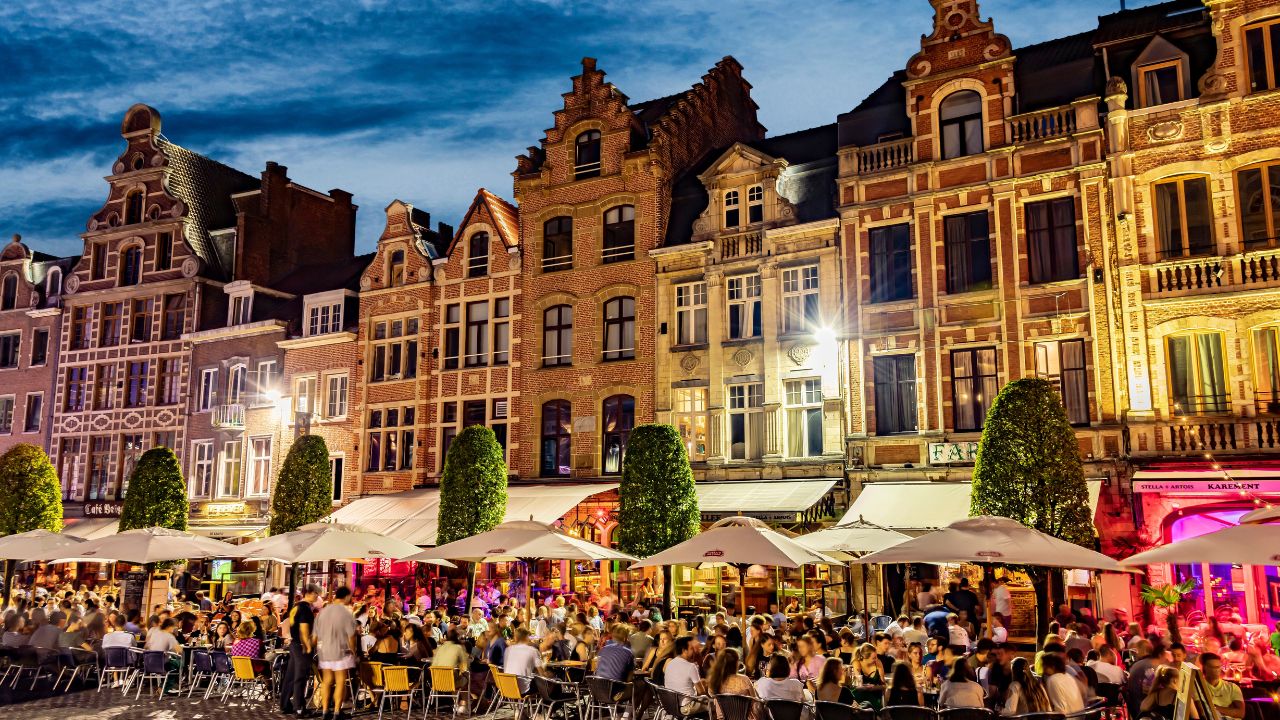
Leuven is a university city, and you see it before anyone needs to tell you. Bikes are everywhere, tables fill around the squares, students move between cafés and old buildings, and the center stays lively without feeling too large for a weekend.
The Gothic Town Hall usually steals the first look at the Grote Markt. The carvings and vertical details make it feel almost unreal, although visitors should know that Visit Leuven says the Town Hall is closed for repairs and renovations until 2029. Even so, the square still works as a starting point because the building remains one of the city’s defining sights from the outside.
For a quieter part of the day, walk to the Great Beguinage. It feels completely different from the busier squares: brick houses, cobbled lanes, small bridges, courtyards, and a slower silence that makes you lower your voice without thinking about it.
Visit Leuven says the Great Beguinage was listed with 12 other Flemish beguinages as UNESCO World Heritage in 1998 and can be visited free of charge. That makes it one of the easiest major stops in the city.
Leuven also gives you beer culture, the botanical garden, and plenty of outdoor tables, so the day does not have to stay serious. See the square, walk the beguinage, find a good drink, then let the student-town part of Leuven take over in the evening.
6. Graz, Austria

Graz is a good Austrian break when you want handsome streets, courtyards, food, views, and a bit of weird modern design without carrying the weight of Vienna or Salzburg expectations. The old center is easy to walk, but it has enough layers to keep surprising you.
UNESCO describes the Historic Centre and Schloss Eggenberg as a living Central European urban complex shaped by Habsburg influence and many architectural styles from the Middle Ages to the 18th century. On the ground, that means arcades, courtyards, facades, church towers, and squares that change mood from one street to the next.
The Schlossberg is the part you should save time for. You climb or ride up, and suddenly Graz opens below you with red roofs, church spires, the Mur River, and the old town spread out in a way that makes the city easier to understand.
The Clock Tower is the symbol everyone photographs. Graz Tourism says it is a 29-meter landmark on the Schlossberg, with large clock faces and gilded hands. The view is the real prize, though. Stay a little longer than planned, then head back down for Styrian food, coffee, or a walk near the Mur.
Graz works best when you let it shift between old and new. One hour you are in a historic courtyard, the next you are looking at the Kunsthaus or crossing the river near the Murinsel. That mix keeps the city fun without making the weekend feel crowded.
7. Malmö, Sweden
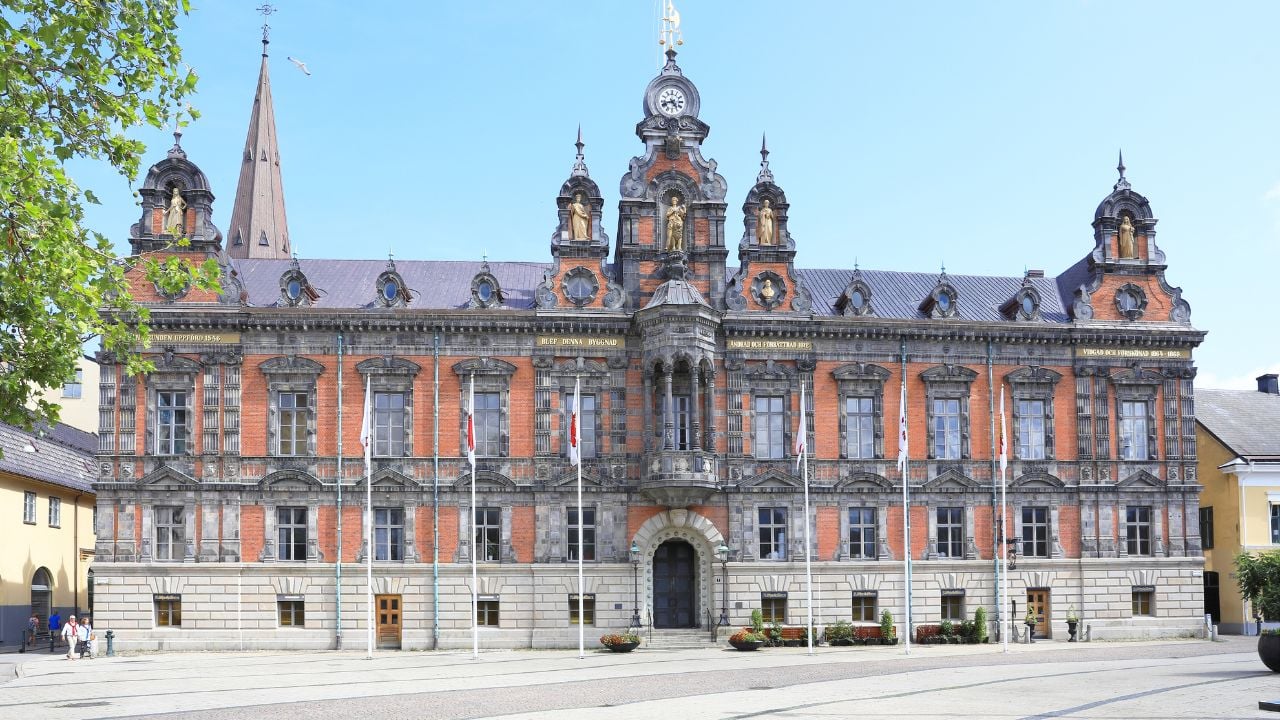
Malmö is a Scandinavian city break that does not ask you to behave too formally. Start in the old center, move through the squares, eat well, then head toward parks, canals, or the waterfront when you want more space.
Visit Sweden describes Malmö as one of Scandinavia’s most eclectic cities, with food, culture, adventure, nightlife, and residents from more than 170 countries. The food part is especially important. This is a city where a casual meal can be falafel, Nordic cooking, or something from almost anywhere else, depending on the street you choose.
The city is also easy to move through. Malmö’s own visitor page says everything visitors want can be close by, from shopping to nightlife and parks to cultural venues. That compactness matters if you only have a couple of days and do not want to spend half of them figuring out transport.
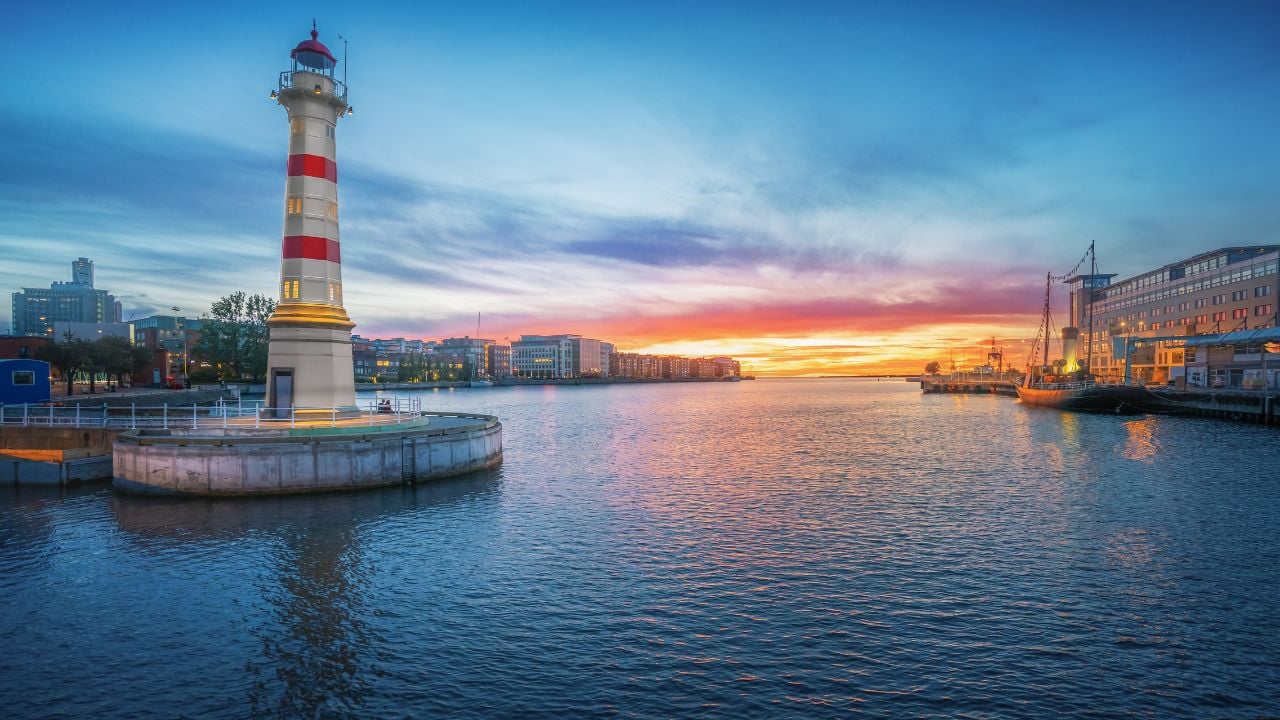
When you want fresh air, head toward the water. Ribersborg, often called Ribban, gives Malmö a beach scene close to the city, with the Öresund and Copenhagen feeling almost within reach across the water. It is a good reminder that Malmö is not just a city of squares and restaurants. It has sea air too.
The best weekend version is simple: old center, good food, a park or canal walk, and time by the waterfront. If you are also visiting Copenhagen, Malmö pairs easily with it, but it deserves more than being treated as a quick add-on.
8. Gdańsk, Poland
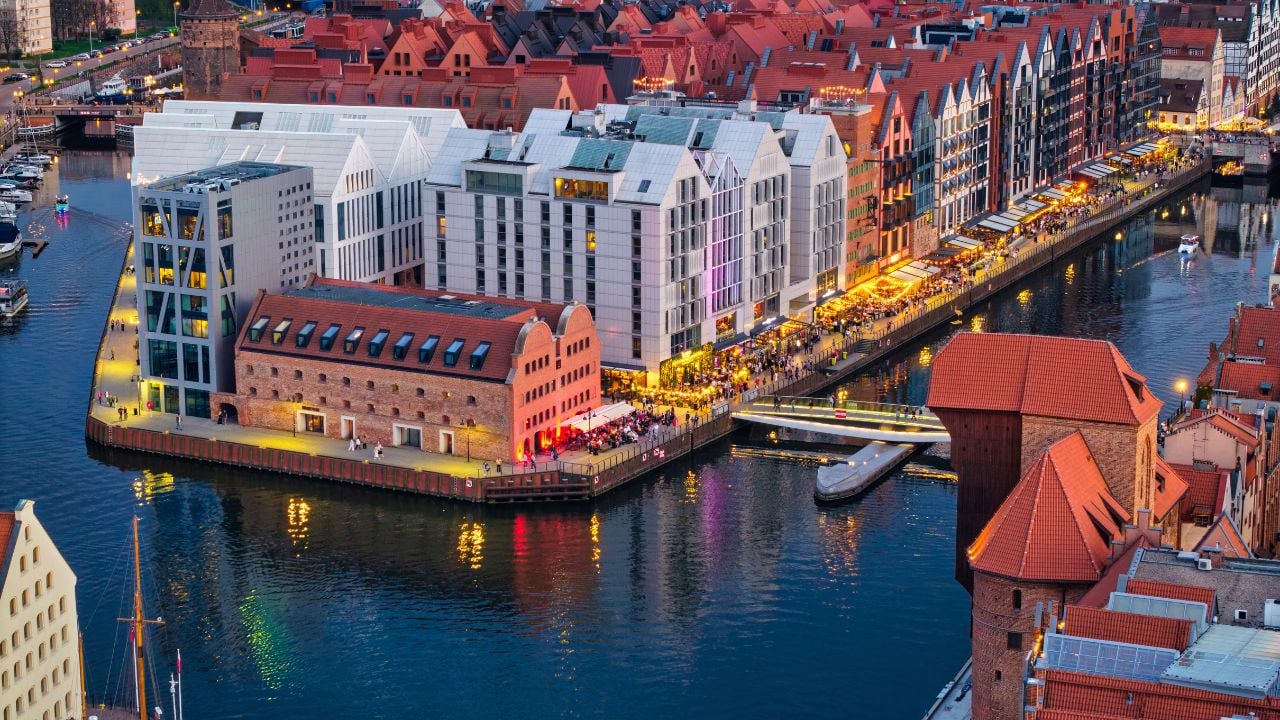
Gdańsk gives you color, water, history, and Baltic air in the same trip. Start by the Motława waterfront, where old facades, gates, boats, and promenades make the city feel ready before you have even chosen a museum.
The waterfront is the easiest first walk. You can follow the river, stop for food, look across the water, then move back into the Main Town streets when you want more color and detail. Gdańsk has serious history, but it also knows how to give visitors a beautiful afternoon without making them study first.
That is what makes it so good for a few days. One part of the trip can be old-town streets and maritime history; another can be food, amber shops, water views, and a long evening walk after the lights come on.
The beaches give Gdańsk an extra advantage over many city breaks. Visit Gdańsk lists Brzeźno among the city’s beaches and notes its 140-meter pier facing Gdańsk Bay. Jelitkowo is another easy coastal option, especially for visitors who want to change the pace after time in the historic center.
Few short trips feel better than moving from colorful old streets to sea air in the same day. In Gdańsk, that switch does not feel like a big production. Walk the center, eat near the water, then go toward the beach when the city starts feeling too full.