
For many American commuters, a train running three minutes late barely registers as a problem. In Japan, it can trigger public apologies, formal documentation, and internal reviews aimed at ensuring it never happens again. No kidding.
That contrast stunned one foreign tourist visiting Tokyo, whose story about a minor train delay has gone viral online. The account, shared in an X post by BSAT Properties, describes a culture where punctuality is treated almost as a social obligation.
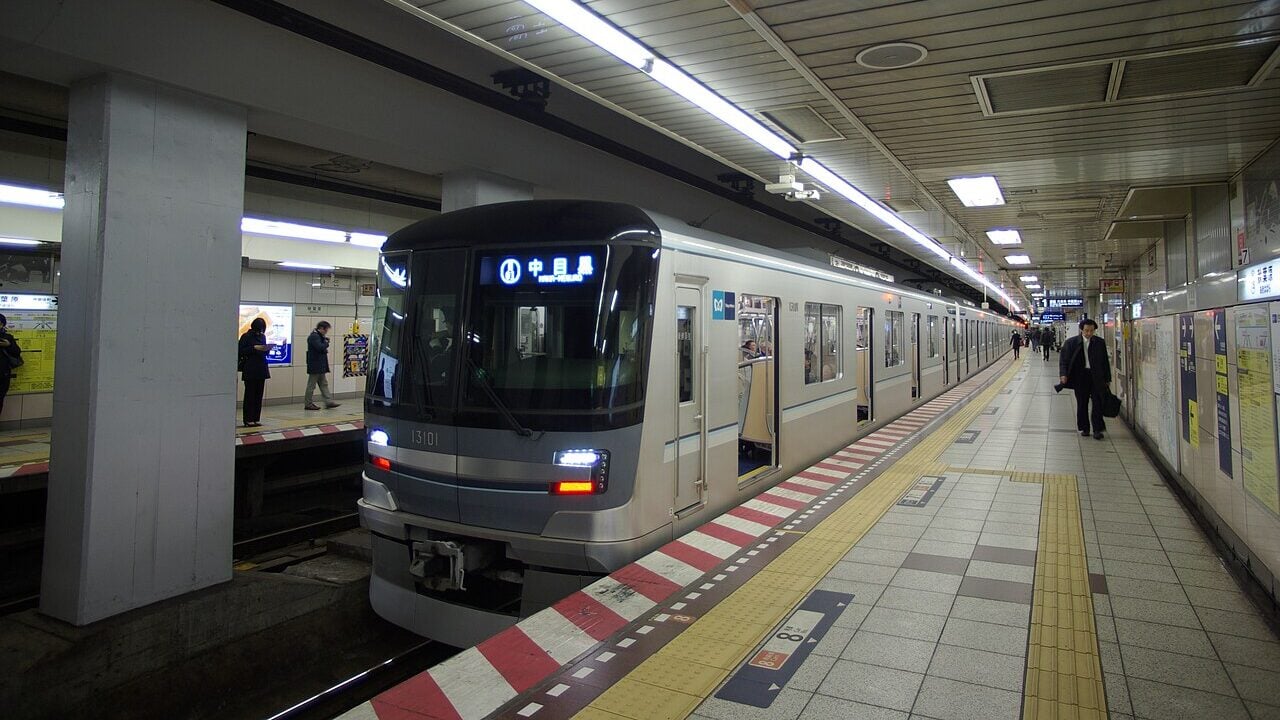
The traveler recalled riding a Tokyo train that stopped unexpectedly between stations for slightly more than three minutes. Passengers first heard a calm announcement in Japanese, followed by an English translation apologizing for the interruption and promising movement would resume shortly.
When the train finally continued, the apology became even more striking. Staff informed riders that the delay had lasted exactly three minutes and 20 seconds, then described the disruption as “unacceptable,” despite the relatively short wait.
A Three-Minute Delay Treated Like a Serious Failure
The tourist said station employees were waiting on the platform when passengers disembarked. Several workers bowed repeatedly while handing out official delay certificates to commuters leaving the train.
In Japan, these documents are known as “chien shoumeisho,” or delay certificates. Rail companies issue them so workers and students can prove to employers or schools that lateness was caused by train disruptions rather than personal negligence.
The certificate the tourist received reportedly included the exact duration of the delay, along with an official stamp and signature from the railway operator. The precision caught the traveler off guard.
According to the story, a station employee explained in English that the certificate existed “for your employer” so people would know the delay “was not your fault.” When the tourist replied that he was only visiting Japan and did not need proof, the worker seemed confused by the response.
Instead of brushing off the inconvenience, the employee insisted the passenger still deserved an apology because the delay had affected his day. That interaction became one of the most memorable parts of the traveler’s experience.
Why Japanese Trains Operate Differently
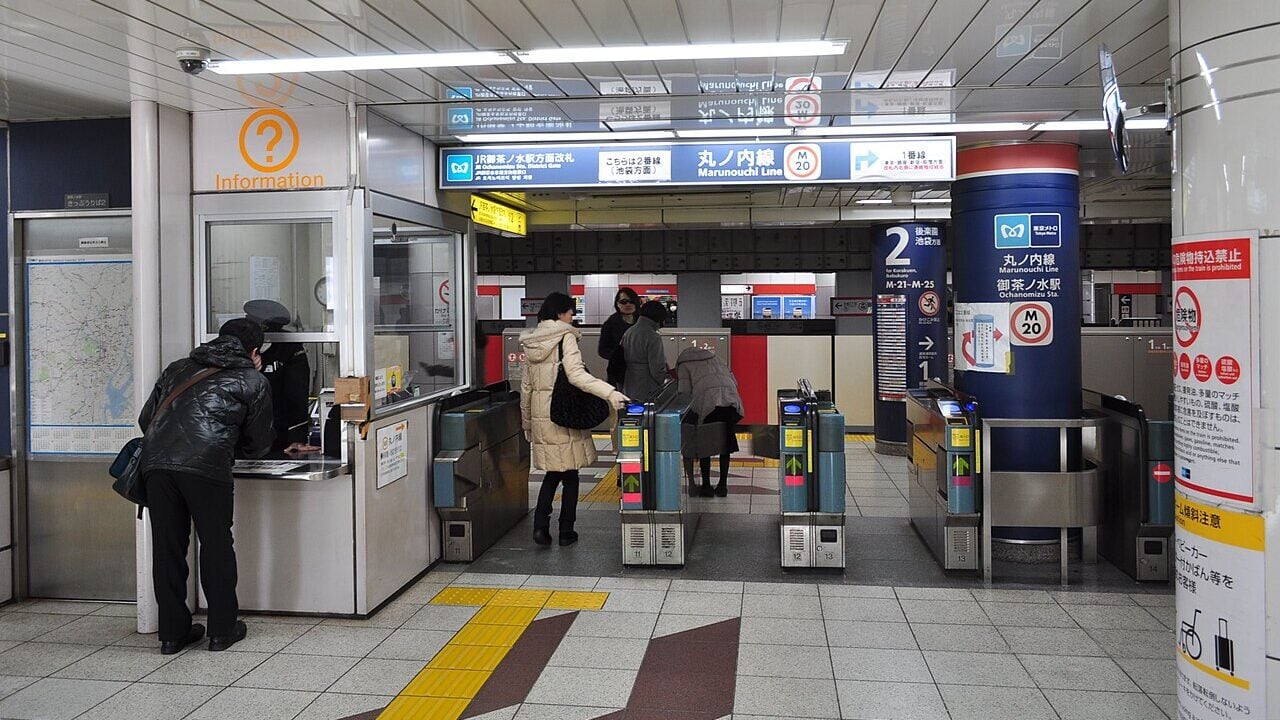
Japan’s rail system has long been admired around the world for punctuality, cleanliness, and efficiency. Major train operators, especially in cities like Tokyo and Osaka, often measure arrival times down to the minute.
For many Japanese commuters, trains are not merely transportation. They are essential infrastructure that millions rely on daily for work, school, and appointments.
That dependence has helped shape a culture where lateness is viewed as disruptive to society as a whole. A delay of only a few minutes can create ripple effects across tightly coordinated schedules.
Japanese companies are also known for emphasizing accountability and personal responsibility. Public apologies from transportation staff reflect a broader cultural expectation that organizations should acknowledge mistakes directly instead of minimizing them or offering excuses.
The tourist later discussed the experience with a Japanese friend, who explained that train companies likely would investigate the exact reason for the three-minute-and-20-second interruption. The goal, the friend said, would be to prevent the same issue from happening again.
A Sharp Contrast with American Expectations
The story resonated with many readers online because it differs so sharply from everyday transit experiences in the United States. In many American cities, delays lasting far longer than three minutes are common enough that passengers often expect them.
I was on a train in Tokyo. We stopped between stations. Announcement in Japanese, then in English: “We apologize for the delay. We will resume shortly.”
The delay was maybe 3 minutes. Not a big deal.
When the train started moving again, another announcement: “We sincerely… pic.twitter.com/kJO3WJ98I3
— BSAT Properties (@BSAT_Properties) May 11, 2026
Japan’s approach reflects a national reputation for precision and discipline that extends beyond transportation. From customer service to public behavior, there is often strong pressure to respect other people’s time and avoid causing inconvenience.
For the tourist, the incident became more than an unusual travel memory. The framed delay certificate hanging in his apartment now symbolizes a society where punctuality is taken seriously, apologies are delivered sincerely, and even a delay lasting only three minutes and 20 seconds is considered worthy of accountability.