With the world moving toward AI and robotics, several machines have appeared on the streets of select U.S. cities that either team up with enforcement authorities to patrol the streets or deliver food packages on wheels.
However, one robot has appeared online that looks straight out of a movie. It stands 2.7 meters tall, meaning it is tall enough for a person to climb into, and it weighs half a ton.
Footage showing the CEO of Unitree Robotics, Wang Xingxing, climbing into the robot and sitting inside a shell to operate it, has gone viral on social media.
The production-ready robot, resembling something straight out of Transformers, can be bought for a large sum of money.
But that raises questions about the safety and security of the public. What if this robot, which is capable of smashing a concrete wall, falls into the wrong hands?
Unitree’s GD01 is The World’s First Production-Ready Manned Mecha
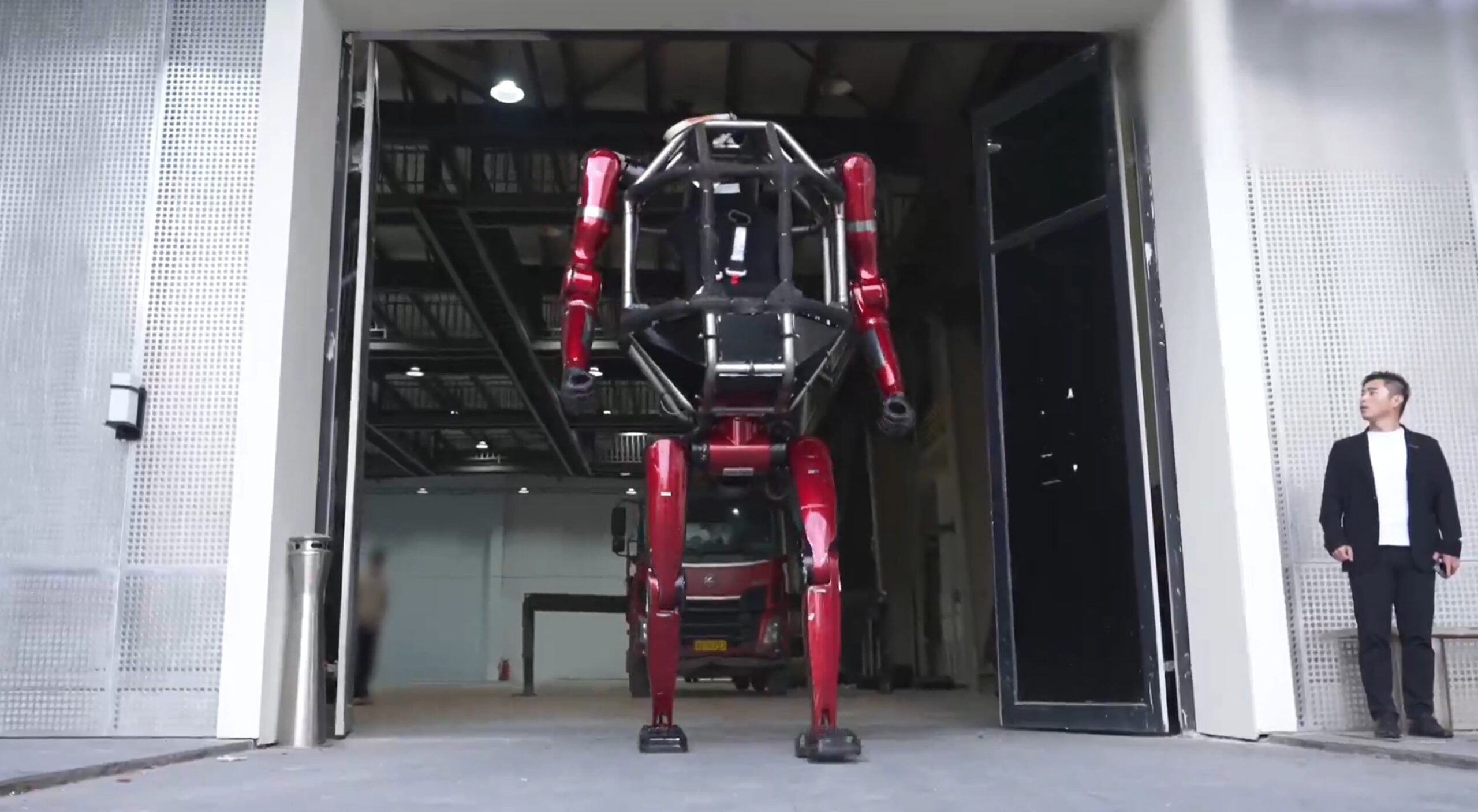
Viral footage showed how Xingxing strapped himself to the GD01 and maneuvered it forward. He then showed off its heavy-duty capabilities, such as breaking a concrete wall.
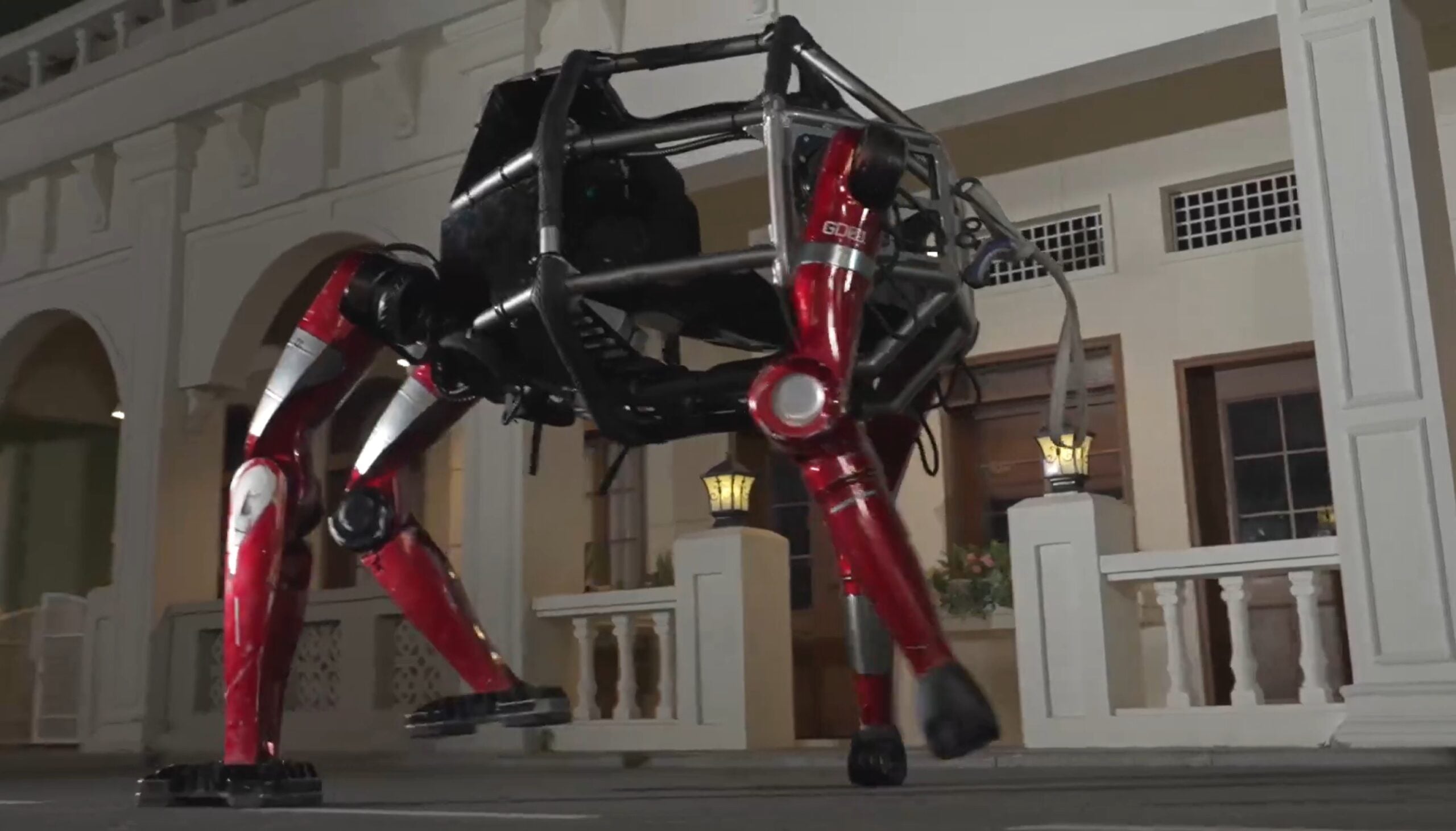
The robot can also switch to a four-legged stance, lowering itself onto all four limbs to walk like a quadruped.
The footage shows that operators do not need to be seated inside the shell to control the robot, suggesting a remotely controlled operation.
The GD01’s towering presence and the sound of mechanical footsteps would intimidate anyone who crosses its path.
Unitree Unveils: GD01, A Manned Transformable Mecha, from $650,000 👏
The world’s first production-ready manned mecha. It can transform. It’s a civilian vehicle. It weighs ~500kg with you inside.
Please everyone be sure to use the robot in a Friendly and Safe manner. pic.twitter.com/xa6eNiRDdV— Unitree (@UnitreeRobotics) May 12, 2026
It Comes With a $650,000 Price Tag
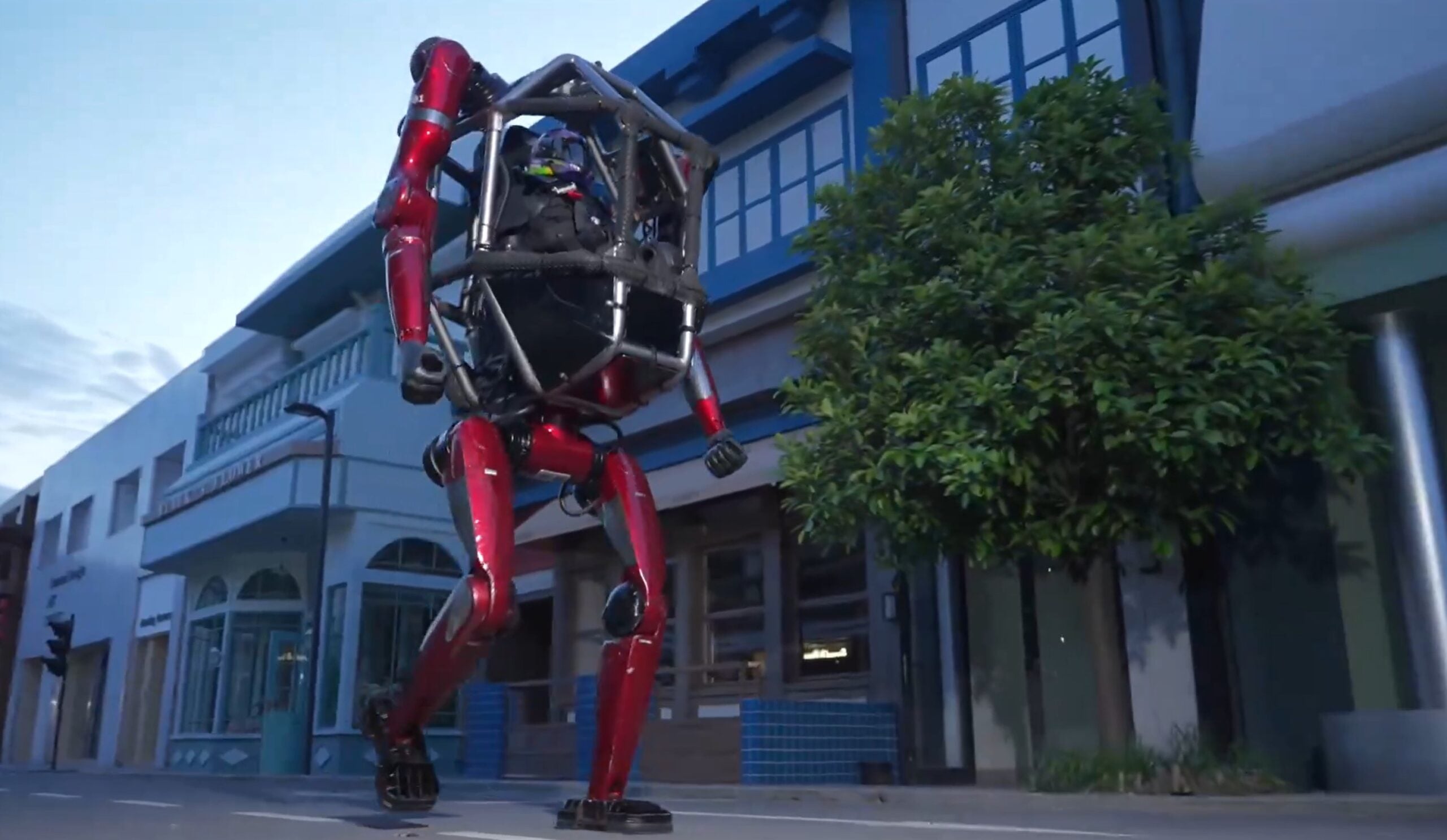
Priced at 3.9 million yuan ($650,000), Unitree plans to put the GD01 into mass production. However, Huang Jiawei, the company’s marketing staff member, said that the offer price is preliminary. He told Global Times:
“The final production version may still be adjusted depending on performance optimization.”
Jiawei revealed that this is a first-generation robot, meaning there will be improved versions in the future, and clarified that the current version can withstand risky conditions. He said:
“The application scenarios for Unitree’s products are mainly aimed at changing the way we work. For example, our robots can be used in high-risk and harsh environments.
“At this stage, our B2 and A2 quadruped robots are already being applied in consumer and inspection scenarios. Through the use of robots, we hope to improve work efficiency and optimize the way people work.
“The product is still in its first generation at this stage, and there is indeed a lot of room for imagination.”
Chen Jing, vice president of the Technology and Strategy Research Institute, said the GD01 is no longer a prototype but a fully functioning product, ready for commercial use. He said:
“It is no longer just a proof-of-concept machine confined to laboratories, but a product with a clear price tag and commercialization roadmap.”
However, he added that the robot does suffer from certain shortcomings that Unitree can work toward overcoming. Jing said:
“But its weaknesses are mainly related to real-world usability, including difficulties getting in and out of the machine, battery-life concerns, limited comfort, regulatory uncertainty and maintenance complexity.”
Will the GD01 be Allowed for Sale in the U.S.?
Given the GD01’s unique capabilities, which could make it an ideal option for law enforcement agencies in combating crime, America’s cybersecurity laws may prohibit this robot from being imported into the country.
There is a ban in place on Chinese electric vehicles in the country due to a potential exchange of information, such as location and visual data, with officials in China.
The GD01 may use GPS and cameras on board, especially if it works with enforcement agencies. Thus, the cybersecurity law that blocks Chinese EVs could also hinder the import of this robot into the country.