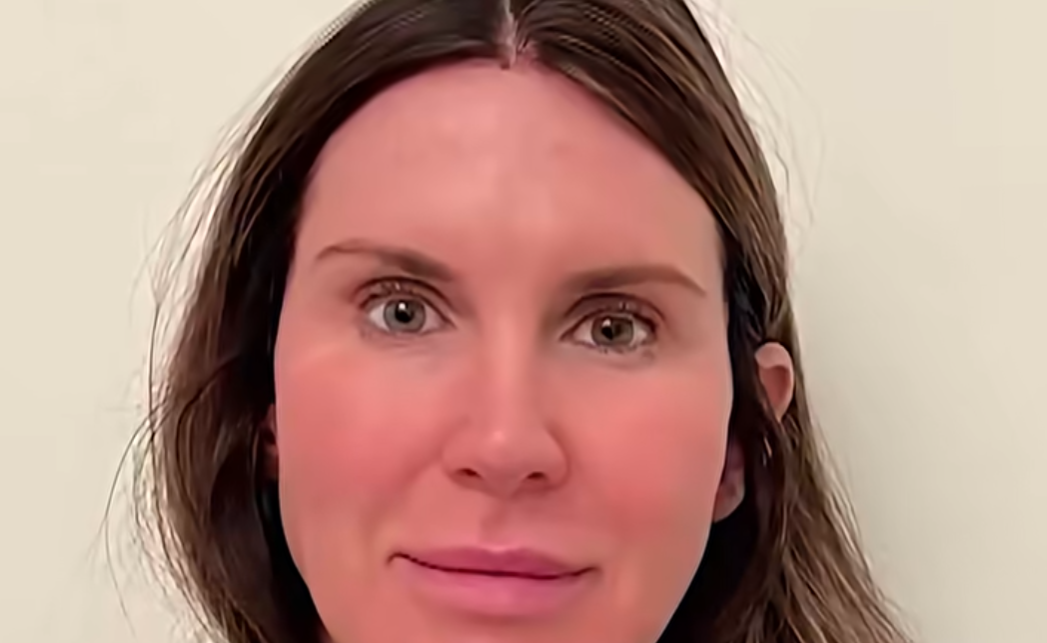
A newly released grand jury report in Oklahoma is putting fresh scrutiny on Gov. Kevin Stitt after allegations surfaced that his office intervened in the incarceration of a woman convicted in a devastating drunk driving crash.
The report centers on Sara Polston, who was sentenced to eight years in prison after a 2023 DUI crash left Micaela Borrego with severe injuries that required major surgeries and long-term recovery. Despite the lengthy sentence, Polston was released to a GPS monitoring program after serving just 73 days behind bars.
Now, recorded jail calls, campaign donation questions, and allegations of preferential treatment are fueling public outrage across Oklahoma. While the grand jury stopped short of accusing Stitt or the Department of Corrections of criminal wrongdoing, the report paints a picture that critics say looks troublingly close to political favoritism.
The controversy has also reignited debate over how influence, wealth, and political access can shape outcomes inside the justice system, especially in cases involving violent or life-altering crimes.
Grand Jury Report Details Alleged Political Favoritism
According to the report released by Oklahoma Attorney General Gentner Drummond, Gov. Stitt allegedly contacted the Oklahoma Department of Corrections multiple times regarding Sara Polston’s situation.
The attorney general’s office also noted that Sara Polston and her husband, Rob Polston, had donated significantly to Stitt’s political campaign, a detail that immediately raised concerns about whether personal connections influenced her treatment while incarcerated.
Audio recordings from jail and prison phone systems appear to show the couple discussing assistance from someone they referred to as “the guy” and “our friend,” which investigators linked to the governor.
In one recording, Rob Polston reportedly told his wife that “the guy” was actively working on getting her transferred and potentially released more quickly. Another conversation referenced the possibility of using a “P,” believed to mean a pardon or parole-related process.
Even without criminal charges, the optics surrounding the case are difficult to ignore.
Victim’s Injuries Became a Central Part of Public Reaction
The case has drawn especially emotional responses because of the severity of the crash victim’s injuries.
Micaela Borrego reportedly underwent life-changing surgeries following the 2023 collision. Details surrounding her recovery helped intensify criticism after the public learned Polston served barely over two months before moving to a GPS monitoring arrangement.
For many observers, the timeline raised a broader question: would an average Oklahoma inmate without political connections have received similar treatment?
That question has become central to the public discussion surrounding the report.
Sheriff Also Named in Report Amid Separate Scandal
The grand jury findings did not focus solely on the governor’s office.
Court documents revealed that Cleveland County Sheriff Chris Amason allegedly accommodated requests from Rob Polston regarding Sara Polston’s jail conditions. According to the report, she was initially placed in a medical cell for comfort before later being moved to an area where she could watch television.
Amason has since resigned after pleading no contest in a separate case involving campaign fund embezzlement, adding another layer of controversy to an already politically charged story.
The overlap between the grand jury allegations and Amason’s unrelated legal troubles has only amplified public skepticism.
Kevin Stitt Denies Any Wrongdoing
Gov. Stitt responded quickly after the report became public, strongly rejecting claims that he improperly intervened.
In a statement, Stitt said his “heart breaks” for the victim and stressed that drunk driving has no place in Oklahoma. He also emphasized that the grand jury found no criminal wrongdoing by either the governor’s office or the Department of Corrections.
That distinction may prove important politically and legally. While accusations of favoritism can create damaging headlines, proving criminal misconduct is a much higher bar.
Still, critics argue the issue is larger than criminality alone. Public trust in the justice system often depends on whether ordinary citizens believe everyone is treated equally under the law.
What This Incident Says About Power and Influence
Cases like this tend to resonate far beyond one state or one politician because they tap into longstanding concerns about privilege in the criminal justice system.
When defendants with political access appear to receive unusual accommodations, it can erode confidence in institutions meant to operate impartially. Even when officials deny wrongdoing, the perception of insider influence can be enough to spark public backlash.
The recordings released in this case added another dimension because they appeared to capture private conversations suggesting confidence that powerful allies could help shape outcomes.
For many Americans, that perception may end up being just as politically damaging as any legal finding.
As scrutiny continues, the Sara Polston case is likely to remain a flashpoint in Oklahoma politics and a broader example of how quickly questions about justice and influence can collide.