A good junkyard project starts with a reason to stop walking. It might be a light shell with good suspension geometry, a rough coupe with the right engine, a forgotten sedan with rear-drive bones, or a hatchback still wearing parts that builders spend weekends trying to find.
The best candidates give builders options. They can become track cars, budget restorations, engine donors, drift machines, autocross builds, sleeper projects, or parts cars that keep better examples on the road.
That is why condition matters more than first impressions. Faded paint, missing trim, and a dead battery are easier to fix than deep rust, crash damage, bad wiring, missing drivetrain parts, or a title problem.
These 10 models fit because they have U.S.-market availability, strong enthusiast value, useful parts support, and enough mechanical character to justify saving one before it disappears into the crusher.
The Project Car Logic Behind These Picks
This selection focused on cars sold in the U.S. market that make sense as project foundations or parts donors. The strongest candidates needed a real enthusiast reason to care, such as rear-wheel drive, manual-transmission availability, respected engines, strong aftermarket support, durable chassis design, useful suspension layouts, or valuable factory parts.
I also considered how often these cars appear as worn, damaged, high-mileage, or incomplete examples. A junkyard project has to be realistic, so rare collector cars and expensive low-mileage survivors sat outside the brief.
The final choices favor cars that reward effort: vehicles with swap potential, track potential, restoration value, useful drivetrains, or mechanical pieces worth saving. A good candidate does not have to be perfect, but it needs enough structure, parts value, or enthusiast demand to justify the work.
1990 To 1997 And 1999 To 2005 Mazda MX-5 Miata

The first two generations of the Mazda MX-5 Miata remain project-car staples because the formula is simple and useful. Rear-wheel drive, low weight, manual gearboxes, simple four-cylinder engines, and huge parts support make NA and NB Miatas friendly to beginners and rewarding for experienced builders.
Mazda’s own 2004 technical sheet lists manual curb weights of 2,440 to 2,447 pounds and a 50:50 weight distribution. That balance is why even a tired Miata can still make sense as an autocross car, track car, weekend roadster, or engine-swap platform.
The best junkyard candidate is a straight shell with minimal rust and complete suspension pieces. Torn soft tops, dead paint, worn seats, and tired brakes are manageable; major structural rust, hard crash damage, and neglected cooling systems are bigger problems.
A rough Miata is worth saving when the body is solid and the core pieces are still there. The aftermarket can supply almost everything else.
1992 To 2000 Honda Civic
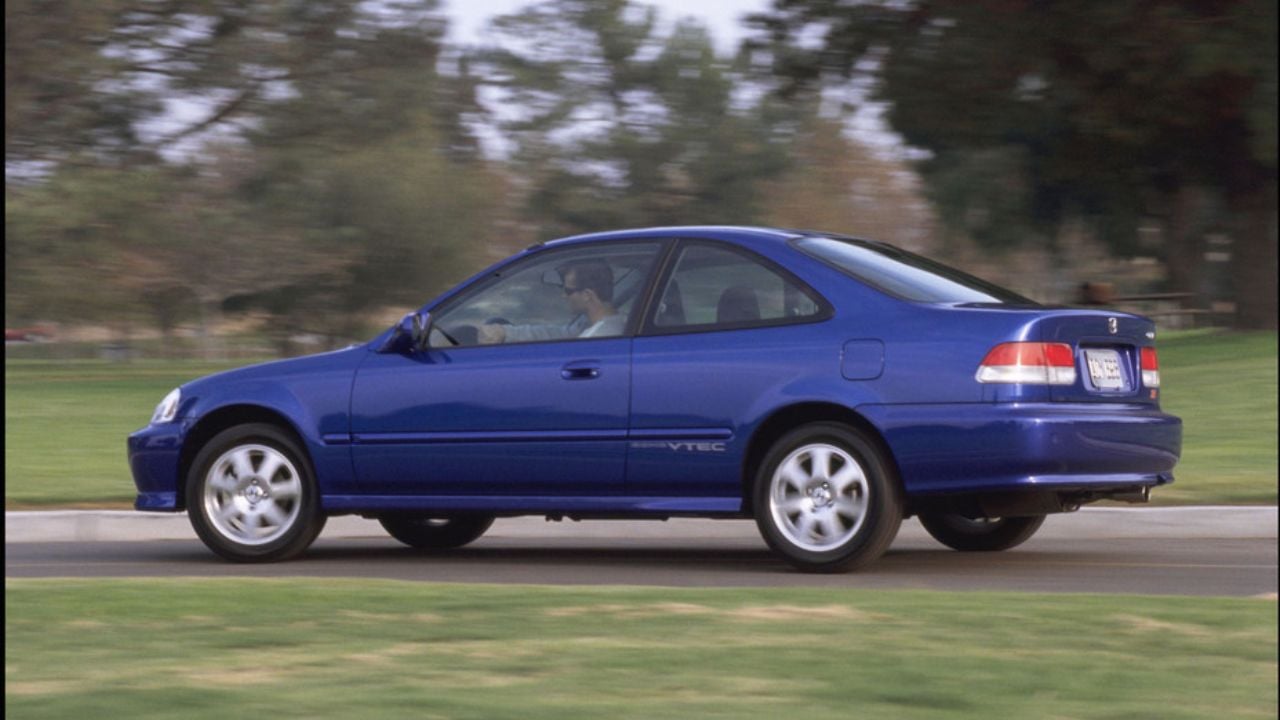
The 1992 to 2000 Honda Civic is one of the most useful junkyard platforms because the shell and parts support matter as much as the original powertrain. A clean hatchback, coupe, or sedan can become a lightweight street build, track car, autocross project, or swap foundation.
The 1999 and 2000 Civic Si show why the generation still has such a strong enthusiast pull. Honda lists the Si with a 1.6-liter DOHC VTEC engine rated at 160 hp and paired with a 5-speed manual transmission.
Ordinary trims are slower, but they can still be worth saving when the body is straight and rust is limited. Manual shells, clean interiors, suspension pieces, wiring, glass, trim, and swap-friendly parts can all have real value to Honda builders.
The best project starts with structure. Rust around the floors, rear quarters, suspension mounting points, and windshield area should matter more than wheels, paint, or bolt-on parts.
1994 To 2001 Acura Integra GS-R
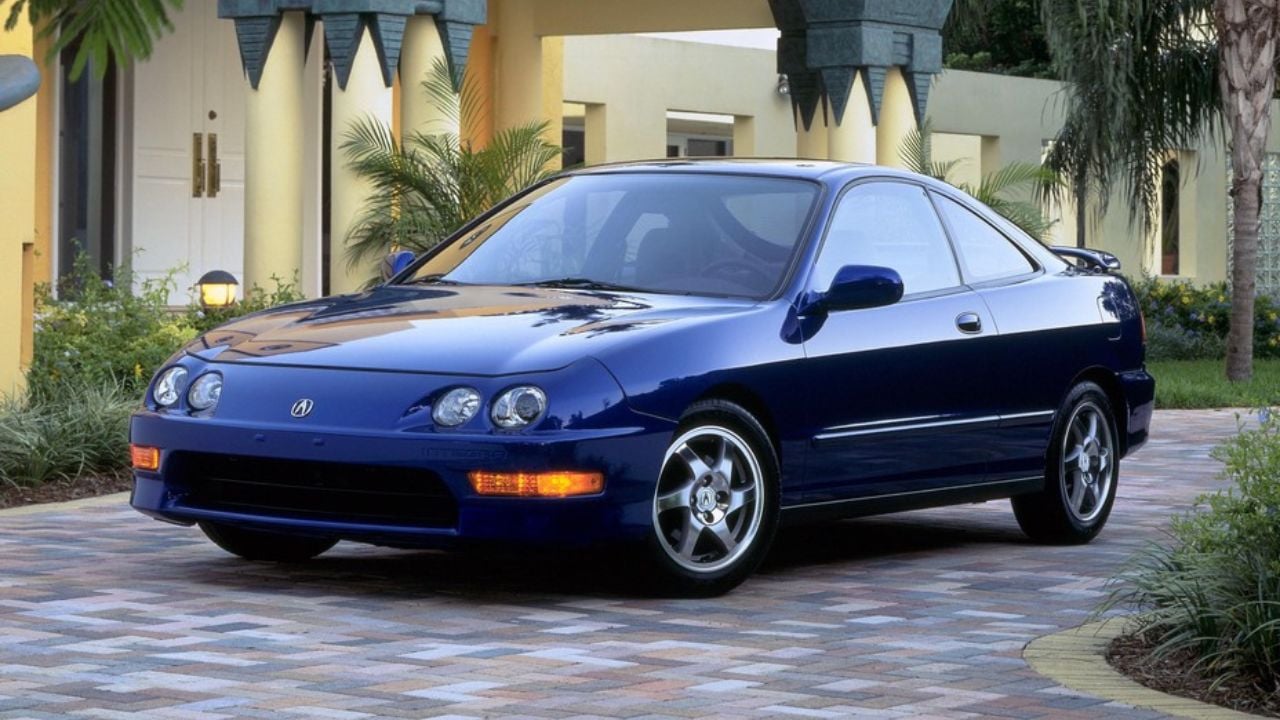
The Acura Integra GS-R is the Honda project car with more polish and stronger factory hardware. Its B18C1 VTEC engine, 5-speed manual, practical hatchback body, and double-wishbone suspension give it a foundation that still feels special.
Acura’s 1998 specifications list the GS-R at 170 hp at 7,600 rpm and 128 lb-ft of torque at 6,200 rpm. That high-revving engine is the reason even a damaged or incomplete GS-R can still be worth attention.
Clean examples are increasingly valuable, so the junkyard version is more likely to be wrecked, rusty, incomplete, or high-mileage. Even then, the engine, transmission, seats, brakes, suspension pieces, and factory trim can justify saving parts before the car is stripped.
A complete GS-R shell with a solid body is better than a pile of performance parts bolted to a ruined chassis. Rust, theft damage, missing interior pieces, and poor wiring repairs deserve careful inspection.
1998 To 2002 Chevrolet Camaro Z28
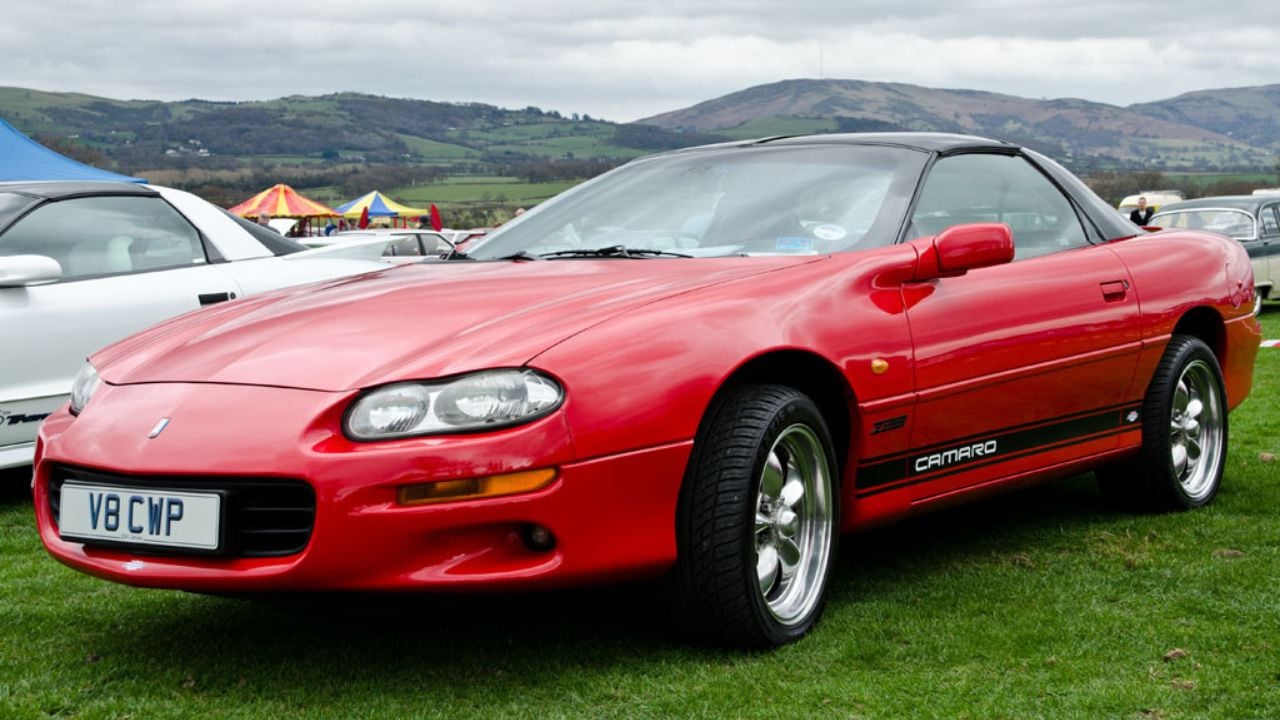
The fourth-generation Camaro Z28 is the junkyard find for anyone who wants LS power on a budget. The 2002 Z28 used a 5.7-liter LS1 V8 rated at 310 hp and 340 lb-ft of torque, with rear-wheel drive and serious performance potential.
That engine family is the main reason this car remains important to builders. A complete Z28 can become a drag car, street bruiser, road course project, or donor for another build.
The rear suspension is old-school, the interior plastics are cheap, and many cars lived hard lives. None of that erases the value of a healthy LS1, manual-transmission parts, rear axle components, brakes, body panels, and electronics.
A rough body with a strong drivetrain can still be worth saving. Buyers should look for crash damage, rust, butchered wiring, overheating history, worn rear ends, and signs of hard drag-strip use.
1999 To 2004 Ford Mustang GT
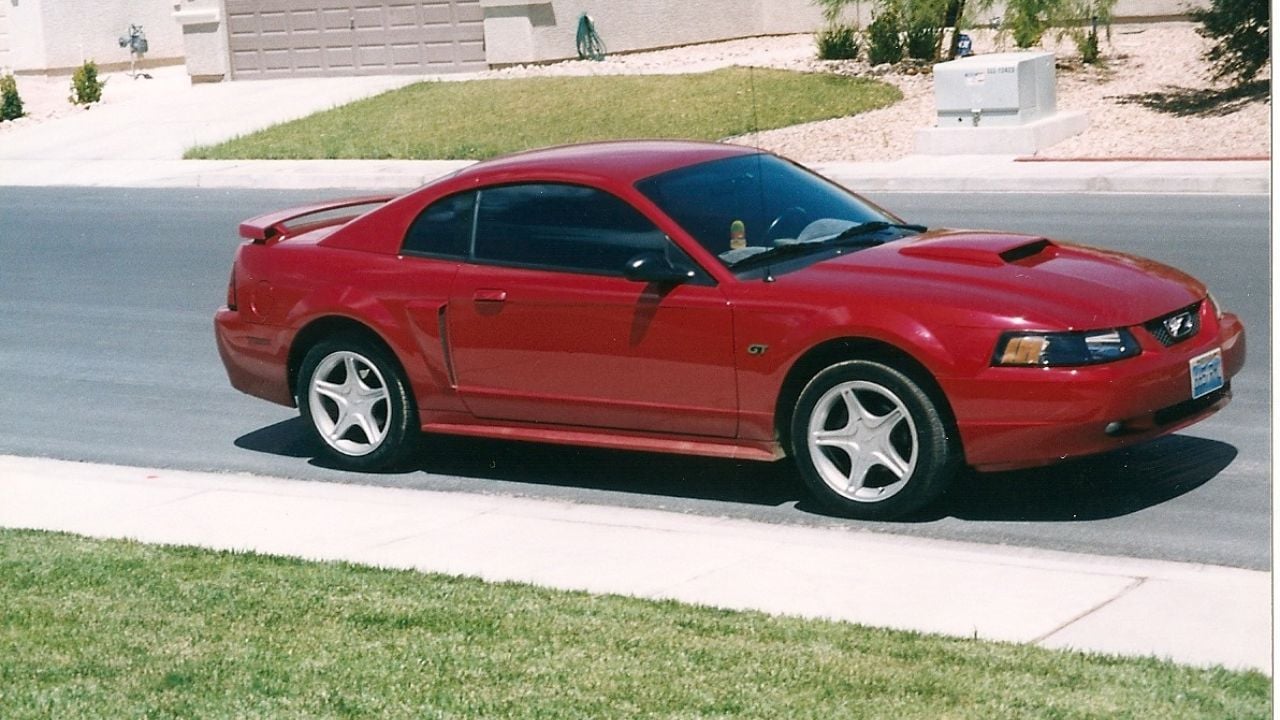
The New Edge Mustang GT is one of the easiest V8 project cars to understand. It has rear-wheel drive, manual-transmission availability, broad aftermarket support, and a simple shape that responds well to suspension, wheel, brake, and drivetrain upgrades.
Edmunds lists the 2004 Mustang GT with a 4.6-liter V8 producing 260 hp and 302 lb-ft of torque, plus a 5-speed manual transmission and rear-wheel drive.
The modular V8 does not have the same easy power ceiling as an LS, but it has sound, durability, and deep parts support. Junkyard Mustangs can donate rear ends, brake parts, body panels, wheels, interior pieces, wiring, or full drivetrains.
A straight GT shell can still become a cheap track car, street build, or V8 swap base. Check torque boxes, front frame rails, floor rust, rear-end noise, clutch condition, and evidence of poorly installed aftermarket parts.
2002 To 2007 Subaru Impreza WRX
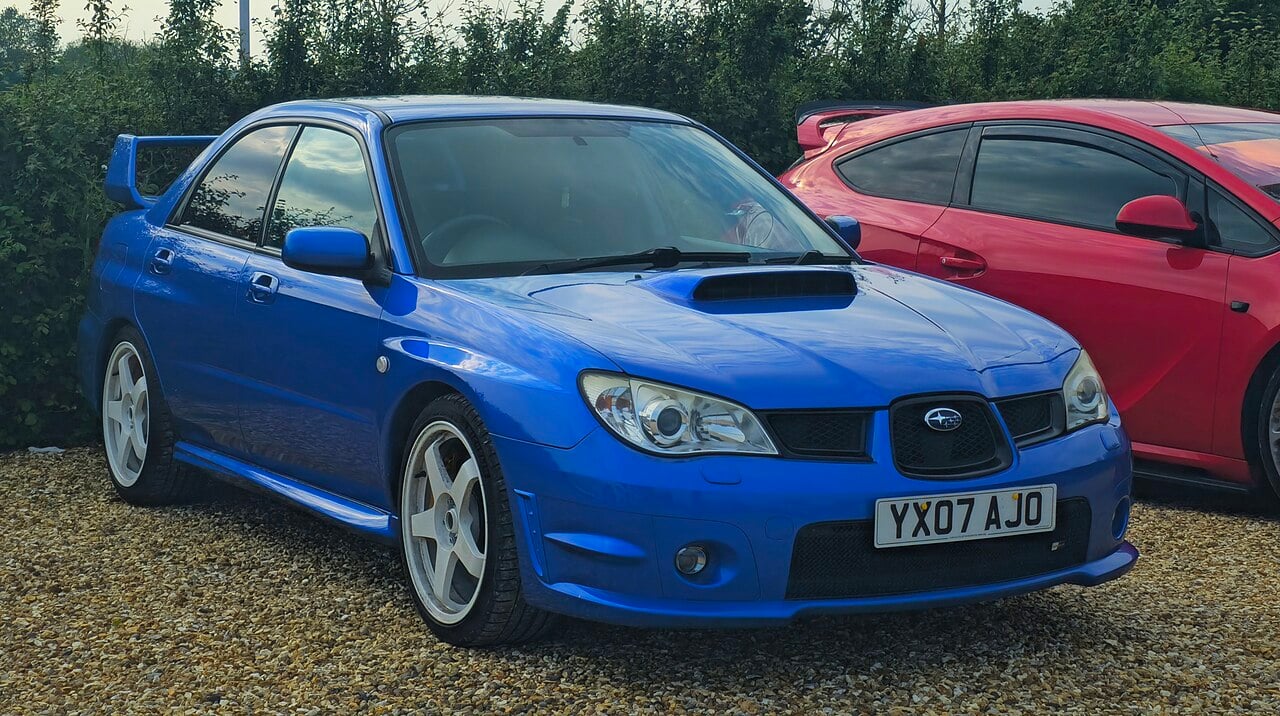
The first U.S.-market Subaru WRX became a legend because it made turbocharged all-wheel-drive performance attainable. Edmunds lists the 2004 WRX with a 2.0-liter turbo flat-four rated at 227 hp and 217 lb-ft of torque, a 5-speed manual, and all-wheel drive.
Early U.S. WRX models used the 2.0-liter turbo flat-four, while 2006 and 2007 WRX models moved to a 2.5-liter turbo engine. Shoppers should verify year-specific driveline details before assuming the same engine, transmission, or differential setup applies to every car.
As a project, the WRX is exciting and risky in equal measure. Engines, transmissions, body panels, interiors, suspension parts, and turbo hardware all have value, but neglected examples can become expensive quickly.
A complete shell with clean structure can become a rally-inspired build, all-weather street car, or parts donor. Buyers should inspect carefully for rust, crash damage, bad tuning, oil consumption, tired drivetrains, and missing factory parts.
2002 To 2005 Lexus IS 300
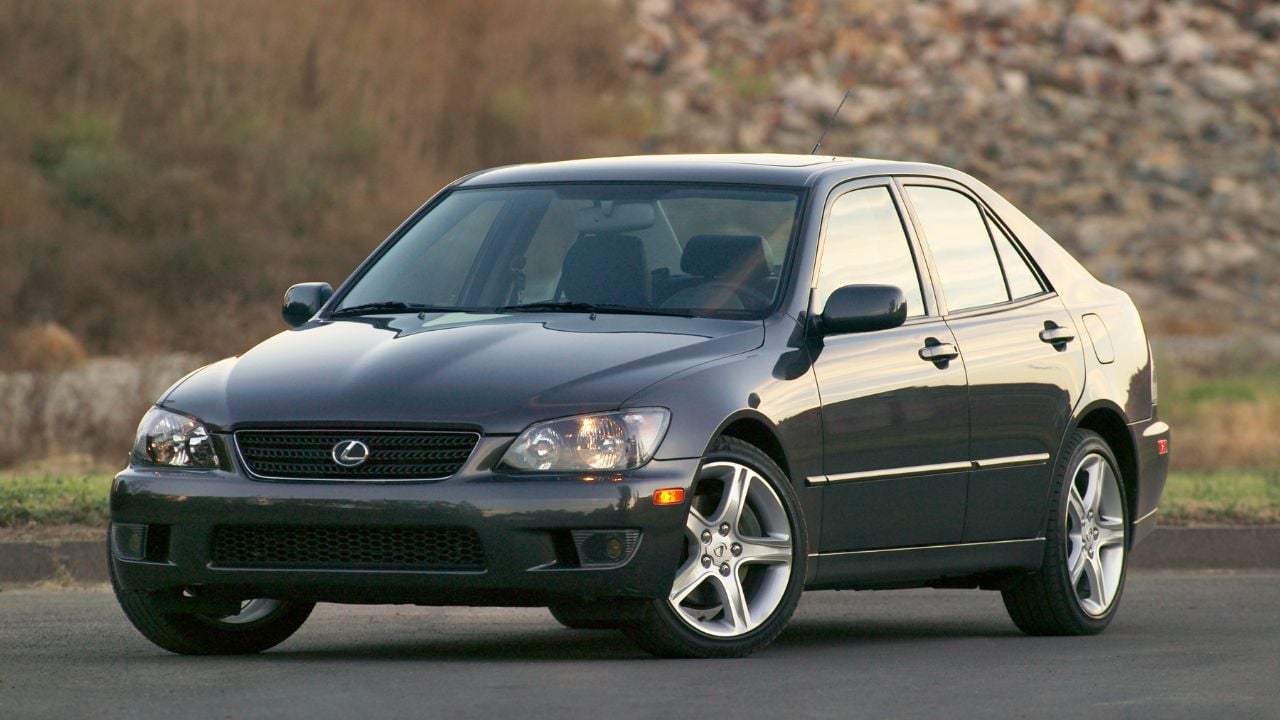
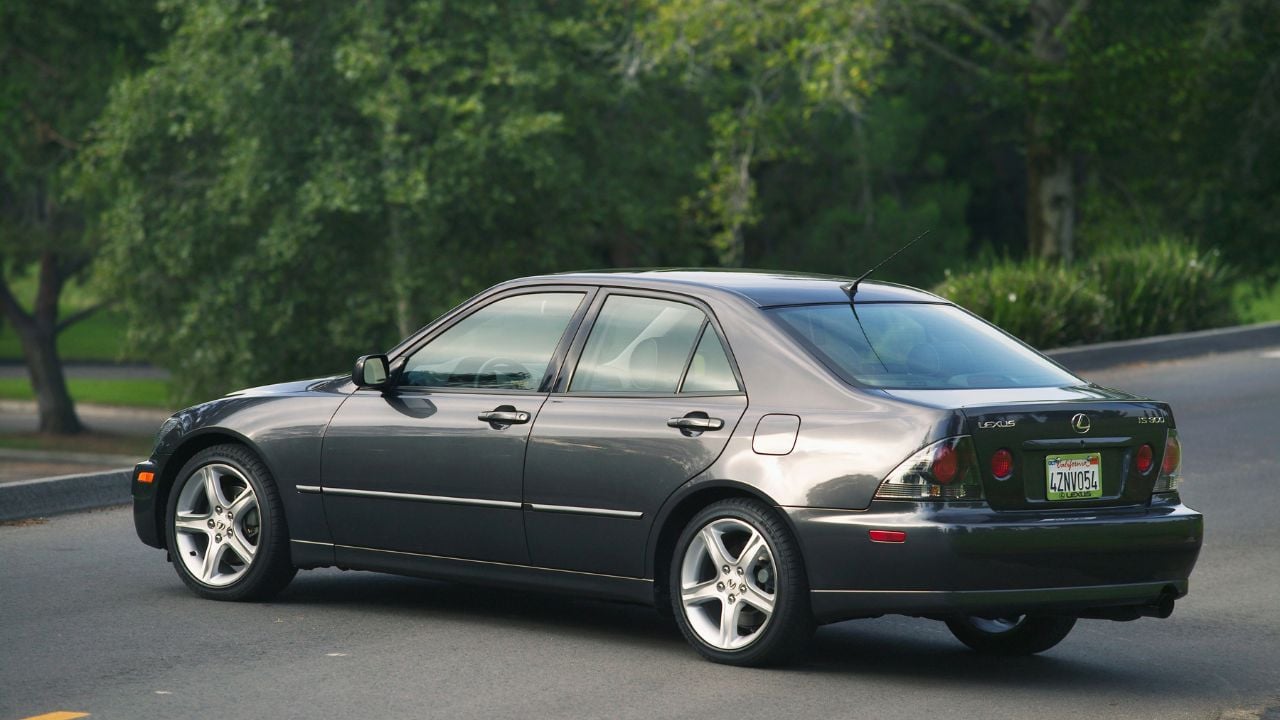
The first-generation Lexus IS 300 blends Toyota durability with rear-drive sport-sedan character. Edmunds lists the 2002 IS 300 with a 3.0-liter inline-six rated at 215 hp and 218 lb-ft of torque, while the manual sedan used a 5-speed gearbox and rear-wheel drive.
The engine’s 2JZ family connection gives the car immediate project appeal, even in naturally aspirated form. The chassis is compact, the cabin feels more solid than many same-era sport compacts, and the factory styling has aged well.
Manual cars are desirable, but even automatic examples can donate useful parts or become swap candidates. Engines, interior trim, suspension pieces, brakes, wheels, and clean body panels are all worth saving from the right car.
A rough IS 300 with a clean body can become a drift sedan, daily project, or tasteful restomod. Rust, overheated engines, torn interiors, failed electronics, and abused drift-car examples should be inspected carefully.
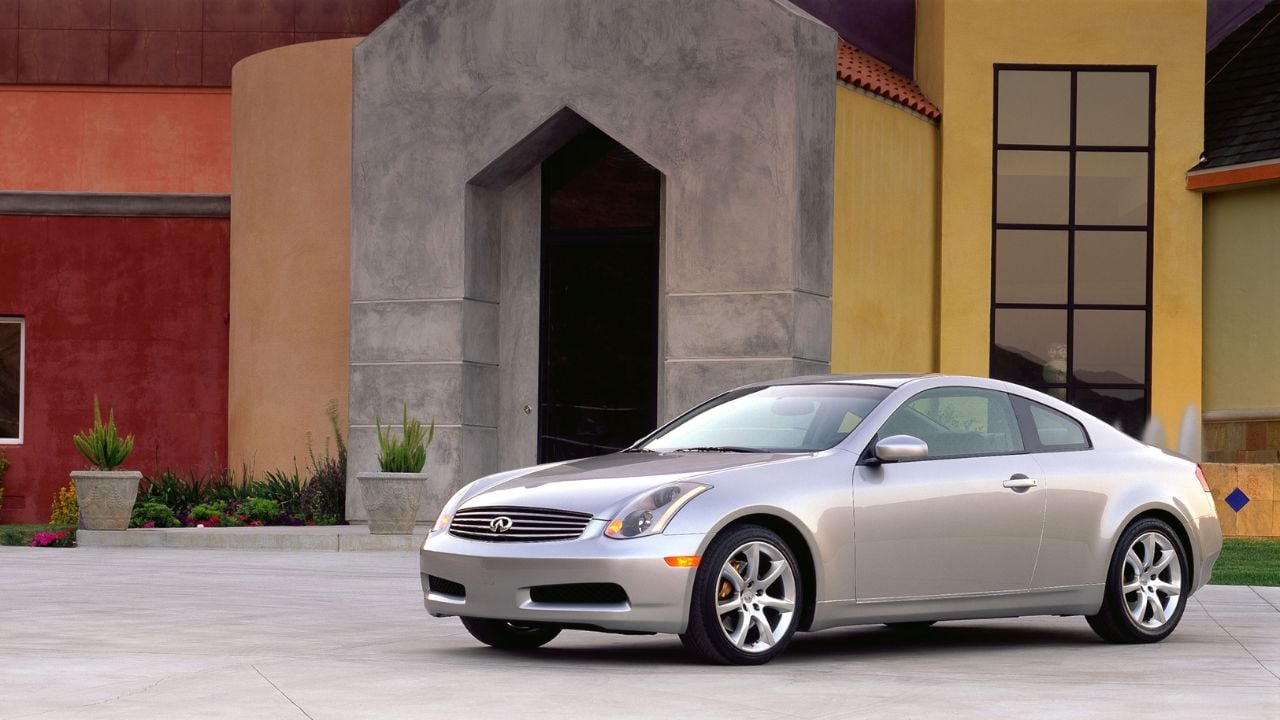
2003 To 2008 Infiniti G35
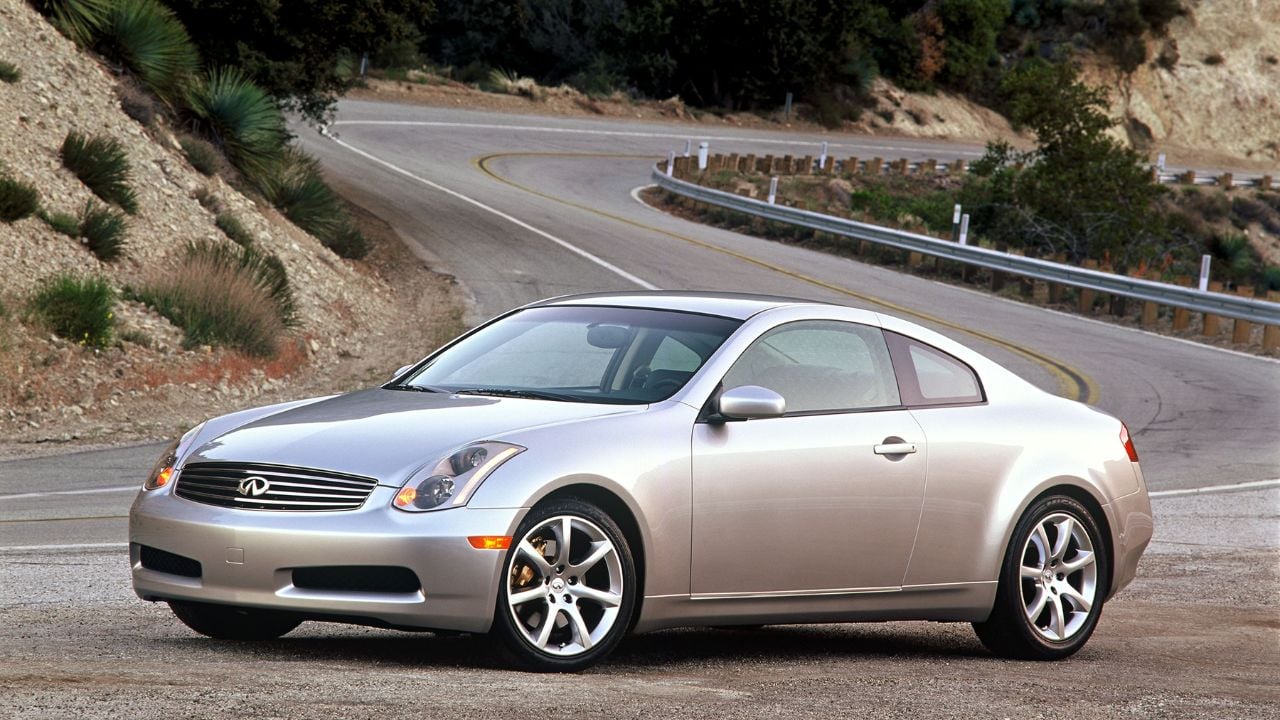
The Infiniti G35 is the project car hiding under a premium badge. It shares much of its spirit with the Nissan 350Z, but the sedan and coupe body styles can make it a better junkyard hunting target.
Infiniti’s 2004 G Coupe press material listed a 3.5-liter V6 with 280 hp and 270 lb-ft of torque, rear-wheel drive, and an available 6-speed close-ratio manual transmission.
That gives the G35 strong donor value for VQ builds, manual swaps, brake upgrades, suspension parts, and drift projects. Coupes bring the cleaner sports car image, while the right manual sedans make excellent sleepers.
These cars commonly suffer from worn interiors, oil leaks, tired suspension, abused clutches, and drift-related damage. The best find has a healthy drivetrain, straight structure, complete wiring, and enough interior left to make the build worth starting.
2000 To 2005 Toyota Celica GT-S
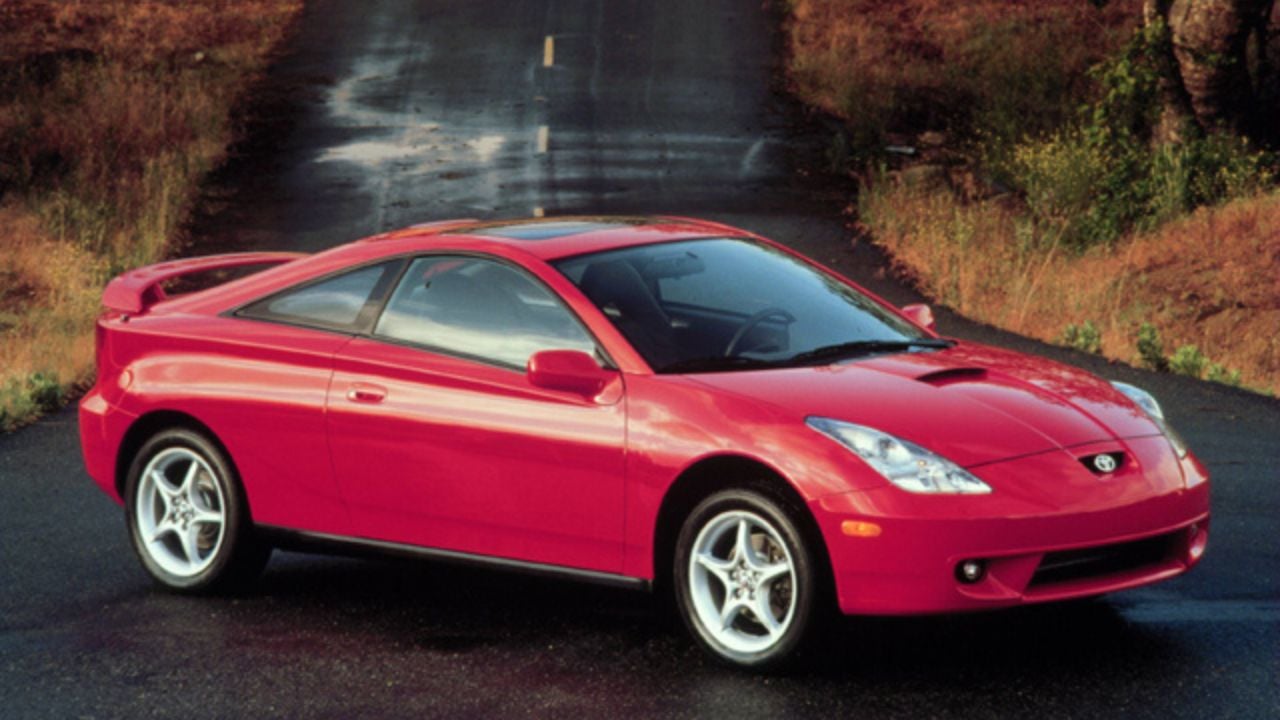
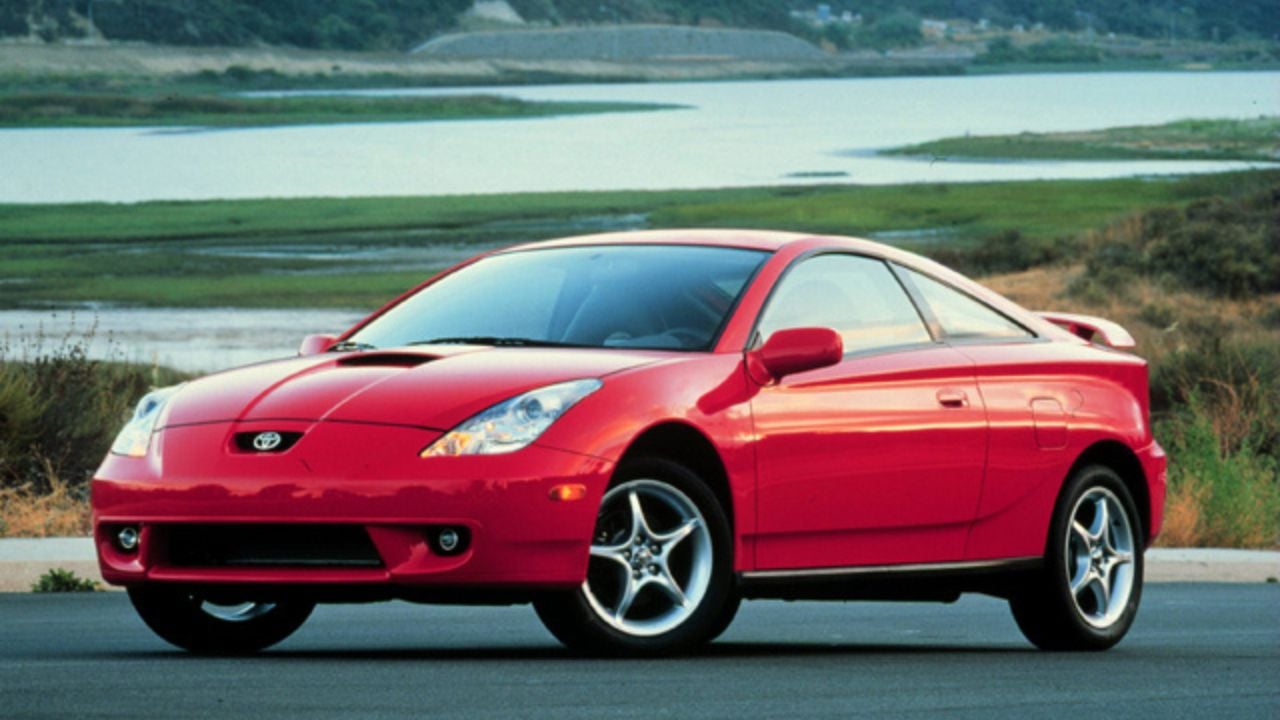
The Toyota Celica GT-S is a clever junkyard find because its best parts are small, light, and valuable to the right builder. Edmunds lists the 2000 GT-S with a 1.8-liter engine rated at 180 hp at 7,600 rpm, 133 lb-ft of torque at 6,800 rpm, and a 6-speed manual transmission.
Car and Driver noted the engine’s high-revving nature and Toyota’s lift-based valve technology. That gives the GT-S a very different personality from ordinary economy coupes of the period.
The Celica makes sense as a lightweight front-drive project, but its engine and transmission can also interest builders working on other Toyota platforms. Rough GT-S cars can still have valuable driveline pieces, seats, brakes, trim, and wheels.
The key is finding one that has not been ruined by neglect or poor modifications. Oil starvation history, lift-bolt issues, worn synchros, bad suspension, and hacked wiring deserve close attention.
1998 To 2011 Ford Crown Victoria
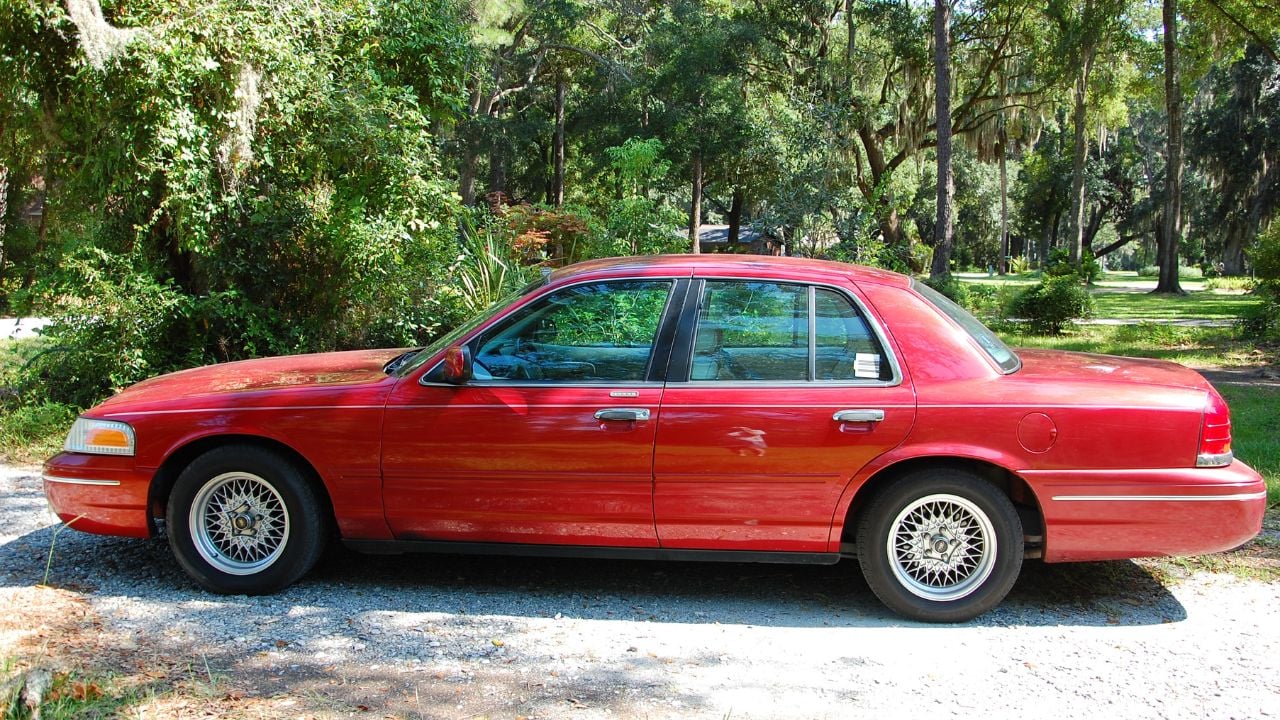
The Ford Crown Victoria is different from the smaller sport-compact and pony-car picks here. Its value comes from body-on-frame toughness, rear-wheel drive, a V8, cheap parts, and years of police and fleet use.
Car and Driver’s Crown Victoria history notes that the 4.6-liter V8 powered Panthers through 2011, while later police examples were rated at 250 hp and 297 lb-ft of torque.
The Crown Vic is heavy and not especially delicate, but that durability is the point. It can become a budget-track joke, a road-trip build, a suspension experiment, a drift curiosity, or a durable daily project.
Former police cars need careful inspection for idle hours, wiring changes, cooling-system condition, worn suspension, interior damage, and hard use. A clean civilian car or a well-kept Police Interceptor is usually a better starting point than the cheapest example in the row.
What Makes A Junkyard Car Worth Saving
A junkyard project is not about finding a perfect car. It is about finding enough value to justify the labor, towing, storage, parts hunting, and repair costs.
The smartest builders look past the first impression and check the structure first. Rust, bent rails, bad floors, missing drivetrain pieces, damaged wiring, title issues, and unavailable parts can turn a cheap find into an expensive mistake.
A good project should have a clear purpose before money changes hands. A track car, street sleeper, engine donor, budget restoration, drift build, autocross car, or parts rescue all require different starting points.
The right junkyard find is the one with enough solid metal, useful parts, and build potential to make the work worth it. Everything else is just a car taking up space.