Official statements from May 8, 2026, confirm that Leapmotor is playing an increasingly important role in Stellantis’ strategy.
This time, the story goes beyond commercial cooperation or distribution. Stellantis is preparing a much deeper industrial transformation of its European factories.
The clearest symbol of that shift is in Spain. Stellantis plans to transfer ownership of the Villaverde plant in Madrid to the Spanish subsidiary of Leapmotor International.
Only a few years ago, such a move would have seemed almost unthinkable for a group historically tied to its European production sites.
Villaverde Could Become A Leapmotor Hub

In its official statement, Stellantis says it wants to “significantly strengthen the future of the Villaverde plant.” Behind that diplomatic wording sits a much bigger reality.
The Madrid factory, currently known for producing the Citroën C4, could become a plant directly connected to Leapmotor.
The group says it is considering a possible transfer of ownership to the Spanish subsidiary of LPMI. In other words, Leapmotor International, the joint company owned 51% by Stellantis and 49% by Leapmotor, could take control of the site for future production aimed at Europe and the Middle East.
The announcement comes as Citroën C4 production in Villaverde is scheduled to end. Stellantis appears to have already chosen the next chapter for the plant: Leapmotor.
Leapmotor Is Becoming Strategically Important
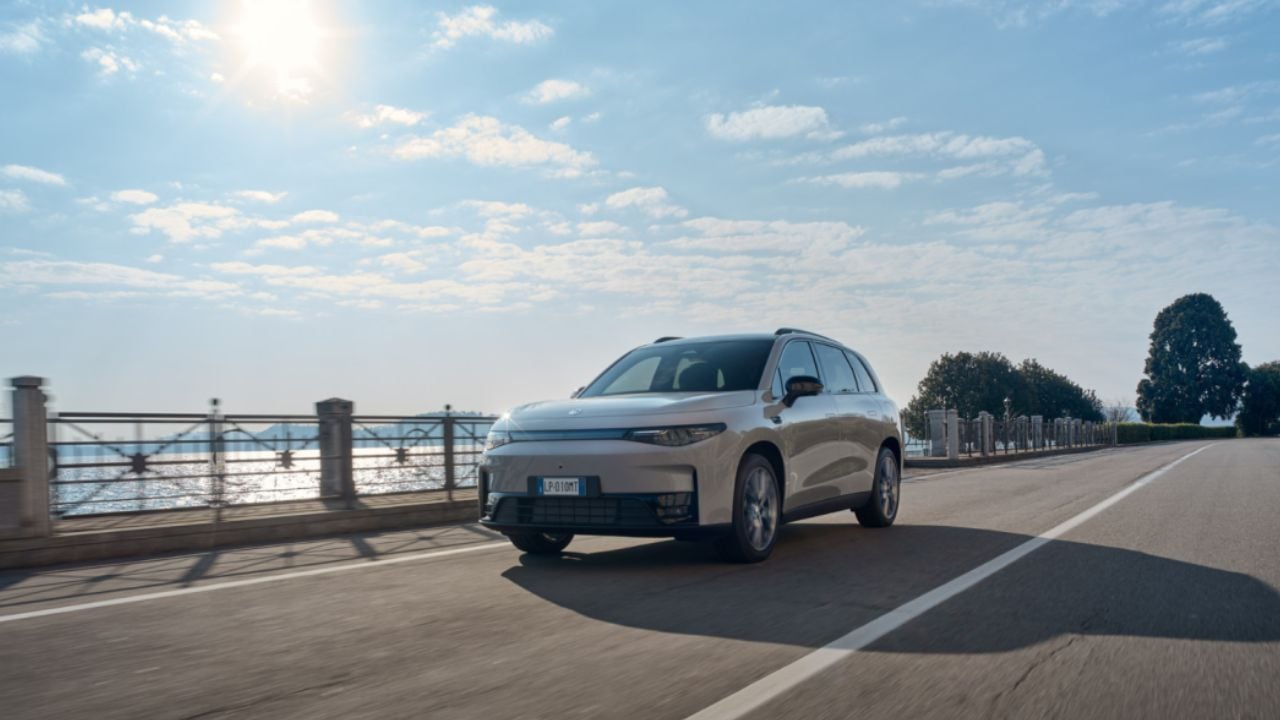
The move shows how important the Chinese manufacturer has become for Stellantis in Europe. In less than three years, Leapmotor has moved from an unusual partner to an industrial player capable of occupying historic European factories.
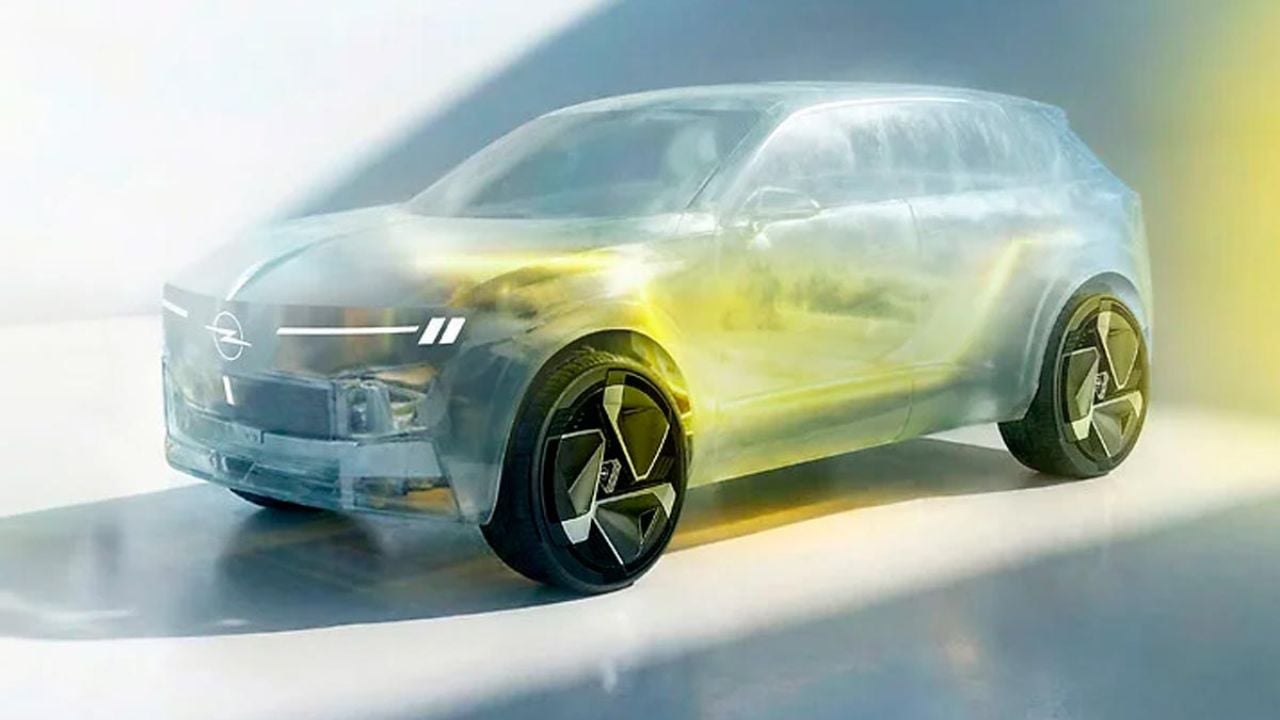
The second major announcement concerns Opel. The German brand has confirmed that it is working on a completely new C-segment electric SUV, expected in 2028.
That model will be developed through an expanded partnership with Leapmotor. This time, Stellantis is being very open about the technical foundation.
The future Opel SUV will use key components from Leapmotor’s latest electric architecture, along with Chinese battery technology. Opel says the vehicle will still be designed and developed in Rüsselsheim, Germany, using in-house expertise in design, chassis tuning, lighting, and seats.
A German Opel With Chinese Technology
In practice, that means the next Opel SUV will look and feel German in development and design, but its technological base will come largely from China.
This project perfectly reflects the new direction Stellantis is taking under Antonio Filosa. The group is clearly choosing a more pragmatic strategy, using Chinese technology when it is faster and cheaper to develop.
Thanks to this cooperation, the future Opel SUV is expected to be developed in less than two years. That is an extremely short timeline for the European auto industry, where a new model often takes three to four years to complete.
The goal is clear: reduce costs sharply and speed up the launch of more affordable electric vehicles. Stellantis openly says it plans to use highly competitive components from the Leapmotor ecosystem to make the future Opel SUV more accessible to European buyers.
Zaragoza Also Becomes Part Of The Plan
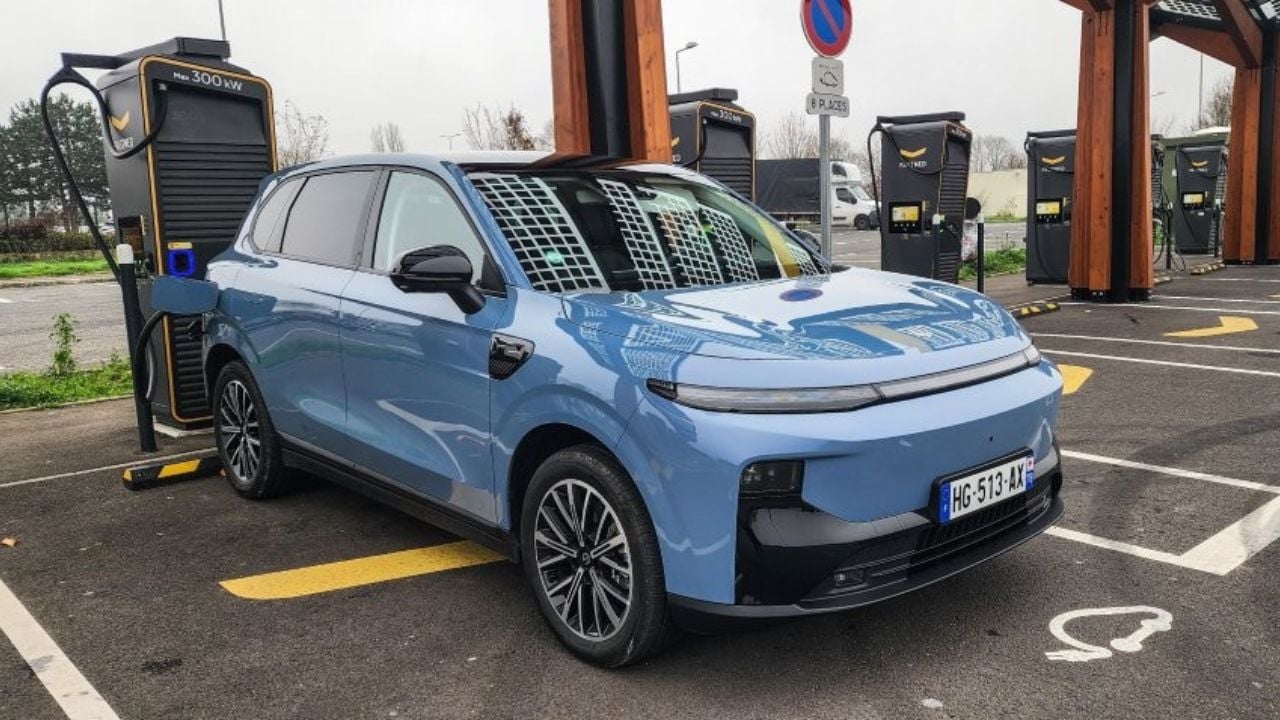
After Villaverde, the Spanish plant in Zaragoza is also becoming a key part of this transformation. The historic Opel factory, where more than 10 million Corsas have been built since 1982, is expected to produce both the Leapmotor B10 and the future electric Opel SUV.
The symbolism is powerful. A legendary Opel factory will build a Chinese model and an Opel SUV based on Chinese technology at the same time.
Opel is even describing its role as pioneering within this new global cooperation with Leapmotor. That language seems designed to prepare the public for a reality that would have been difficult to accept only a few years ago.
All of these announcements strengthen the impression that Leapmotor has become much more than a simple partner. The Opel SUV is only a pilot project, but it is very likely that other Stellantis brands, including Fiat and Citroën, could follow the same path in the future.
This article originally appeared on Autorepublika.com and has been republished with permission by Guessing Headlights. AI-assisted translation was used, followed by human editing and review.