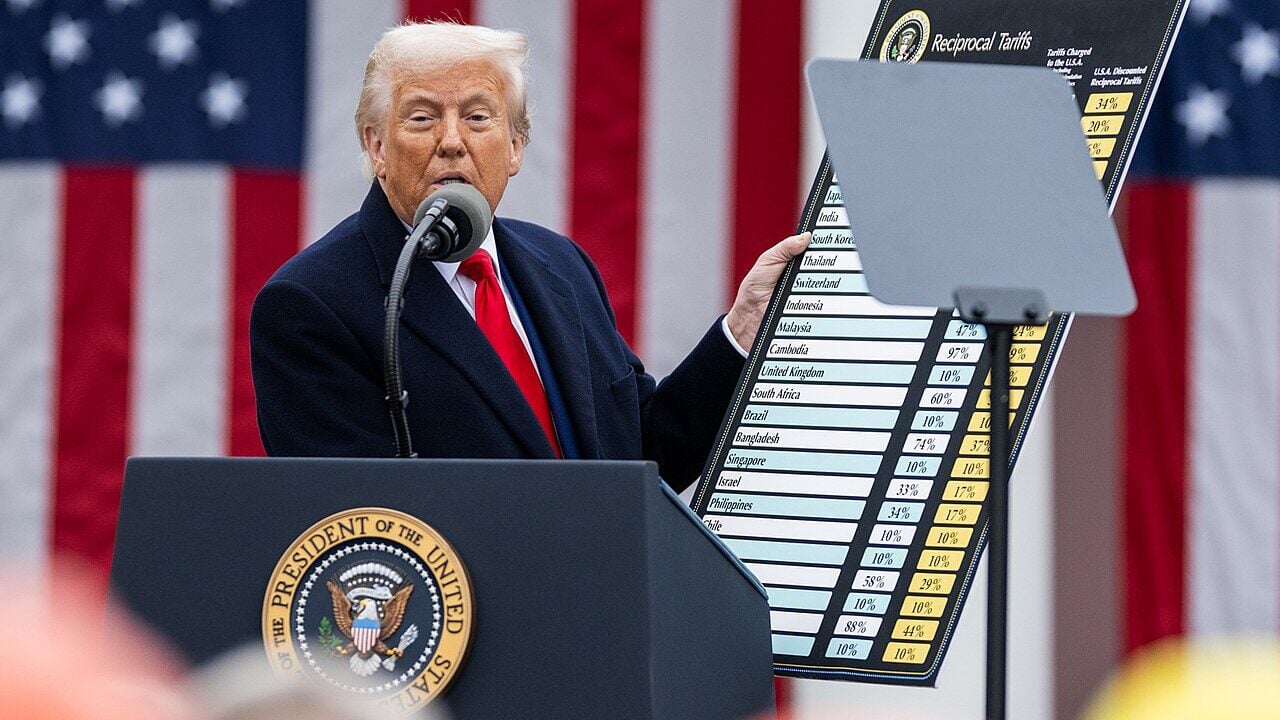
With U.S. President Donald Trump meeting Chinese President Xi Jinping this week, lawmakers and industry representatives have urged him to maintain the ban on Chinese vehicles.
Trump hinted early this year that he was open to Chinese manufacturers setting up a plant and employing the American workforce in the country. However, his statement was met with significant backlash from the U.S. automotive industry.
Lawmakers and automakers fear Trump could lift the current ban on Chinese vehicles, which may prove detrimental to local brands and the level of competition in the market.
At present, U.S. cybersecurity laws prohibit the sale of Chinese vehicles, while the 100% tariff on them makes it impossible for manufacturers to import and resell them at competitive prices.
President Trump Asked Not to Make a ‘Bad Deal’ With China
American automakers, politicians, unions, steelmakers, and suppliers have sprung into action ahead of President Trump’s meeting with Xi Jinping, stating that Chinese automakers could ruin market dynamics through their EV technology, large-scale production capabilities, and low prices.
Reuters reported that Democratic Senator Elissa Slotkin urged President Trump not to make a deal that would open U.S. roads to Chinese cars. She said:
“Please don’t make a bad deal.”
Notably, Slotkin pushed a bipartisan bill with Republican Senator Bernie Moreno of Ohio to prohibit Chinese vehicles over concerns surrounding data collection.
The Connected Vehicle Security Act, which has a bipartisan companion bill in the House, would codify former President Joe Biden’s restrictions on Chinese-connected vehicles into permanent law, making them difficult to reverse.
The House bill goes further, aiming to ban industry partnerships between U.S. automakers and Chinese companies. Congressional aides told Reuters that with broad support, the legislation could pass this year, possibly attached to a transportation spending bill.
Democrat Debbie Dingell and Republican John Moolenaar said in a joint statement:
“Every vehicle on American roads is a rolling data collection device, capturing information on location, movement, people, and infrastructure in real time, and we cannot allow Chinese vehicles or components to be a part of that system.”
Could Trump Take Matters Into His Own Hands?
U.S. Trade Representative Jamieson Greer said in April that there were no plans to amend the connected car rule and the automotive industry was not part of the agenda at the Beijing summit.
Commerce Secretary Howard Lutnick also ruled out Chinese investments in the U.S. auto sector, suggesting that Trump would not permit Chinese automakers to sell their cars in the U.S. after this meeting.
However, Scott Paul, the president of an industry group, the Alliance for American Manufacturing, was concerned that Trump would act on his own when it came to attracting more manufacturers to the U.S. He said:
“He’s left wiggle room in dealing with the auto sector.”
Chinese Cars Spotted Crossing the U.S.-Mexico Border Raise Alarm
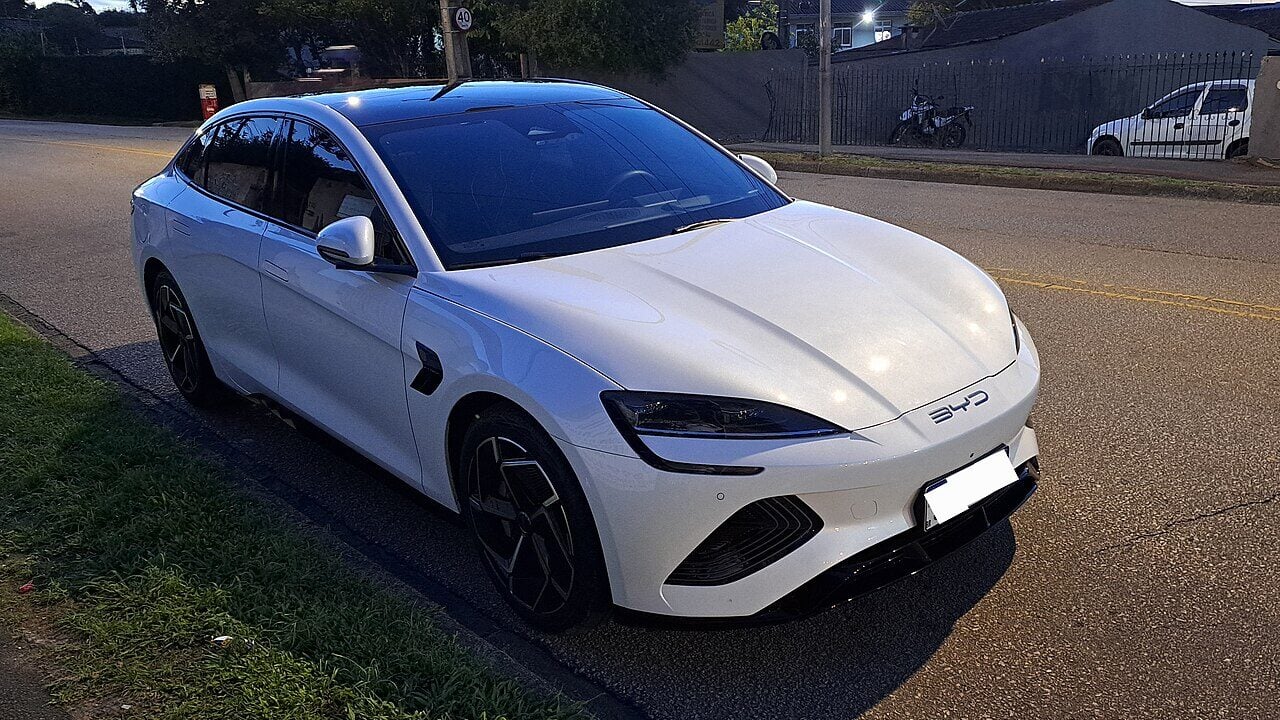
While it remains to be seen if anything related to the auto industry comes out of the Trump-Jinping meeting, U.S. lawmakers have raised an alarm after several cars made by Chinese automakers were found coming in and out of the country across the U.S.-Mexico border.
While Chinese cars are banned in the country, a loophole in the legislation allows them to be driven by citizens of Mexico who work in the U.S. and commute daily.
Guessing Headlights recently reported how U.S. lawmakers are moving to introduce a new law that aims to shut the loophole allowing Chinese vehicles to roam freely within the country. Notably, a cybersecurity law is in place that prohibits the sale of these cars in the U.S.
Congress will reportedly pass a bill to ban Chinese vehicles from U.S. roads entirely later this month. Speaking on the matter, Slotkin said:
“The idea that you could have a fleet of these folks driving around major infrastructures sites taking all that data, all that video, all that mapping and sending that back.
“As someone who’s from the Pentagon, that is the exact detailed information an adversarial loves to have in their war planning.” [sic]