Range still matters because it changes how an EV fits daily life. Fast charging, home charging, and better route planning have made electric ownership easier, but a high range estimate still gives drivers more flexibility before weather, speed, cargo, or towing reduce the real-world number.
The best long-range EVs in 2026 show how much the market has changed. Sedans, full-size pickups, luxury SUVs, adventure trucks, and premium family EVs now compete in the same distance conversation.
That variety is the main story. Long range is no longer only a luxury sedan feature. It now matters to work trucks, road-trip SUVs, family haulers, and EVs built for towing, cargo, and long highway days.
This ranking focuses on models available to U.S. buyers and orders them by the longest published U.S. range figure for each model line. EPA-estimated range is prioritized where available, while current manufacturer estimates are used when that is the clearest published figure.
The Range Standard Behind This Ranking
This selection used the longest available U.S. range figure for each model. EPA-estimated range took priority whenever it was publicly available, while manufacturer estimates were used where the automaker presents a current U.S. range figure and EPA language is not shown the same way on the public page.
Each model also needed current U.S. market relevance, real production availability, and a clear role for buyers who care about distance. Range carried the most weight, but charging capability, usability, body style, passenger space, towing or cargo usefulness, and long-distance comfort shaped the descriptions.
When models tied or sat very close on range, body-style variety and editorial usefulness guided the final spot. That is why the Tesla Model S represents the 410-mile sedan slot, while the Rivian R1S Dual Max is noted as a 410-mile SUV tie rather than given a separate full entry.
Lucid Air: 512 Miles

The Lucid Air Grand Touring remains the range leader among EVs available to U.S. buyers. Lucid lists it with up to 512 miles of EPA-estimated range, 819 hp, all-wheel drive, a 3.0-second 0-to-60 mph time, and a 0.197 drag coefficient.
Lucid also says the Air Grand Touring can add up to 200 miles of range in about 12 minutes when connected to a compatible high-power DC fast charger. That matters because long range works best when charging stops are also short.
The Air earns the top spot because efficiency is central to the car’s identity. Its low sedan shape, aerodynamic body, fast-charging ability, and high output all support the same purpose: covering long distances with fewer interruptions.
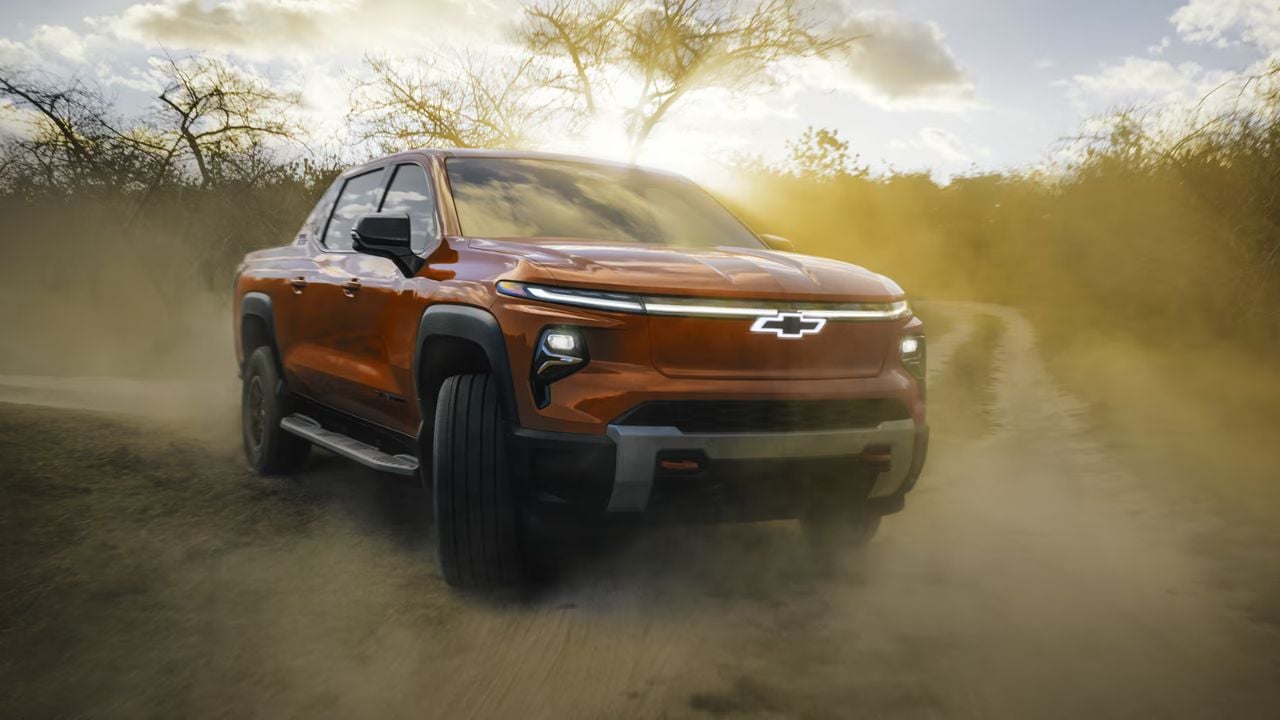
Chevrolet Silverado EV: 493 Miles
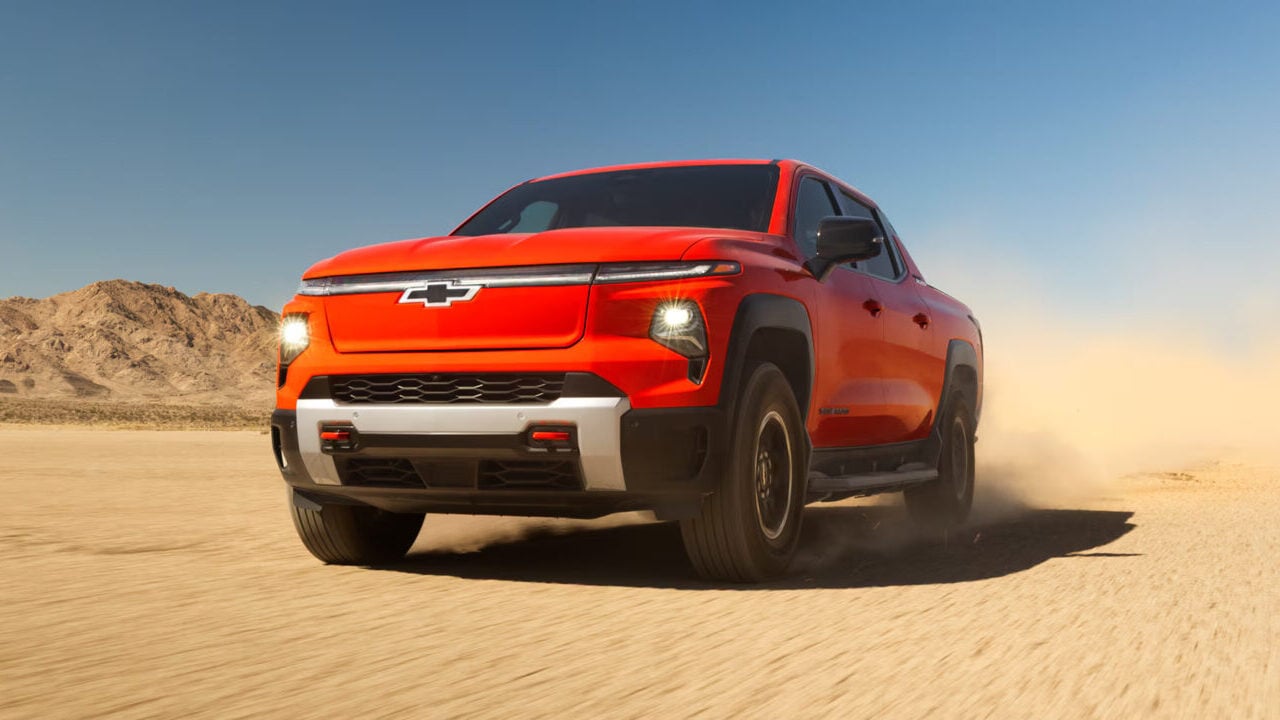
The Chevrolet Silverado EV brings serious range into the pickup segment. GM Fleet lists the 2026 Silverado EV Max Range Work Truck at up to 493 miles of EPA-estimated range, while Chevrolet’s consumer page lists up to 478 miles of GM-estimated range for retail Silverado EV configurations.
That distinction matters. The 493-mile figure is tied to the Max Range Work Truck configuration, while the consumer-facing Silverado EV lineup is advertised differently.
The Silverado EV is built around utility as much as distance. Chevrolet lists up to 12,500 pounds of maximum available towing on select configurations and up to 775 lb-ft of torque with Wide Open Watts on performance-oriented versions.
The range figure gives the Silverado EV a practical advantage. A full-size electric truck with this much reach gives owners more room for commuting, jobsite use, family duty, and weekend travel before charging becomes the main constraint.
GMC Sierra EV: 478 Miles

The GMC Sierra EV is the premium truck counterpart with a long-range story of its own. GMC’s configurator lists the 2026 Sierra EV AT4 Max Range at 478 miles of GM-estimated range, while the Denali Max Range also sits in the same long-distance electric truck conversation.
The Sierra EV adds a more upscale truck identity around that range figure. Available Super Cruise, available MultiPro Midgate functionality, strong fast-charging capability, and premium cabin content make it more than a battery-size story.
For buyers who want electric pickup range with more luxury and technology, the Sierra EV has a clear role. It is built for long drives with passengers, gear, and the kind of comfort buyers expect from a high-end GMC truck.
Cadillac Escalade IQ: 465 Miles
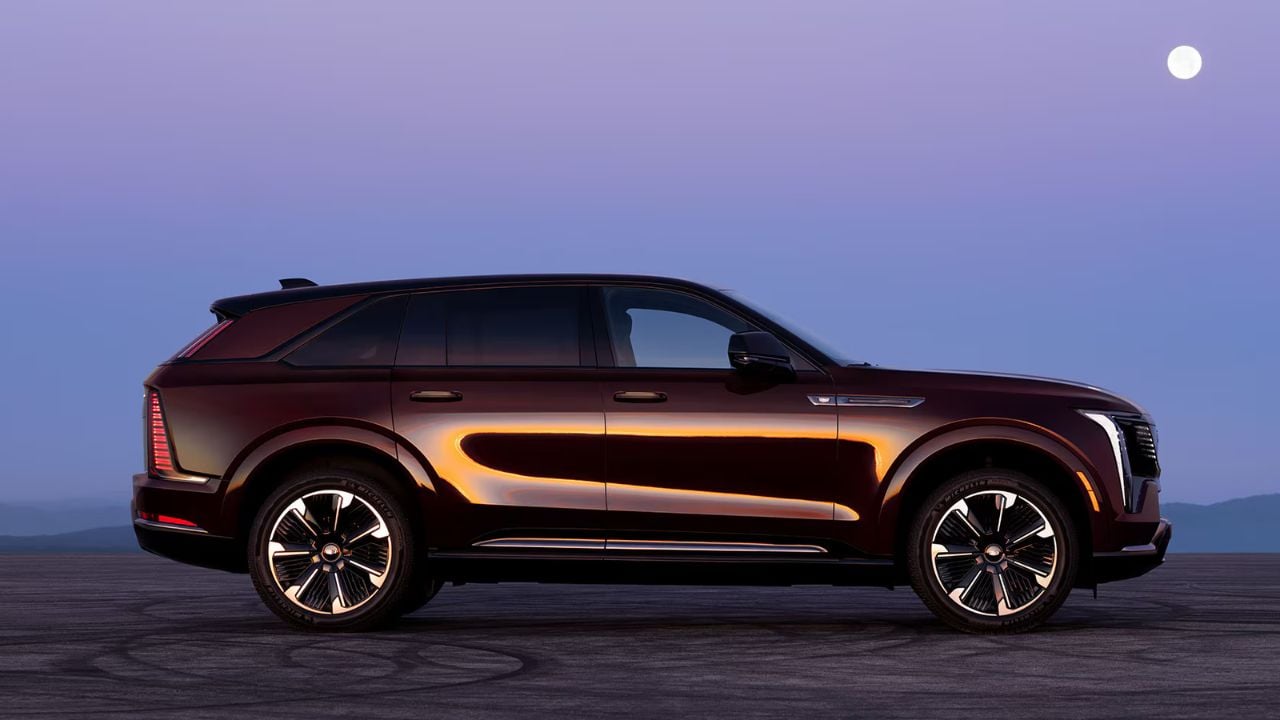
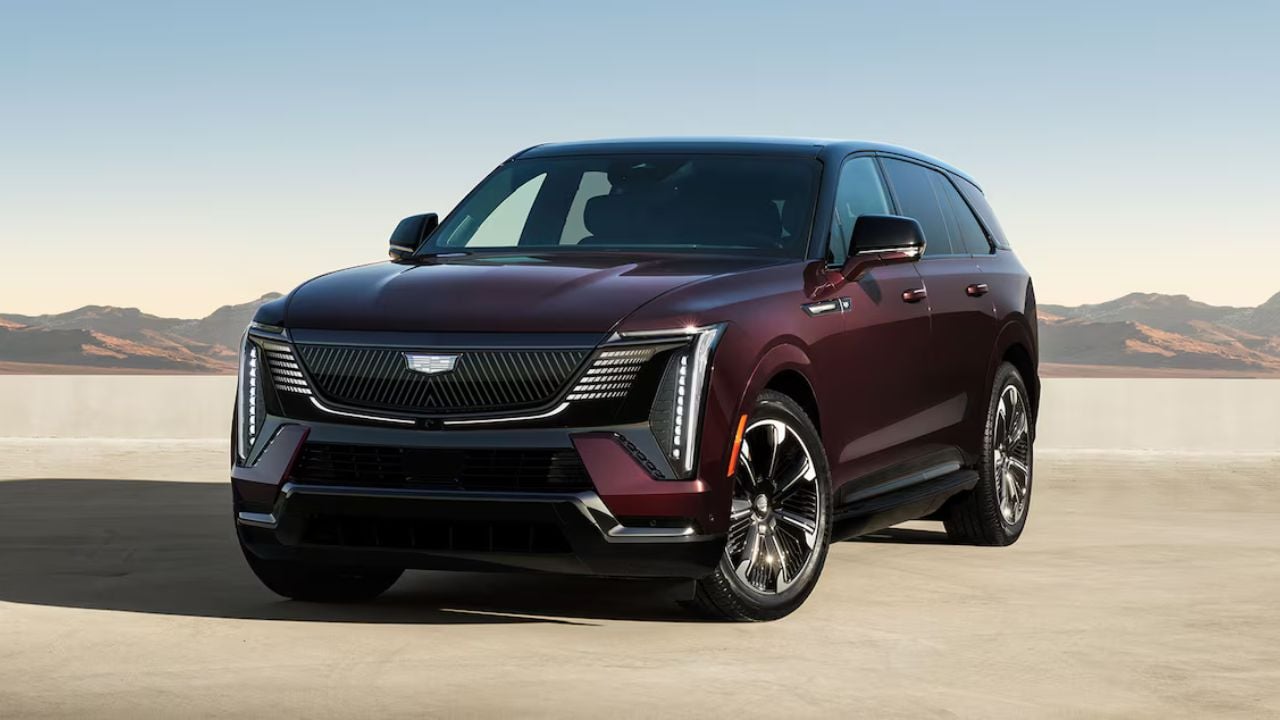
The Cadillac Escalade IQ proves that a massive luxury SUV can still compete near the top of the EV range chart. Cadillac lists the 2026 Escalade IQ with 465 miles of Cadillac-estimated range.
The range number is backed by a cabin and chassis built for long electric travel. Cadillac highlights seating for seven passengers, a 55-inch Horizon Display, Super Cruise, a 12.2-cubic-foot eTrunk, Air Ride Adaptive Suspension, Magnetic Ride Control, and 4-Wheel Steer.
The Escalade IQ’s size makes the number more impressive. This is a large, heavy, luxury SUV, yet it gives buyers enough published range to make road trips and family travel feel more realistic without constant charging calculations.
Lucid Gravity: 450 Miles
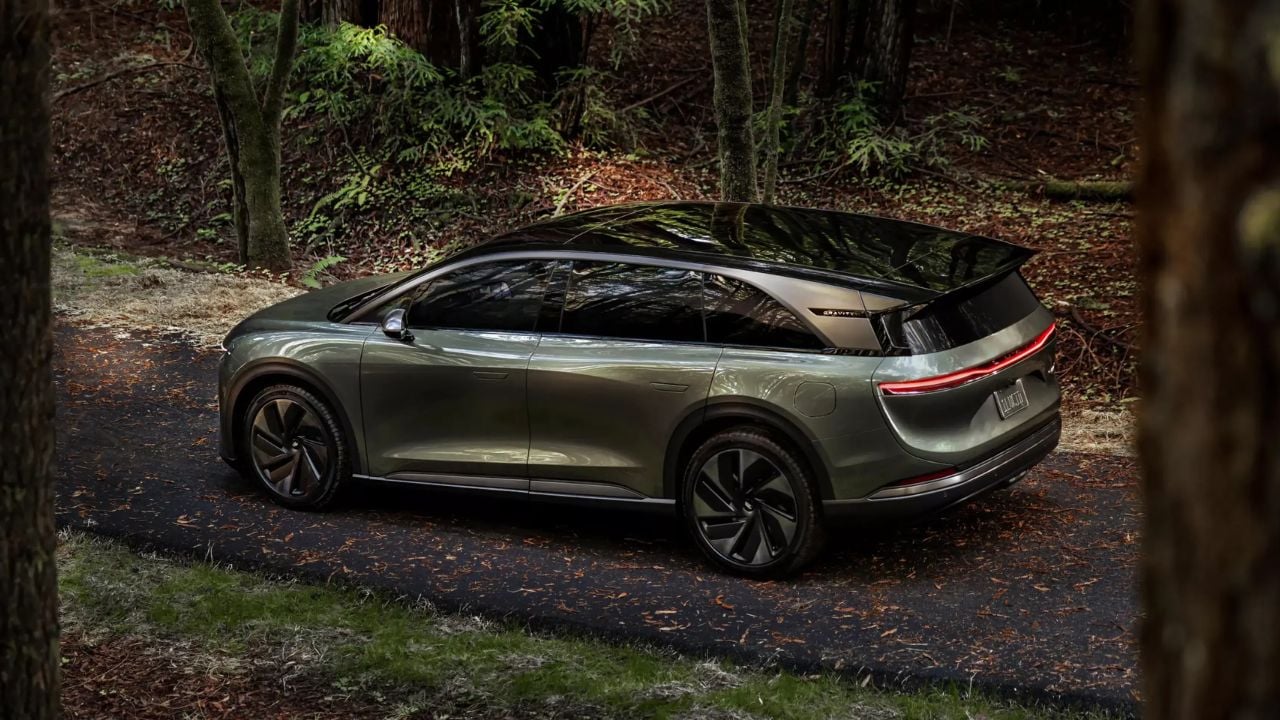
The Lucid Gravity takes Lucid’s efficiency story into the SUV world. Lucid says the Gravity Grand Touring reaches up to 450 miles of EPA-estimated range when equipped with 20-inch front and 21-inch rear wheels and configured as a two-row, five-seat vehicle.
Lucid also lists 337 miles for the Gravity Touring version. That gap shows how much the Grand Touring configuration matters for buyers chasing the top range number.
The Gravity is important because it brings long range into a family-friendly shape without relying only on brute battery size. It combines space, premium comfort, all-wheel drive, and aerodynamic thinking in a vehicle aimed at buyers who need more cabin flexibility than a sedan can offer.
Rivian R1T: 420 Miles

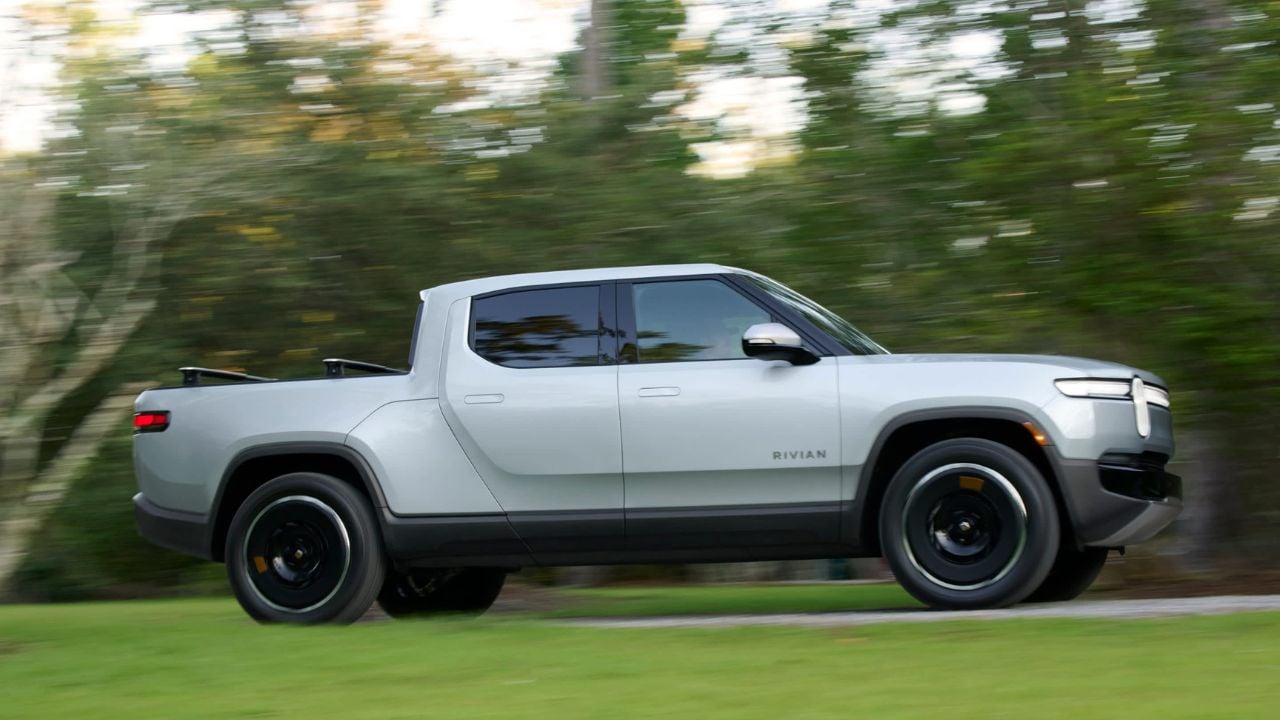
The Rivian R1T earns its place because it combines long range with adventure-truck usefulness. Rivian lists the R1T Dual Max at up to 420 miles of EPA-estimated range.
The R1T adds a different kind of value from the Silverado EV and Sierra EV. It is smaller than those full-size trucks, but it brings useful storage, all-electric torque, trail-ready positioning, and a cabin built for both outdoor gear and daily driving.
Range matters especially in an adventure vehicle. A 420-mile R1T gives drivers more margin for remote routes, weather, elevation changes, and the return trip, even though real-world range will still depend heavily on speed, terrain, tires, cargo, and towing.
Tesla Model S: 410 Miles
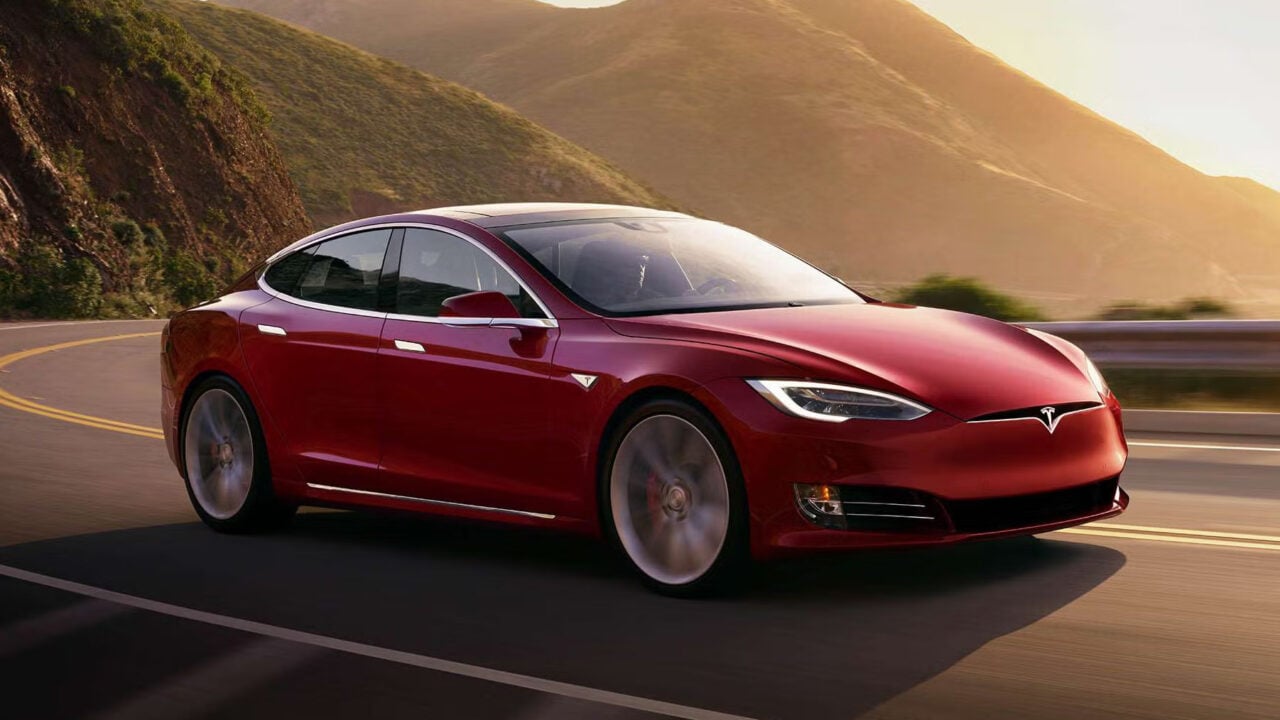
The Tesla Model S still belongs in any long-range EV ranking. Tesla lists the 2026 Model S with 410 miles of EPA-estimated range, 670 hp, a 3.1-second 0-to-60 mph time, and 250-kW maximum Supercharging capability.
The Rivian R1S Dual Max also reaches 410 miles of EPA-estimated range, so this slot could be read as a tie on distance. The Model S keeps the full entry because it adds a low sedan to a ranking already represented by an adventure truck and multiple large SUVs or pickups.
The Model S remains relevant because it combines range, speed, charging integration, and a low aerodynamic body with years of Tesla road-trip software behind it. Newer EVs may feel fresher inside, but the Model S still makes long-distance electric driving feel familiar and well supported.
What Long-Range EVs Mean In 2026
The strongest part of this ranking is the spread of vehicles involved. A luxury sedan, full-size pickups, a three-row luxury SUV, an adventure truck, and a premium family EV can all now reach range figures that once belonged mostly to sleek sedans.
Range gives owners more flexibility before real-world conditions reduce the number. Speed, cold weather, towing, elevation, heavy cargo, and large wheels can all cut into the estimate, so starting with a larger buffer still matters.
The ranking also shows how different the long-range EV market has become. Sedans still have an efficiency advantage, but trucks and SUVs now offer enough range to make one-EV households more realistic for many buyers.
For shoppers, the best long-range EV is not automatically the one with the highest number. It is the one whose range, charging access, seating, cargo space, towing ability, and body style match the way the vehicle will actually be used.