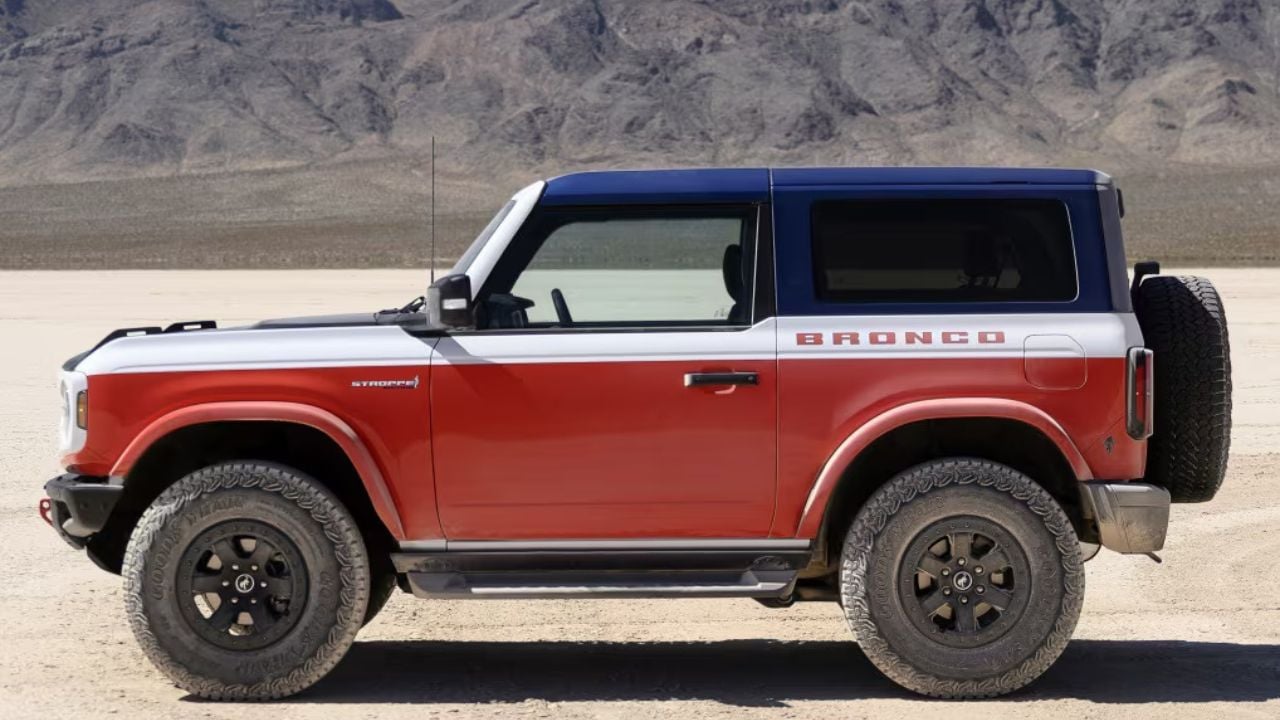
Ford is now at the center of a major transformation in the American auto industry, as the trade and tariff policies of President Donald Trump’s administration reshape how vehicles are built in the United States.
New data from S&P Global Mobility shows that Ford imported only 378,123 vehicles into the U.S. market during 2025, placing it among the automakers least dependent on imports.
According to available data, Ford built roughly six vehicles in the United States for every one it imported. More than two million cars and trucks were assembled in American factories.
That means U.S. production accounted for 83% of Ford’s domestic sales. In the current political climate, those numbers are often used as proof that manufacturing is returning to the United States.
Ford Has Reduced Its Import Dependence
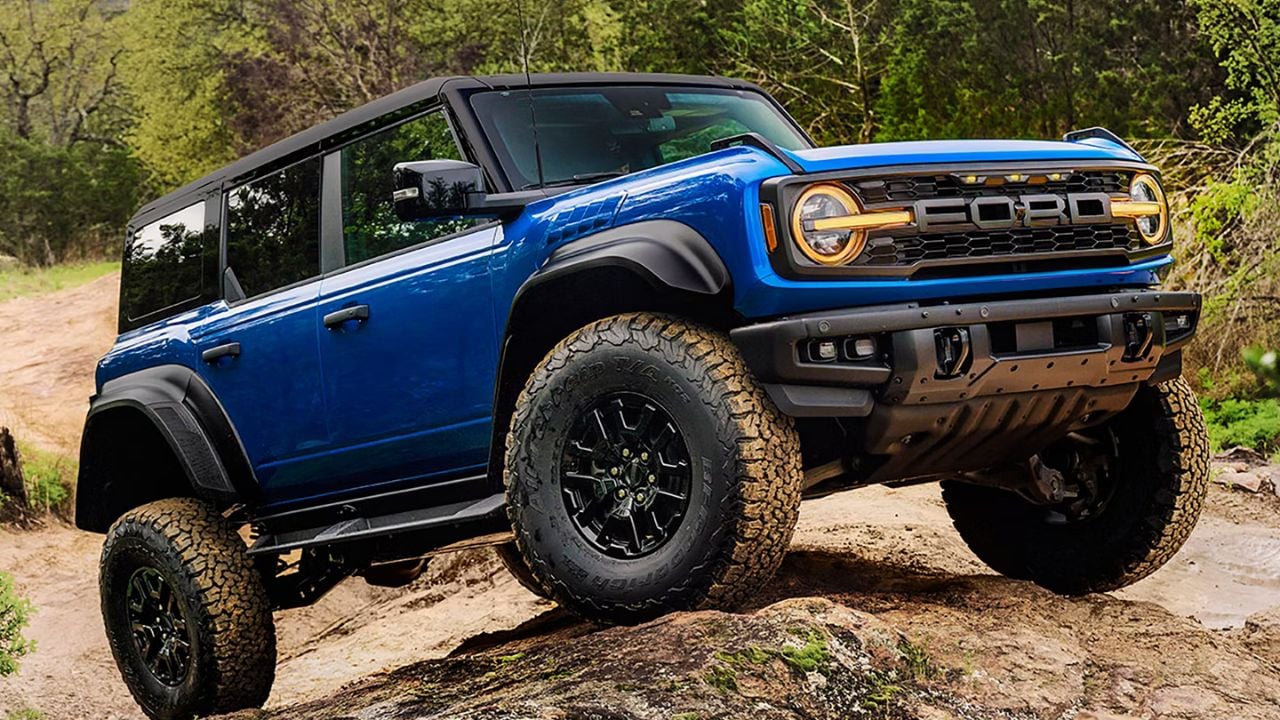
Ford CEO Jim Farley has spoken openly in recent years about the challenges created by tariffs and rising production costs. In response, the company has made several changes to its supply chains.
Ford has increased local production, worked to reduce dependence on imported components, and tried to protect itself from unstable trade policy and shifting global market conditions. The goal has been to make the company less vulnerable to sudden cost increases.
That strategy has made Ford one of the clearest examples of a major automaker leaning heavily into U.S. manufacturing. However, the financial results show how expensive that adjustment can be.
The Cost Of Local Production Is High
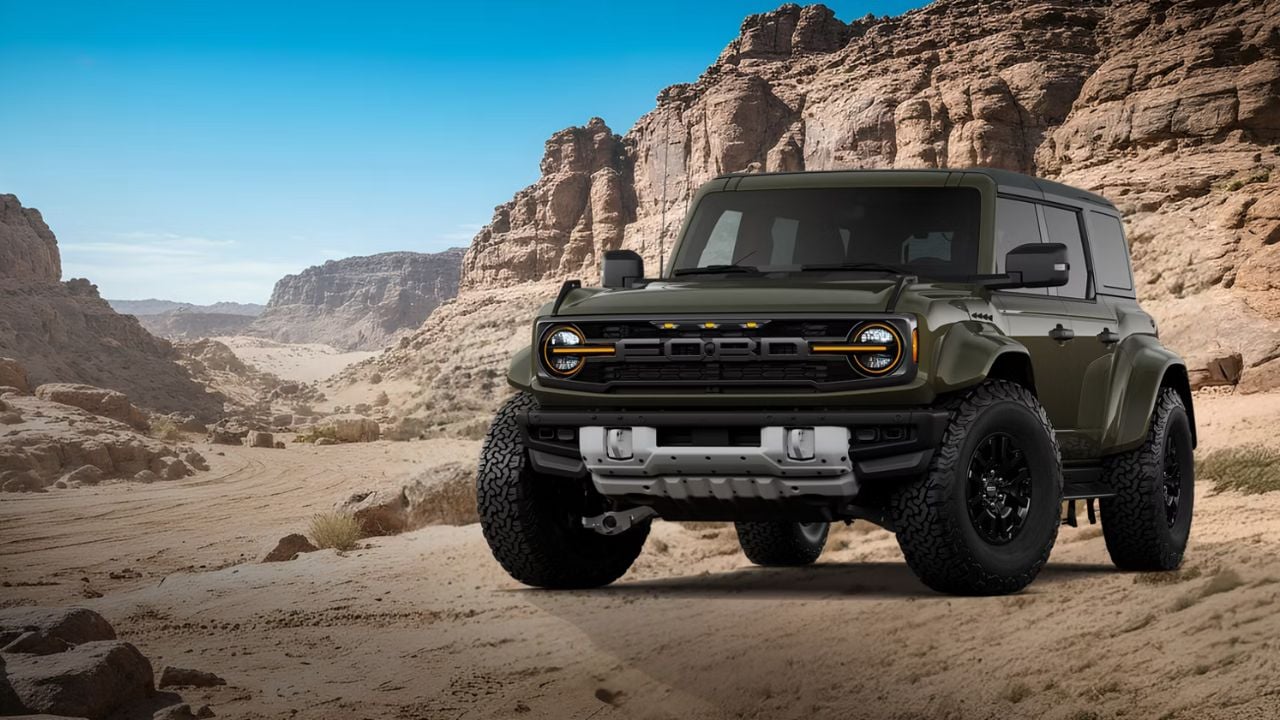
Ford reported a loss of $8.2 billion last year, showing how much higher production costs and market adjustments have weighed on the company. Part of that pressure has also been passed on to customers through higher prices on certain models.
That includes SUVs and pickup trucks, which form the backbone of Ford’s sales in the United States. These vehicles remain crucial to the company’s profitability, but they are also exposed to rising material, labor, and logistics costs.
The broader auto industry is facing similar pressure. Estimates suggest that tariffs and costs related to production restructuring have cost automakers more than $35 billion since 2025. Higher prices for steel, aluminum, and other raw materials, along with more complicated supply chains, have made vehicle development and production more expensive.
Court Decisions Have Not Lowered Prices Yet
The situation has been further complicated by a recent U.S. Supreme Court decision that declared certain parts of the tariff measures unconstitutional. Even after that ruling, however, the market has not yet responded with lower vehicle prices.
Automakers have already reorganized production and adjusted pricing to reflect higher costs. As a result, buyers are still feeling the effects of more expensive manufacturing.
Ford stands out in this environment as one of the few major manufacturers continuing to invest heavily in American factories. While companies such as Nissan warn that building affordable cars in the U.S. is becoming increasingly difficult because of labor and material costs, Ford is still expanding domestic production capacity.
A Stronger U.S. Base Comes With Risks
That strategy also carries risks. Higher production costs directly affect final vehicle prices, and American buyers are already under pressure from more expensive cars and higher financing costs.
The pickup truck segment is especially important here, because it has traditionally generated the strongest profits for American manufacturers. If prices continue to climb, even loyal truck buyers may begin to feel the limits of affordability.
Ford’s current position shows how dependent the modern auto industry has become on political decisions, trade agreements, and global economic trends.
Bringing more production back to the United States can create jobs and strengthen domestic industry, but it also raises the cost of building vehicles at a time when the market is already shifting toward electrification and new technology.
This article originally appeared on Autorepublika.com and has been republished with permission by Guessing Headlights. AI-assisted translation was used, followed by human editing and review.