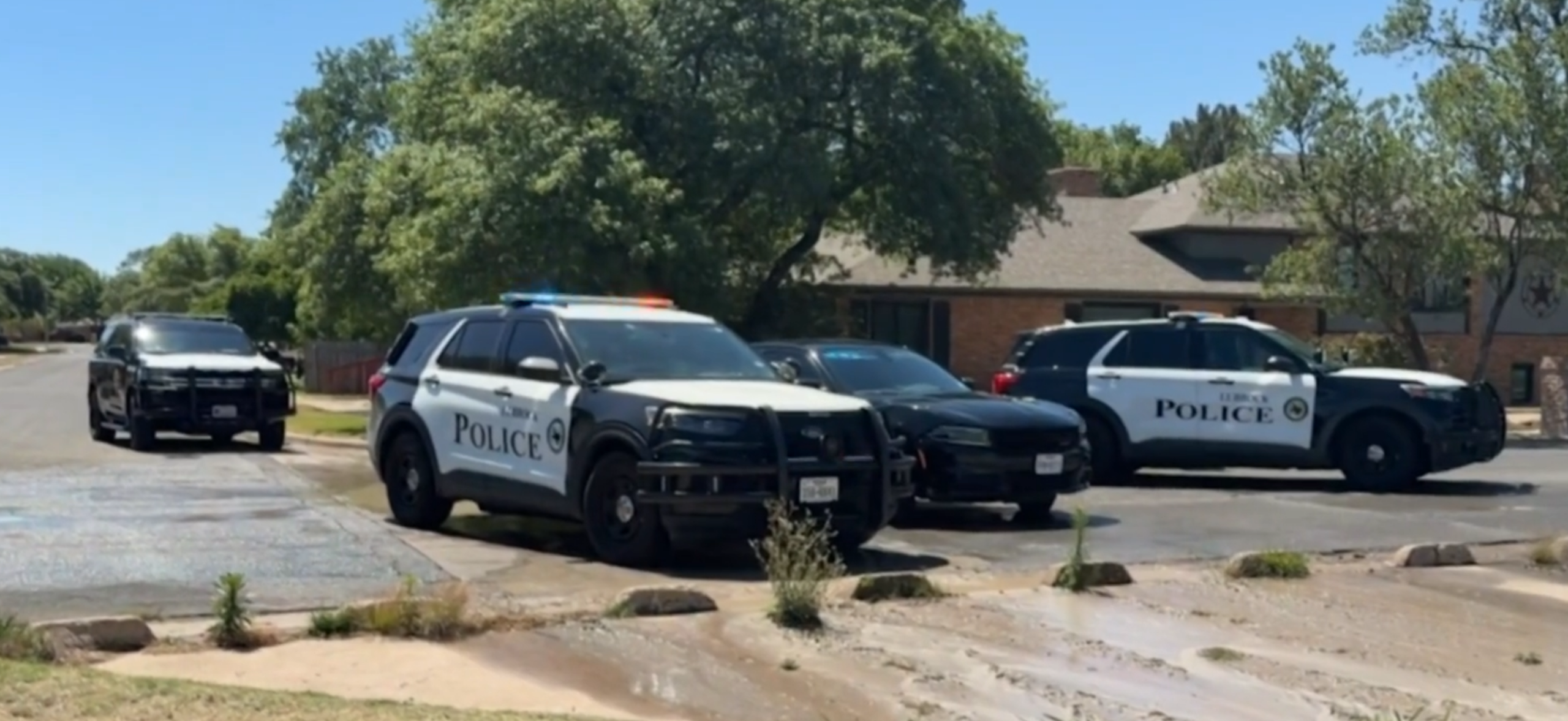
A police chase over expired registration and a small amount of marijuana turned fatal in South Lubbock last week, and the man behind the wheel is now facing the consequences of decisions he openly admitted were his own to make. Court documents filed in the case of Gene Paul Davis, 65, paint a detailed and troubling picture of what happened in the moments before pedestrian Francis Romanofski, 70, lost his life at an intersection he had every legal right to cross.
What started as a routine traffic stop on West Loop 289 quickly spiraled into a pursuit that wound through neighborhoods, involved a DPS helicopter, and ended with a man dead and a driver in handcuffs. The details that emerged in court records raise serious questions about judgment, consequences, and what it truly means to choose speed over safety.
Romanofski was doing nothing wrong. He was crossing the street legally when Davis’s vehicle struck him. He was taken to the hospital and later died from his injuries. A routine Thursday became anything but for him and his family, and the reasons Davis gave for running make the tragedy all the more difficult to process.
Davis told investigators he ran because his license was suspended and he had marijuana in the car. He also admitted, plainly, that he had multiple chances to stop and chose not to. In the justice system, those admissions matter enormously. On a human level, they are even harder to sit with.
How the Chase Unfolded Across South Lubbock
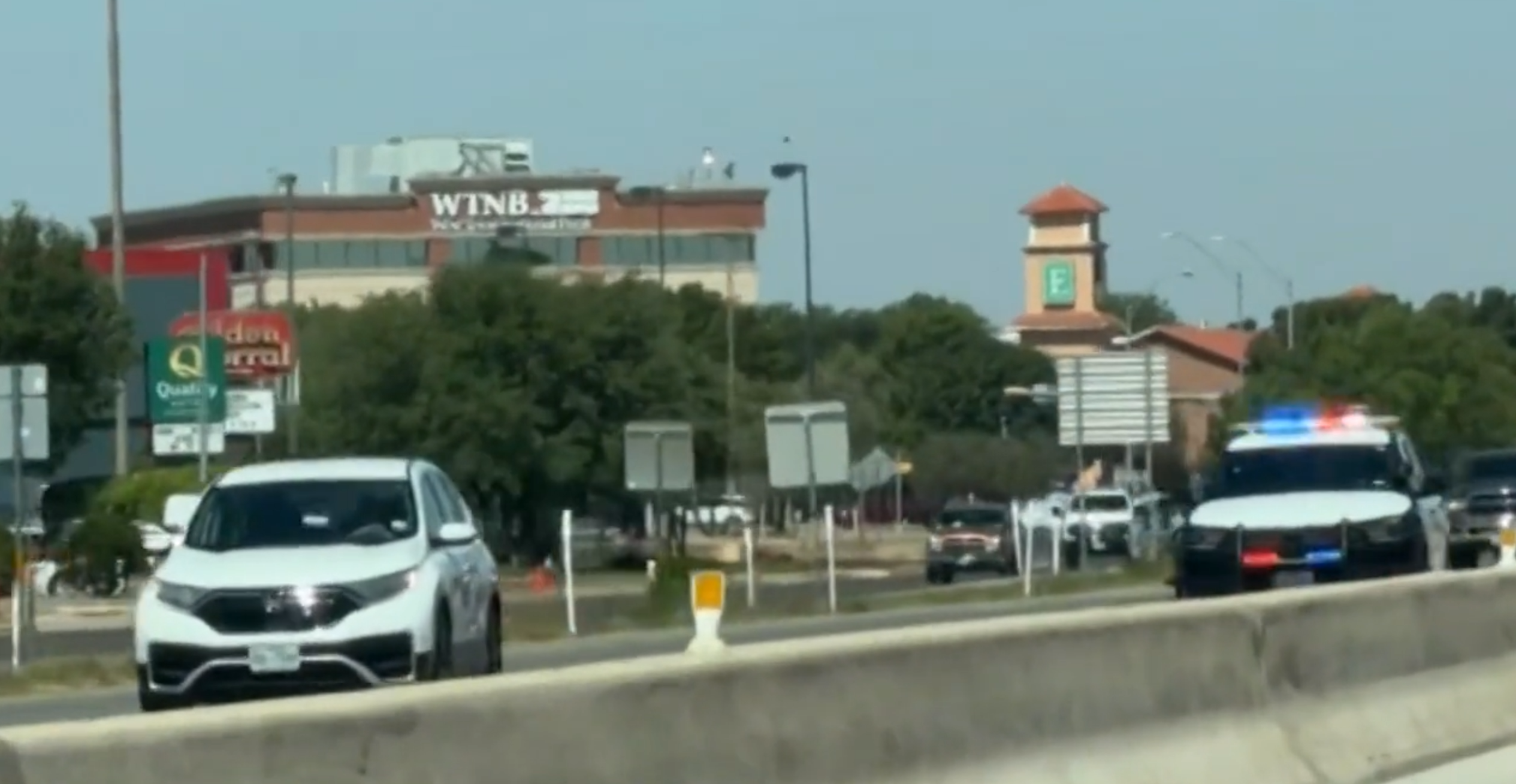
According to court records, officers first tried to pull Davis over on West Loop 289 after spotting his 2004 Chevrolet Monte Carlo with expired registration. Instead of pulling over, Davis took off. He drove through a South Lubbock neighborhood, worked his way back to Loop 289, and continued southbound while evading officers.
At some point, an LPD supervisor made the call to pull back and let a Texas Department of Public Safety helicopter take over tracking the vehicle. That kind of decision is standard protocol, and it is designed to reduce the risk to other drivers. The problem was that Davis did not slow down just because the marked units backed off. An unmarked LPD vehicle later encountered Davis on 82nd Street and Knoxville Avenue, and the pursuit started up again.
Davis kept going. He drove near Memphis Drive and Charles A. Guy Park before losing control near 93rd Street and Memphis Avenue, where his vehicle struck Romanofski in the crosswalk.
What Davis Told Investigators After the Arrest
The admissions Davis made after being taken into custody are at the center of this case. He confirmed that he saw the emergency lights. He confirmed that he heard the sirens. He said he ran because his license was suspended and he had marijuana in the vehicle, neither of which would have resulted in anything close to what he now faces.
Davis also described his driving in specific terms. He said he was traveling around 100 mph on Loop 289. He said he was going approximately 60 mph as he went around Guy Park before losing control. He acknowledged driving through multiple signal-controlled intersections without stopping and going around vehicles that were already stopped at lights.
He also claimed, initially, that he thought a police vehicle had struck his car before his car hit the pedestrian. That theory did not hold up. Detectives reviewed DPS helicopter footage of the entire pursuit, and the video showed clearly that no police vehicle made contact with Davis’s car until after his vehicle had already struck Romanofski.
What the DPS Helicopter Footage Showed
Aerial surveillance played a key role in this investigation. The Texas Department of Public Safety provided helicopter video that tracked Davis’s vehicle throughout much of the chase, and investigators say that footage directly contradicted Davis’s claim that he was bumped by a police car before the fatal collision.
The video showed the sequence of events in real time: Davis losing control, his vehicle striking the pedestrian, and only after that, any contact with law enforcement. That kind of footage is significant in a criminal case because it removes ambiguity. There is no “he said, they said” when a camera in the sky has the whole thing on tape.
Davis was booked into the Lubbock County Detention Center and his bond was set at $150,000.
What This Case Can Teach Us About Fleeing Police
Stories like this one serve as brutal reminders of how quickly a bad decision can spiral into something irreversible. Davis was not fleeing a violent crime scene. He was not running from a situation where stopping would have put him in immediate danger. By his own account, he ran because of a suspended license and marijuana, and he chose to keep running even when he had multiple chances to stop safely.
High-speed pursuits carry enormous risk, not just for the driver and the officers involved, but for anyone who happens to be nearby. A person crossing the street legally, going about their Thursday, is just as exposed to the danger as anyone directly involved. Romanofski had no warning and no way to protect himself.
The DPS helicopter protocol that kicked in mid-chase exists precisely because law enforcement agencies have learned, often through tragedy, that active pursuit at high speeds can endanger bystanders. It does not always work. Sometimes, as in this case, the person being tracked keeps driving recklessly regardless of whether a patrol car is right behind them.
The legal consequences Davis faces reflect the severity of those choices. But for Francis Romanofski’s family, no outcome in court will undo what happened on that Thursday afternoon.