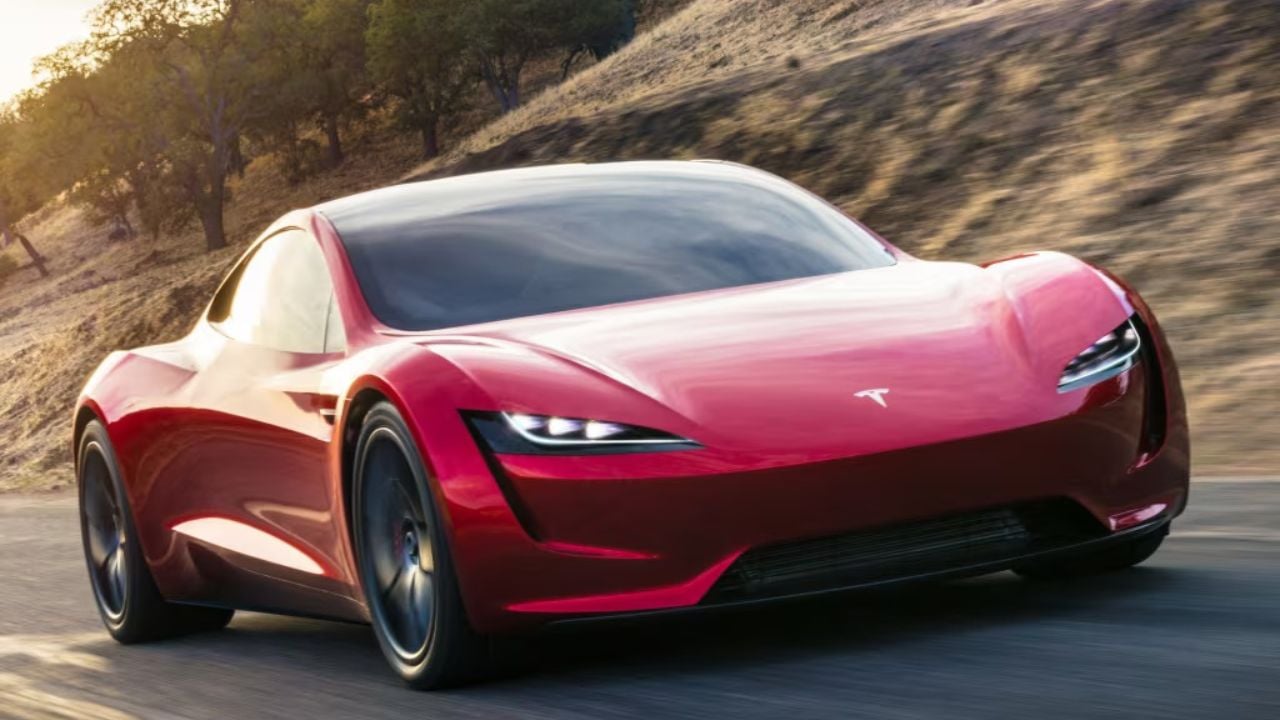
Almost 10 years after the second-generation Roadster was first shown, Tesla’s long-promised electric supercar is back in the spotlight. A new trademark registered by the company in late April 2026 suggests the model may finally be moving closer to production form.
The new filing covers the Roadster name for electric cars, batteries, charging equipment, and related merchandise. That gives the filing a broader scope than a simple badge registration.
The logo also introduces a completely new visual identity for Tesla. It is shaped like a hexagonal shield with four vertical lines at the bottom, while the Roadster name appears in a futuristic script.
That suggests Tesla wants the Roadster to occupy a special place in its lineup, separate from the rest of the brand’s more familiar models.
Tesla Has Filed Several Roadster Trademarks This Year
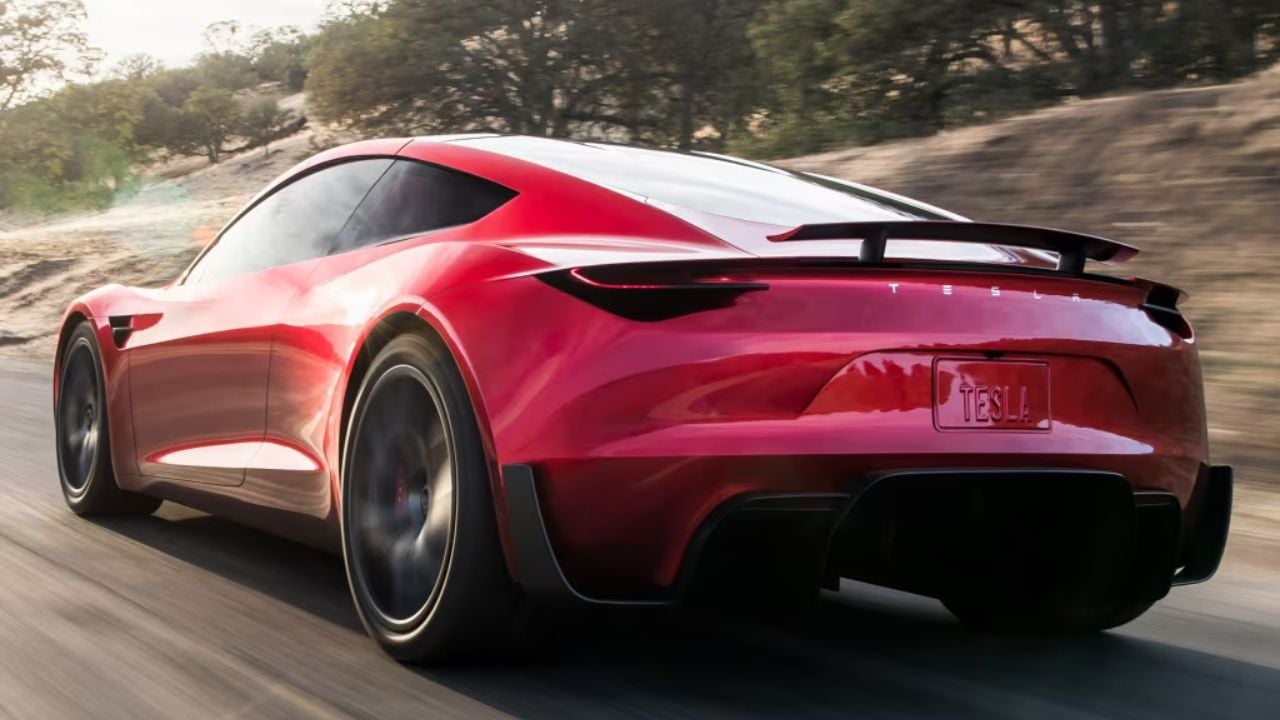
This is not Tesla’s first move this year connected to the Roadster’s return. Two additional trademarks were registered in February, including a new Roadster wordmark and a stylized sports car silhouette.
That silhouette strongly resembles the prototype first shown in 2017. Since then, the Roadster has become one of the auto industry’s most famous long-delayed promises.
Tesla CEO Elon Musk originally announced performance figures that sounded almost unreal when the prototype was revealed nearly a decade ago. He said the Roadster would have a top speed above 250 mph, reach 100 mph in just 4.2 seconds, and offer a driving range of about 620 miles.
The starting price was expected to be around $200,000.
The Promises Became Even More Extreme
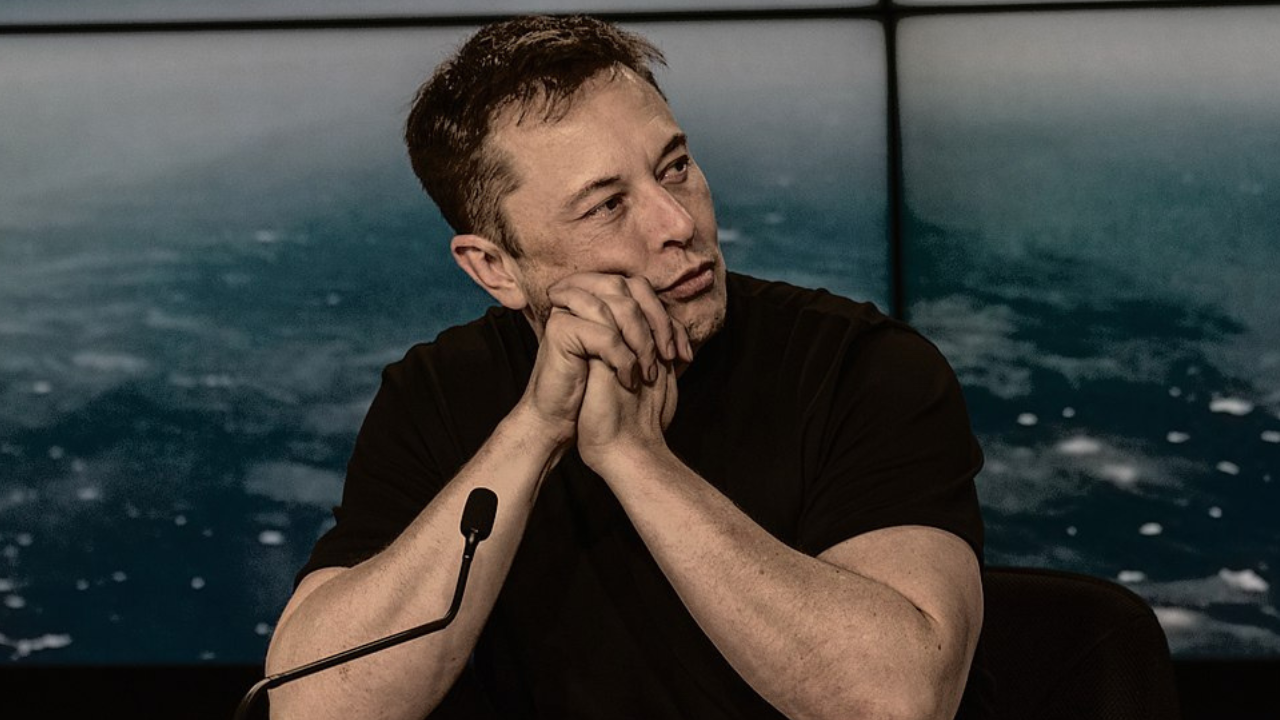
Over the years, the claims became even more ambitious. Musk later said the Roadster could accelerate from 0 to 60 mph in less than one second, which would make it one of the quickest production cars ever built.
He also announced the possibility of a so-called SpaceX package with 10 small rocket thrusters integrated into the vehicle. According to Musk, those thrusters would improve acceleration, braking, and handling.
At one point, he even suggested the car could briefly “fly,” which only added to the mystery surrounding the project.
Delays Became Part Of The Story
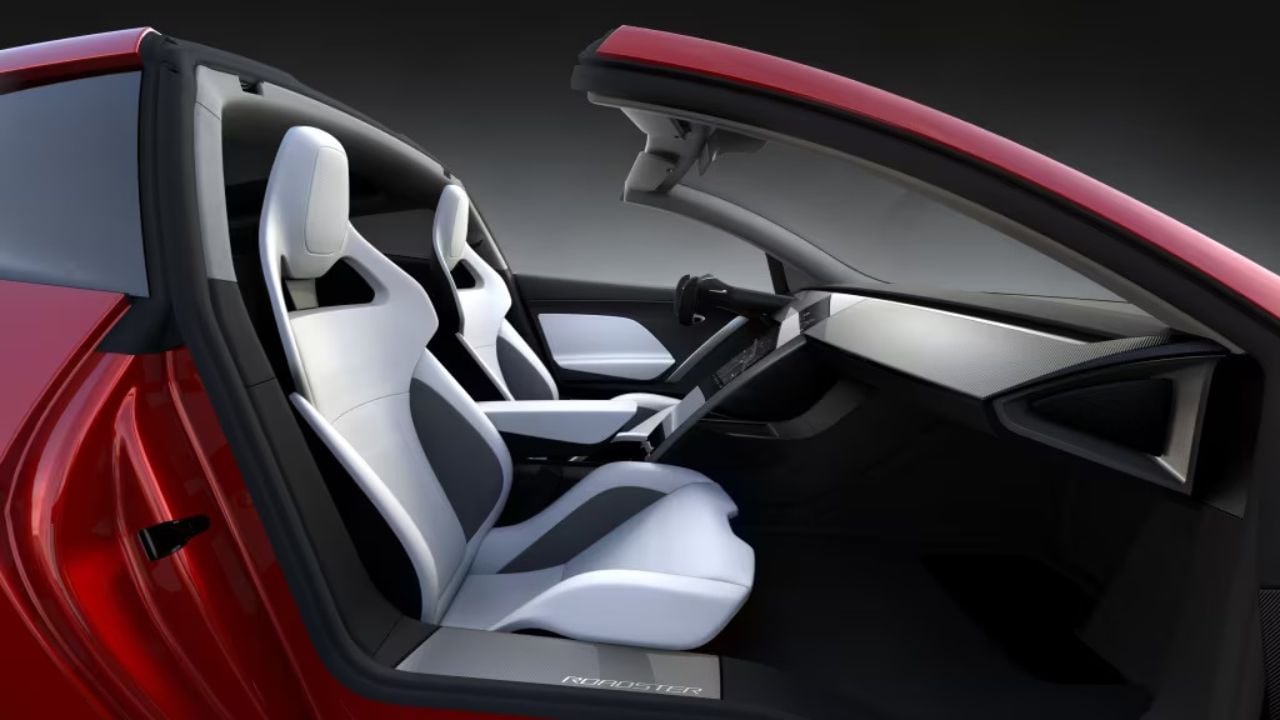
The problem is that delays have become one of the Roadster’s defining traits. The car was originally expected to enter production in 2020, but the timeline has moved almost every year since then.
In March this year, Musk posted on X that a new Roadster reveal would “probably” take place near the end of April. That date passed without an official debut.
Even so, the new trademark shows that Tesla has not abandoned the project. On the contrary, it may indicate that the company is completing some of the final steps before showing the production model.
The Roadster Now Needs More Than Promises
The main question is how close the future Roadster will be to the car first shown in 2017. Another question is whether Tesla can actually deliver the extreme performance figures promised over the years.
If the company manages to achieve even part of those specifications, the new Roadster could become one of the most extreme electric sports cars ever made.
After almost a decade of waiting, however, car fans no longer want only bold claims and futuristic teasers. They want to see the real car, and they want to see it on the road.
This article originally appeared on Autorepublika.com and has been republished with permission by Guessing Headlights. AI-assisted translation was used, followed by human editing and review.