A good-value city break needs more than a low hotel rate. The route should keep the main square, restaurant streets, museums, public transport, and evening areas close enough that travelers are not paying for taxis every few hours.
The 2025 Post Office Travel Money City Costs Barometer placed Riga first for best-value European city breaks, with Gdańsk and Kraków also appearing among the top 10. Prices still change by season, flight route, hotel demand, and exchange rate, so value rankings should be treated as a starting point rather than a guarantee.
Gdańsk, Brno, Kraków, Riga, Budapest, and Bilbao all give travelers usable short-stay routes without pushing every meal or museum into luxury pricing. The strongest plan in each city keeps one central walking area, one market or food district, one cultural stop, and one evening route close together.
Hotel location still matters. A cheaper room outside the center can lose value if it adds daily rides, late-night transfers, or wasted time between meals and attractions.
1. Gdańsk, Poland
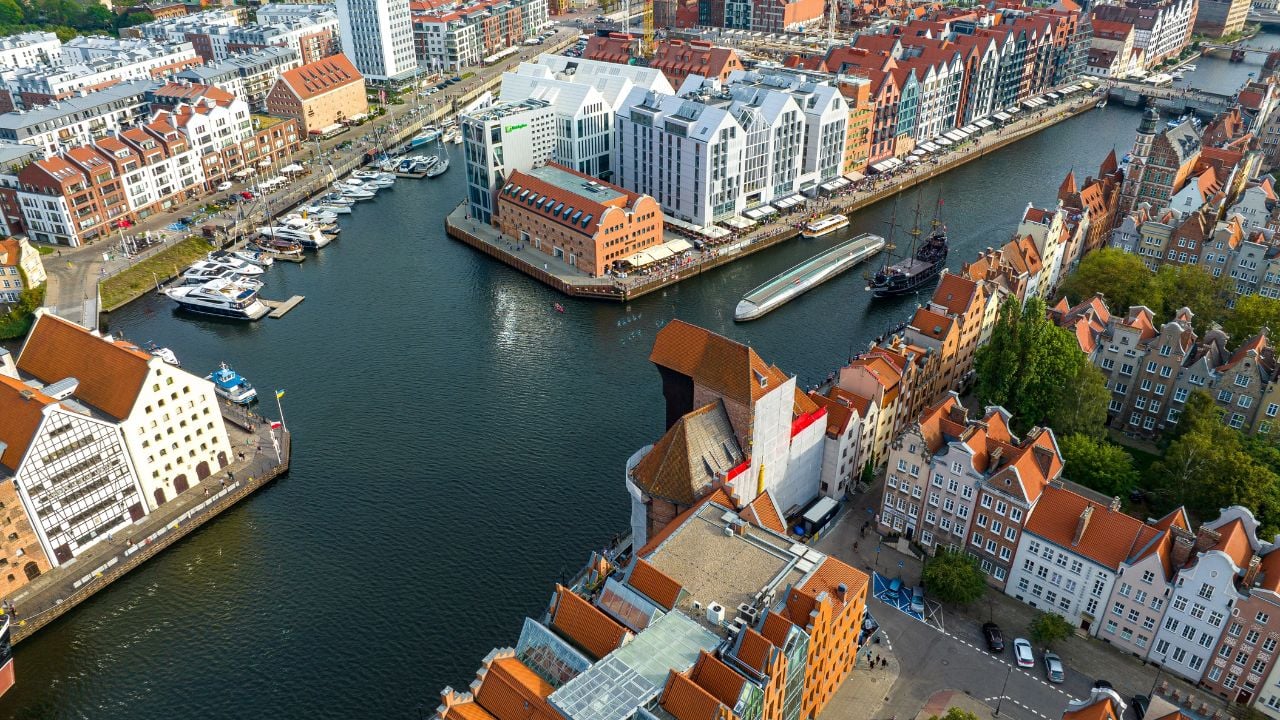
Gdańsk gives travelers a compact historic route along the Motława River and through the Main Town. The city’s official tourism site points visitors toward Gdańsk’s Hanseatic heritage, with the Main Town, riverfront, old gates, and merchant history shaping the central route.
A short stay can use Long Market, Neptune’s Fountain, Mariacka Street, St. Mary’s Church, amber shops, riverside restaurants, and the waterfront near the historic crane. That route keeps architecture, food, shopping, and evening views inside a walkable area.
Museum time should be planned separately from the old-street route. The Museum of the Second World War, European Solidarity Centre, and maritime sites can take real time, so travelers should choose one major indoor stop instead of stacking several after a long riverfront walk.
Beach or Baltic-coast time needs another block. Sopot, Gdynia, and coastal walks can fit a longer stay, but a two- or three-day Gdańsk visit should keep the Main Town and Motława area as the base before adding train rides toward the water.
2. Brno, Czech Republic
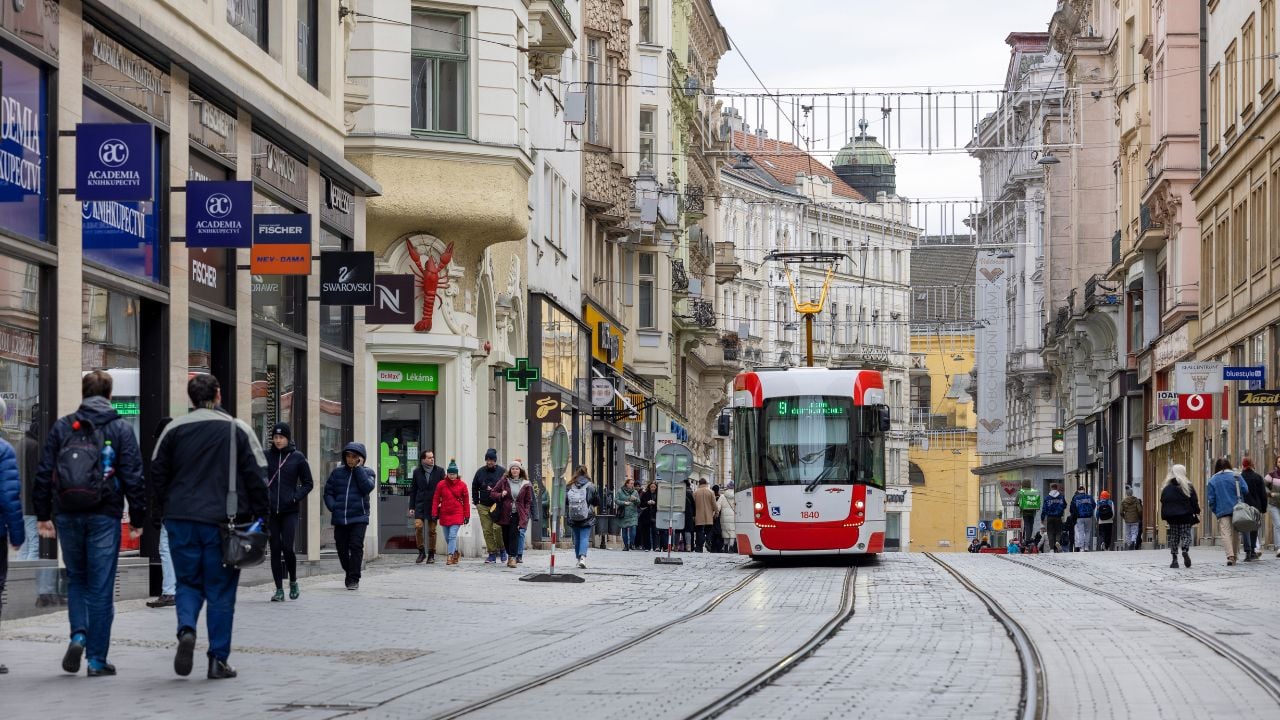
Brno gives travelers a smaller Czech city route without Prague’s heavier crowd pressure. Go To Brno’s city-center short tour runs through Zelný trh, the Old Town Hall, Freedom Square, Česká Street, and Moravian Square, which gives visitors a ready-made central route for a short stay.
Zelný trh, also called the Vegetable Market, has been used for fruit, vegetables, flowers, and local trade for centuries. Go To Brno says the square includes the Labyrinth under the Vegetable Market, a system of medieval passages and cellars, and the Baroque Parnas fountain.
Špilberk Castle should get its own block above the center. Go To Brno describes Špilberk as a hilltop castle and the seat of the Brno City Museum, with city views from above the historic core.
Public transport keeps the city inexpensive to move through. Brno’s city website lists basic tickets such as a 15-minute ticket, a 60-minute ticket, and a 90-minute ticket, with ticket purchases available at machines, newsagents, or inside vehicles.
3. Kraków, Poland

Kraków gives travelers a major historic center without requiring a large-city transport plan. Kraków’s official tourism site places the Main Market Square, Cloth Hall, Wawel, and Kazimierz among the city’s best-known heritage areas.
The Main Market Square can anchor the first walking block with St. Mary’s Basilica, the Cloth Hall, cafés, restaurants, and streets around the Planty. Wawel Hill can take a separate block, especially when the plan includes the castle area, cathedral, or river walk.
Kazimierz should not be rushed after every Old Town stop. Kraków’s official tourism site describes Kazimierz through its Jewish heritage, market square, trade history, and later development as a Kraków district. The area deserves time for food, synagogues, galleries, bars, and evening streets.
Use the Old Town and Kazimierz as separate half-day areas. That keeps the trip cheaper and cleaner than bouncing between distant attractions, taxis, and backtracking before dinner.
4. Riga, Latvia

Riga’s value ranking has a concrete source. The 2025 Post Office Travel Money City Costs Barometer named Riga Europe’s best-value city break, based on a basket of common short-break costs including accommodation, meals, drinks, sightseeing, and local transport.
The city also gives travelers several low-friction sightseeing areas. Live Riga describes the capital through UNESCO-acclaimed Old Town, Art Nouveau architecture, culinary options, and cultural life. Those pieces can be grouped into separate walking blocks rather than forced into one long loop.
The Art Nouveau district sits close enough to the Old Town for a realistic second route. Live Riga says Art Nouveau architecture is concentrated in the Quiet Centre, about a 10- to 15-minute walk from the Old Town, with tram and bus routes nearby.
Riga Central Market, the riverfront, Old Town, and Quiet Centre should be planned by area. A short stay stays easier when the market and Old Town carry one part of the day, while Art Nouveau streets and parks carry another.
5. Budapest, Hungary
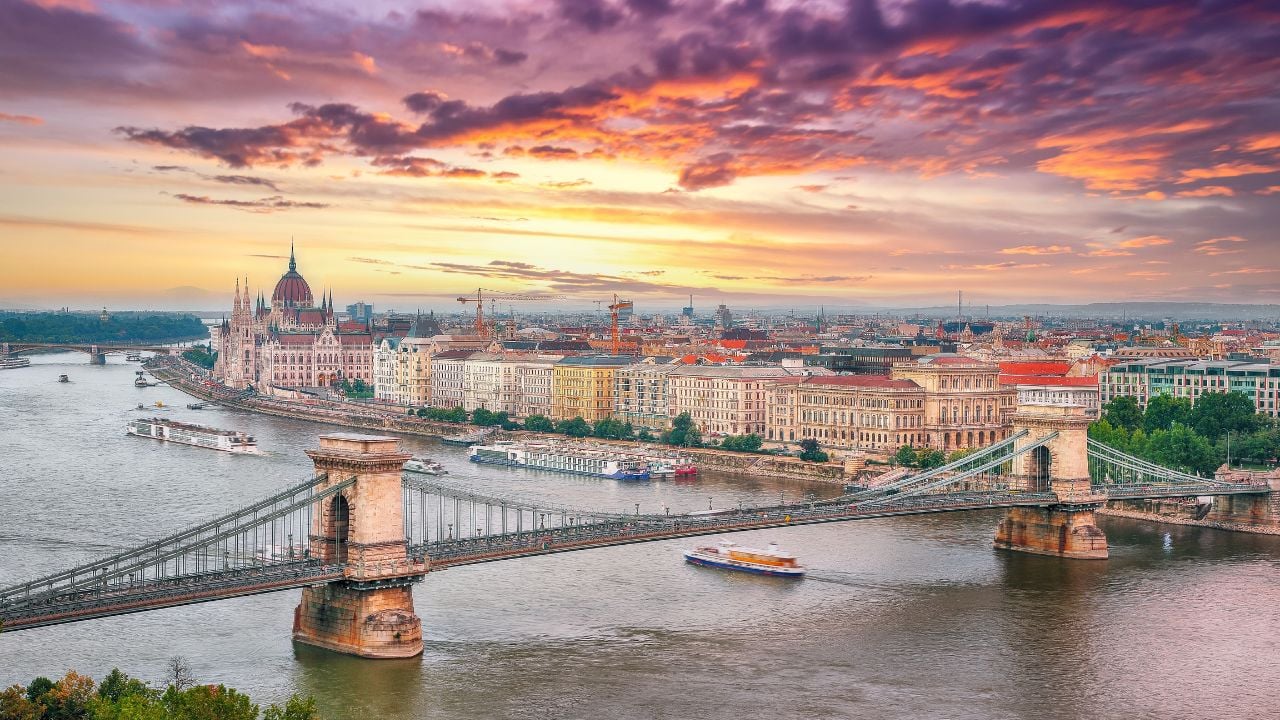
Budapest gives travelers a big-city setting with several cost-control tools. BKK’s Budapest Card page lists free public transport among the card benefits, along with attractions such as the Hungarian National Gallery, St. Lukács Thermal Bath and Swimming Pool, and Danube cruise options depending on the card type.
The Danube should shape the first route. Parliament views, Chain Bridge, Buda Castle, riverside walks, thermal-bath planning, cafés, and ruin bars all sit in different parts of the city, so a short trip needs clear blocks.
A Pest-based day can use Parliament, the river, cafés, the Jewish Quarter, and evening bars. A Buda block can focus on Castle District views, historic streets, and the river crossing. Thermal baths need their own time, especially when the plan includes tickets, lockers, towels, and a return route.
Budapest can become expensive when travelers stack taxis, premium river cruises, thermal baths, and higher-end restaurants without checking prices. Public transport, walking routes, markets, and neighborhood meals keep the trip closer to a reasonable budget.
6. Bilbao, Spain
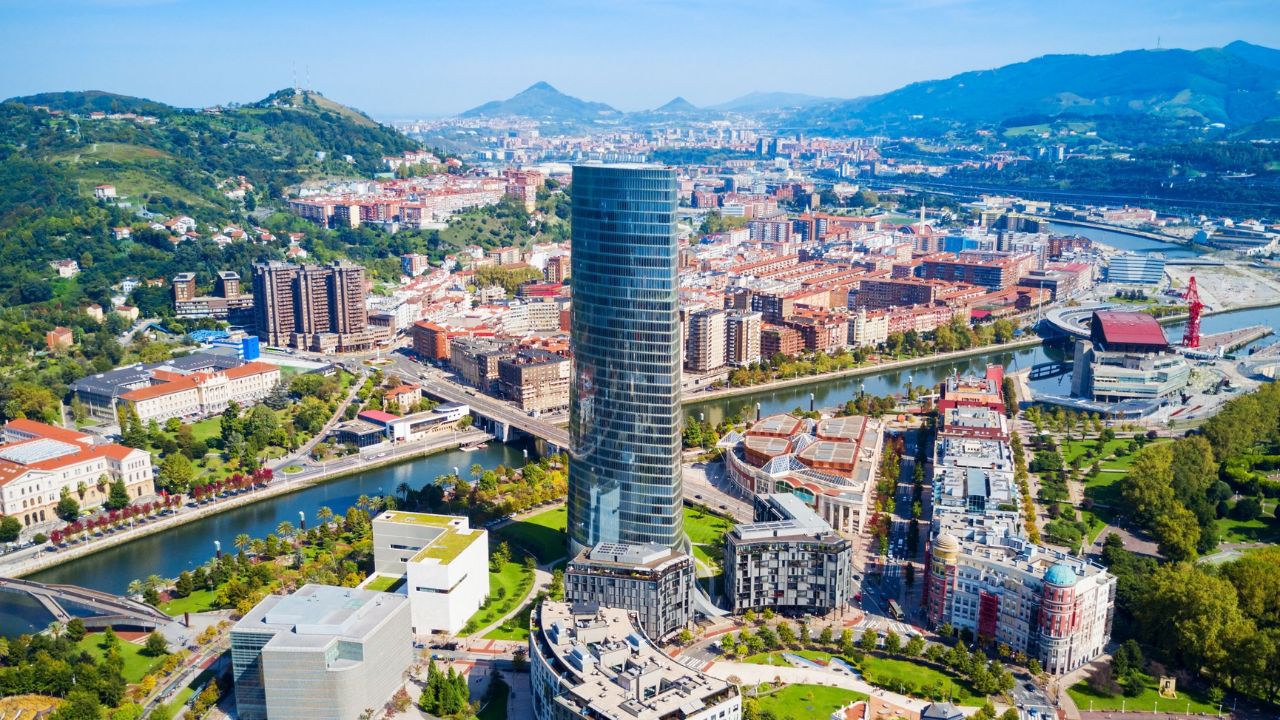
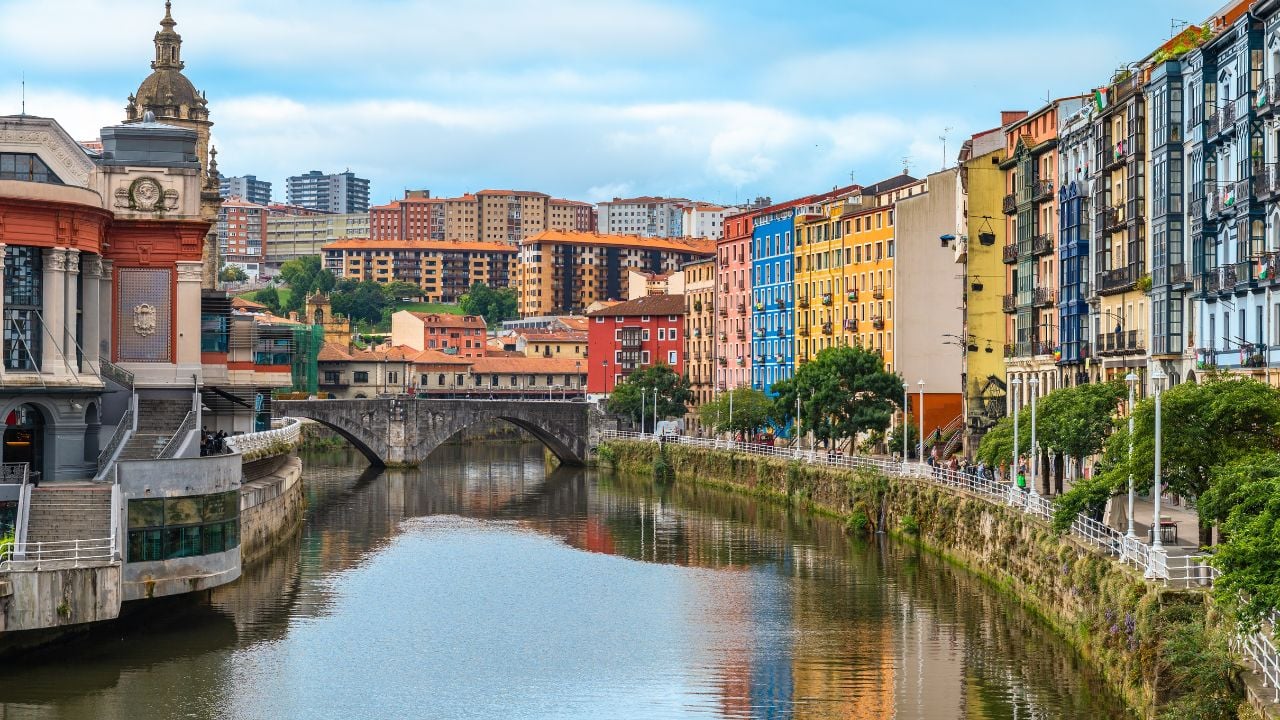
Bilbao gives travelers design, river walks, pintxos, markets, and museums in a city that is easier to navigate than many larger capitals. Bilbao Tourism describes Casco Viejo as the city’s historical center and a pedestrian area with heritage, stores, bars, hospitality businesses, Plaza Nueva, and streets near the river estuary.
The river can carry a separate route toward the Guggenheim Museum, bridges, waterfront paths, and modern architecture. Casco Viejo can handle another block with pintxos, shops, Plaza Nueva, and old streets. Keeping those areas separate reduces backtracking.
Ribera Market adds a food-and-shopping stop beside the river estuary. Bilbao Tourism says Ribera Market has 10,000 square meters and was recognized in 1990 by Guinness as Europe’s largest covered market by space and traders at the time.
A short Bilbao stay should choose one museum block, one river walk, and one Casco Viejo food route. That structure keeps the trip stylish without requiring a luxury-hotel or taxi-heavy budget.