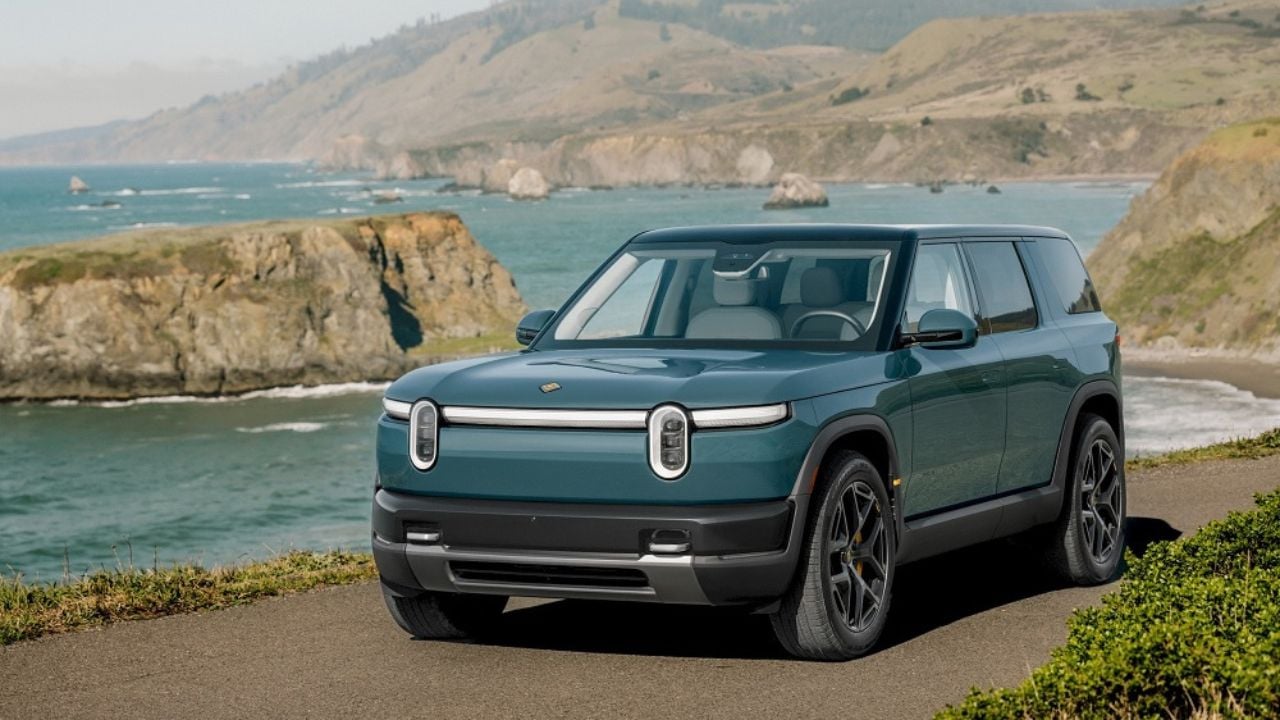
Rivian may be preparing to turn the upcoming R2 platform into a much larger family of electric vehicles than originally expected. The company’s CEO, RJ Scaringe, has revealed that additional R2 variants are already in development, including possible pickup truck and performance-oriented models.
The comments arrived just as Rivian begins ramping up production of the smaller and more affordable R2 SUV, a vehicle widely viewed as critical to the automaker’s long-term survival and growth. Compared with the premium-priced R1T and R1S, the R2 targets a broader section of the EV market with lower pricing and higher projected production volume.
While Rivian has already confirmed the R2 SUV alongside the smaller R3 crossover and sporty R3X, Scaringe suggested the midsize platform still has more flexibility than the company has publicly shown.
“There are other variants of R2, which we haven’t shown,” Scaringe said in an interview with Reuters when asked about the possibility of an R2 pickup.
Rivian’s Mid-Size Platform Could Grow Quickly
The R2 architecture is expected to become the foundation for Rivian’s next major expansion phase. Scaringe explained that the company’s upcoming Georgia production facility is specifically being designed to support multiple versions of the platform.
“What we’re building in Georgia allows for different variations,” he said. That flexibility opens the door to several possibilities. A smaller pickup truck positioned below the Rivian R1T could help Rivian compete in a growing market for midsize electric trucks, while a higher-performance variant could mirror the strategy already seen with the recently unveiled Rivian R3X.
Scaringe even hinted at a potential “R2X” performance model, though he stopped short of officially confirming the program.
“So clearly there could be an R2X,” he said. “There’s going to be combinations.”
The strategy would allow Rivian to broaden the appeal of the R2 platform without developing entirely separate vehicle architectures, something especially important for an automaker still focused heavily on reducing costs and improving profitability.
The R2 Is Rivian’s Most Important Launch Yet
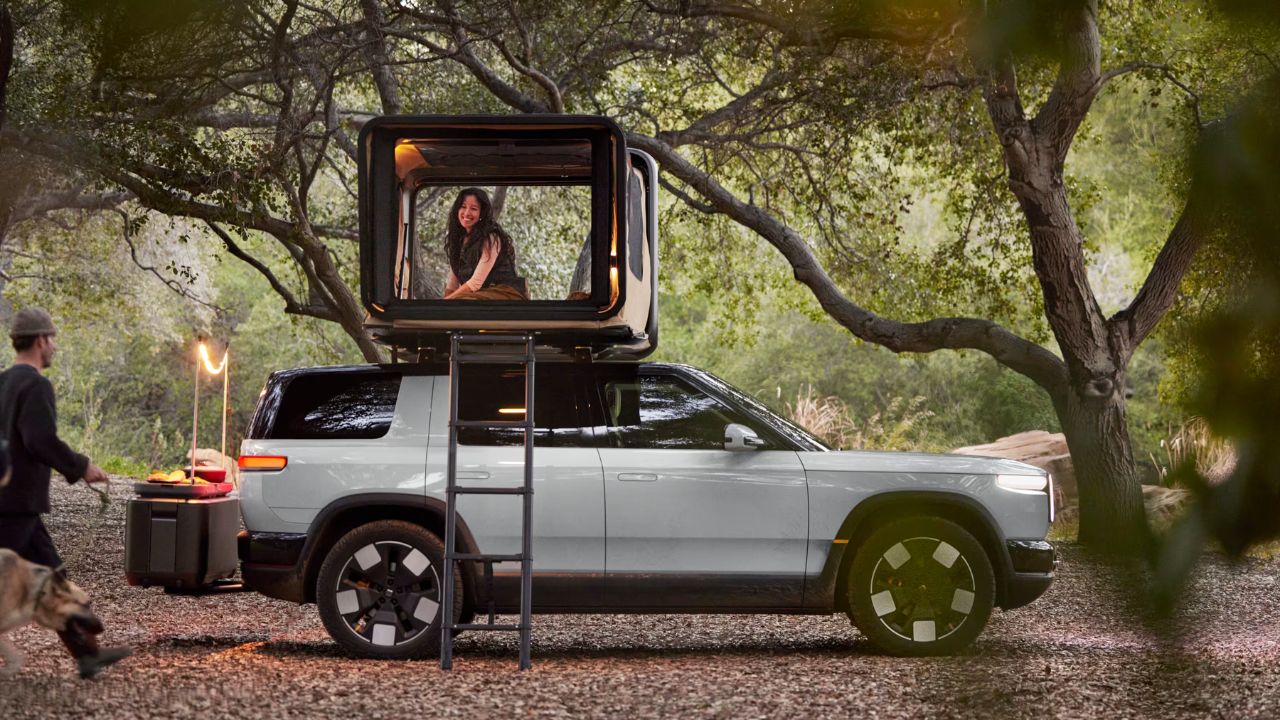
Rivian plans to begin customer deliveries of the Rivian R2 around June, with several trims already announced. The rollout starts with higher-end versions before more affordable models arrive later.
The initial lineup includes a Performance Launch Edition priced around $58,000 and a Premium trim expected before the end of the year. Rivian also plans to introduce cheaper configurations through 2027, including a long-awaited entry-level version expected to start around $45,000 with more than 275 miles of range.
That lower-priced model could significantly expand Rivian’s customer base at a time when EV affordability is becoming increasingly important. Rising borrowing costs and reduced federal incentives have slowed EV demand in some segments, putting pressure on automakers to offer more accessible products.
Analysts believe the R2 will play a major role in Rivian’s future sales growth. The company has projected deliveries could rise by roughly 53 percent this year as production ramps up.
Georgia Factory Will Support Future Expansion
Initially, the R2 is being produced at Rivian’s existing facility in Normal, Illinois. Long term, however, the company’s new Georgia factory is expected to become the primary production hub for the next-generation lineup.
The plant is scheduled to begin operations in 2028 and will also build the R3 and R3X models. Rivian recently renegotiated terms on a Department of Energy loan connected to the factory project, allowing the company to access funding earlier while lowering planned annual production capacity from 400,000 vehicles to around 300,000 units.
The Georgia facility also carries added importance because it will support Rivian’s autonomous vehicle partnership with Uber. Under a previously announced agreement, Rivian plans to supply 10,000 autonomous R2-based robotaxis beginning in 2028.
For Rivian, the R2 family represents far more than a single SUV launch. It is quickly becoming the foundation for the company’s next decade, potentially spanning mainstream crossovers, enthusiast-focused performance vehicles, pickup trucks, and even autonomous ride-hailing fleets.