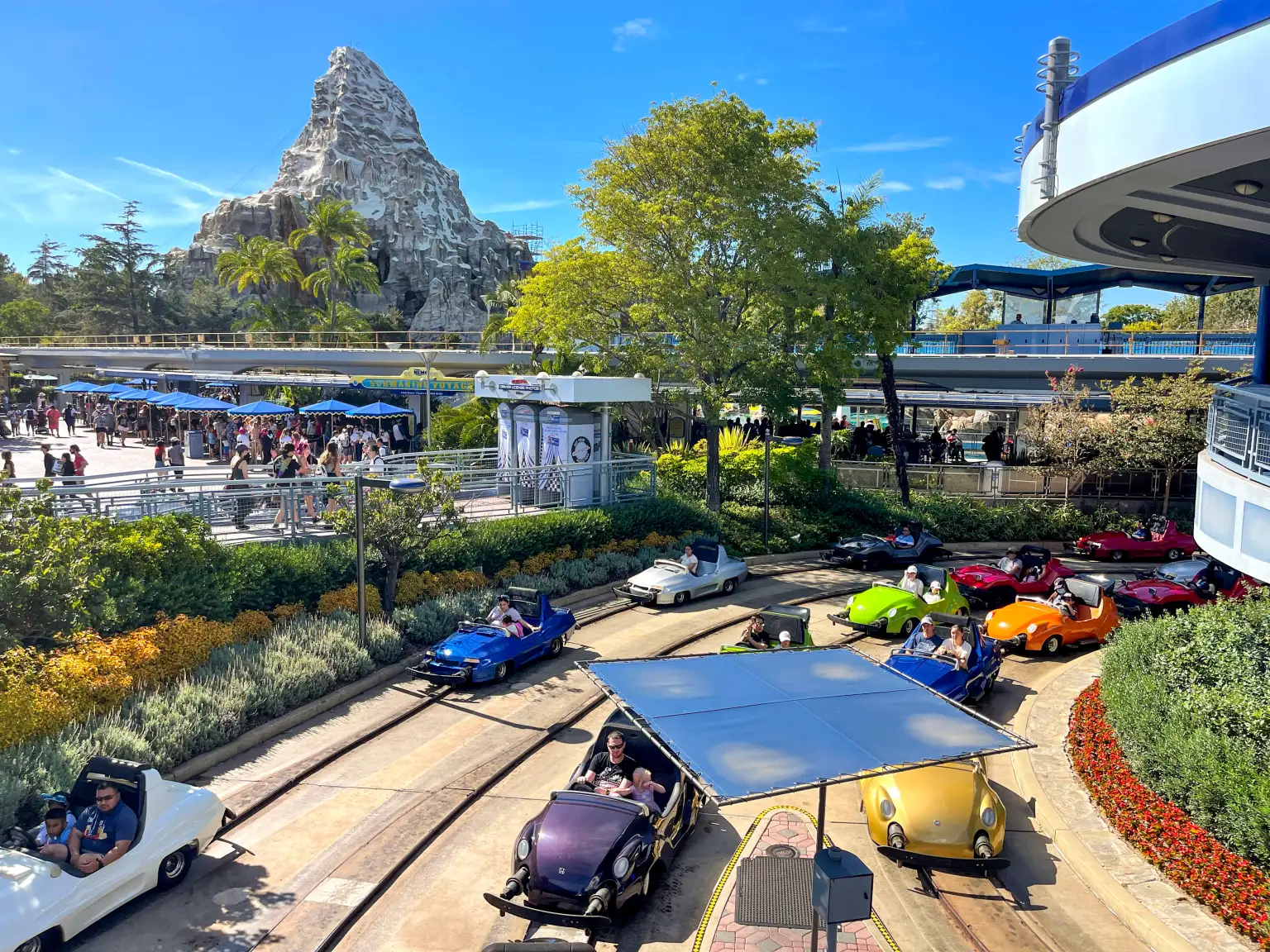
Tomorrowland’s most ironic attraction, a gas-powered car ride surrounded by space-age scenery, is finally getting its act together. After decades of tiny combustion engines puttering children around a track meant to evoke the glorious future of transportation, Autopia is officially going electric. Disneyland confirmed to KTLA that the beloved Tomorrowland staple will retire its gas engines in early 2027, in keeping with an agreement reached with the California Air Resources Board.
For anyone who has stood downwind of the Autopia track on a warm Anaheim afternoon, this news probably lands somewhere between “long overdue” and “yes, obviously.” The ride has always had a branding problem: a vision of tomorrow, powered by yesterday. Tucking a row of tiny gas-guzzlers into Tomorrowland has been a bit like putting a rotary phone in the Apple Store. Well-loved, yes. Future-forward, not exactly.
Resort officials say design, engineering, and testing of a fully electric vehicle prototype are already underway, with more details expected to follow soon. Specific closing and reopening dates for the attraction have not yet been announced, leaving fans to speculate about how long the transition will take. Disneyland first floated the idea of electrifying Autopia back in 2024, so the gears, so to speak, have been turning for a while.
What makes this moment notable is not just the technology swap. It is a genuine first in the attraction’s 70-year history. Autopia has shuffled through names, themes, and paint jobs over the decades, but it has always run on gasoline. That is finally about to change, and the little car ride that launched a million toddler driving careers is heading into an era that actually lives up to its Tomorrowland address.
A Ride as Old as Disneyland Itself
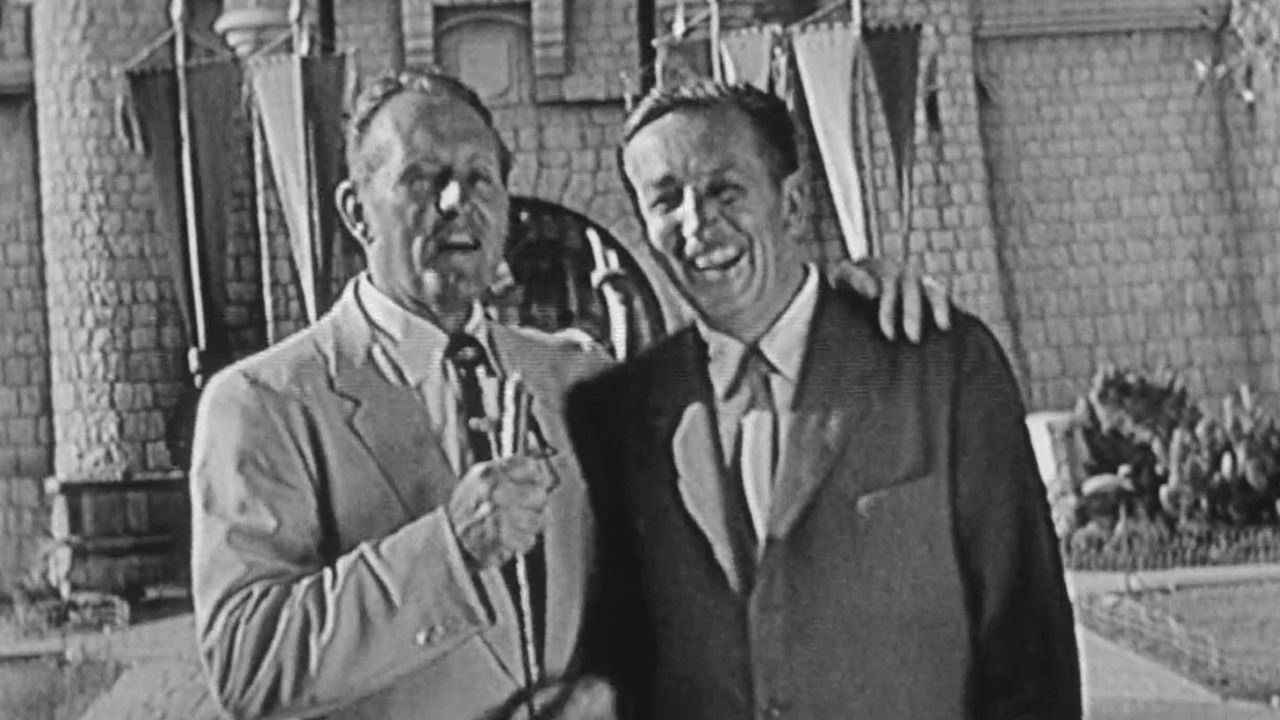
Autopia did not just open early in Disneyland’s history. It opened with the park. When Walt Disney welcomed guests for the very first time on July 17, 1955, Autopia was already there, letting kids grip a steering wheel and feel the thrill of the open road, on a guided track, at about seven miles per hour. For many children, it was their very first driving experience, a distinction that sounds modest until you watch a four-year-old absolutely beam behind the wheel.
Over the decades, the ride went through a notable identity shuffle. It was known at various points as the Fantasyland Autopia and, in an especially memorable chapter for fans of a certain generation, as the Rescue Rangers Raceway. Characters and themes came and went. But through all of it, the little gas-powered engines kept chugging. Until now.
What the Switch to Electric Actually Means
The agreement with the California Air Resources Board is not just a Disneyland story. It reflects a much larger shift happening across California, where regulators have been aggressively pushing to reduce emissions from everything from semis to lawnmowers. Getting Disneyland, one of the most visited theme parks on the planet, to formalize a commitment to retire gas engines from even a small attraction is a meaningful symbolic win.
For the ride itself, going electric should mean quieter operation, smoother acceleration, and, critically, cleaner air for the thousands of guests who ride or walk nearby every single day. Theme park vehicles run constantly during operating hours. Across a full year, even a modest attraction like Autopia racks up a significant number of engine hours.
What We Can Learn From Autopia’s Upgrade
There is something genuinely instructive buried in this story. Autopia is not a high-profile, high-tech spectacle. It is a slow, beloved, low-stakes ride for children. And yet even that attraction is being held to modern emissions standards, which says something about how broadly the transition away from gas is being applied.
It also shows that nostalgia and progress are not always enemies. Guests are not mourning the gas engines because they love exhaust fumes. They love the experience of the ride, the feeling of independence, the memory of driving for the first time. An electric version of Autopia can preserve all of that while quietly making the experience better in almost every measurable way.
The broader lesson for businesses and institutions: retrofitting legacy experiences for a cleaner future does not have to mean erasing what made them special. It often just means updating the parts that guests never actually cared about in the first place.
What Comes Next for Tomorrowland’s Most Ironic Ride
Disneyland has not yet announced when Autopia will close for its electric conversion or when it will reopen. Given that the gas engine retirement is targeted for early 2027, a closure sometime in 2026 would not be surprising.
The resort has promised more details soon, which in theme park language could mean anything from next month to next fiscal quarter.