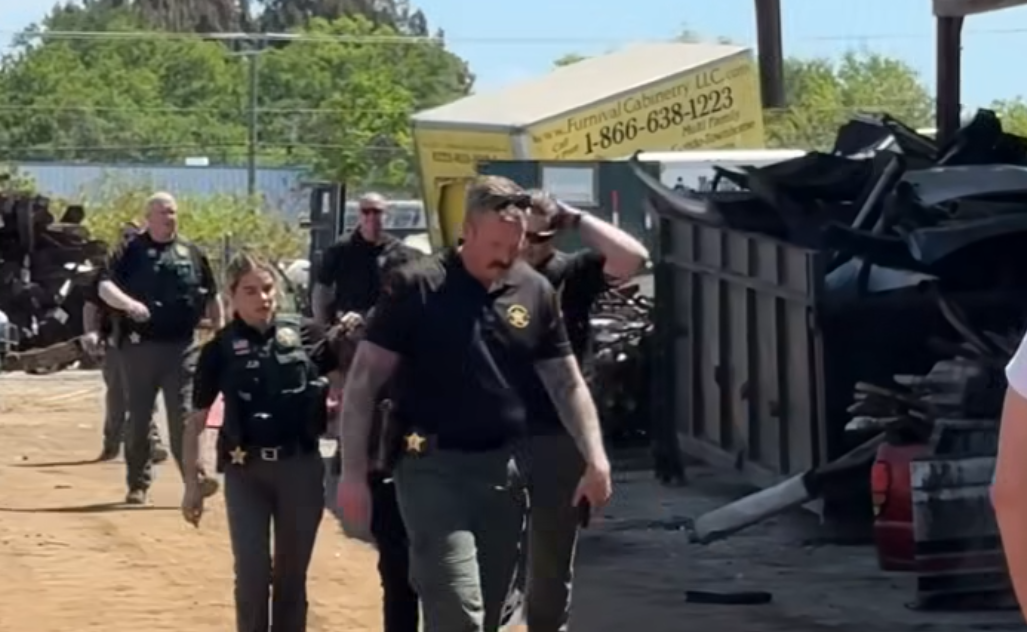
The Brevard County Sheriff’s Office does not do anything halfway. On March 26, deputies descended on Scrappys Auto Salvage on Korbin Avenue in Rockledge, Florida, executing a search warrant that turned into one of the most jaw-dropping law enforcement operations the Space Coast has seen in recent memory. When the dust settled, one man was in custody facing a charge count so high it almost stops making sense, and a significant haul of heavy equipment had been hauled off the property.
The investigation had been quietly building since September 2025, when detectives began looking into the business’s practices surrounding vehicle documentation. Under Florida law, salvage and scrap operations must maintain specific paperwork for every vehicle on their property. Investigators say Scrappys was not doing that and allegedly was doing far worse things on the side.
Sheriff Wayne Ivey has never been shy about making a scene, and this operation was no exception. His office rode along with the General Crimes Unit and shared video of the raid on Facebook, where Ivey teased the outcome with some flair before revealing that the primary suspect was heading to what he colorfully called “Ivey’s Iron Bar Lodge.” The comments section was overwhelmingly supportive of the department, which tends to be the case when the charge count runs into the thousands.
What started as a paperwork investigation grew into something far larger, touching on stolen vehicles, fraudulent registrations, racketeering allegations, and a significant immigration enforcement component that drew activists to the scene and sparked a separate, heated conversation about the role of local deputies in federal immigration matters.
Who Is Theodore “Teddy” Gross and What Are All These Charges?
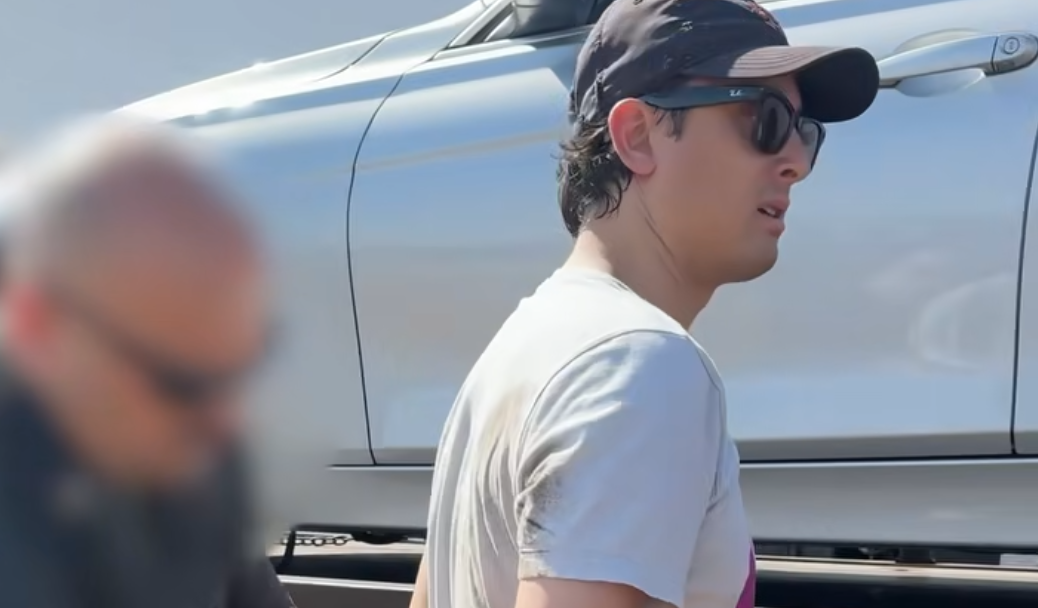
By Thursday evening, the face of the operation had a name: Theodore “Teddy” Gross. His charge list reads less like a rap sheet and more like a legal encyclopedia. Deputies arrested him on 3,787 counts of failure to obtain a certificate of destruction and 1,578 counts of violating derelict motor vehicle regulations alone.
Those two categories account for the bulk of the 5,000-plus charges, but the list keeps going: grand theft, scheme to defraud, operating a chop shop, dealing in stolen property, conspiracy to racketeer, maintaining racketeering property, and using proceeds from racketeering.
Sheriff Ivey said Gross had not been properly vetting vehicles entering the yard and was issuing fraudulent registrations. In the Facebook video, Ivey put it plainly: “You name it, he’s done it.” Gross is currently being held without bond.
Investigators also recovered 19 stolen vehicles during the search and seized tow trucks, flatbed trucks, and heavy machinery from the property, all of which were tied to active criminal investigations.
Immigration Arrests Add a Second Layer to the Story
While the criminal case against Gross was taking shape, another element of the operation was unfolding behind the business’s fence. According to the sheriff’s office, 13 undocumented immigrants were found working at Scrappys. They were from Afghanistan, Mexico, Honduras, and Guatemala. A deportation officer was on-site as part of the operation.
Ivey’s choice of words when describing the situation drew attention. He referred to the business as a “petri dish of illegal immigrants,” language that immigration rights advocates on the scene took issue with immediately. An employee told reporters that law enforcement questioned everyone at the site around 10:30 in the morning, after which some workers were released, and others were required to stay.
FOX 35, which had the only cameras on scene as the operation unfolded, captured footage of several individuals in zip ties being detained by deputies near the back of the property.
Immigration Activists Show Up and Push Back
Word of the raid spread quickly, and members of the Space Coast Immigrant Rights Alliance arrived while the operation was still underway. Organizer Christopher Gibson told reporters that his group had been anticipating something like this for months. He said his organization had known since January that federal immigration enforcement had been pushing eastward out of Orlando and that it was a matter of time before it reached Brevard County.
Activists demanded answers from deputies about the scope of the search warrant and questioned whether any of the detentions were based solely on immigration status rather than any connection to the criminal activity under investigation. The intersection of a local criminal operation and federal immigration enforcement created a tense atmosphere at the scene and reignited a broader debate about how closely local law enforcement agencies should coordinate with federal immigration authorities.
What This Incident Can Teach Us About Chop Shop Operations
The Scrappys case is a useful reminder that not every chop shop looks like something out of a movie. Auto theft operations have evolved, and many now operate under the cover of legitimate-seeming businesses, such as scrap yards, salvage lots, and towing companies. The paperwork requirements that Gross allegedly ignored exist specifically because regulators know these businesses can be used to launder stolen vehicles and strip them for parts.
When a yard fails to obtain certificates of destruction or skips vehicle documentation requirements, it creates a paper trail vacuum that makes it much easier to move stolen property without detection. The 19 stolen vehicles found on the premises, the fraudulent registrations, and the racketeering charges all point to what investigators describe as a sophisticated operation dressed up as an ordinary salvage business.
For consumers, it is a reminder to be cautious when buying used car parts or vehicles from sources that cannot clearly document the origin of the inventory.