
For more than a century, hydraulic brake fluid has been one of the most essential parts of every production car on the road. That may be about to change.
Brembo has confirmed that its fully electronic “Sensify” braking system is already heading into series production with an automaker that remains unnamed for now. The setup eliminates traditional hydraulic braking hardware entirely and replaces it with a brake-by-wire system controlled electronically.
That means no conventional brake fluid running through lines to activate calipers in the traditional sense. Instead, braking inputs are managed digitally using electric actuators and software-controlled systems.
It sounds futuristic, though the shift may actually make perfect sense for modern EVs and hybrids. Many electrified vehicles already rely heavily on regenerative braking, meaning their traditional friction brakes are used far less often than those in gasoline-powered cars.
Modern EVs Already Barely Use Their Brakes
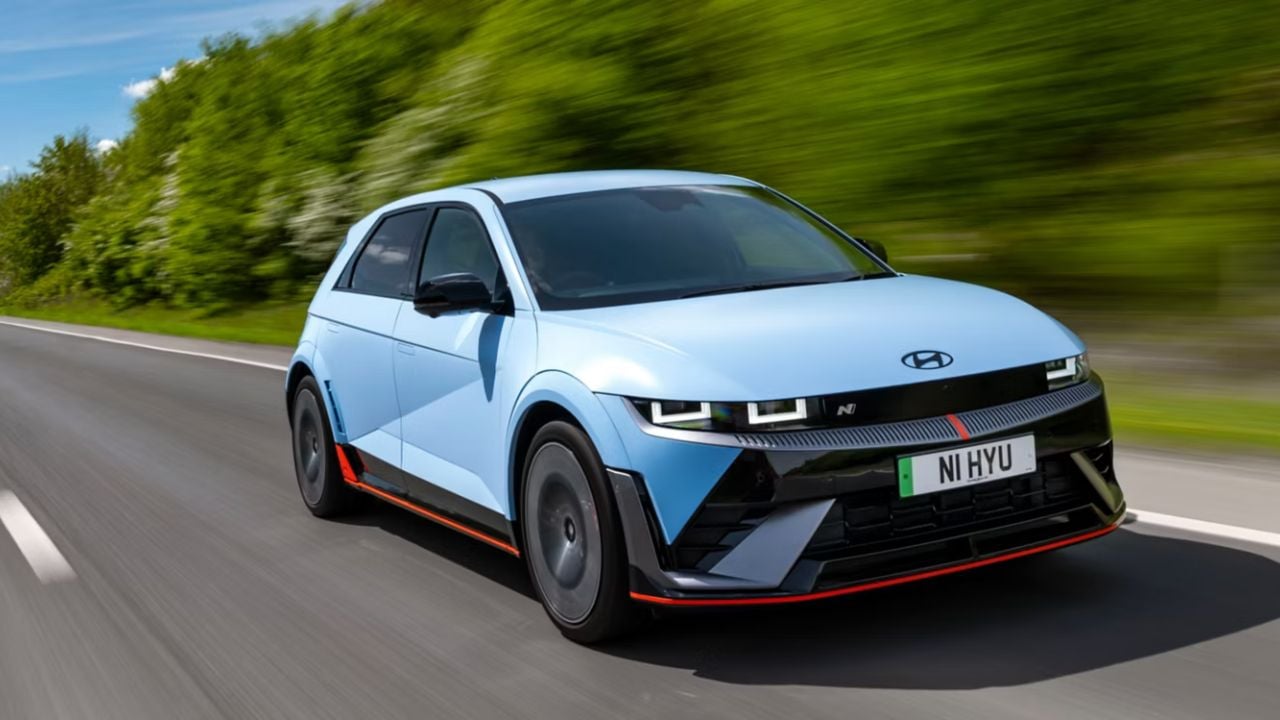
In many current electric vehicles, regenerative braking handles a huge portion of daily slowing and stopping. The electric motors effectively work in reverse, turning motion back into stored energy while reducing wear on physical brake components.
Drivers of some modern EVs rarely use the mechanical braking system at all during normal driving. That helps extend the life of brake pads and rotors while improving efficiency.
Brembo’s Sensify system takes the idea even further by removing hydraulic hardware entirely. Instead of fluid pressure activating the brakes, the system relies on electronic controls and electric motors to manage braking force at each wheel.
The result could potentially deliver faster response times, more precise brake control, and tighter integration with advanced driver assistance systems.
Brembo Sees A Software-Defined Future
According to Brembo, Sensify was designed to work with future software-driven vehicle architectures. The company says the system can integrate with next-generation ADAS (Advanced Driver Assistance Systems) features and even fully autonomous driving systems.
That flexibility is becoming increasingly important as automakers move toward centralized computing systems and zonal electronic architectures. Traditional hydraulic systems are mechanically effective, but they are harder to integrate into highly digital vehicle platforms.
Brake-by-wire systems also allow much finer control over individual wheel braking. That can improve stability systems, regenerative braking blending, and advanced safety functions.
Brembo describes Sensify as scalable, meaning it could theoretically work across everything from mainstream EVs to high-performance vehicles. Given Brembo’s history in motorsports and exotic cars, performance applications seem especially likely.
There Are Still Big Questions
Despite the announcement, Brembo has revealed very few technical details about how the system handles redundancy and fail-safe operation. That is arguably the most important part of any brake-by-wire setup.
Traditional hydraulic brakes have a direct mechanical feel and relatively straightforward backup behavior. Fully electronic systems require multiple layers of redundancy to ensure braking capability remains available if something fails electronically.
Automakers and suppliers have already introduced partial brake-by-wire systems in recent years, but most still retained hydraulic backup systems. Brembo’s setup appears to go a step further by eliminating hydraulics altogether.
That could make some enthusiasts nervous, especially drivers who already complain about numb brake pedal feel in certain modern EVs. Software-controlled braking can sometimes feel artificial compared to traditional systems if calibration is not handled properly.
The Industry May Be Closer Than Expected
Brembo says that production has already started. In an email to The Drive, the company confirmed that an unnamed global automaker is currently preparing vehicles using the Sensify system, though confidentiality agreements prevent Brembo from revealing which brand is involved.
That suggests the technology is much closer to public roads than many expected. It also signals growing confidence within the industry that fully electronic braking systems are ready for mainstream use.
The move mirrors the transformation happening across the automotive world, as steering systems, throttle controls, transmissions, and even suspension technologies have steadily become more software-controlled over the past two decades.
Now braking appears to be next. Hydraulic brakes have survived largely unchanged for generations because they work exceptionally well. Still, as cars become increasingly electric, digital, and autonomous, even one of the oldest systems in automotive engineering may finally be heading for a major reinvention.