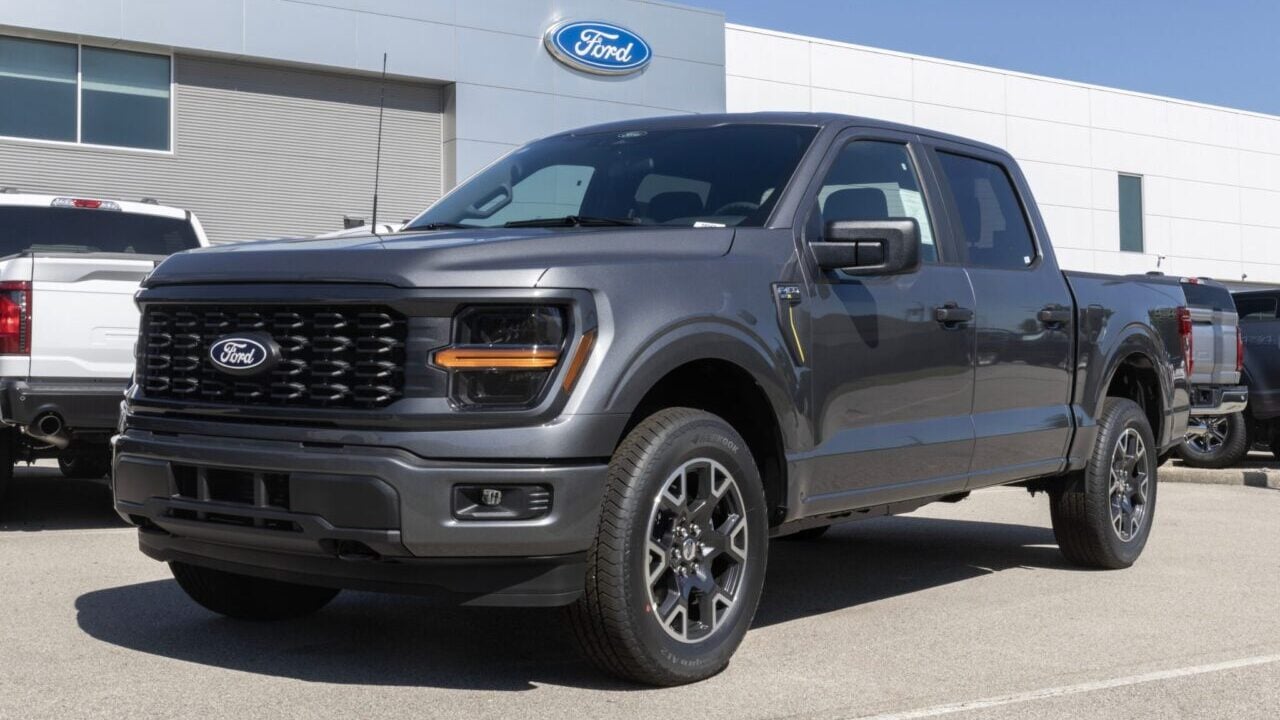
Ford’s aluminum-bodied F-150 helped revolutionize the pickup truck market a decade ago. Now, that same lightweight construction is creating one of the company’s biggest production headaches.
Ongoing aluminum supply shortages are still disrupting F-150 and Super Duty production, leaving dealers with tighter inventory and forcing Ford to navigate rising material costs. Several reports suggest the issue has become serious enough to noticeably impact truck availability across parts of the United States.
The shortages stem largely from production problems at Novelis, one of Ford’s key aluminum suppliers. Multiple fires at a major Novelis facility last year severely disrupted output, and the effects are apparently still being felt months later.
That has placed Ford in a difficult position. The company’s decision to switch the F-150 to aluminum construction improved fuel economy and reduced weight, but it also made Ford more dependent on a material now facing supply disruptions, rising prices, and steep import tariffs.
Dealers Are Starting To Feel The Shortage

According to reports, Ford dealers are already seeing inventory levels fall well below normal. Texas dealer Sam Pack told The Wall Street Journal his F-150 supply had dropped to roughly 42 days’ worth of inventory compared to the more typical 60-day level.
Other dealers describe the situation as even worse. One Kansas dealership reportedly saw its usual “Truck Month” stock collapse from around 700 trucks to just nine available units.
That kind of shortage is unusual for America’s best-selling vehicle. The F-Series has dominated U.S. sales charts for decades, and Ford typically maintains a strong supply advantage over rivals like the Chevrolet Silverado and Ram 1500.
The concern now is whether Ford can stabilize production before shortages begin pushing more buyers toward competing trucks.
Aluminum Supply Issues Keep Getting Worse
At the center of the problem is Novelis, Ford’s primary aluminum supplier. Three separate fires at company facilities last year disrupted production capacity, and recovery has reportedly taken longer than expected.
Ford has continued building trucks, but not at the pace originally planned. Analysts estimate F-Series production fell significantly year-over-year during the first quarter as supply constraints intensified.
The situation became even more complicated after aluminum prices surged globally. Supply chain disruptions tied to geopolitical instability, combined with a 50 percent U.S. tariff on imported aluminum, have dramatically increased costs for automakers relying heavily on the material.
That hits Ford harder than most competitors because of the F-150’s aluminum-intensive body structure. Analysts say Ford has greater exposure to aluminum pricing than nearly any other major automaker.
Ford Says It Has Backup Plans
Ford executives insist the company is working to minimize long-term disruption. COO Kumar Galhotra recently stated Ford has contingency plans and alternative aluminum sources available if shortages continue.
Still, those backup options may not come cheaply. Importing additional aluminum means Ford must absorb the impact of current tariffs, adding significant pressure to production costs.
Ford recently doubled its projected commodity cost headwind from $1 billion to $2 billion. Aluminum pricing has become a major contributor to those rising expenses.
The automaker did receive financial relief after court rulings reduced some tariff exposure, helping improve its overall profit outlook for 2026. Even so, aluminum remains an ongoing challenge the company has not fully escaped.
The F-150’s Biggest Strength Became A Risk

When Ford introduced the aluminum-bodied F-150 for the 2015 model year, the move was considered bold and controversial. The lighter structure improved efficiency, towing capability, and performance while helping Ford stay ahead of tightening fuel economy regulations.
Over time, the gamble largely paid off. Competitors mocked the aluminum truck early on, but the F-150 remained America’s best-selling vehicle while proving the design could handle real-world truck use.
The current shortages, however, reveal the downside of relying so heavily on one specialized material. Rivals like General Motors, which still use mostly steel body panels for trucks like the Silverado, have avoided much of the aluminum-related supply disruption now affecting Ford.
Ford expects aluminum supply conditions to improve later this year as Novelis gradually restores production capacity. Until then, the company faces a balancing act between controlling costs, maintaining truck output, and protecting its lead in the fiercely competitive full-size pickup market.