Hybrid performance used to sound like a compromise. In 2026, it sounds more like an escalation. The battery is no longer there just to trim emissions figures or make a fast car seem responsible on paper. In the most serious new performance machines, electrification has become a weapon.
That change is easy to feel from the driver’s seat. Electric motors fill torque gaps, sharpen throttle response, improve launch traction, and sometimes add an entirely new driven axle. The result is not just more power. It is a different kind of speed, one that arrives harder, earlier, and with less wasted motion.
The interesting part is how differently manufacturers are using the idea. Ferrari turns hybridization into sharper response. Lamborghini uses it to make a V12 supercar even more outrageous. Chevrolet uses it to reinvent the Corvette at two very different levels, while Porsche folds it into one of the most polished high-performance formulas in the world.
These five cars show how far the category has moved. They are all road-legal, all available to U.S. buyers, and all proof that hybrid power has become one of the most exciting tools in modern performance engineering.
Where Hybrid Power Becomes A Performance Weapon
This group focuses on new hybrid performance cars sold through the U.S. market, including plug-in hybrids and non-plug-in electrified performance models. Pure EVs were left out. So were track-only specials, discontinued halo cars, and limited-production machines without a clear new-car buying path.
Acceleration mattered, but this is not a strict fastest-to-slowest ranking. What mattered more was how effectively each car uses hybrid hardware to change the driving experience. Launch response, traction, torque fill, total output, and the character of the system all shaped the final group.
The result is a set of cars that do more than wear an electrified badge. In each one, the hybrid system is central to the car’s identity.
Ferrari 296 GTB
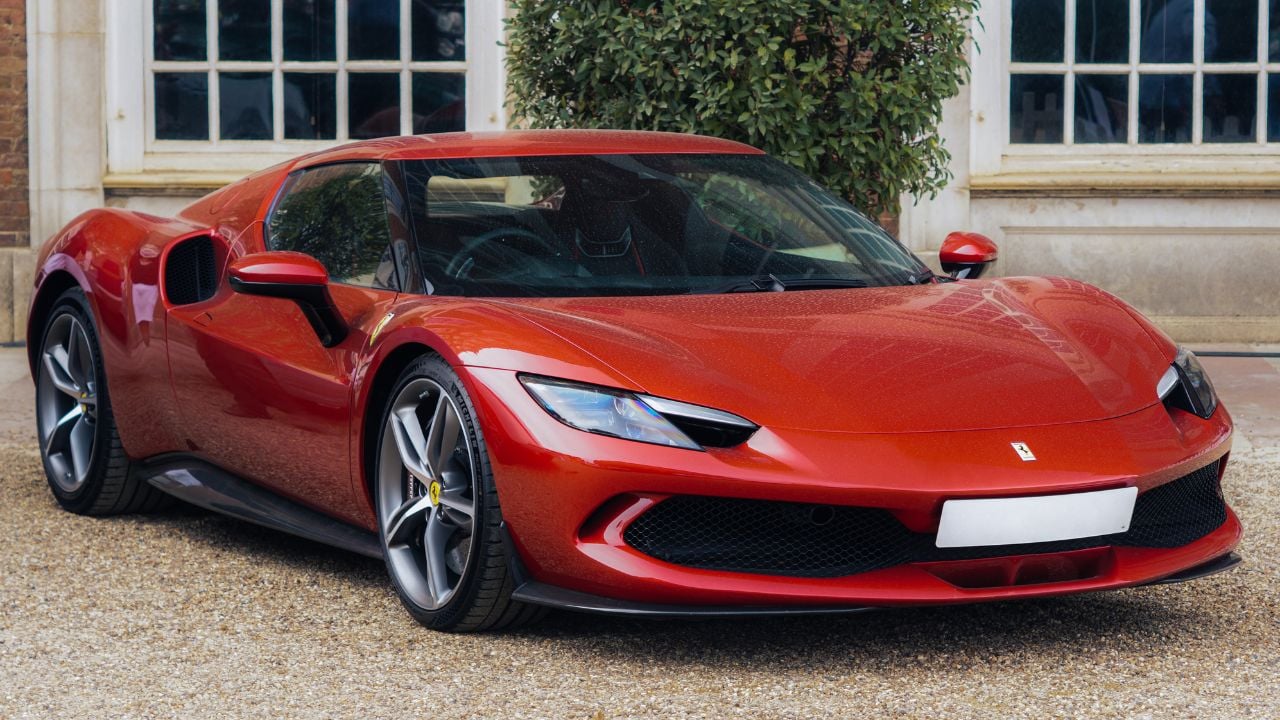
The Ferrari 296 GTB is one of the clearest examples of hybrid power making a supercar feel more alive rather than less emotional. Its 183-cubic-inch twin-turbo V6 works with an electric motor to produce 819 hp, giving Ferrari’s mid-engine berlinetta explosive pace without flattening its personality.
Ferrari rates the 296 GTB at 830 CV, or about 819 hp, and a 205 mph top speed. Car and Driver recorded a 2.4-second 0-to-60 mph run and a 9.7-second quarter-mile at 150 mph. What stands out is not just the number, but the way the car delivers it. The electric assistance sharpens response and fills the space between combustion pulses, so the 296 feels immediate, alert, and intense at any speed.
Lamborghini Revuelto

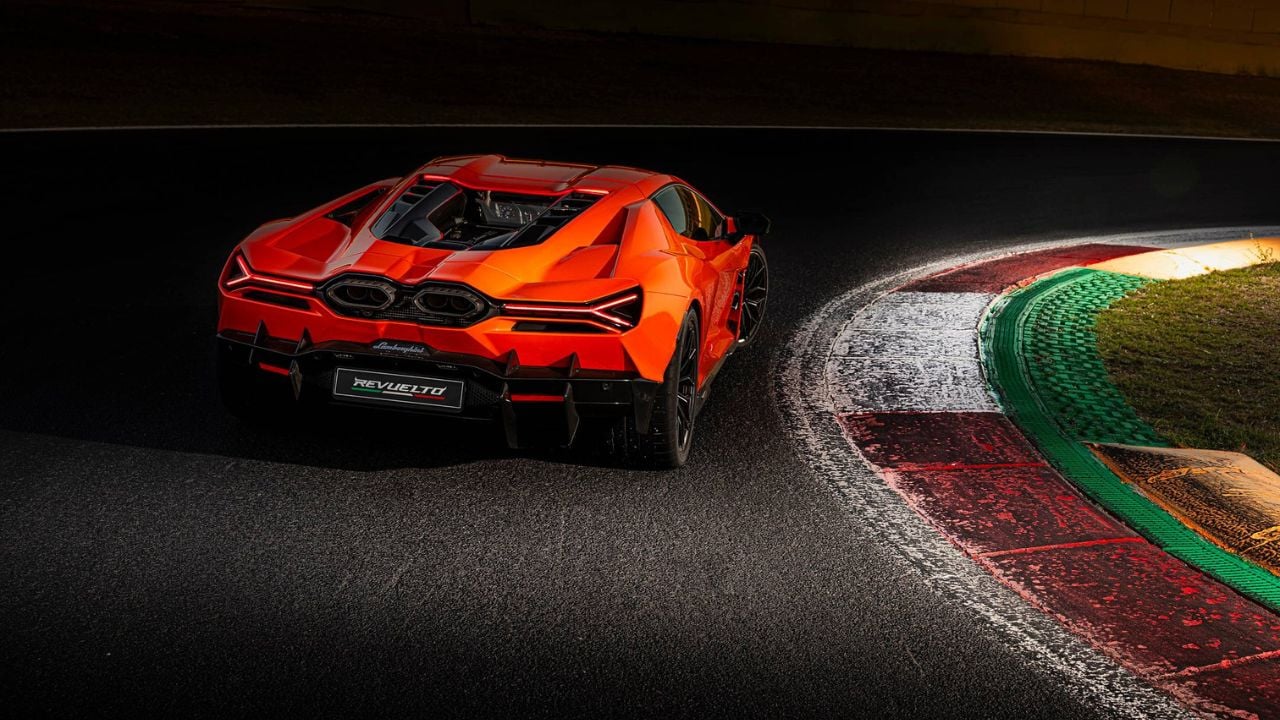
The Lamborghini Revuelto takes the opposite route. Instead of using hybridization to replace old-school drama, it uses electrification to preserve it. Lamborghini kept the naturally aspirated 396.6-cubic-inch V12, then added three electric motors to make the whole thing hit even harder.
Lamborghini calls the Revuelto its first HPEV hybrid super sports car. Combined output is 1,015 CV, or about 1,001 hp, with a 0-to-62 mph time of 2.5 seconds and a top speed above 217 mph. The Revuelto’s appeal is not subtle. It still delivers the ceremony people expect from a Lamborghini flagship, but the electric front axle and instant torque give it a new layer of control and violence off the line.
Chevrolet Corvette E-Ray

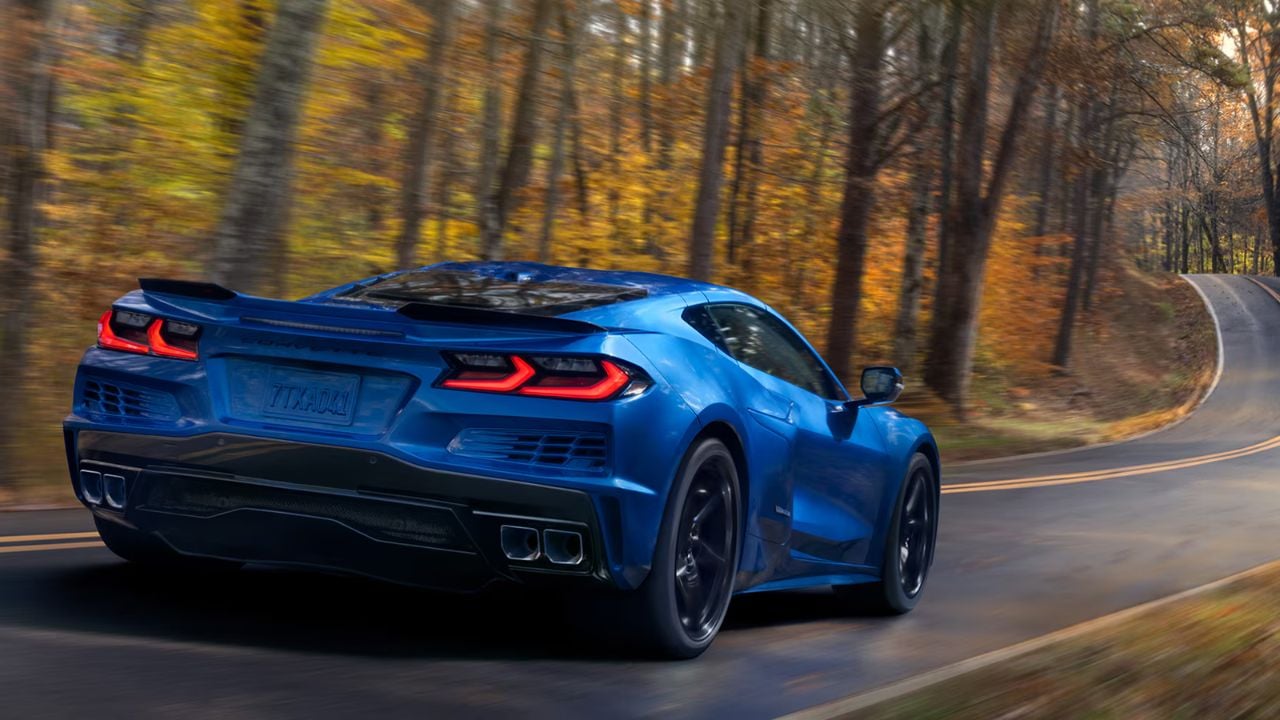
The Chevrolet Corvette E-Ray may be the most important mainstream performance hybrid here because it shows how quickly hybrid supercar thinking has reached American sports cars. Chevrolet lists the 2026 E-Ray from $108,600, with 655 combined hp, electrified all-wheel drive, and a 2.5-second 0-to-60 mph time.
Its 376-cubic-inch LT2 V8 drives the rear wheels, while an electric motor powers the front axle. Chevrolet also quotes a 10.5-second quarter-mile and a 183 mph top track speed. That setup gives the E-Ray a broader range than most hybrids in this class. It can leave the line like an exotic, settle into a comfortable long-distance rhythm, and even creep away quietly in Stealth Mode. The hybrid hardware is not there to calm the Corvette down. It is there to give it more grip, more range in personality, and more real-world pace.
Chevrolet Corvette ZR1X
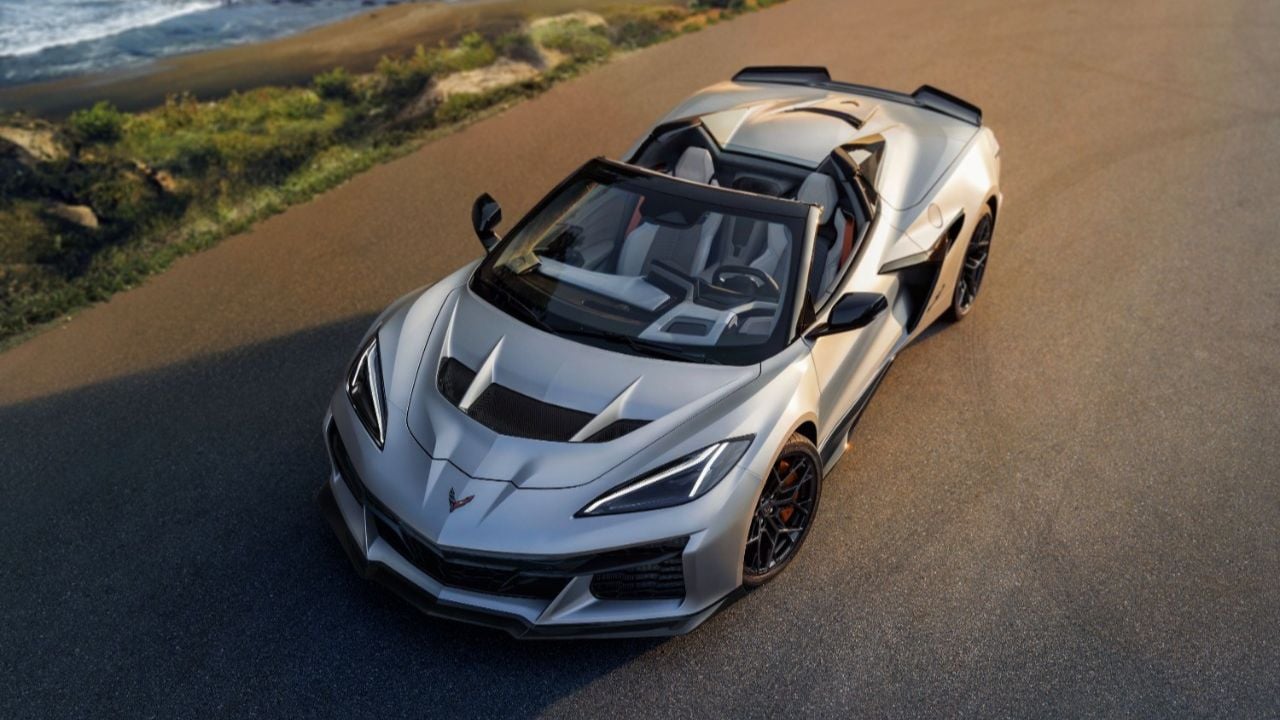
The Chevrolet Corvette ZR1X is the point where hybrid assistance stops feeling supplemental and starts taking over the conversation. Chevrolet lists the 2026 ZR1X from $209,700, with 1,250 combined hp from its twin-turbo LT7 V8 and front electric drive unit.
Chevrolet’s official figures are staggering: 1.89 seconds to 60 mph, an 8.99-second quarter-mile at 157 mph, and a 233 mph top speed on track. That makes the ZR1X one of the most extreme road cars in America, full stop. The E-Ray showed what electrification could add to the Corvette formula. The ZR1X shows what happens when the same basic idea is pushed to the limit. It turns hybrid AWD into a hypercar tool.
Porsche 911 Turbo S T-Hybrid
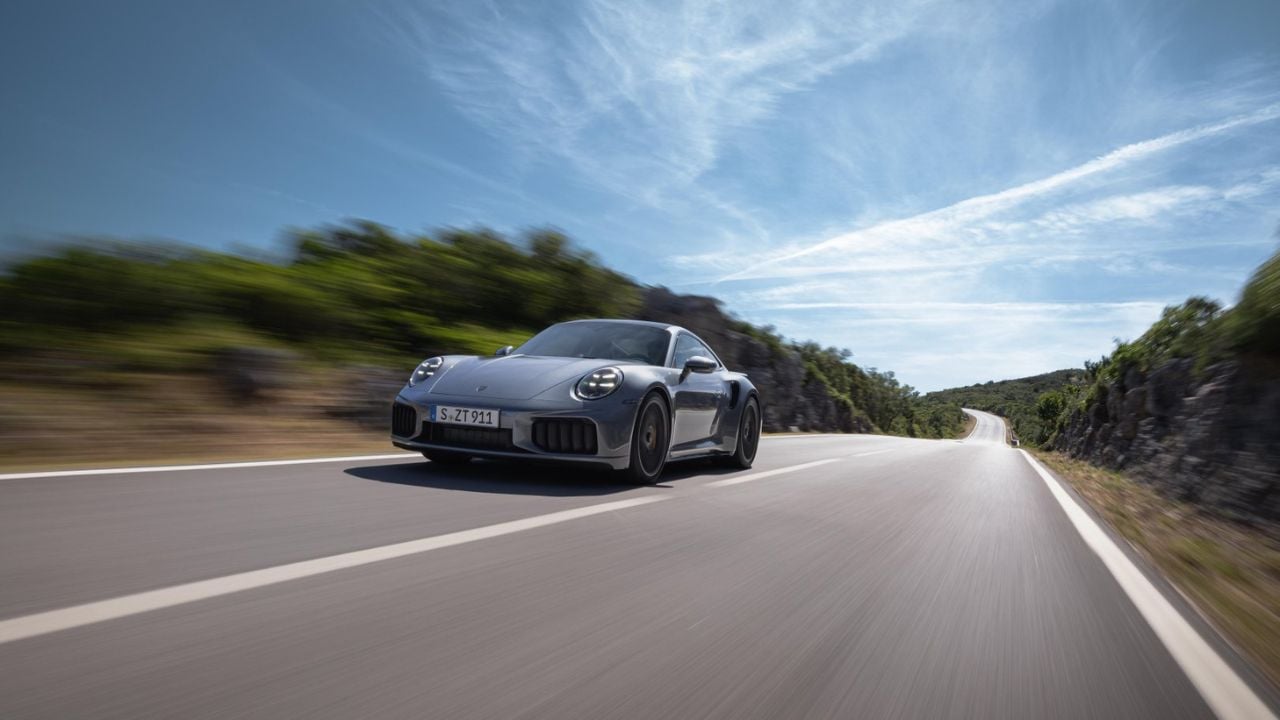
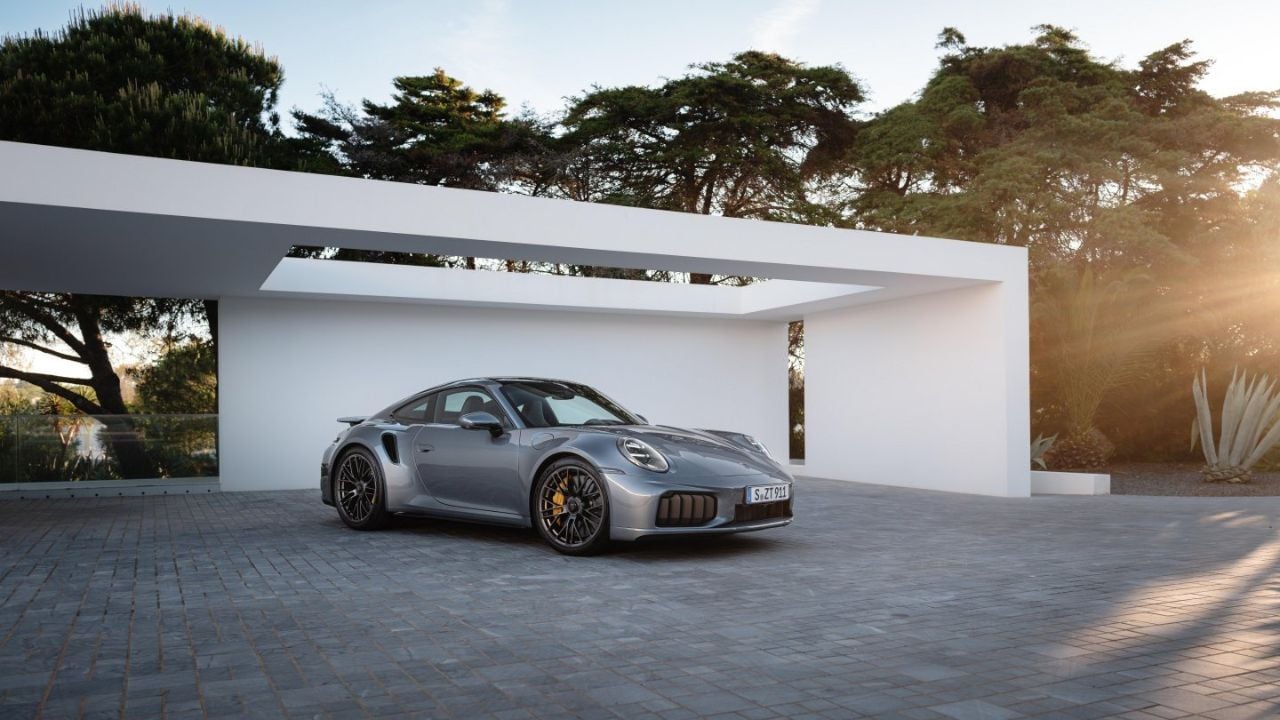
The Porsche 911 Turbo S T-Hybrid takes a more clinical approach, but the result is no less dramatic. Porsche integrates the electric motor into the transmission and uses electrified turbo hardware to sharpen the traditional 911 Turbo formula rather than reinvent it.
Porsche lists the 2026 911 Turbo S at 701 hp in U.S. specification, with a 2.4-second 0-to-60 mph time when equipped with Sport Chrono and a 200 mph top track speed. The appeal here is the polish. Where the Lamborghini shouts and the Corvette ZR1X tries to rearrange physics, the Porsche feels surgically efficient. It is brutally fast, but it is also controlled, clean, and repeatable in a way few cars at this level can match.
Where Hybrid Performance Goes Next
The strongest thing about this class is how little uniformity it has. Hybrid performance is no longer one idea with one personality. Ferrari uses it to sharpen response. Lamborghini uses it to preserve V12 theater. Chevrolet uses it to give the Corvette an extra axle and a new place in the performance hierarchy. Porsche uses it to make an old master even quicker and more precise.
That variety says a lot about where the market is heading. Electrification is no longer a side note in performance engineering. It is one of the main tools shaping how speed feels, how traction arrives, and how power gets to the ground.
The best hybrids no longer feel like compromises with a battery attached. They feel like performance cars that discovered a new way to be outrageous. These five are already there.