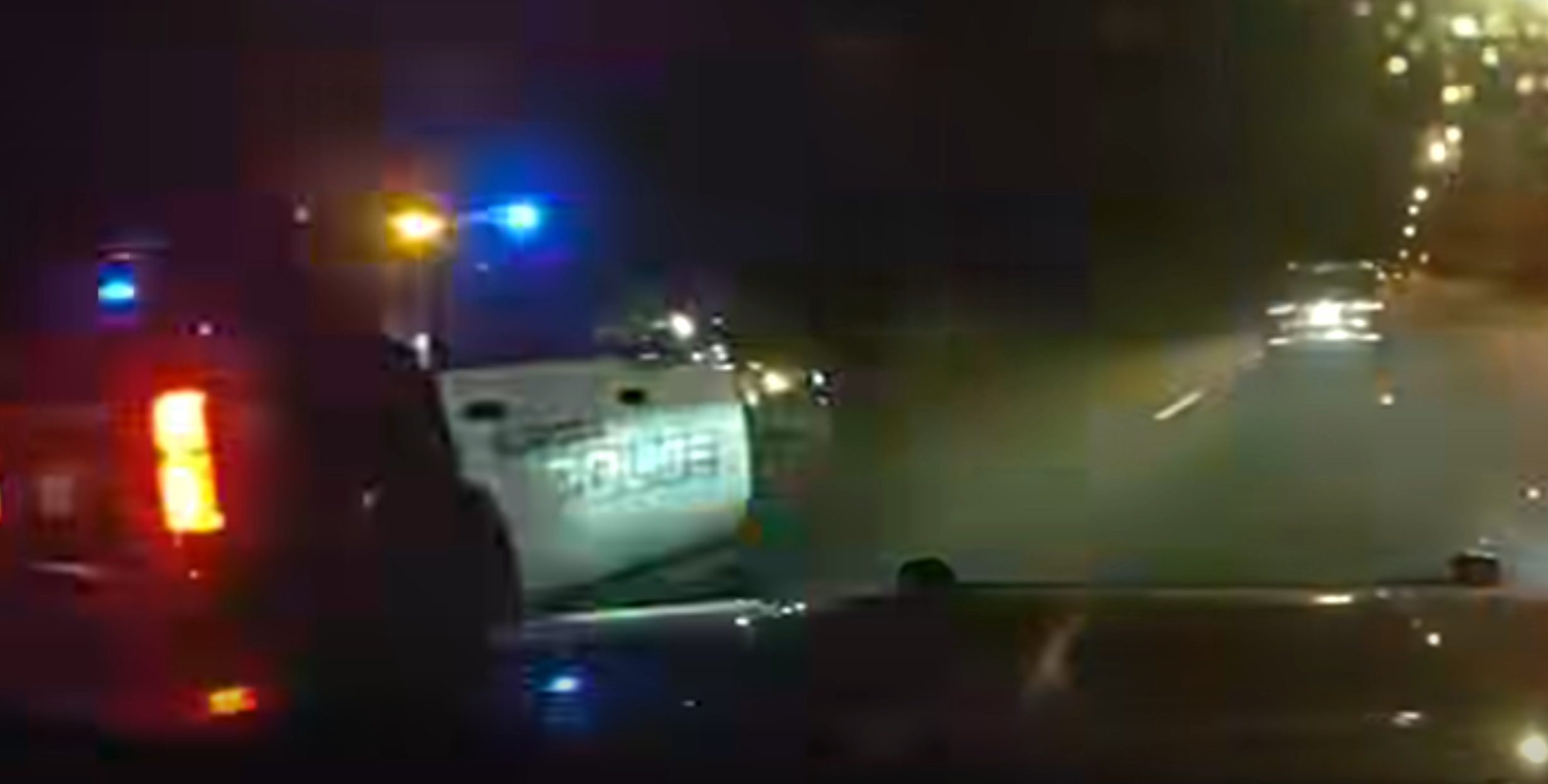
It was 3 a.m. on Monday, May 4, and most of Aurora was sound asleep. But Aurora Police Department officers were wide awake and doing exactly what they are trained to do. A Flock license plate reader flagged a stolen vehicle near Scranton Street just south of Smith Road, and from that moment on, the night belonged to law enforcement.
Officers used city traffic cameras to quickly pinpoint the vehicle’s location and moved in to initiate a traffic stop. The driver, however, had other plans, and a vehicle pursuit was underway. It is the kind of decision that never ends well for the person behind the wheel, and this case was no exception.
What unfolded next was more than just a standard car chase. When officers successfully performed a PIT maneuver near Quebec and Exposition and brought the vehicle to a stop, they discovered something that made this situation significantly more alarming. There was a passenger in that stolen car, and she was blind. She had reportedly been asking the driver to pull over repeatedly during the chaos. The driver kept going anyway.
After a short foot chase attempt that went exactly nowhere, officers detained 55-year-old Aurora resident Larry Barnes. A search of the vehicle turned up more than 30 grams of methamphetamine and crack cocaine, and a records check revealed one of the most extensive criminal histories the responding sergeant said he had ever seen in his career.
What Larry Barnes Is Now Facing
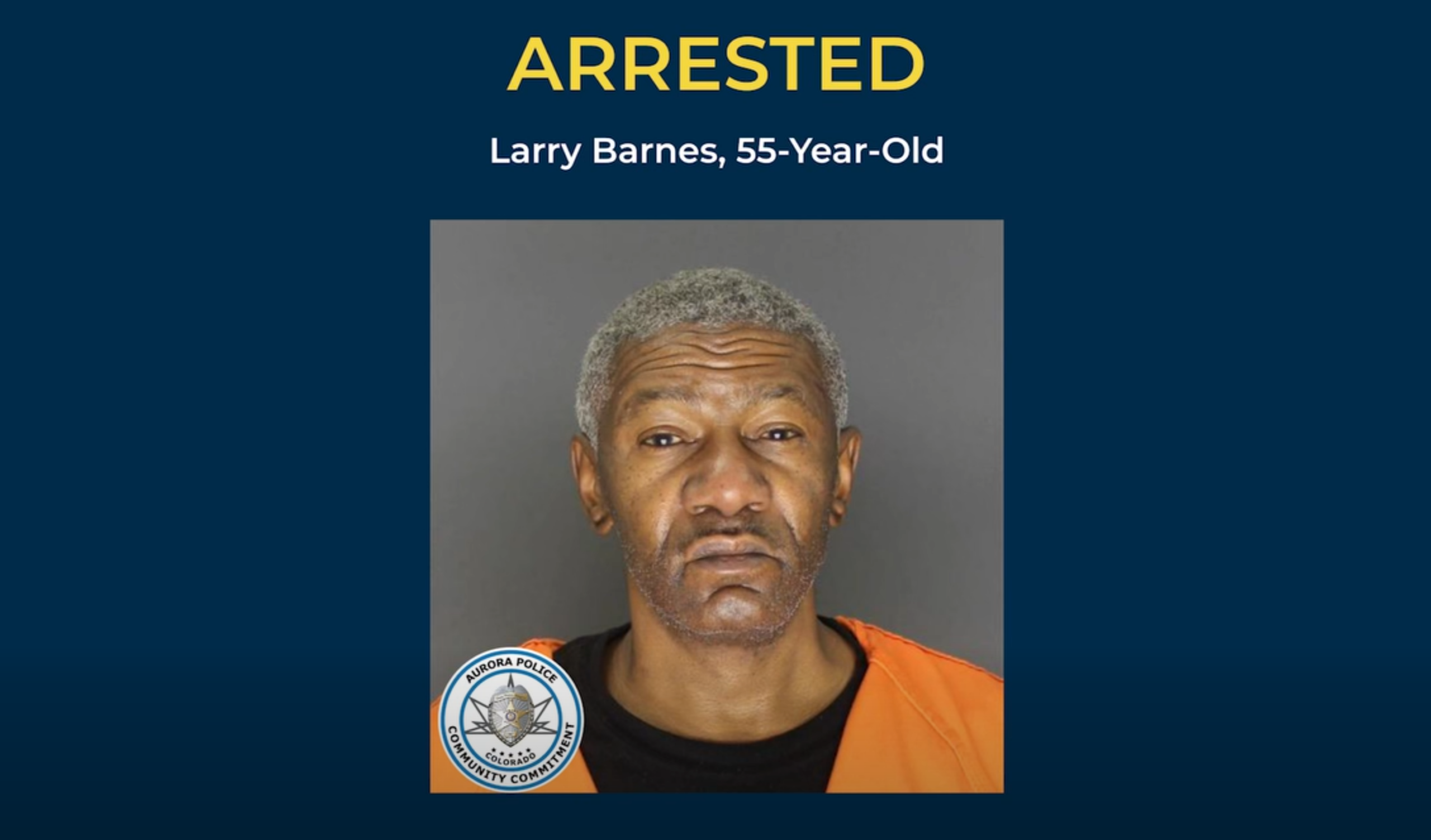
Barnes was taken into custody on a significant list of charges, including suspicion of kidnapping, motor vehicle theft, possession with intent to distribute, driving under the influence, and felony eluding. On top of all that, he also had an outstanding warrant waiting for him.
The kidnapping charge stands out. Colorado law can apply that charge when someone is transported without consent, and a blind woman repeatedly asking the driver to stop while riding in a stolen car with drugs on board paints a pretty clear picture of what was happening inside that vehicle.
The sergeant at the scene reportedly noted that Barnes’ criminal background, which includes prior arrests for drug distribution, assault on a peace officer, and burglary, may be the longest he had ever encountered. That is a statement that carries real weight coming from someone who has seen a lot.
How Flock Technology Is Changing the Game for Law Enforcement
This arrest is a clear example of what modern license plate reader technology can do when paired with fast-acting officers. Flock Safety cameras are automated systems that scan plates and flag stolen or wanted vehicles in real time. Aurora has been using this technology as part of broader efforts to combat vehicle theft and street crime.
The alert came in the middle of the night when staffing is leaner and visibility is lower. Despite those conditions, officers were able to locate the vehicle, get eyes on it through traffic cameras, and coordinate a successful pursuit and stop in a short window of time. The system working the way it is designed to work, start to finish.
Vehicle theft has been a persistent issue in the Denver metro area, and Aurora in particular has worked to use technology as a force multiplier. Tools like Flock give patrol officers a head start that can make all the difference between a suspect slipping away and one ending up in handcuffs.
What This Incident Teaches Us About Repeat Offenders and Public Safety
There is a broader conversation buried inside this story, and it is worth having. Barnes is 55 years old with a criminal record so long it surprised a seasoned law enforcement officer. That history includes violent offenses against peace officers, property crimes, and drug-related charges. He was out, he had a warrant out for his arrest, and he was behind the wheel of a stolen car at 3 a.m. with a passenger who could not see and had no way to help herself.
That is not a random bad night. That is a pattern, and it raises real questions about how communities handle repeat, high-risk offenders and what support structures or intervention points might exist before situations escalate to something like this.
For the blind passenger involved, this had to be a terrifying experience. Her safety depended entirely on someone who was allegedly impaired, driving a stolen vehicle, and making decisions that endangered her life. The fact that she was able to communicate with officers after the stop and is not being identified as a suspect is at least one silver lining in what was otherwise a deeply unsettling set of circumstances.
Aurora officers work around the clock, and arrests like this one are a reminder of what that commitment looks like in practice. Safer streets do not happen by accident.