Automakers are feeling the pressure to go electric, both to stay relevant and to avoid massive financial penalties. Governments, especially in Europe, are tightening emissions rules, forcing legacy brands to rethink how they build and sell cars. For giants like Volkswagen Group, the stakes are getting expensive.
Despite a strong push into electric vehicles, VW still isn’t moving fast enough to meet regulatory targets. That gap between ambition and reality could now cost the company up to $1.7 billion in fines. It’s a harsh reminder that the transition to electrification isn’t as smooth or as profitable as many expected.
At the core of the issue is a fundamental imbalance. Combustion-engine cars still bring in more profit, while EVs are essential for lowering fleet emissions. Trying to balance both without losing money has become one of the biggest challenges in the modern auto industry.
Volkswagen’s leadership has been surprisingly open about the situation. Instead of pretending everything is under control, executives admit they’re stuck choosing between losing money on EVs or paying fines. Either way, the bill is piling up.
Why VW Is Facing Huge Fines
The problem comes down to strict European Union emissions regulations. Automakers must meet fleet-wide CO₂ targets, meaning every gas-powered car sold has to be offset by lower-emission models like EVs or hybrids. If they miss those targets, financial penalties kick in.
For Volkswagen Group, that could mean fines totaling around €1.5 billion (roughly $1.7 billion) between 2025 and 2027. That’s not a one-time hit either, as it’s spread across multiple years, with hundreds of millions potentially lost annually. Even for a company of VW’s size, that’s a serious dent in profitability.
The EV Profitability Problem
On paper, the solution seems simple enough: just sell more electric cars. In reality, it’s far more complicated, as EVs are still less profitable than traditional combustion-engine vehicles, largely due to battery costs and development expenses.
VW Group CFO Arno Antlitz summed it up by saying the company is essentially choosing between two losses: reduced margins from EV sales or penalties for exceeding emissions limits. Until EVs reach cost parity with ICE cars, this balancing act isn’t going away.
Demand Isn’t Keeping Up With Regulations
Another issue is that consumer demand doesn’t always align with regulatory goals. While EV adoption is growing, it’s not happening fast enough to naturally meet emissions targets. That forces automakers to push electric models harder than the market might otherwise support.
In Europe, electric vehicles made up about 20% of new car sales in early 2026. That’s significant, but still not enough for companies like VW to comfortably hit their targets. As a result, they’re effectively selling more EVs than the market organically demands.
VW’s EV Push Is Still Gaining Ground
To be fair, Volkswagen isn’t standing still. The company has seen EV sales grow by over 11% compared to the previous year, with more than 176,000 electric vehicles delivered in the first quarter alone. That’s a solid increase, especially in a challenging market.
In Western Europe, roughly one in five VW vehicles sold is now fully electric. That’s a clear sign of progress, but it still doesn’t fully offset emissions from the rest of the lineup, so the math simply isn’t working in VW’s favor yet.
New Models Could Help—But Not Immediately
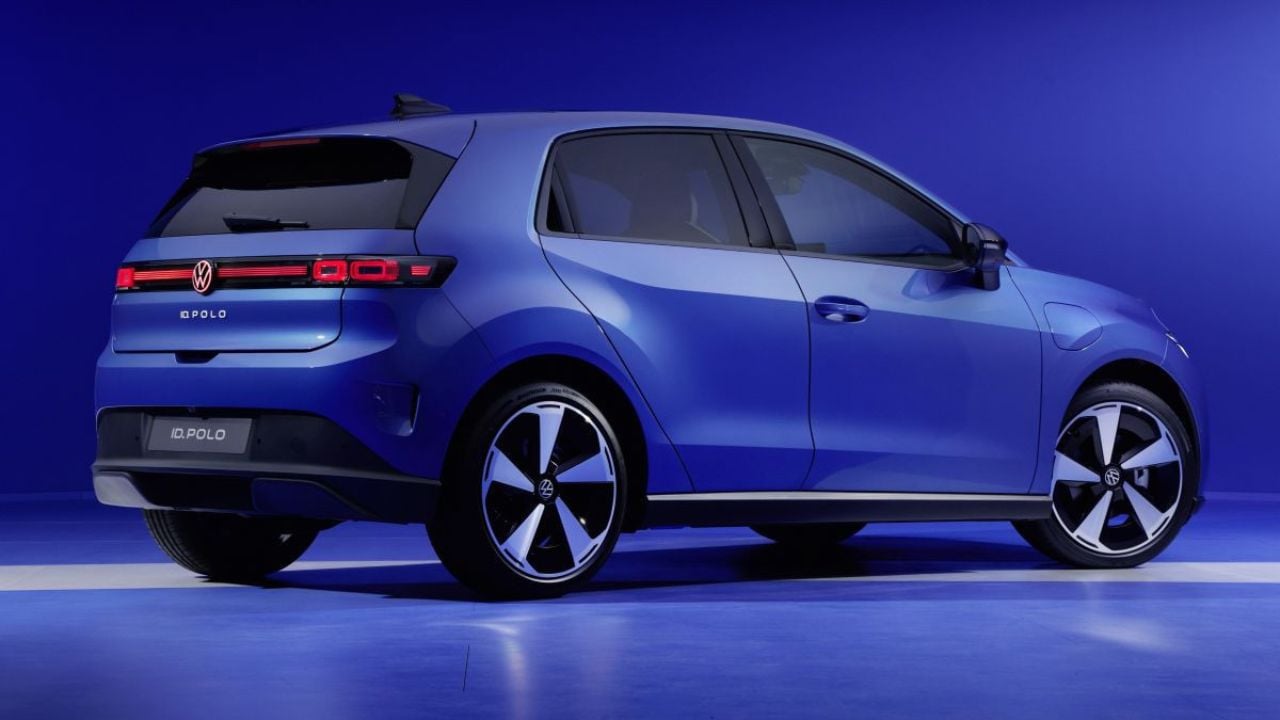
Volkswagen has several new electric models in the pipeline. The upcoming ID. Polo and a smaller, more affordable EV expected in 2027 are key parts of the strategy. These vehicles are designed to boost volume and make EV ownership more accessible.
However, they won’t fix the problem overnight. Even with these additions, VW expects to fall short of emissions targets in the near term. That means fines are likely unavoidable, at least until the next wave of EVs hits the market in full force.
The Long-Term Bet: Closing The Profit Gap
The real turning point could come later this decade. Volkswagen is betting heavily on its upcoming SSP platform, which aims to standardize EV production and significantly reduce costs. The goal is to bring EV profit margins closer to those of combustion-engine cars.
If that happens, the entire equation changes. Instead of being a financial burden, EVs could become just as lucrative as traditional vehicles, but until then, VW is stuck navigating a difficult transition period.
A Glimpse Into The Industry’s Future
Volkswagen’s situation isn’t unique, it’s just one of the most visible examples. Other automakers are facing similar challenges as regulations tighten and the push for electrification accelerates. The road to a low-emission future is proving to be more complicated than expected.
Looking ahead, the pressure will only increase. EU regulations are set to become even stricter by 2030, with deeper emissions cuts required. For now, VW and its rivals are walking a financial tightrope, trying to balance profits, compliance, and the uncertain pace of EV adoption.