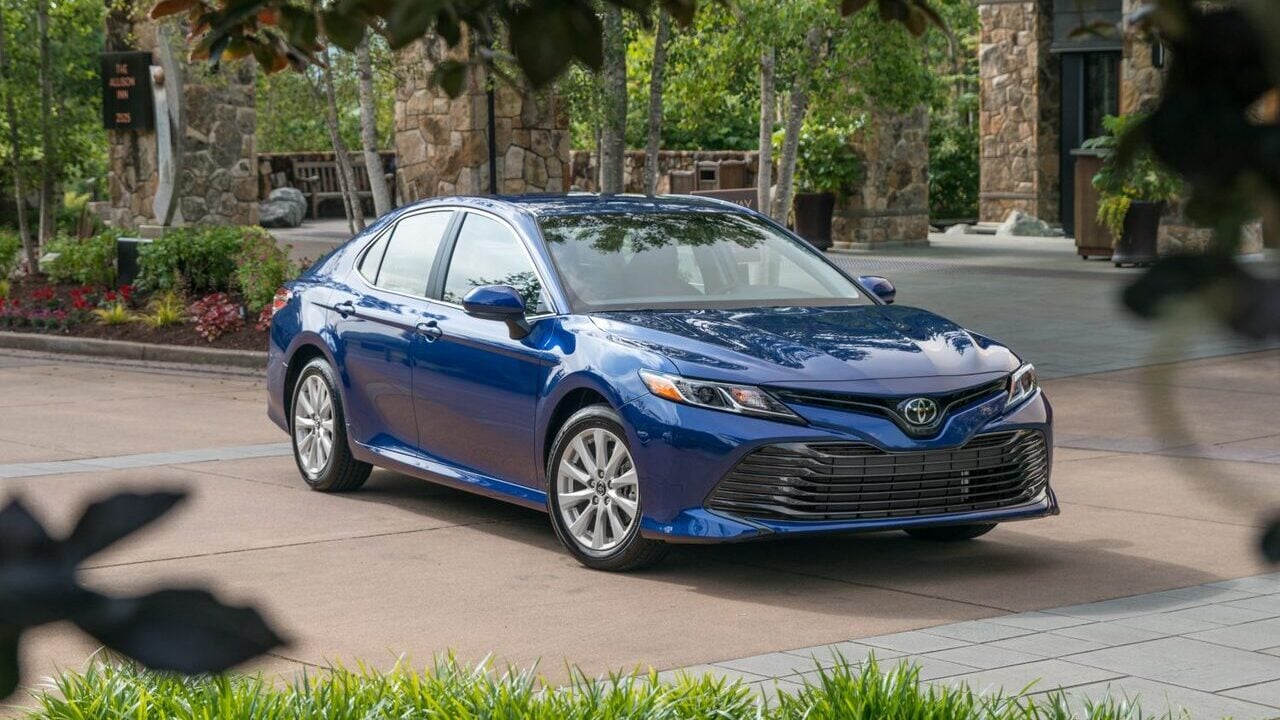
Leasing a car usually comes with one simple rule: don’t drive too much. Most agreements cap annual mileage at around 10,000 to 15,000 miles, with penalties waiting if you go over. For most people, that’s more than enough.
That said, every now and then, someone completely ignores the rulebook. According to The Drive, one Toyota Camry lease holder completely obliterated that mileage limit, and by the time the car was returned, the odometer told a story that almost doesn’t make sense.
We’re talking about 223,000 miles in just three years. That’s not a typo, and it’s not a cross-country road trip gone wrong. It’s the kind of number you’d expect from a high-mileage taxi or a decade-old commuter, not a relatively new leased sedan.
What makes this even more interesting is how it all ended. Despite the insane mileage and what should have been massive penalties, the driver didn’t walk away empty-handed or financially ruined. In fact, they managed to navigate the situation surprisingly well.
223,000 Miles In Three Years Is Wild
To put that number into perspective, this driver averaged over 75,000 miles per year, or more than 200 miles every single day, without fail. Even for someone who drives for a living, that’s an extreme workload.
Within the first month alone, the Camry had already covered over 5,000 miles. Just days later, it hit 10,000 miles and was already due for its first major service. From there, the pace never slowed down.
At that rate, the car was essentially living on the road and being pushed harder than most vehicles ever will be.
It Was Likely Used For Rideshare

The most logical explanation is rideshare driving, and that’s exactly what the dealership confirmed. The previous owner used the Camry for platforms like Uber and Lyft. That kind of usage can rack up miles quickly, especially with longer trips.
Still, even by rideshare standards, this is excessive, as most drivers struggle to hit 100 miles per day consistently, especially in smaller cities. This driver somehow doubled that average over a sustained period.
That suggests a very specific type of use case. Either they were targeting long-distance fares, or they were operating in areas where extended trips were more common.
The Car Surprisingly Held Up Well
Here’s where things get even more impressive. Despite the brutal mileage, the Camry didn’t come back completely destroyed. In fact, reports suggest it was in surprisingly good condition.
The interior, including the driver’s seat, showed minimal wear. That’s almost unbelievable given the amount of time someone must have spent behind the wheel. Either the driver was incredibly careful, or the cleaning team deserves a raise.
Externally, the only notable damage was a minor scuff from an early sideswipe incident. For a car that lived most of its life on the road, that’s nothing short of remarkable.
Toyota Reliability Strikes Again
Stories like this reinforce Toyota’s reputation for durability. The Camry has long been known as one of the most reliable sedans on the market, but 223,000 miles in three years takes that reputation to another level.
The car wasn’t babied or used occasionally; it was worked hard every single day, and yet, it kept going without major visible issues.
That’s exactly why vehicles like the Camry are so popular in high-mileage roles. When your income depends on your car running reliably, you don’t take chances.
The Financial Side Could Have Been Brutal

Now let’s talk about the cost, which is obviously the part most people are wondering about. Lease agreements typically charge around $0.20 to $0.30 per mile over the limit. With over 160,000 excess miles, the penalties could have been massive.
By rough estimates, that could easily add up to $40,000 or more in extra charges, which is more than the price of a brand-new Camry. For most people, that kind of bill would be a financial disaster.
However, this driver didn’t go down that route. Instead of simply returning the car and paying penalties, they chose a different strategy.
The Buyout Loophole
At the end of most leases, there’s an option to buy the car at a predetermined price. That price doesn’t change based on mileage, which is key here. No matter how much you drive, the buyout figure stays the same.
That’s exactly what this driver did. They bought out the Camry at the end of the lease and then sold it back to the dealership. In this case, they only had to pay a relatively small difference, around $3,000, to close the deal.
Compared to a potential $40,000 penalty, that’s a massive win. It’s a perfect example of understanding how lease agreements actually work.
What This Story Really Shows
On the surface, this is a crazy story about extreme mileage, but underneath that, it highlights two important things: how durable modern cars can be, and how lease structures can be navigated if you know what you’re doing.
Most people will never come close to putting this kind of mileage on a car, let alone a leased one. Still, it’s a reminder that the rules aren’t always as rigid as they seem. There are options if you understand the system.
At the same time, don’t take this as encouragement to try it yourself. This situation worked out, but it could have easily gone the other way. For a car as tame as the Camry, this is a pretty wild story.