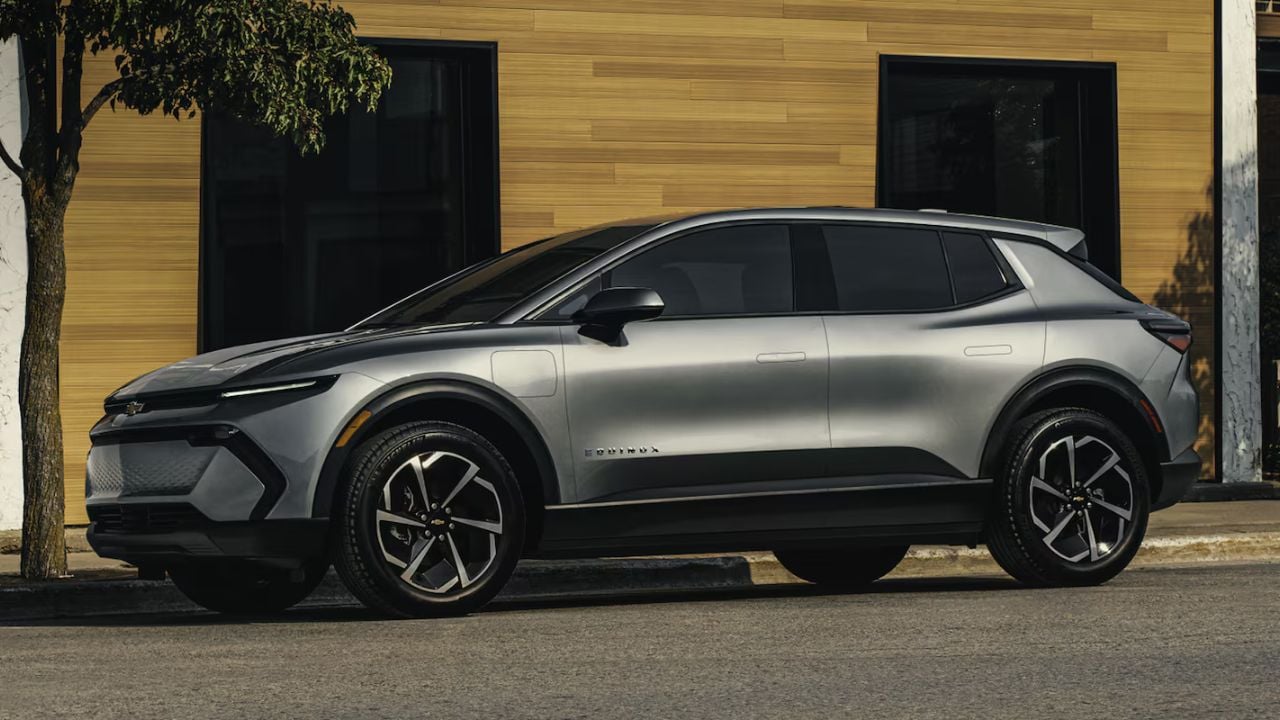
General Motors has released a service bulletin this month that states that the brake system control module on the Chevrolet Equinox EV may require an update due to an issue.
The issue could reportedly increase the risk of an incident, since it impacts the braking performance of the Equinox EV.
Chevy Equinox EV models produced between 2025 and 2026 are said to have been affected by the problem, but the exact number of vehicles impacted is not known yet.
The service update is not being considered as a recall. The bulletin will remain active until May 31, 2026.
Chevy Equinox EV Fix Involves a Software Update
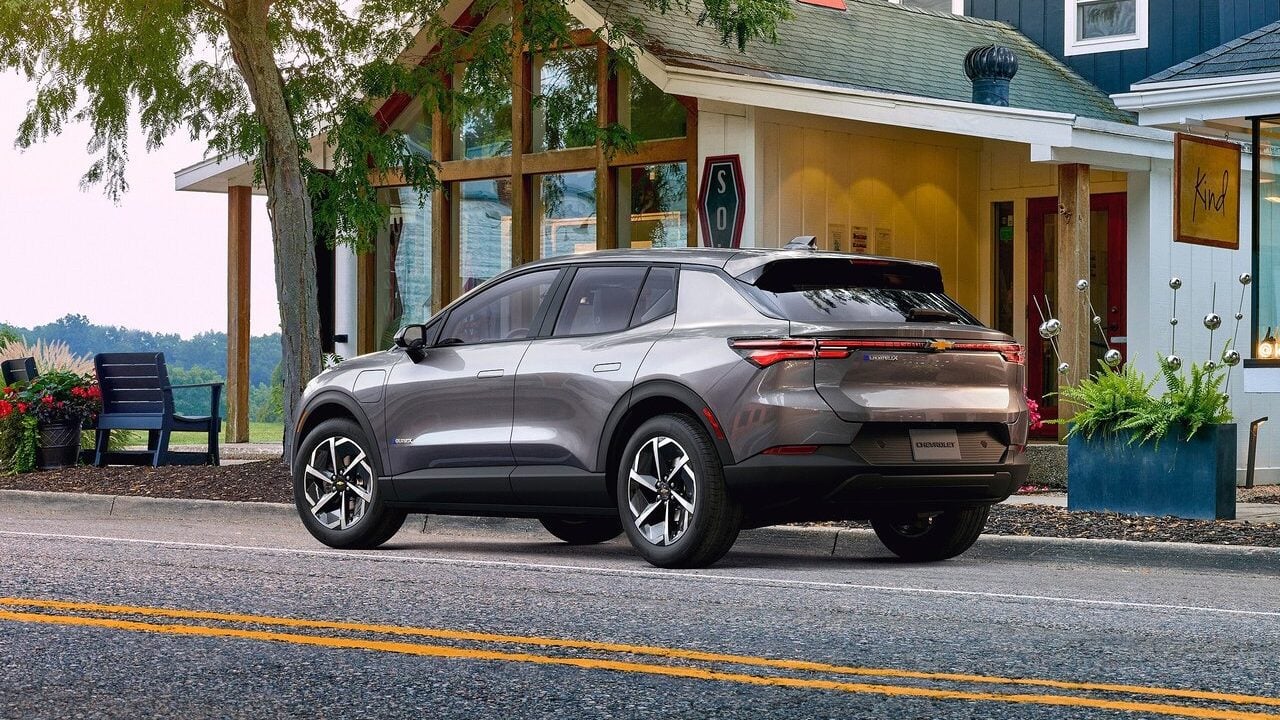
According to a report by GM Authority, Service Update N252528241 states that affected units of the Chevy Equinox EV “exhibit a condition that impacts vehicle braking performance under specific conditions.”
The bulletin confirms that users with affected vehicles may experience reduced braking performance during low-speed ABS braking, especially when driving from smooth to rough roads.
GM states that it has ruled out any mechanical defect that causes this problem, linking it to the brake system control module software. Fortunately, Chevy Equinox owners affected by the issue will not have to visit the dealership to have it solved.
Chevy Equinox EV Owners Could Receive an OTA Update
GM’s fix aims to recalibrate the brake control module to bring consistency in braking performance. Many owners could receive the updated software through an over-the-air (OTA) update.
Dealers have also been instructed to reprogram the brake system control module with updated software for customers who choose to get the issue fixed at a GM dealership.
GM has asked its dealers to thoroughly check a vehicle’s eligibility using the Global Warranty Management system before performing any work.
Customers could expect to spend less than half an hour to have the software updated on their Chevy Equinox EVs at the dealership, since the fix does not require physical components to be repaired or replaced.
For GM, this fix appears to be cost-effective since the company won’t have to bear additional costs to replace parts, or else it might have been termed a recall.
The same can’t be said for its rival, Ford, which recently recalled over 170,000 vehicles for a front seat defect that increases the risk of an accident.
Ford Recalls 179,698 Vehicles for Front Seat Problem
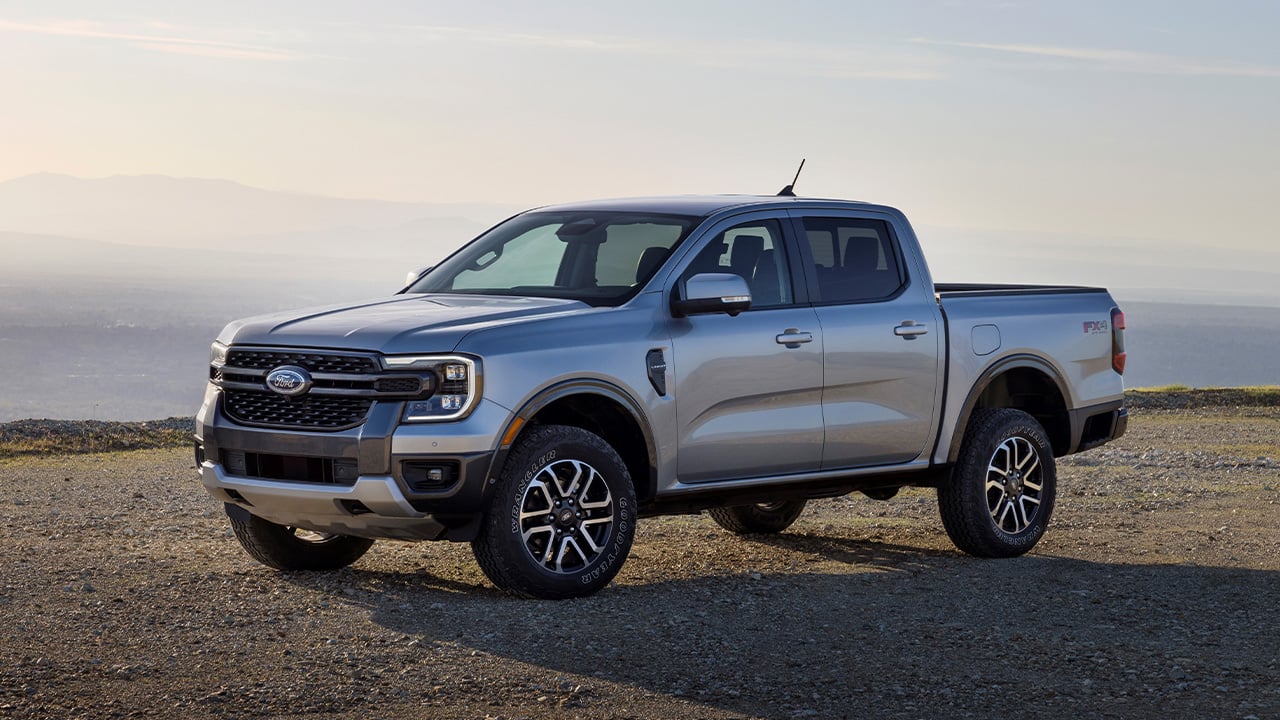
Ford has recalled 179,698 vehicles, including 2024-2026 Ranger models and 2024-2026 Bronco models, due to a problem with the height adjustment pivot bolts that may become loose, causing one or both front seats to dislodge.
Guessing Headlights reported that in case a seat frame height-adjust pivot bolt comes off the pivot joint, it could increase the risk of injury during a crash. The root cause of the problem has been traced back to a check conducted by the supplier. The report stated:
“The seat structure assembly supplier initiated a process to check the torque of the front seat frame height adjustment pivot bolts. This action inadvertently disrupted the curing of the adhesive patch on the threaded fastener, which can allow a pivot bolt to loosen over time and eventually dislodge.”
Ford Bronco and Ford Ranger owners whose vehicles are included in the recall are advised to look out for squeaks, looseness, or rattles. As a remedy, owners will be notified by mail to visit a Ford or Lincoln dealer, where both front seats will be removed to “inspect the seat cushion height-adjust link pivot bolts per technical instructions.”
The height-adjust link and pivot bolts will be replaced if any of them fail inspection. Customers will not be charged for the service.