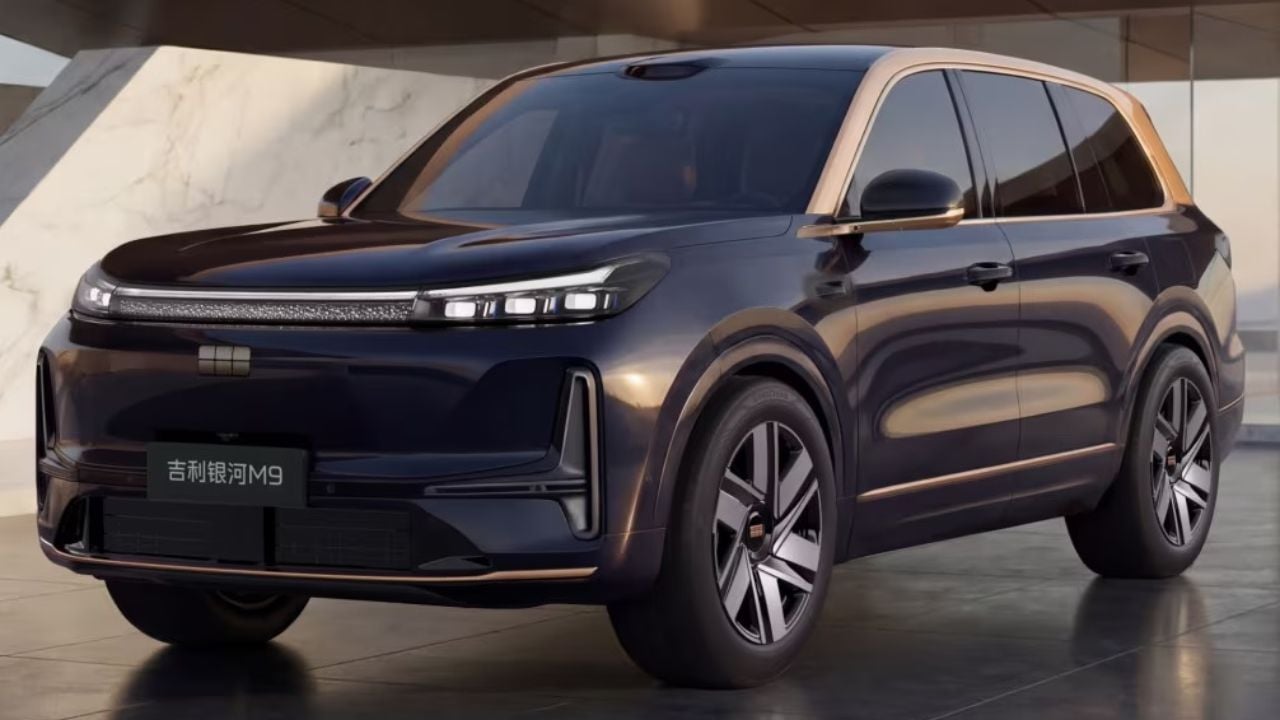
In the quiet corners of the global auto industry, where major decisions are often made far from public view, a potential shift is beginning to take shape. It could eventually change the balance of power in the U.S. market.
At the center of that shift is Geely and its increasingly open strategy toward the United States.
Although company executive Victor Yang recently remained cautious when discussing specific plans, the tone from the top of the group no longer sounds the same. Håkan Samuelsson, his colleague at Volvo, which is part of Geely’s larger empire, has clearly suggested that producing China-developed vehicles on American soil is no longer a taboo subject.
South Carolina Could Become The Key
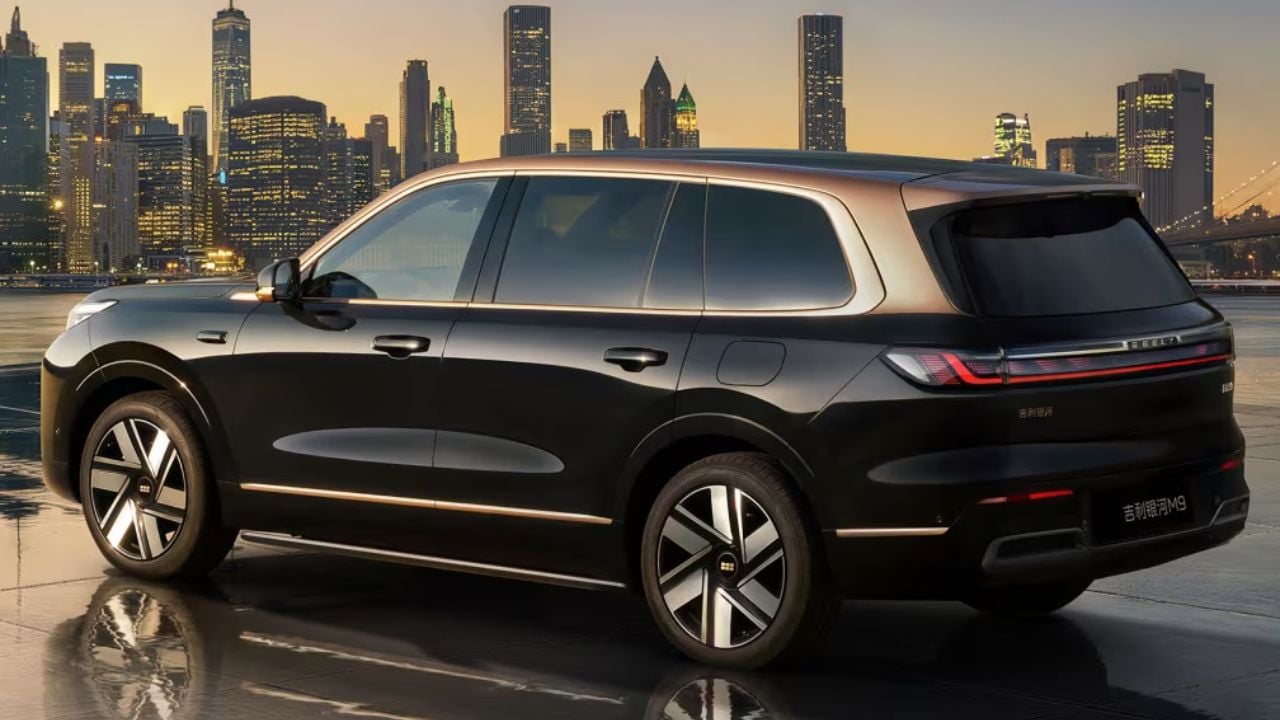
The key to this possible change lies in Volvo’s plant in South Carolina. The facility is operated by Volvo, which is part of the Geely group, and already builds models such as the Volvo EX90, along with vehicles for Polestar.
However, the plant’s capacity is not fully used, and that is exactly where Geely may see an opportunity.
Bringing China developed vehicles to the U.S. through local production could offer a way around the high tariff rates that apply to direct imports from China, which can exceed 100%.
That would not be only a financial tactic. It would be a strategic move that could allow Chinese technology to enter one of the world’s most protected auto markets, but under a domestic manufacturing label.
Affordable Technology Could Be The Real Threat
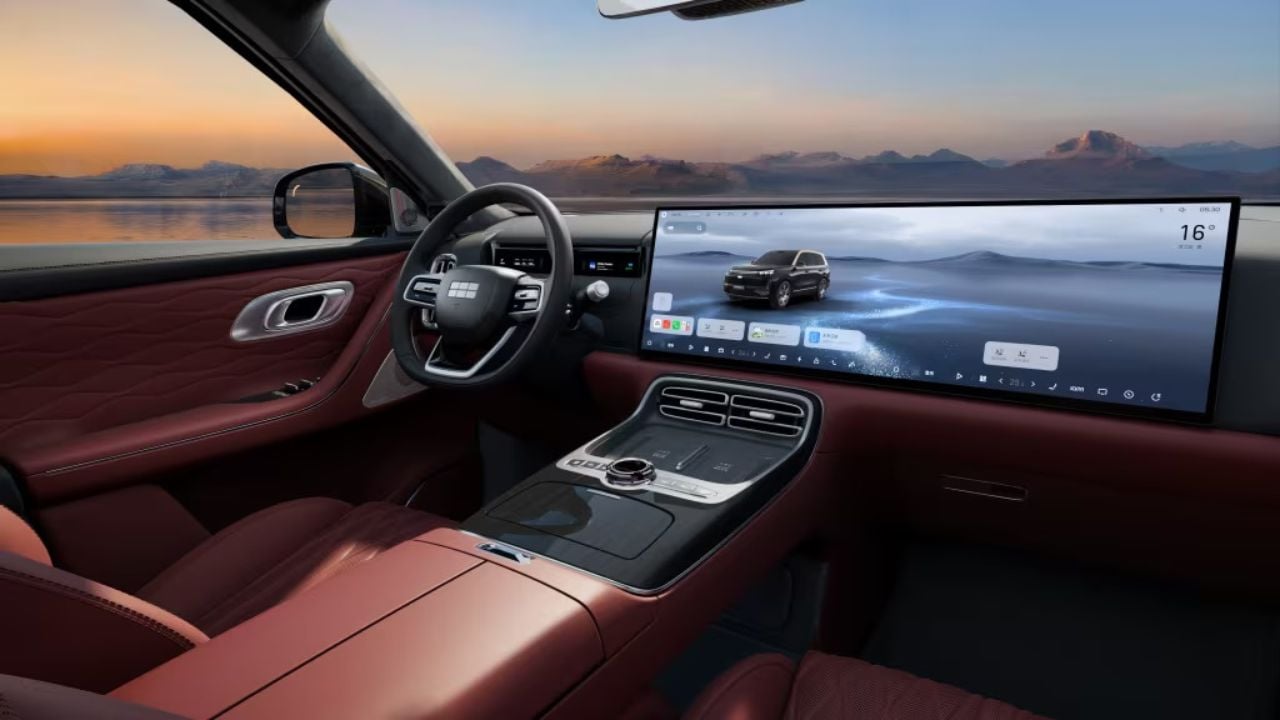
These would not necessarily be low-end vehicles, as many might assume. Geely now builds hybrids that use about 59 mpg, with prices around $16,000 in its home market.
That combination of efficiency and affordability is exactly what the U.S. market currently lacks: a car that does not force buyers to choose between technology and price.
For American consumers, that could be a powerful formula. New vehicles have become increasingly expensive, and many buyers are looking for practical, efficient models that still feel modern.
If Geely could preserve even part of that value advantage after local production costs, regulatory requirements, and distribution expenses, it could put serious pressure on established brands.
Political Resistance Remains Strong
Still, turning this idea into reality will be far from simple. Political resistance remains strong.
Ford CEO Jim Farley has publicly expressed concern about the potential arrival of Chinese vehicles, warning about risks to the domestic economy. Ford and other Western automakers are under pressure to remain competitive in a world where China is increasingly setting the pace of innovation.
Regulatory challenges make the picture even more complicated. Even if production moves to the United States, questions involving software, data security, and the origin of components would remain under close government scrutiny.
Proposed laws that could fully restrict Chinese vehicles still hang over the industry like a shadow.
Younger Buyers May Be More Open

The market, however, has its own logic. Studies show that nearly 69% of Generation Z buyers are open to purchasing Chinese cars, driven mainly by the relationship between price and value.
That is a signal automakers cannot ignore. This generation is becoming a new foundation of demand, and its priorities are often different from those of older buyers.
Brand heritage still matters, but affordability, technology, efficiency, and digital features may matter even more. That creates an opening for companies that can offer modern vehicles at prices traditional automakers struggle to match.
The Final Test Will Be The Market
In that context, the question is no longer simply whether Geely will find a way into the U.S. market. The bigger question is when and how.
If it happens through factories such as the Volvo plant in South Carolina, it would create a new formula: Chinese engineering combined with American production. That combination could redefine the rules of the game.
The final test, however, will not be political. It will be decided by the market.
Once those vehicles reach American roads, they will have to prove that they can keep their most important advantage: disruptive pricing, even after all added costs and restrictions. In the auto industry, as in every other business, innovation matters. But in the end, price is often what wins.
This article originally appeared on Autorepublika.com and has been republished with permission by Guessing Headlights. AI-assisted translation was used, followed by human editing and review.