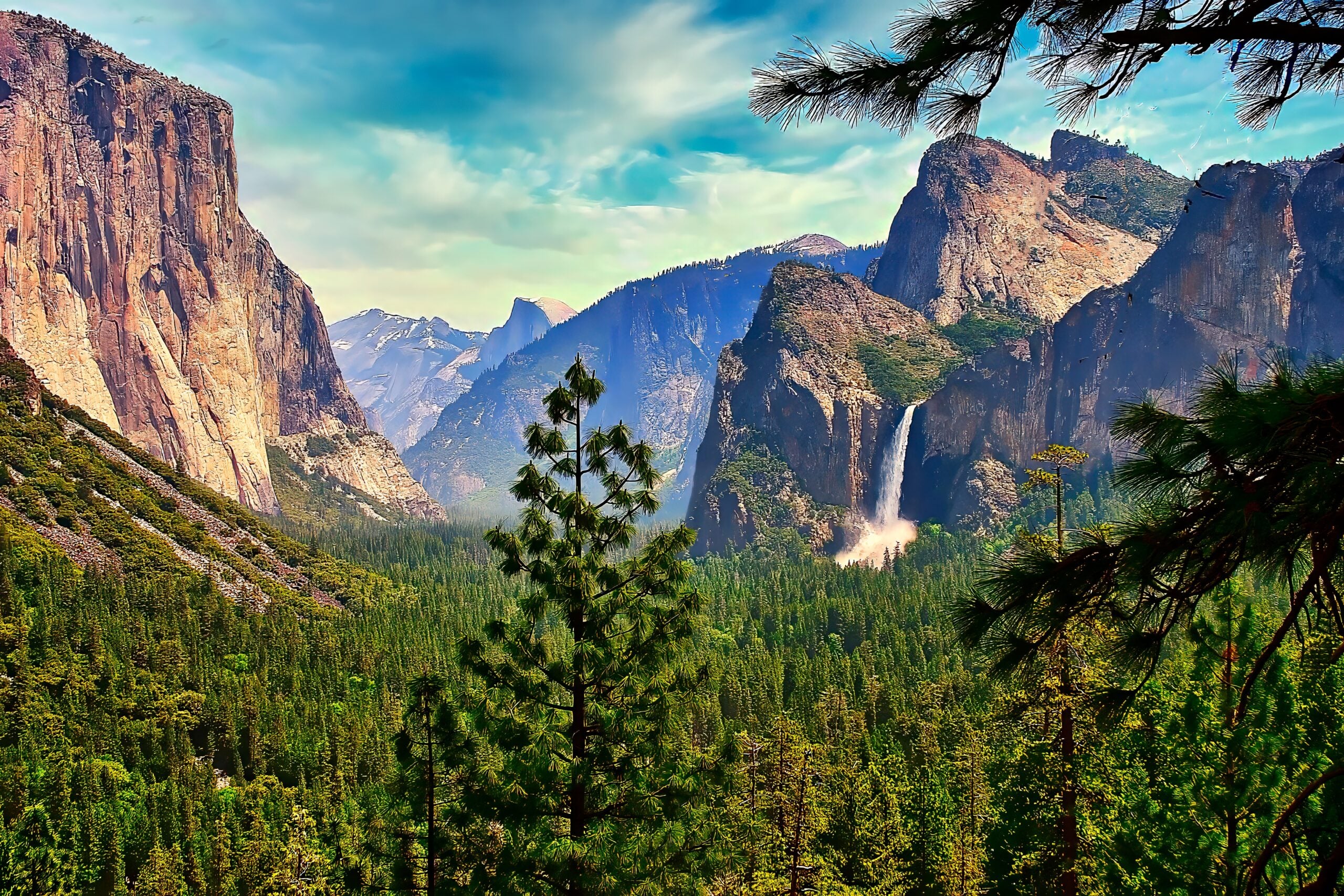
America’s tallest waterfalls can feel almost theatrical. One hangs like a white thread against granite, another drops through tropical greenery, and another pours beside a bridge so famous it almost looks staged. For a list like this, the smarter lane is not chasing every remote cliff stream on a pure height chart. It is focusing on towering waterfalls travelers can realistically enjoy from official viewpoints, marked paths, or straightforward roadside stops. Height still matters, but accessibility matters too if the goal is helping people choose places they can actually visit.
That is what gives this lineup real trip value. These waterfalls are not just impressive on paper. They are also places ordinary travelers can work into a park day, a road trip, or a wider vacation without turning the outing into a wilderness expedition. Some are strongest in spring, when runoff turns the whole landscape louder and more dramatic. Others stay photogenic through the year and keep earning their reputation long after snowmelt fades. Either way, these are the big waterfall stops that deliver both scale and a realistic payoff.
1. Yosemite Falls, California
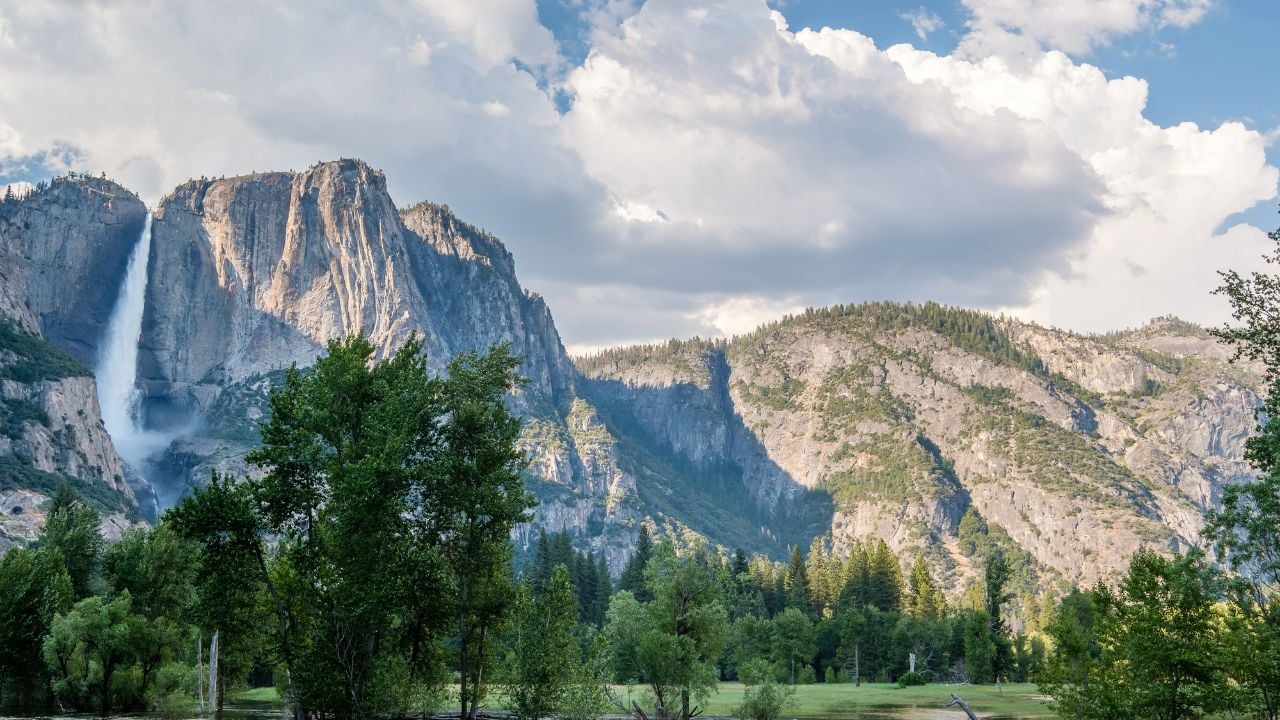
Yosemite Falls is the headliner for a reason. The National Park Service lists its total drop at 2,425 feet and explains that the waterfall is made up of Upper Yosemite Fall, the middle cascades, and Lower Yosemite Fall. The same official guide says it usually flows from about November through July, with peak runoff in May, which is when the whole scene feels especially thunderous. On a strong spring day, the scale can look almost unreal from the valley floor.
Another reason this pick works so well is that travelers do not need to be elite hikers to appreciate it. The park points visitors to a one-mile loop trail to the base of Lower Yosemite Fall, with the eastern side of the loop wheelchair accessible, while it also notes that reaching the top is a strenuous all-day hike. That range makes Yosemite Falls easy to recommend to almost anyone, from first-time national park visitors to people who actively want a harder climb.
2. Ribbon Fall, California
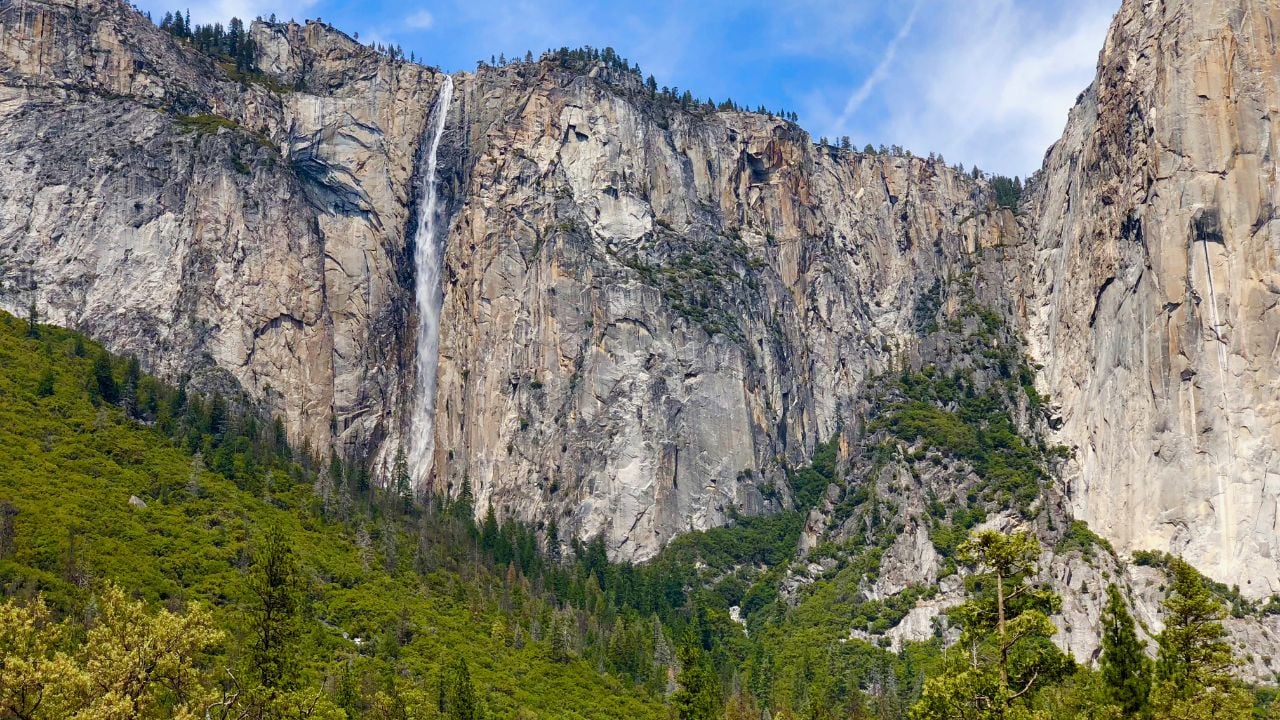
Ribbon Fall does not always get the same instant fame, but it absolutely belongs in a list like this. Yosemite’s official waterfall guide lists it at 1,612 feet, which makes it one of the most visually striking tall falls most travelers can add to a U.S. trip without needing a backcountry plan. The park says it usually flows from March through June, with peak flow in May, so this is a waterfall that rewards good timing.
Part of the appeal is how satisfying the payoff feels compared with the effort required. Yosemite says Ribbon Fall can be seen from the road as you drive into Yosemite Valley, just beyond the turn for Bridalveil Fall, with parking available in turnouts. That means the view feels grand without requiring a punishing hike. It is one of those classic park moments where something enormous appears almost casually, as if the landscape were showing off.
3. Multnomah Falls, Oregon
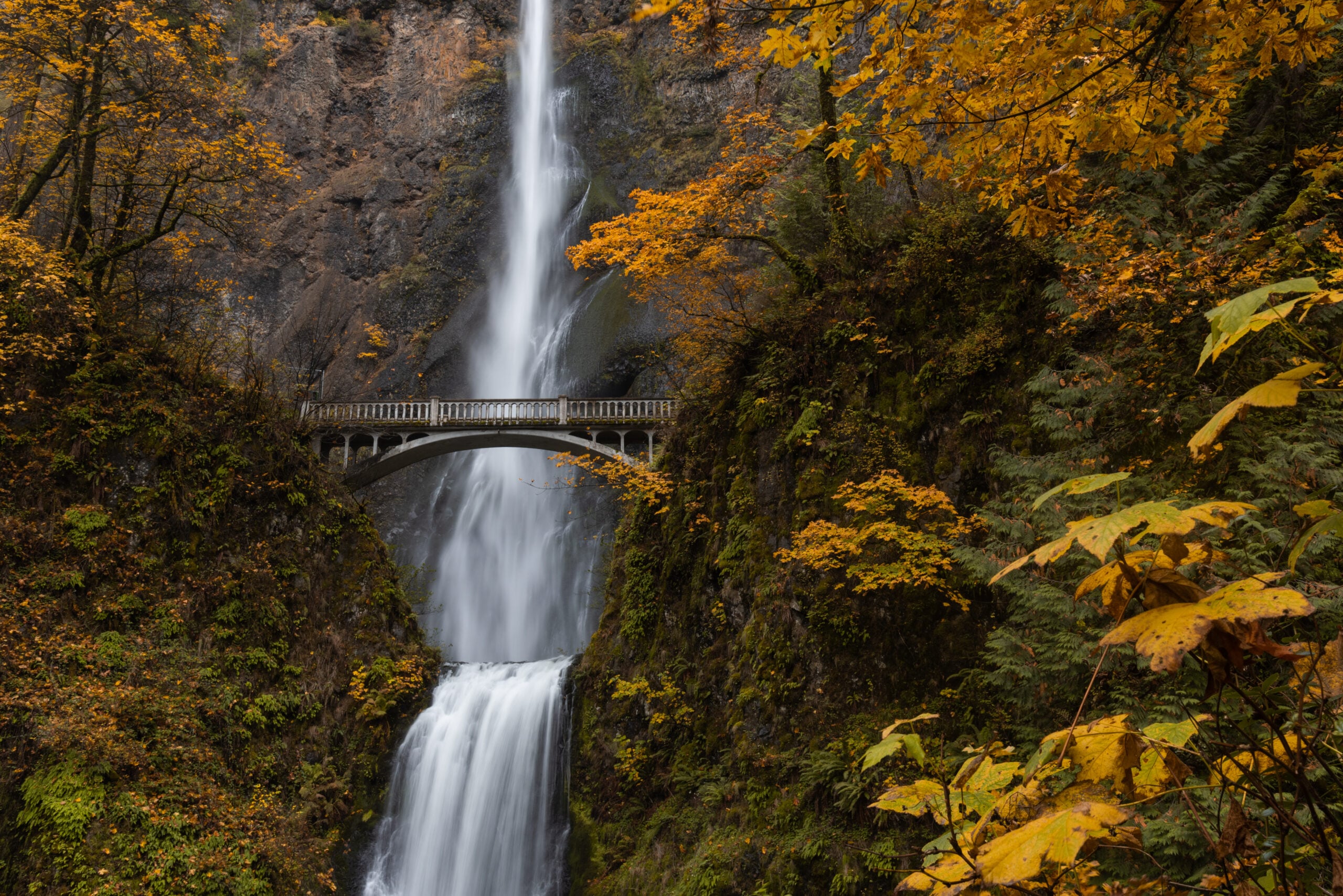
Multnomah Falls has a different kind of charisma. At 620 feet, it is nowhere near Yosemite’s giant numbers, but the U.S. Forest Service still calls it one of the tallest year-round waterfalls in the United States. It says the falls are fed by underground springs from nearby Larch Mountain and usually run highest in winter and spring. That consistency is a major advantage for travelers who want a high-impact waterfall stop without building the whole trip around a short runoff window.
It also has one of the most instantly recognizable silhouettes in American waterfall travel. The Forest Service says more than two million visitors stop by each year to see the falls, which helps explain why Multnomah has become such a Columbia River Gorge icon. The famous bridge cutting across the scene gives the whole stop a postcard quality, but the setting still feels genuinely dramatic rather than overly manicured.
4. ʻAkaka Falls, Hawaiʻi
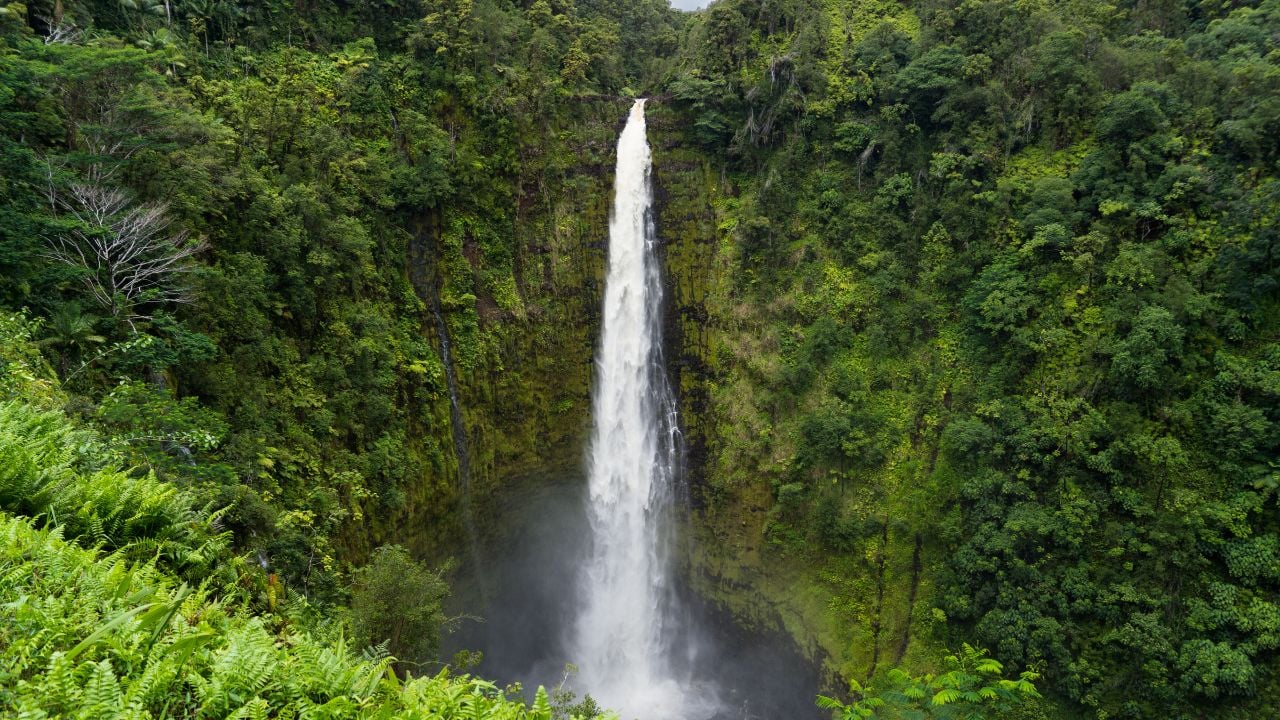
ʻAkaka Falls feels as if it belongs to a completely different waterfall vocabulary. Hawaiʻi state park guidance says the waterfall plunges 442 feet into a stream-eroded gorge, and the tropical setting gives the whole stop a softer, greener mood than the granite drama of California. The height is impressive on its own, but the surrounding vegetation is what really seals the memory.
This is also one of the easiest tall waterfalls to recommend to casual travelers, which matters in a list meant for real trip planning. The state describes a 0.4-mile loop footpath through lush vegetation with views of both Kahuna Falls and ʻAkaka Falls, while Hawaiʻi’s official tourism site says the paved hike takes visitors through rainforest scenery and is easily folded into a Big Island outing. In practical terms, the reward is dramatic without demanding a grueling hike.
5. Whitewater Falls, North Carolina
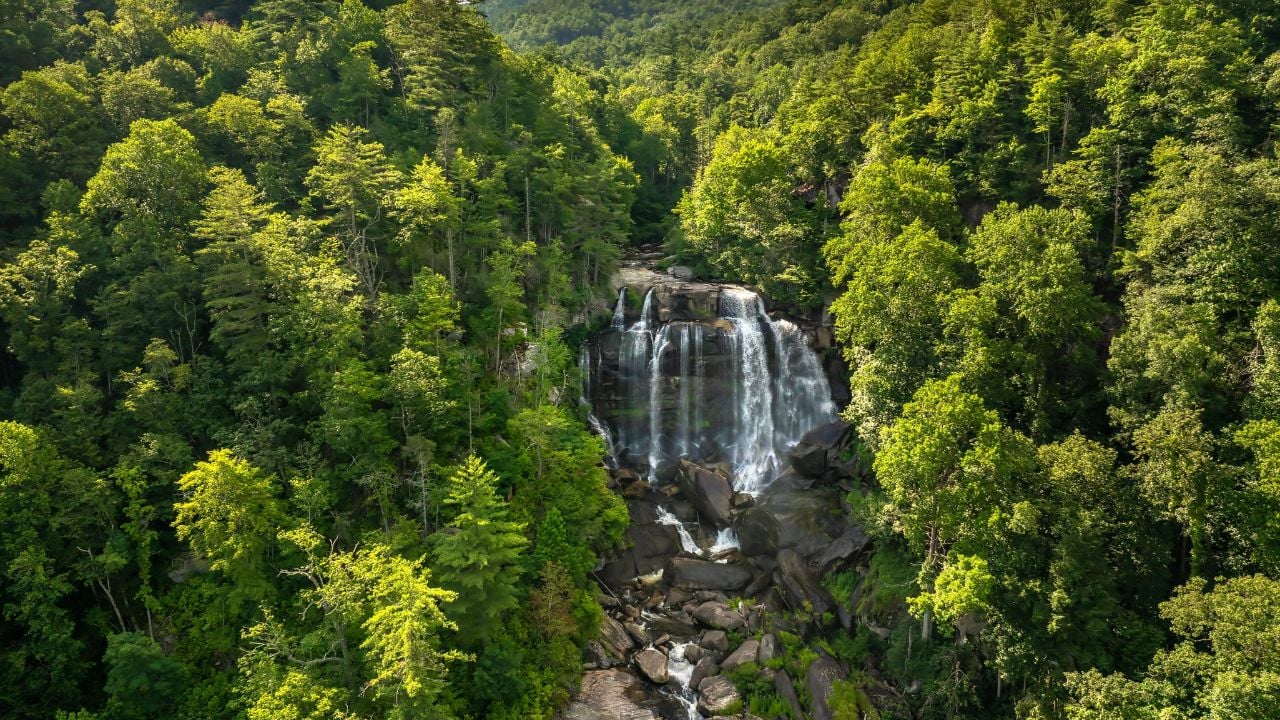
Whitewater Falls brings the Southeast into the conversation with real authority. The U.S. Forest Service says Upper Whitewater Falls drops 411 feet in North Carolina, while Lower Whitewater Falls falls another 400 feet in South Carolina. Its official site also describes Upper Whitewater Falls as the highest waterfall east of the Rockies. That alone gives the area instant stature and helps rebalance the idea that America’s biggest waterfall drama belongs only to the West.
It is also a strong pick because the views come without forcing everyone into a backcountry mission. Recreation.gov says a paved walkway leads to the upper overlook, while a lower overlook sits at the bottom of 154 wooden steps, and the Forest Service lists the area as open year-round. That combination makes it much easier to recommend to a broad audience. The scale is real, but the logistics stay friendly enough for an ordinary trip.