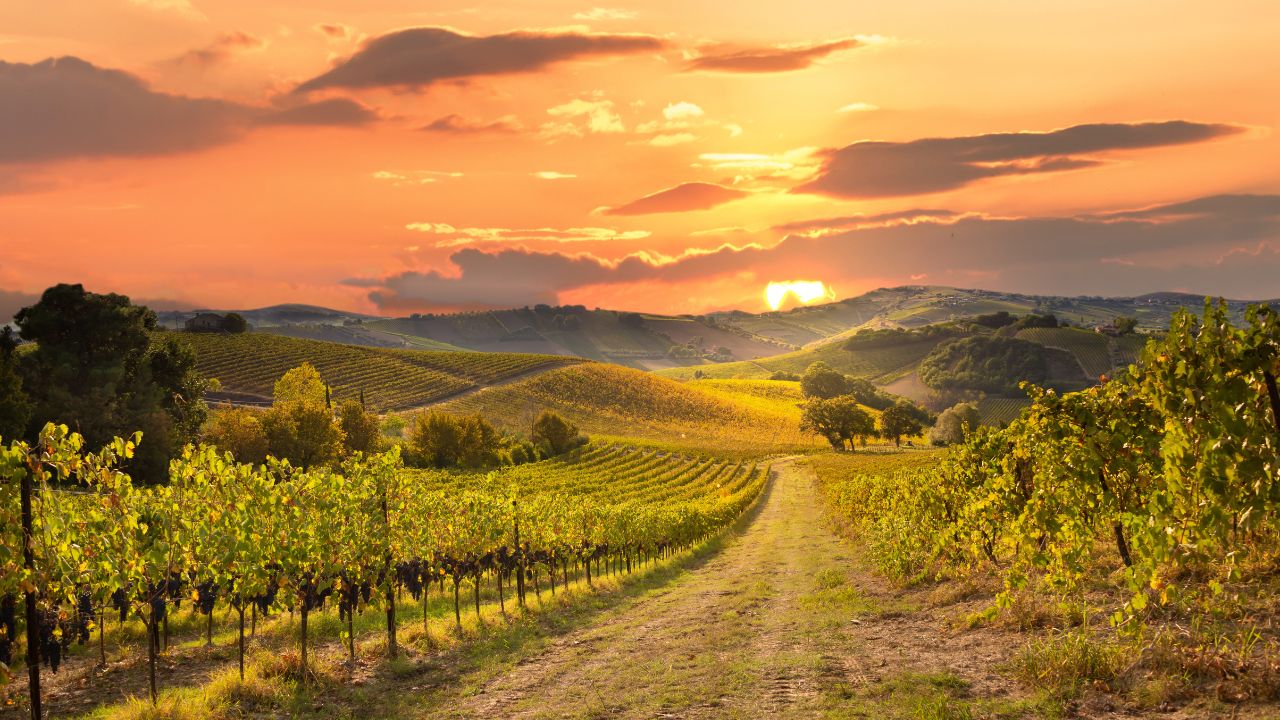
Some California getaways arrive with a huge reputation before you even book the room. Santa Maria Valley works differently. Its appeal comes from the way several strong experiences sit close together, including tasting rooms, a deeply rooted regional food tradition, and coastal scenery that feels wilder than many first-time visitors expect. Official local wine materials note that the Santa Maria Valley AVA includes 7,500 vineyard acres, while the Foxen Canyon Wine Trail links some of the region’s best-known tasting stops.
That combination makes the destination easy to enjoy without turning the weekend into a scheduling contest. Santa Maria Valley’s official site says the AVA can be explored with 34 tasting rooms within a 30-minute drive, and its Guadalupe-Nipomo Dunes page says the dunes are just 12 minutes from Santa Maria. In practical terms, one day can hold a vineyard stop, a long coastal walk, and a memorable dinner without much time lost in the car.
1. The Wine Scene Feels Serious Without Feeling Stiff
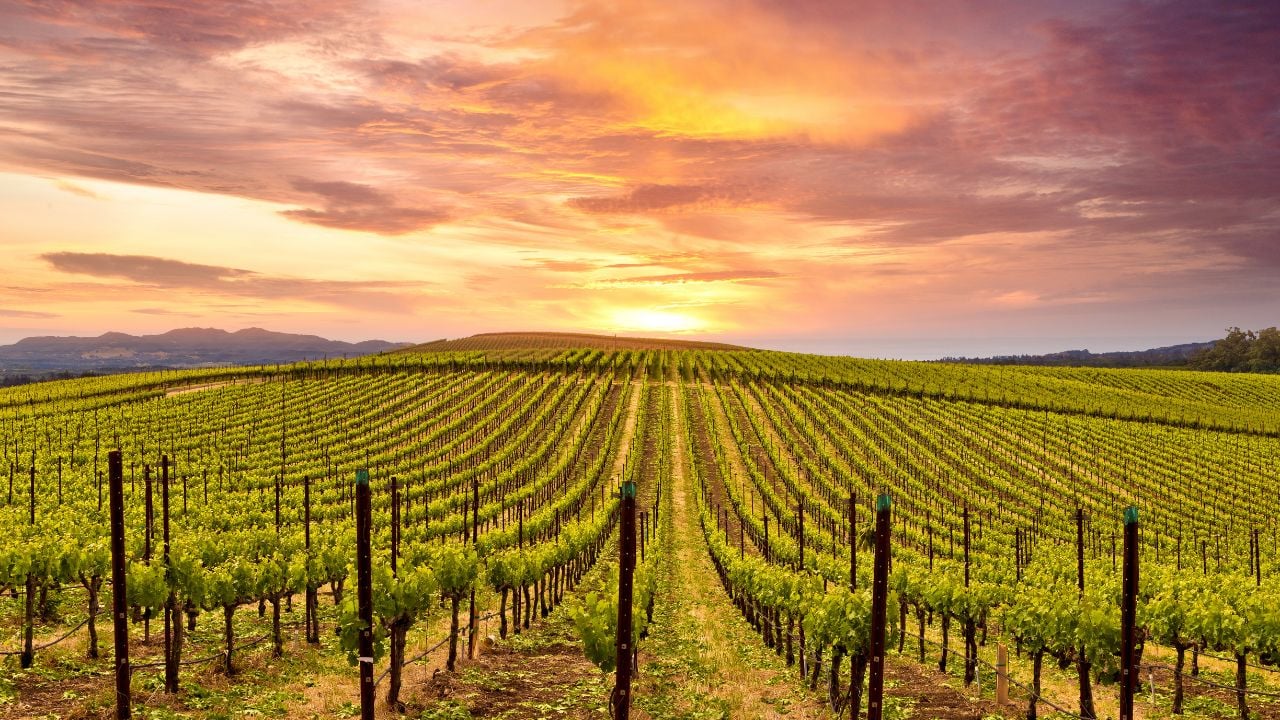
Set at the northern edge of Santa Barbara County, Santa Maria Valley was the first officially approved AVA in the county and the first on the Central Coast. Santa Barbara County Vintners describes it as a region shaped by extremely complex soil conditions, diverse microclimates, and strong ocean influence, while Santa Maria Valley’s AVA page highlights the valley’s east-west orientation, which channels cool ocean air inland and helps create one of California’s longest growing seasons. That geography is a big reason the wines here have such a loyal following.
Pinot Noir and Chardonnay remain the best-known signatures, with Syrah and Pinot Blanc also singled out as strong performers by Santa Barbara County’s wine community. Santa Maria Valley’s official site says there are 34 tasting rooms within roughly half an hour, and the official Foxen Canyon Wine Trail site says the trail now represents 16 wineries and tasting rooms along Foxen Canyon Road. That means a visitor can build a relaxed afternoon around a few pours instead of turning the day into a full-scale wine-country campaign.
2. The Barbecue Tradition Gives the Place a Real Identity
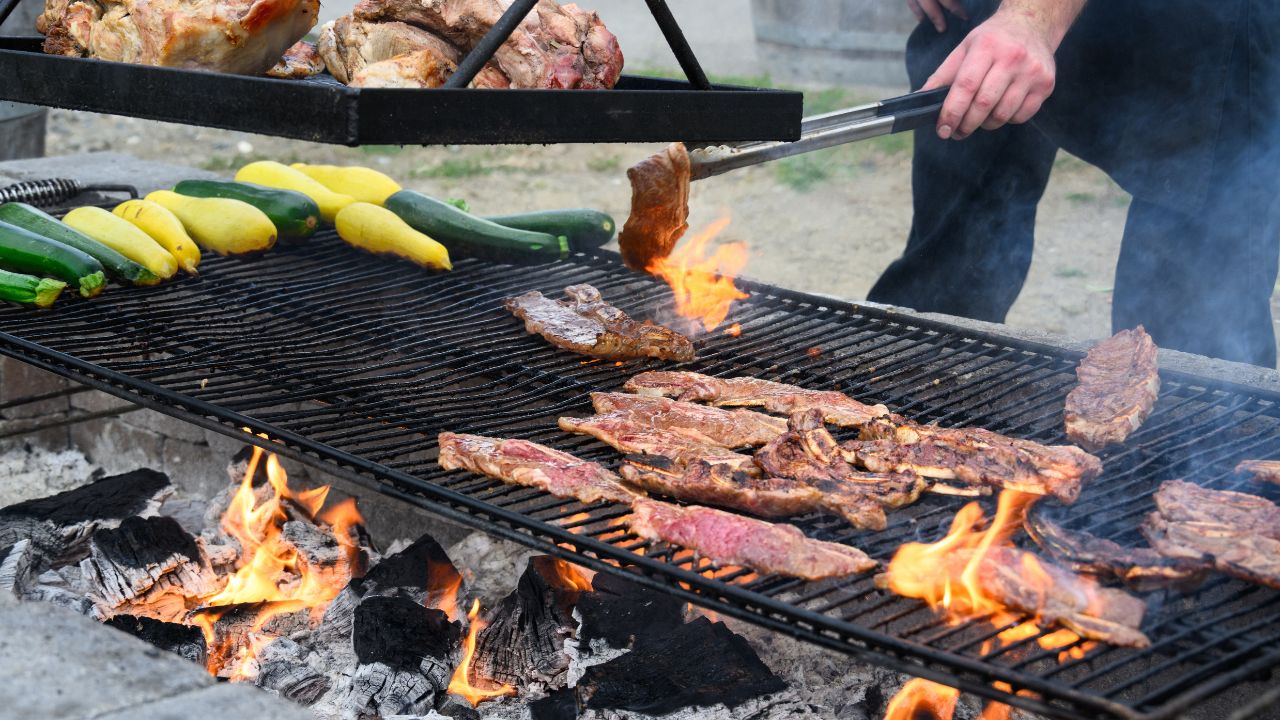
Plenty of destinations claim a signature dish, but Santa Maria-style barbecue has a real historical backbone. The Santa Maria Style Barbecue Association traces the tradition through early local barbecue culture, red oak coals, and the later rise of tri-tip as a defining cut. Visit California goes even further, calling Santa Maria Valley the only California locale with its own unique regional cuisine. That history gives dinner here a sense of place rather than a generic “local favorite” label.
The classic formula centers on beef cooked over red oak, with pinquito beans beside it as a defining companion. Visit California says the style is defined by the cut of beef, the open-flame red oak cooking method, and the traditional accompaniments. A meal here feels less like checking off a famous restaurant and more like stepping into a tradition people are still proud to keep alive.
3. The Nearby Landscape Changes the Mood of the Whole Trip

Head west and the scenery shifts fast. Santa Maria Valley tourism says the Guadalupe-Nipomo Dunes span 18 miles and 22,000 acres, and The Nature Conservancy describes them as the largest intact coastal dune ecosystem on Earth. The U.S. Fish and Wildlife Service says refuge lands in the area support more than 120 rare plant and animal species and offer space for hiking, wildlife viewing, and photography. That is not background scenery. It is the kind of landscape that can easily become the highlight of the day.
Oso Flaco Lake adds another reason to leave time for the outdoors. Santa Maria Valley’s attraction page describes it as a 75-acre freshwater lake with dirt trail sections, wooded stretches, and a boardwalk that makes the walk feel more atmospheric than a standard park loop. Practical planning matters here too: the wildlife refuge says public access is generally sunrise to sunset, and some beach areas close from early March through late September to protect western snowy plovers.
4. Local Life Is Part of the Charm
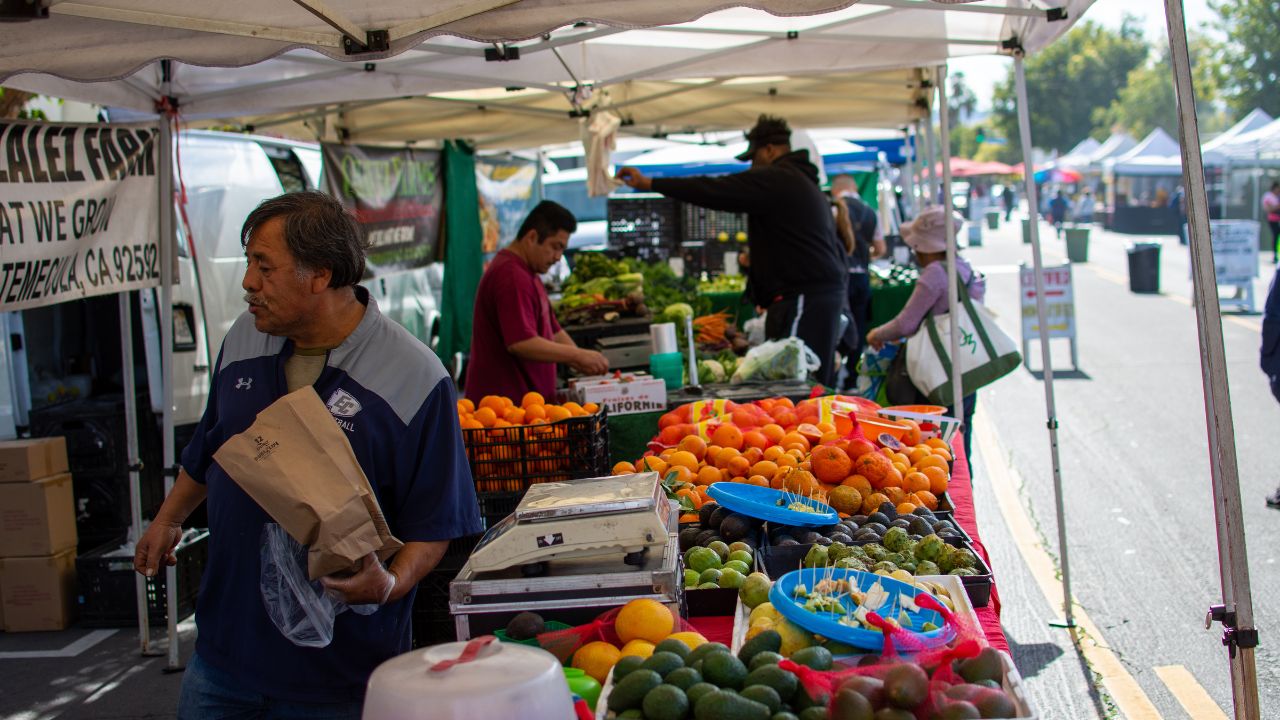
A destination gets more appealing when it gives you something to do between the headline attractions. Santa Maria Valley’s official Downtown Fridays page says the event features a certified farmers market, live music, food booths, food trucks, kids’ activities, and a beer and wine tent. That helps the city feel lived-in rather than staged.
Other market stops add to that easygoing texture. Santa Barbara County’s local farmers market guide lists the Santa Maria Farmers Market on Wednesdays from noon to 4 p.m. and the Orcutt Farmers Market on Tuesdays from 10 a.m. to 1 p.m. Stops like that give the region a grounded agricultural personality that pairs well with the better-known tasting rooms and barbecue spots.
5. You Can Fill a Full Weekend Here Without Forcing It

Food and scenery would already make a solid case, but Santa Maria Valley has enough range to round out a longer stay. The Santa Maria Museum of Flight attraction page says visitors can wander through two hangars filled with aircraft displays, memorabilia, models, and photographs that trace aviation history from the Wright Brothers through World War II to present-day technology. That gives families and curious travelers a worthwhile indoor stop when they want a break from tasting rooms or beach air.
Official tourism materials sum up the broader appeal well by pointing travelers toward wineries, barbecue, museums, dunes, and markets within the same general base. That is why Santa Maria Valley works so well for a relaxed escape. You can eat famously well, drink something interesting, spend time in open landscapes, and still have enough energy left to wander a market or museum afterward. For a Central Coast break with substance and very little pretense, it is easy to recommend.