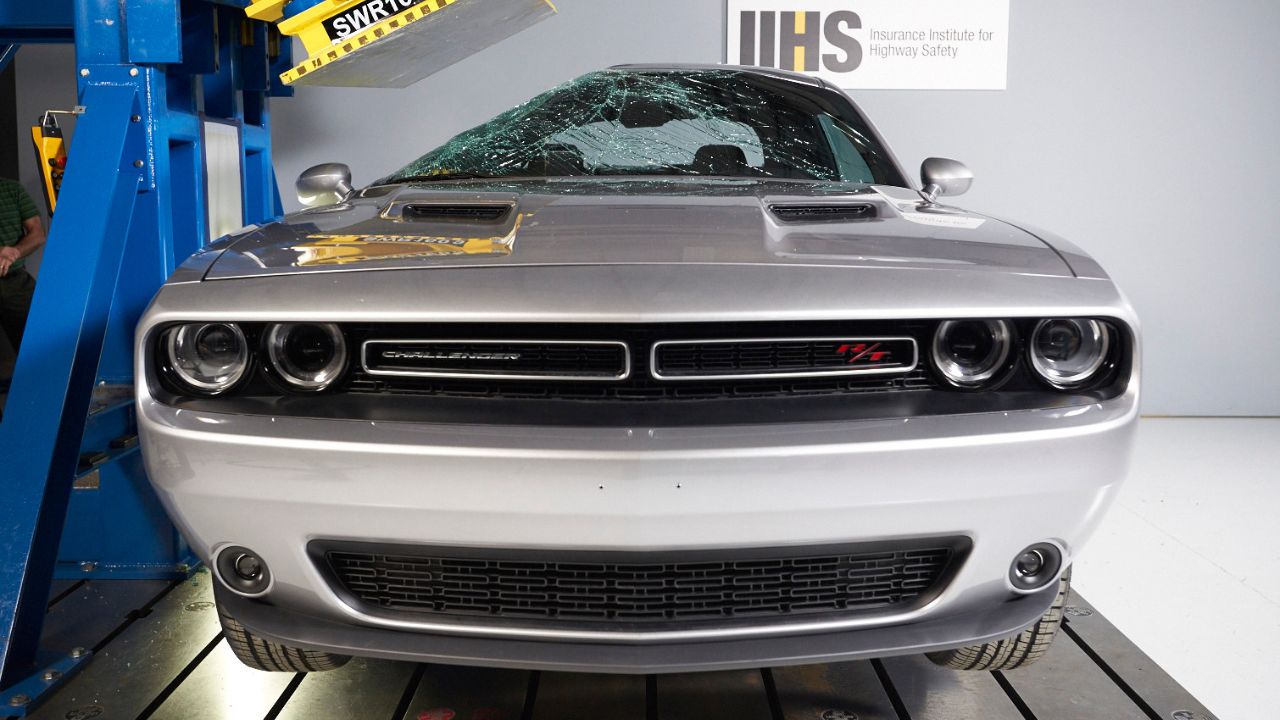

Detroit powerhouses like to brag about rugged builds, powerful engines, towing capacity, and how America runs on their trucks. They love to flash big numbers and muscle car heritage at auto shows, and every year they roll out glossy ads about “American safety standards” and “tough engineering.”
Yet in the latest round of crashworthiness testing by the Insurance Institute for Highway Safety (IIHS), not one Detroit brand earned the highest possible accolade, the Top Safety Pick+ award.
That glaring absence speaks volumes about where these brands are focusing their engineering dollars and energy, and it should make anyone who cares about safety ask some hard questions.
The Toughest Tests, Higher Standards
Every year the IIHS updates its tests to better reflect real‑world crashes. Recent revisions have made it harder to get the top award.
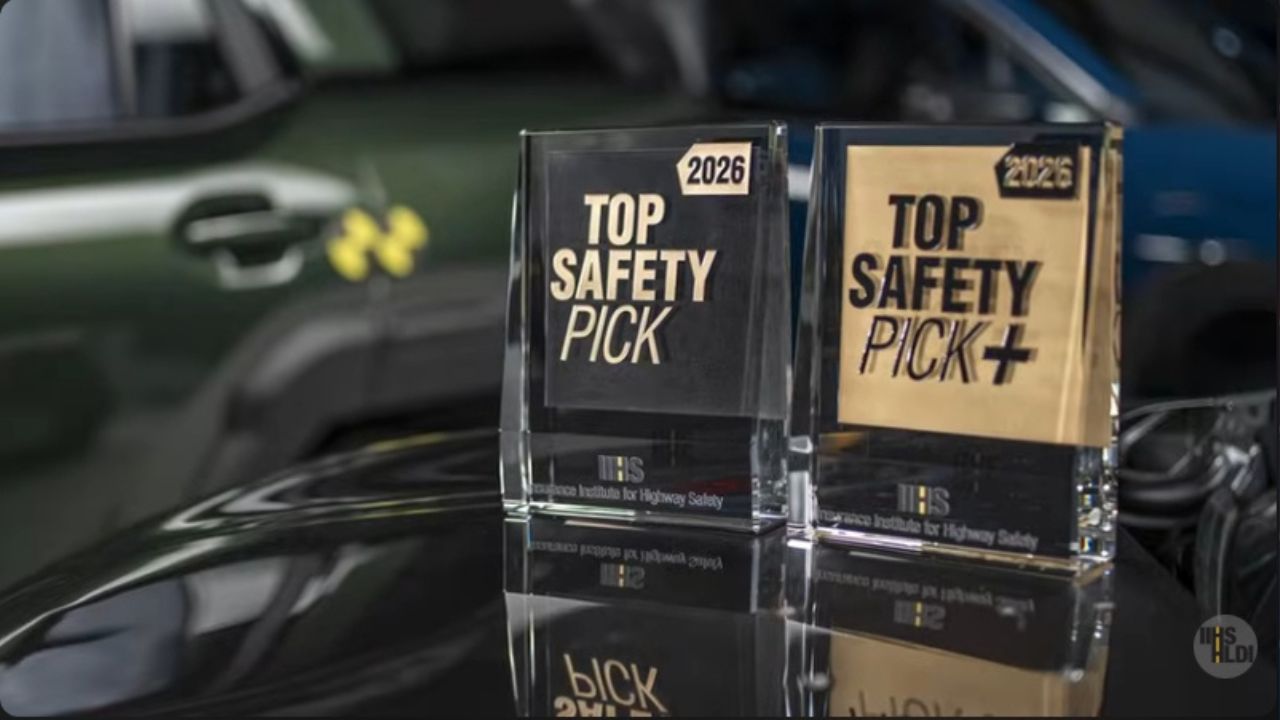
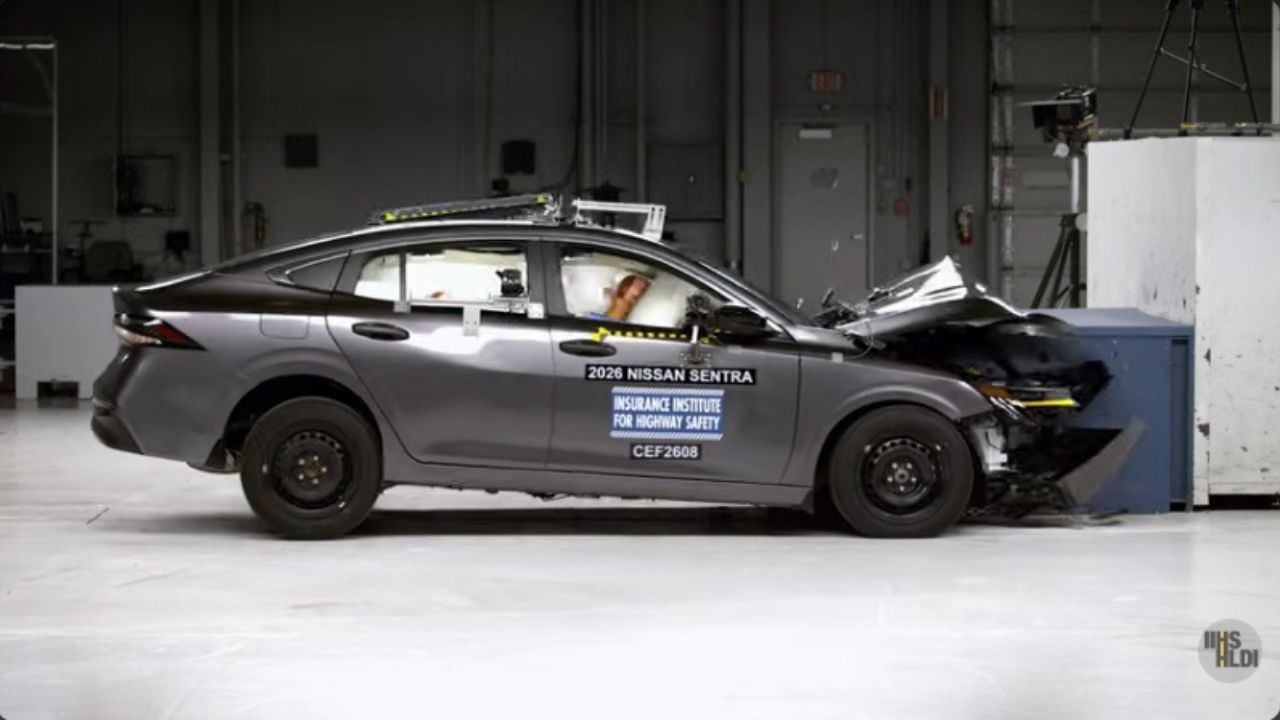
Cars and SUVs now must earn Good ratings across small overlap front, moderate overlap front, and side crash tests, and must demonstrate excellent pedestrian‑crash prevention and headlights performance.
That combination is no longer a luxury but a baseline expectation from safety advocates. Yet despite those advances, Detroit brands didn’t secure a single Safety Pick+ title. Even though some models picked up the less prestigious Top Safety Pick designation, that is not the top tier.
No Ford, no Chevrolet, no GMC, no Chrysler, and no Jeep scored what IIHS considers the highest level of crash performance and avoidance technology this year.
What does it matter? These are the same companies whose pickups, vans, and SUVs dominate American roads. Detroit manufacturers make the vehicles that haul families, tools, and trailers across the country. They are often marketed as the embodiment of American strength and reliability.
Yet when independent safety scientists apply the strictest tests, Detroit’s best fall short. That disconnect between marketing and engineering should matter to anyone that’s looking to park one of these vehicles in their driveway.
Global Competitors Step Ahead
Patriots might point out that some Detroit vehicles are still “safe enough” under older or less demanding criteria. Detroit defenders might wave their sales figures or point to stable full‑size truck crash results in federal data.
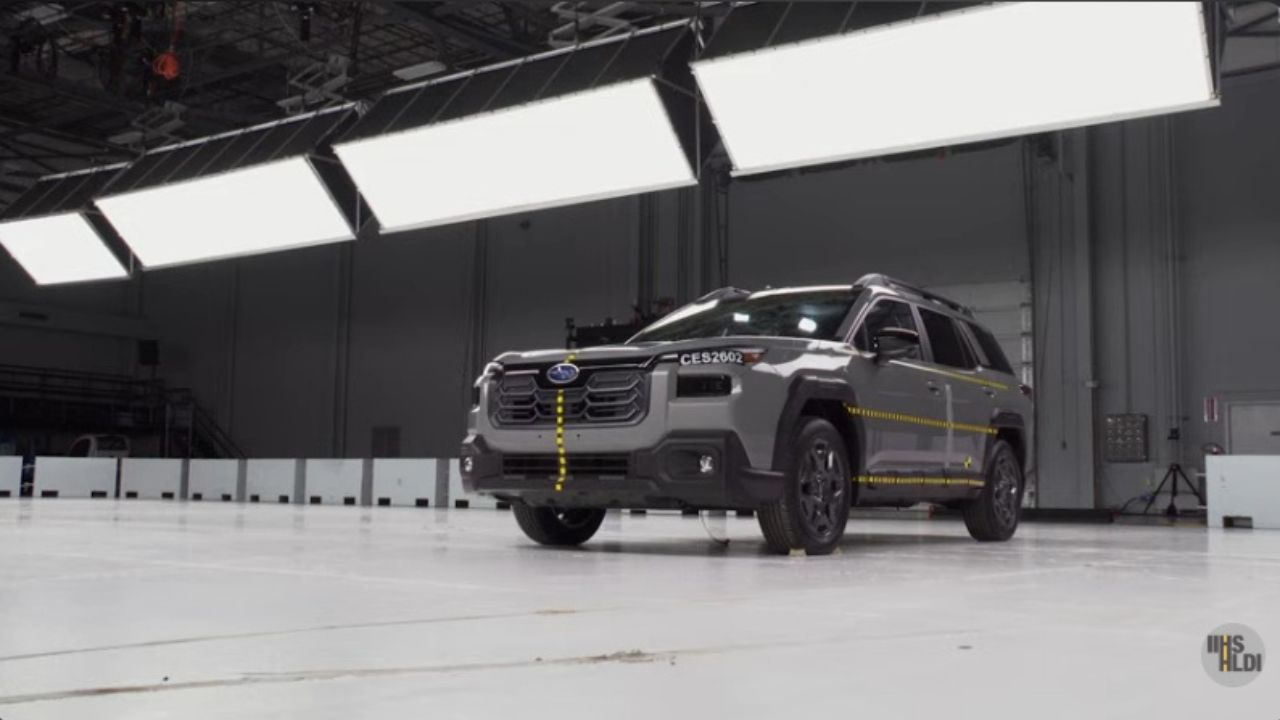
But none of that voids the central fact that when judged by the toughest crash and crash‑avoidance standards available, Detroit couldn’t crack the top safety list. Meanwhile global competitors — brands like Mazda, Hyundai, Kia, Subaru, Honda, Audi, and others — managed to have multiple models earn the top safety award under the newer IIHS regime.
It is tempting for Detroit loyalists to argue that pickups and heavy SUVs should be judged differently than small cars. But that argument falls apart when you realize the criteria apply across all categories.
Models from Hyundai and Kia were awarded Top Safety Pick+ honors in their respective segments, including SUVs that go head‑to‑head with Detroit’s bread‑and‑butter products. Even a rugged midsize SUV from outside Detroit managed to impress the IIHS labs where Detroit engineers could not.
Some might even reframe this as “robust enough for everyday use” or “there are more important things than a ratings badge.” That line of thought is short‑sighted. The IIHS Top Safety Pick+ is not a vanity trophy.
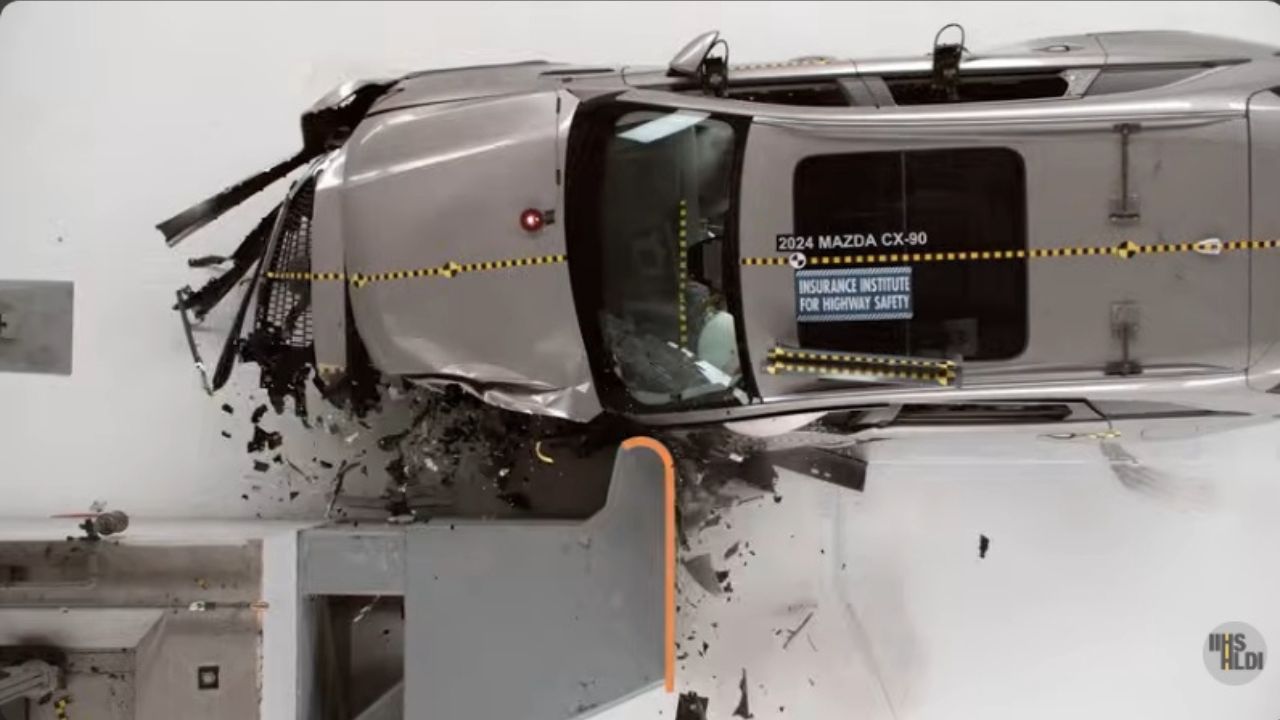
It represents objective evidence (with emphasis on “objective”) that a vehicle excels in protecting occupants and others on the road, the very thing safety regulators and consumers care about most when collision avoidance and crash performance are measured against evolving scientific standards.
Ignoring that fact in favor of nostalgia or brand loyalty is a disservice to people choosing a vehicle for family safety.
A Wakeup Call for Detroit
Ultimately, the IIHS top scores aren’t just about headlines or bragging rights. This debate is about whether Detroit automakers are committed to making automobiles that meet the highest benchmarks of modern safety engineering.
Because achieving a Top Safety Pick+ honor is not easy. It requires real investment in structure, restraint systems, driver assist tech, pedestrian detection, and more. The fact that no Detroit vehicle earned that recognition this cycle should be a wake‑up call. It is a direct challenge to engineers and executives who still think muscle and sales volume are enough.
Consumers deserve better. Safety should not be a second‑tier priority. And until Detroit proves it can compete not just in horsepower and advertising spend but in real, independent crash performance, this year’s Safety Pick+ snub will remain a boldly unignorable blemish on its record.