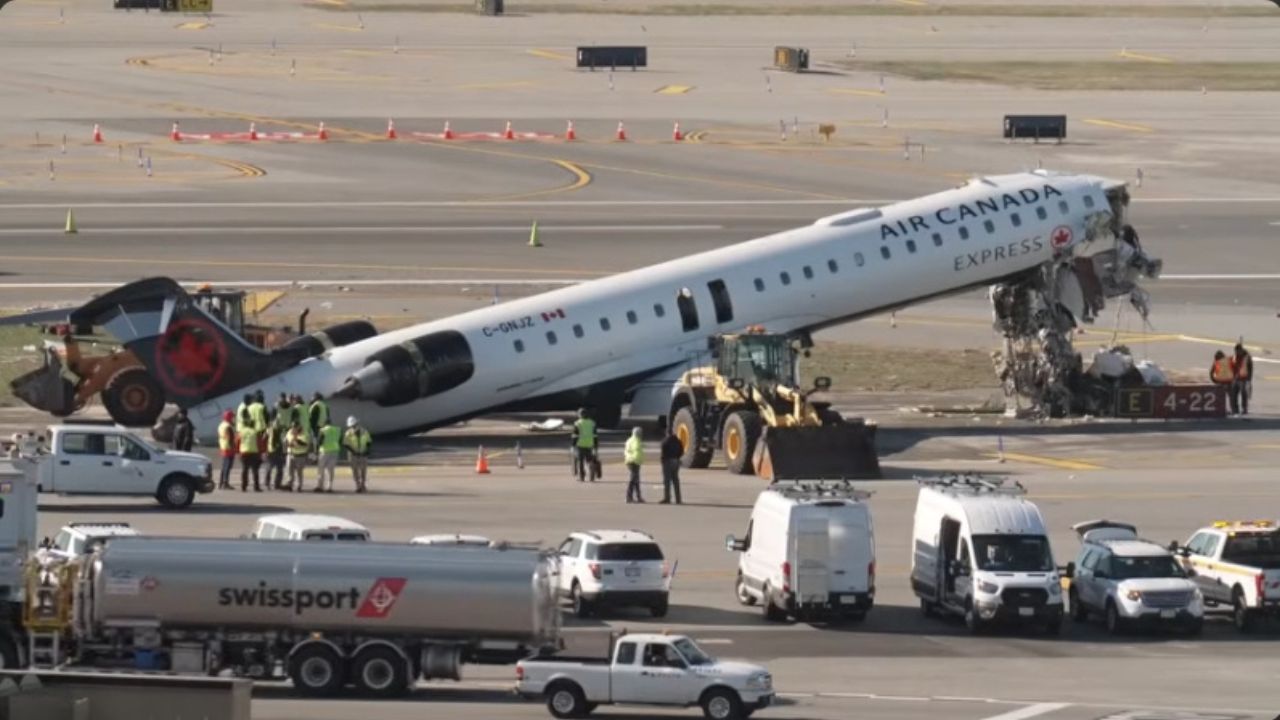

The collision at New York’s LaGuardia Airport presents a sobering case study in how layered aviation safety systems can fail when critical gaps align.
Based on the details emerging from the investigation, this was not the result of a single catastrophic error but rather a chain of vulnerabilities that, when combined, led to a fatal outcome.
A Missing Piece of Technology
One of the most striking revelations is the absence of a transponder on the fire truck involved in the collision. In modern airport environments, transponders are a fundamental component of surface safety.
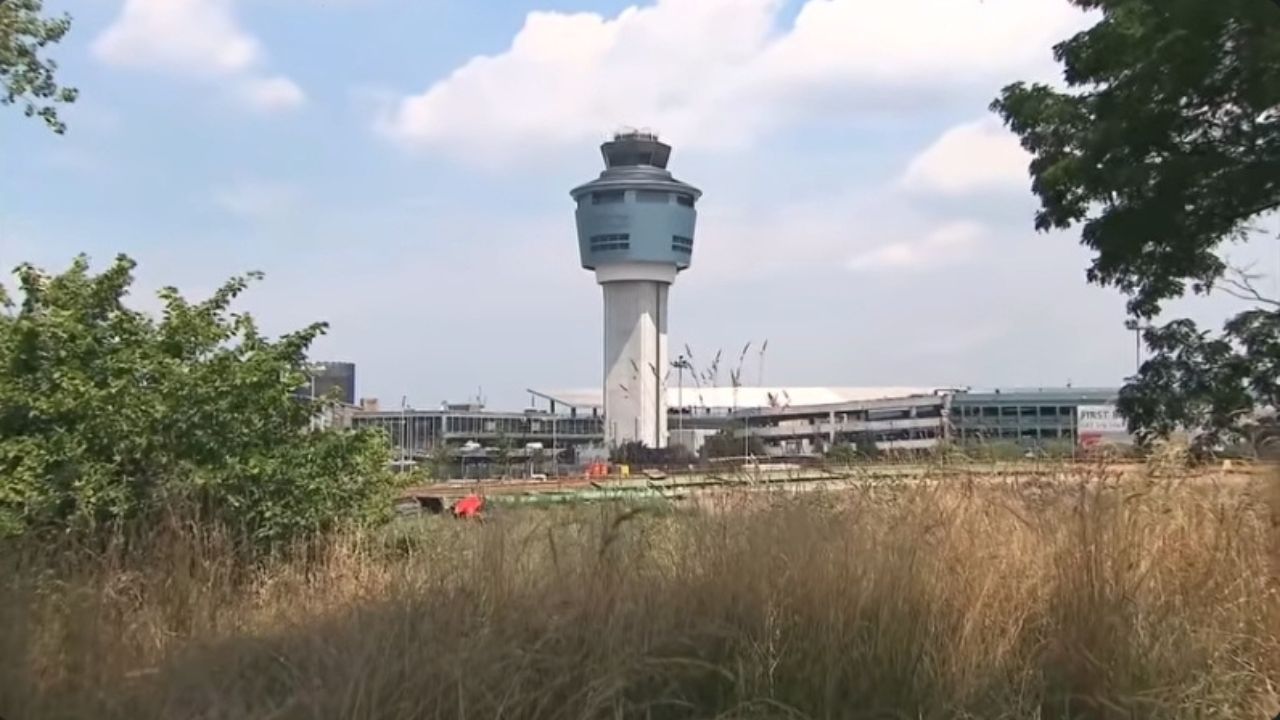
They allow air traffic controllers to identify and track ground vehicles in real time, particularly in low visibility or high traffic conditions.
Without this technology, the fire truck effectively became an untracked object on a highly regulated runway system. This raises immediate questions about compliance and standardization.
If other airports across the country equip emergency vehicles with transponders, the lack of such equipment at a major hub like LaGuardia suggests either a policy gap or inconsistent implementation of safety protocols.
When Detection Systems Fall Short
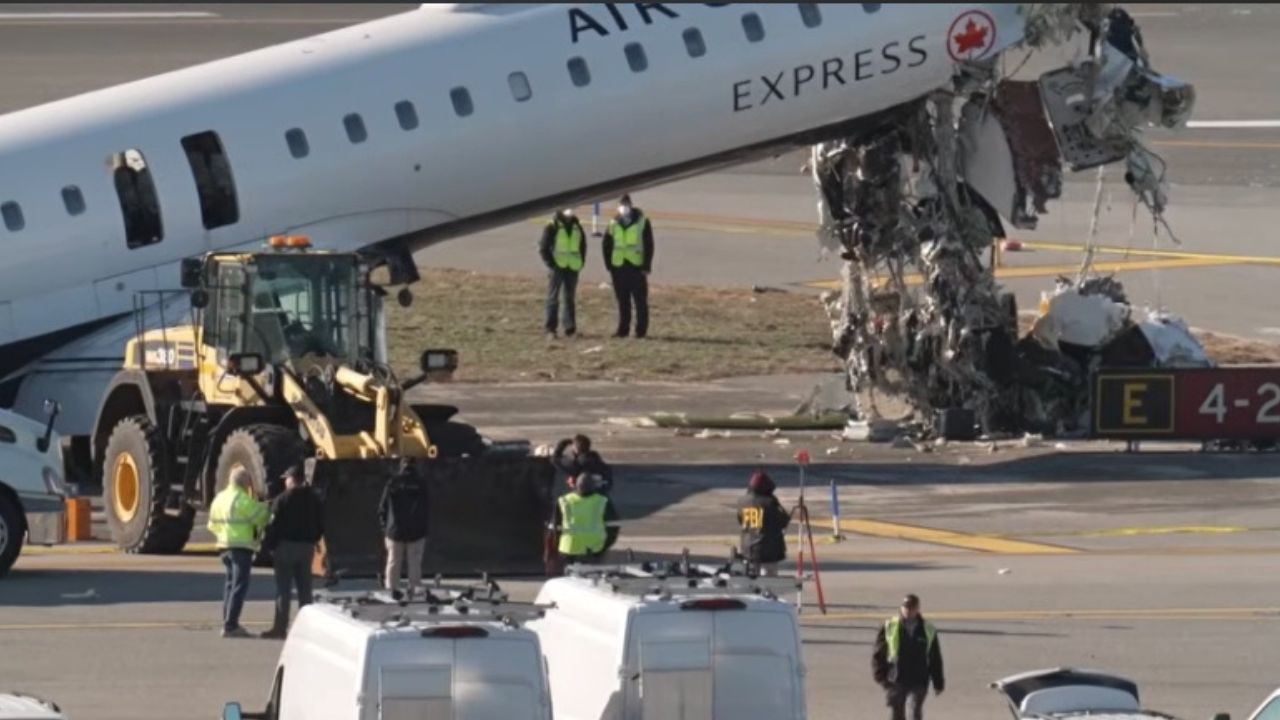
Equally concerning is the failure of the airport’s surface detection equipment to generate an alert. These systems are designed as a secondary layer of defense, capable of identifying potential conflicts even when human operators or onboard systems fall short.
In this case, investigators noted that the system did not issue a warning due to the close proximity and merging movements of the aircraft and the fire truck. This highlights a technical limitation in how detection systems interpret complex ground movements.
It suggests that under certain conditions, particularly when objects converge or diverge in tight spaces, the system may struggle to maintain a reliable tracking solution. That limitation undermines the assumption that automated alerts can serve as a dependable backstop.
A Race Against Time
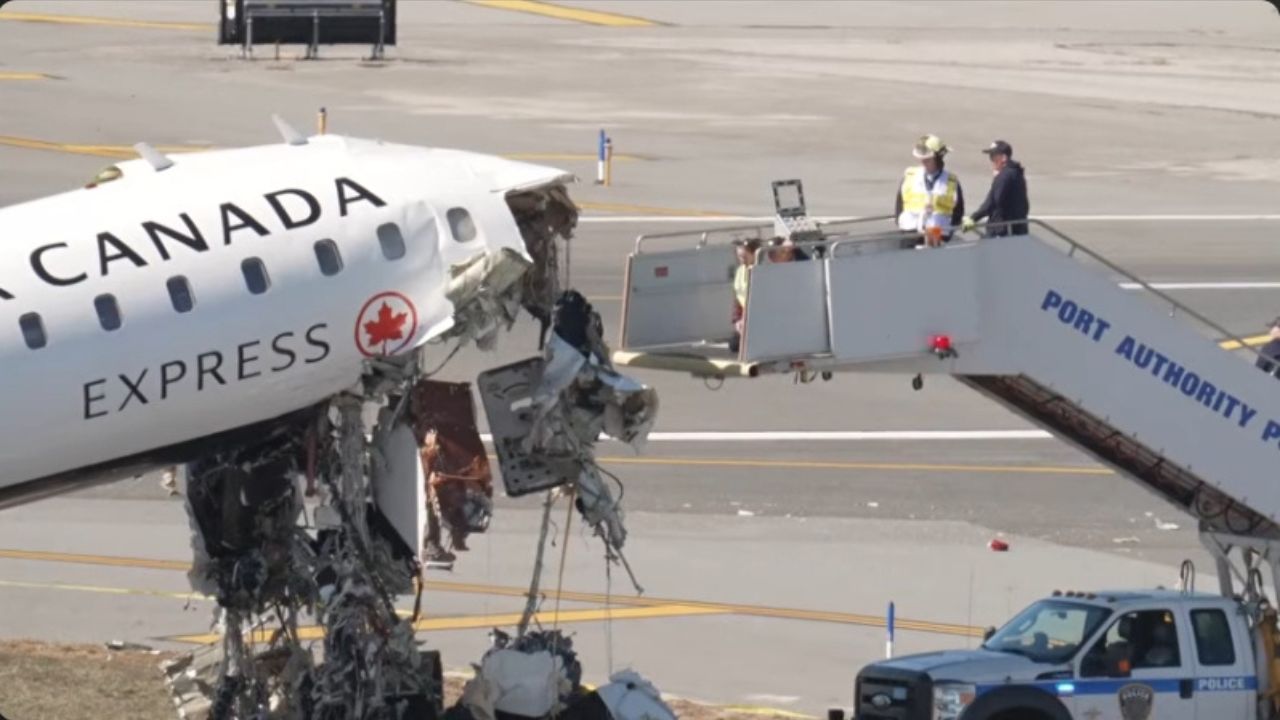
Timing also played a critical role. Only three minutes elapsed between the aircraft receiving clearance to land and the moment of impact. In aviation terms, that is an extremely compressed window for situational awareness to evolve and corrective action to be taken.
Once the aircraft was committed to landing, the margin for error narrowed significantly. The pilot’s attempt to brake, as described by witnesses, underscores how little time remained to respond once the hazard became visible.
This reinforces the importance of preventing runway incursions before they develop, rather than relying on last-second interventions.
A Layered Defense Unraveled
The investigation also points to the concept of layered defenses, a cornerstone of aviation safety philosophy. These layers include technology, human oversight, procedural safeguards, and communication protocols.
When functioning properly, they create redundancy that prevents a single failure from escalating into a disaster. However, the LaGuardia incident demonstrates what happens when multiple layers are compromised simultaneously.
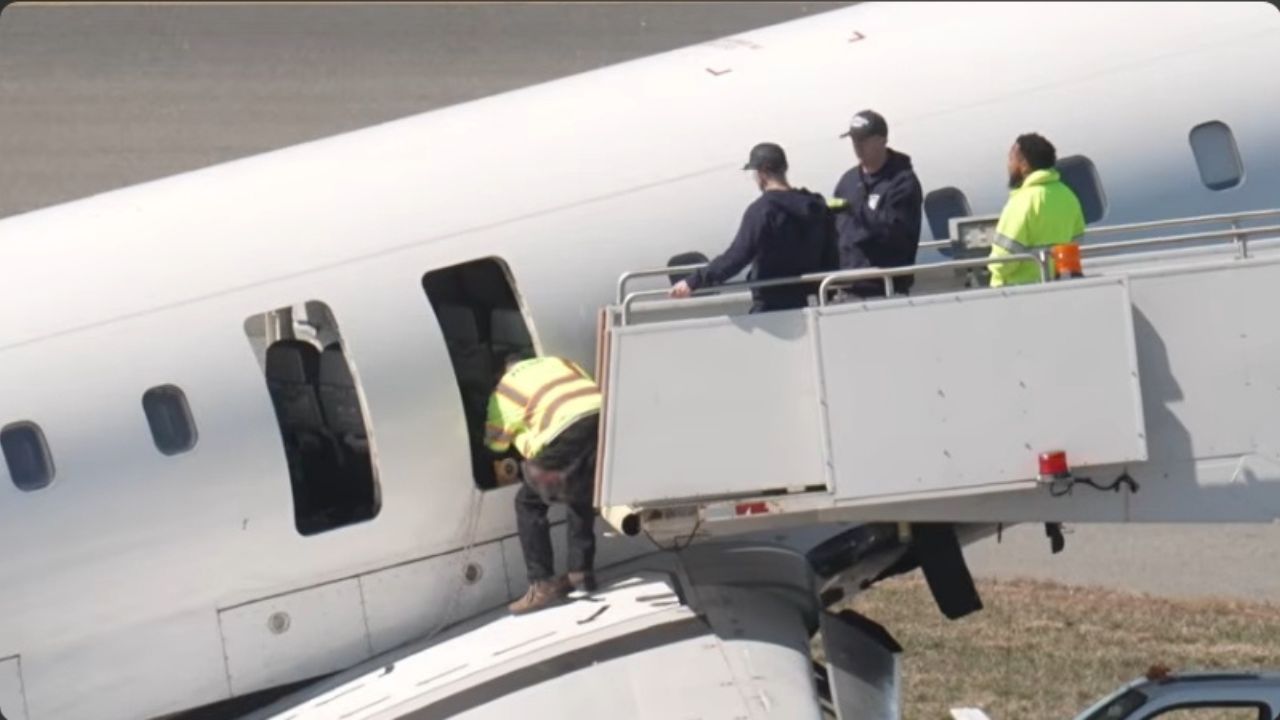
The absence of a transponder removed one layer. The failure of surface detection eliminated another. The rapid sequence of events further reduced the effectiveness of human response. Together, these breakdowns created a scenario where the system had no remaining safeguards to fall back on.
Interestingly, staffing levels in the control tower were reported to be within standard operating procedures. This suggests that the issue was not one of insufficient personnel but rather the tools and information available to them.
Controllers can only act on what they can see and verify. If a vehicle is not transmitting its position and the detection system fails to flag a conflict, the controller’s situational awareness is inherently limited. This shifts the focus from human error to systemic design and technological integration.
A Call for Resilience
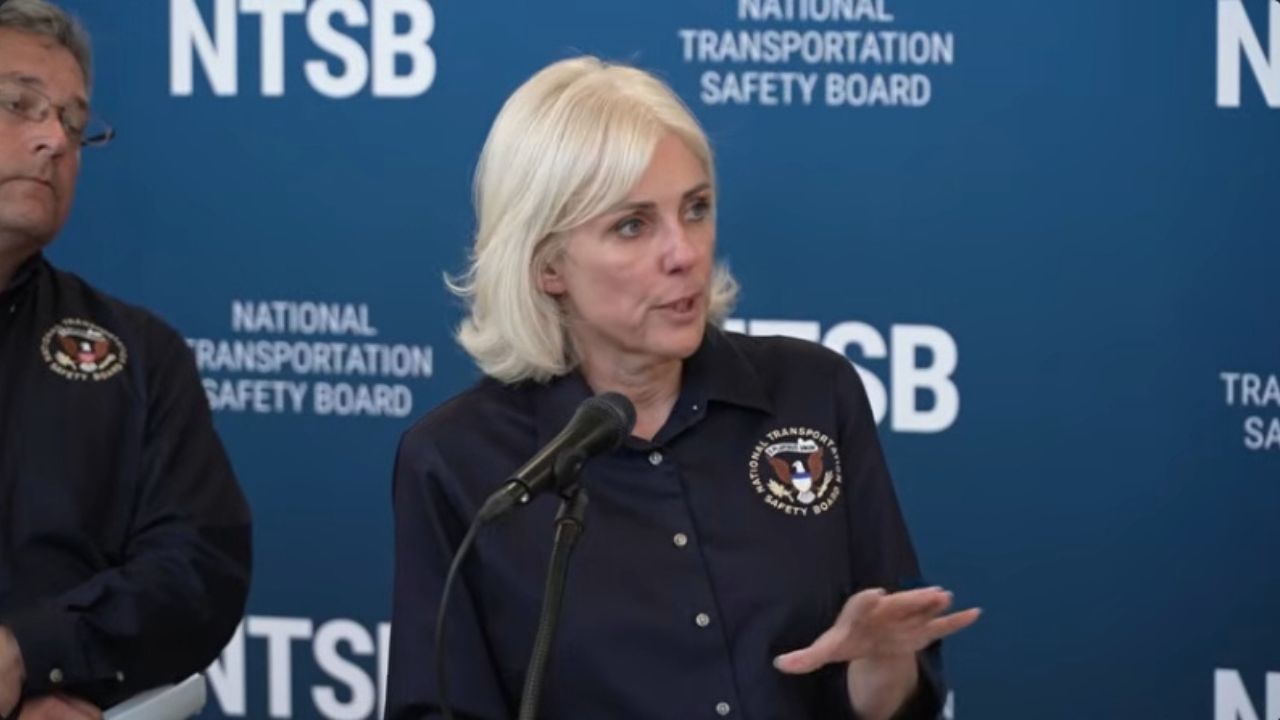
Ultimately, this incident underscores the need for a more resilient and fail-safe approach to airport ground operations. In the words of the National Transportation Safety Board (NTSB) chair Jennifer L. Homendy, “Many, many things went wrong” for the LaGuardia tragic collision to happen.
Ensuring that all vehicles operating in critical zones are equipped with transponders should be a non-negotiable standard. At the same time, detection systems must be refined to handle complex movement patterns without losing tracking confidence.
Aviation safety has long relied on the principle that accidents occur when multiple safeguards fail at once. The tragedy at LaGuardia reinforces that hallowed principle; maintaining each layer of that system is essential, because when several falter together, the consequences can be devastating.